
The Comeback of the 'Third Place': How Neighborhood Living Rooms Are Curing Modern Isolation
Driven by digital fatigue and a global loneliness epidemic, communities and architects are intentionally rebuilding 'third places'—from micro-communities to neighborhood living rooms—to make human connection ordinary again.
By Factlen Editorial Team
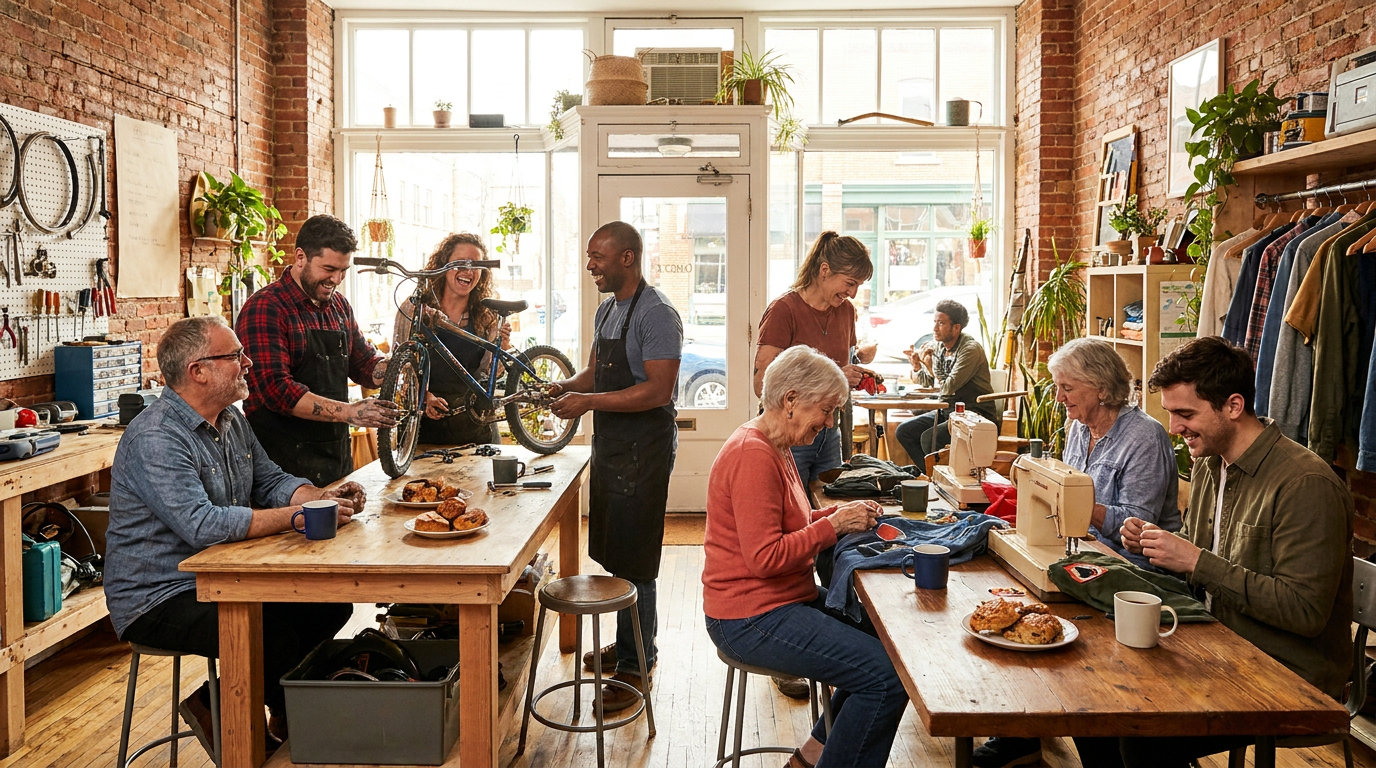
- Community Organizers
- Emphasize grassroots, non-transactional spaces like repair cafes and micro-communities as the true antidote to social isolation.
- Urban Planners & Architects
- Argue that loneliness is a design flaw, advocating for built environments that engineer serendipity through 'bump spaces' and shared infrastructure.
- Hospitality Industry
- View the craving for connection as an opportunity to transform cafes, hotel lobbies, and bars into community-anchored revenue drivers.
What's not represented
- · Rural Residents
- · Disabled Individuals Facing Accessibility Barriers
Why this matters
As loneliness reaches crisis levels globally, the revival of physical community spaces offers a tangible, accessible cure. Understanding how to find or build these 'third places' empowers readers to improve their mental health, expand their support networks, and reclaim their time from digital isolation.

More in lifestyle
See all 61 stories →Community Spaces
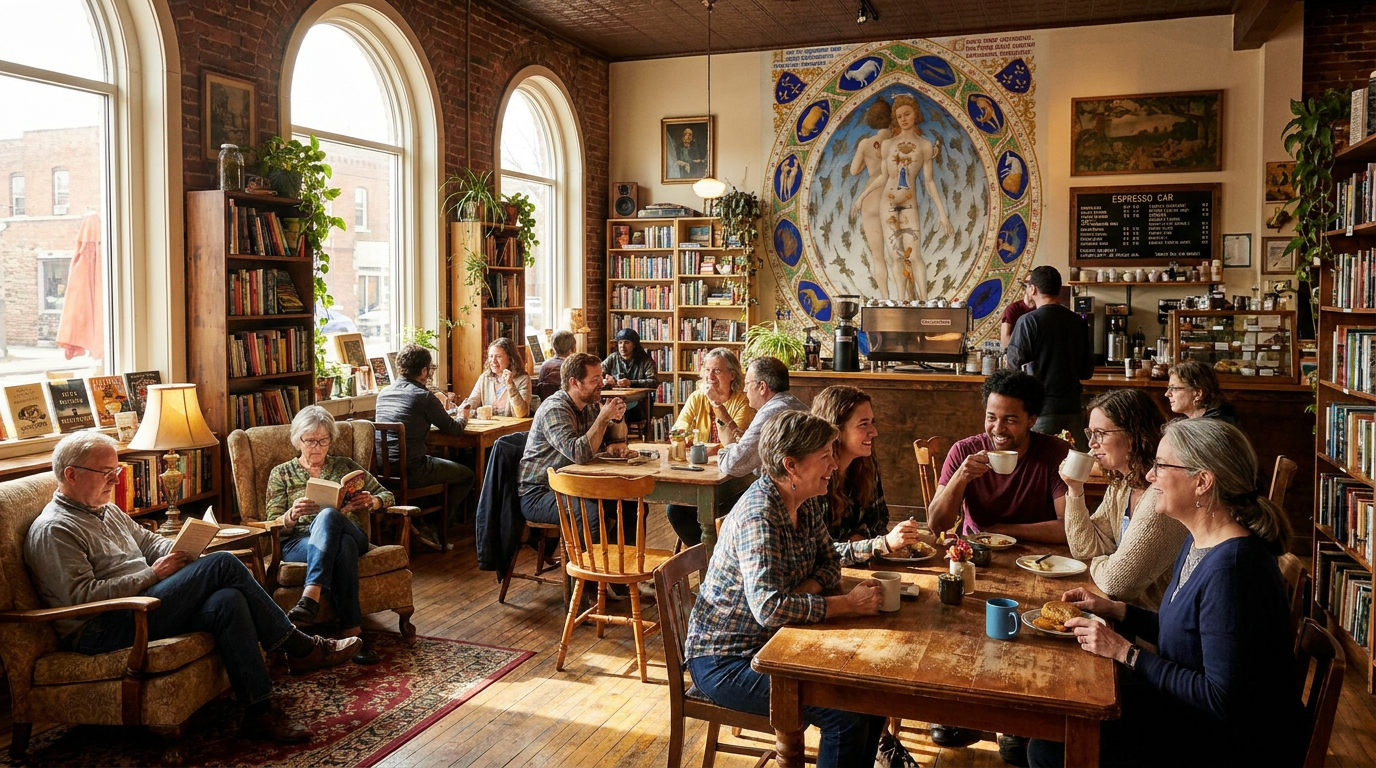
The 'Third Place' Revival: How Communities Are Rebuilding Social Infrastructure to Combat Isolation
10 sources
Adult Learning
The Neuroscience of Adult Learning: How to Rewire Your Brain After 25
6 sources

Circular Dining
The Restaurant With No Bin: How Circular Dining is Solving the Kitchen Waste Crisis
7 sources

AI Communication
The New Rules of AI Etiquette: When to Disclose, When to Edit, and When to Type It Yourself
10 sources

Every angle. Every day.
Get lifestyle stories with full source coverage and perspective breakdowns delivered to your inbox.