
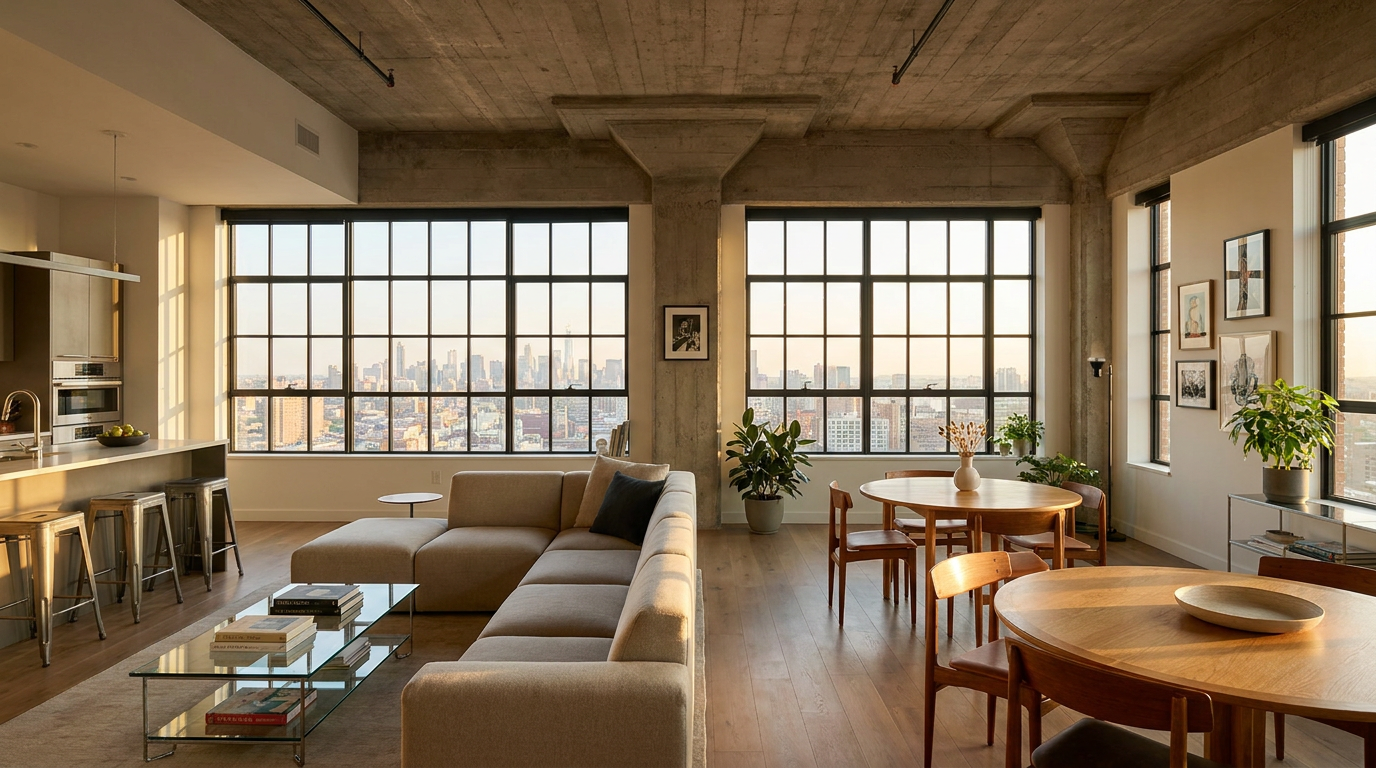
The 90,000-Unit Boom: How Empty Offices Are Finally Becoming Apartments
Driven by record office vacancies and a severe housing shortage, the conversion of commercial towers into residential apartments has surged to an all-time high in 2026.
By Factlen Editorial Team
Urban Planners & Policymakers 35%Commercial Developers 35%Architects & Designers 20%Factlen Analysis 10%
- Urban Planners & Policymakers
- Focuses on the civic necessity of saving downtowns, expanding housing stock, and updating outdated zoning codes.
- Commercial Developers
- Focuses on the financial mechanics, speed-to-market advantages, and repositioning of distressed assets.
- Architects & Designers
- Focuses on the structural puzzles and creative programming required to make deep-floor-plate conversions livable.
- Factlen Analysis
- Synthesizes the macro trend and its long-term impact on sustainable urban design.
What's not represented
- · Existing Commercial Tenants
- · Affordable Housing Advocates
Why this matters
Empty downtowns drain city tax revenues and hurt local businesses, while a nationwide housing shortage keeps rents artificially high. Converting obsolete offices into apartments solves both crises simultaneously, reshaping the future of how and where we live.
More in real estate
See all 38 stories →Homebuying
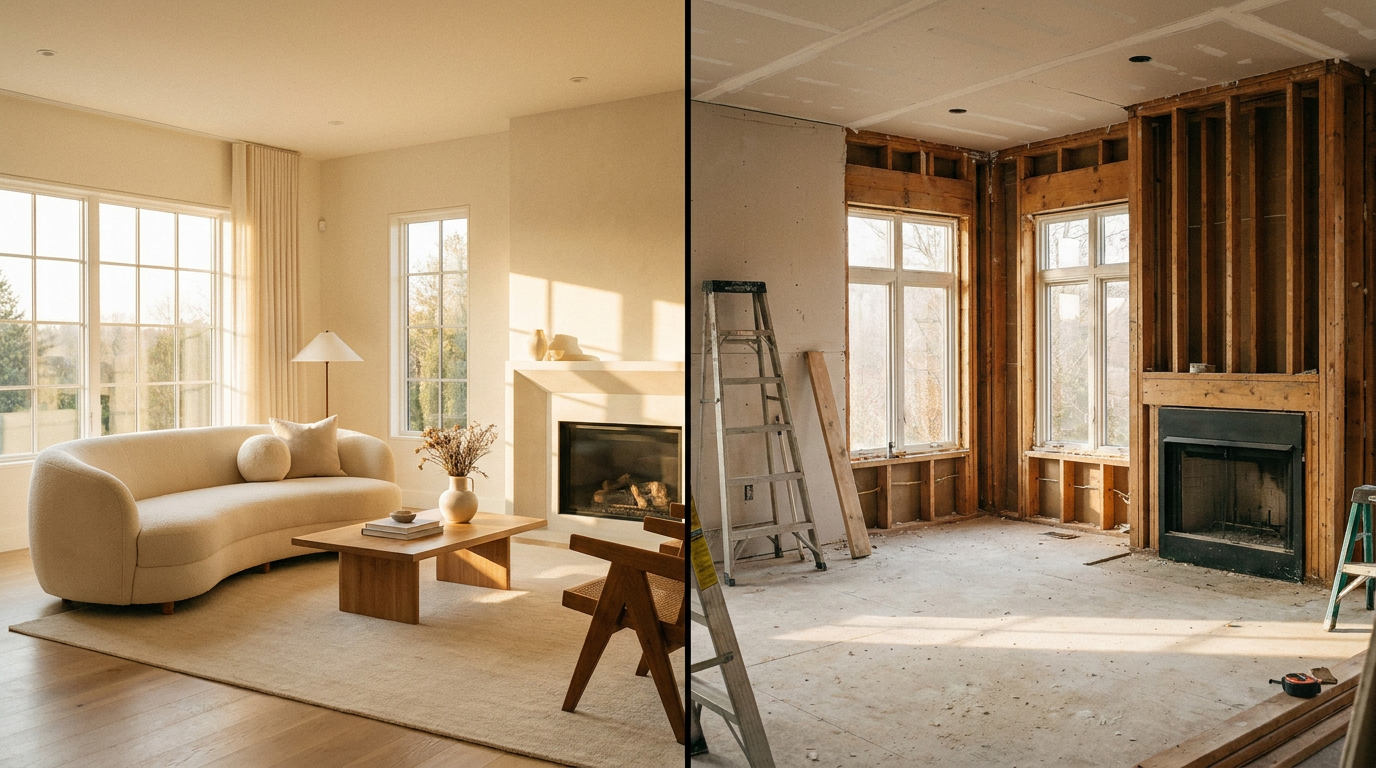
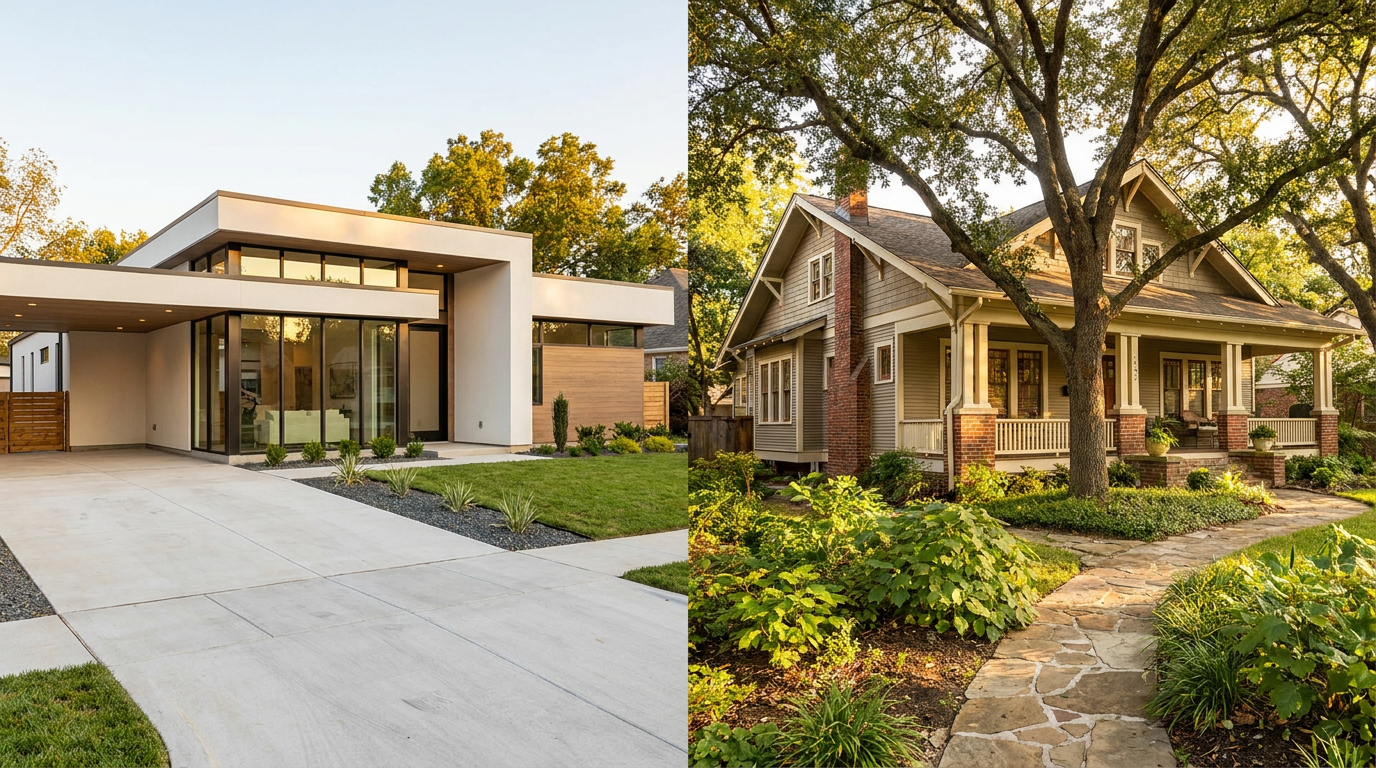
The 2026 Guide to Homebuying: New Construction vs. Existing Homes
8 sources
3D Printed Homes
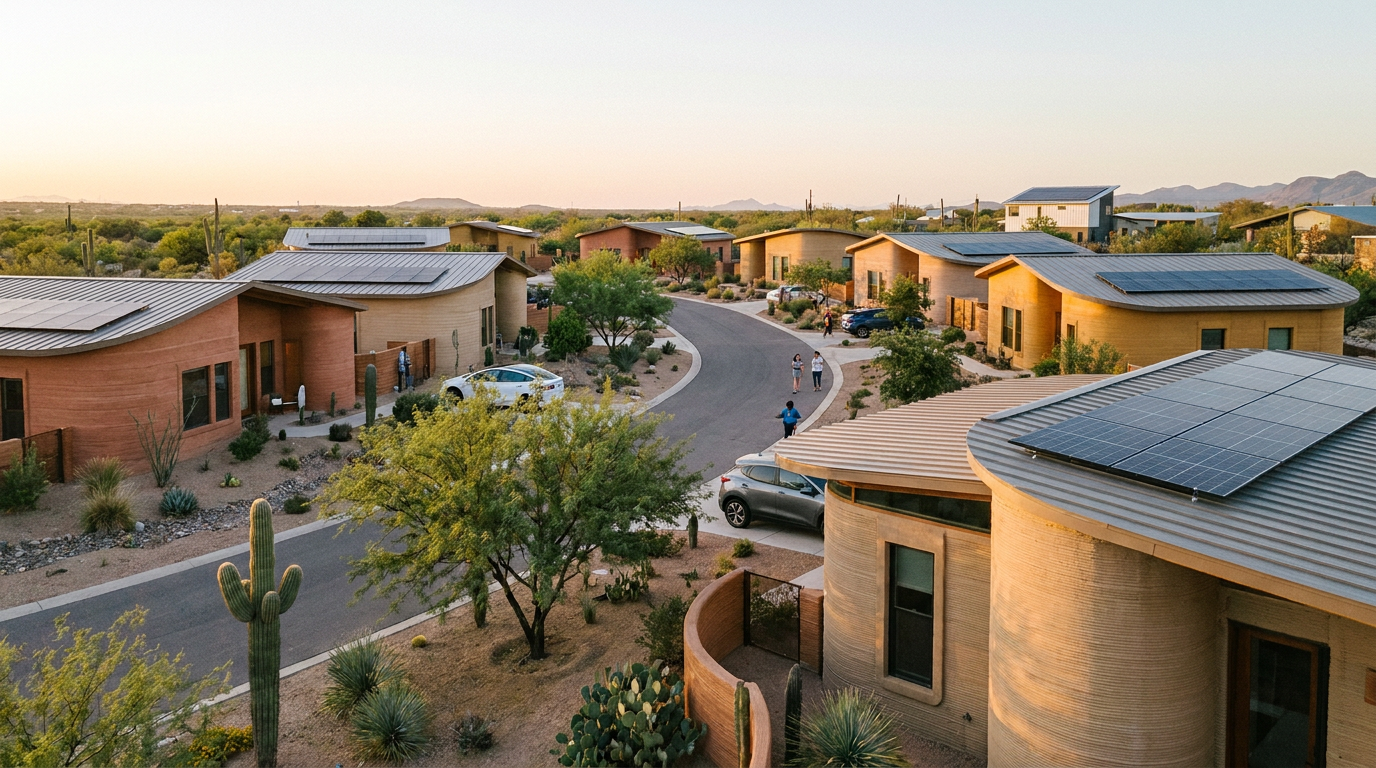
The Global Rise of 3D-Printed Eco-Villages: How Automation is Tackling the Housing Crisis
8 sources
Zoning Reform
The Evidence Pack: How Upzoning and 'Missing Middle' Reforms Are Stabilizing Rents
8 sources
iBuyer Market
Selling to an iBuyer vs. a Traditional Agent: Which Strategy Fits You Best?
8 sources
Stay informed
Every angle. Every day.
Get real estate stories with full source coverage and perspective breakdowns delivered to your inbox.