
The 2026 Guide to Buying an E-Bike: Motors, Batteries, and Safety Standards Explained
As electric bikes mature into specialized transportation tools, choosing the right model requires understanding motor placement, battery capacity, and crucial fire-safety certifications. Here is how to navigate the 2026 e-bike market.
By Factlen Editorial Team
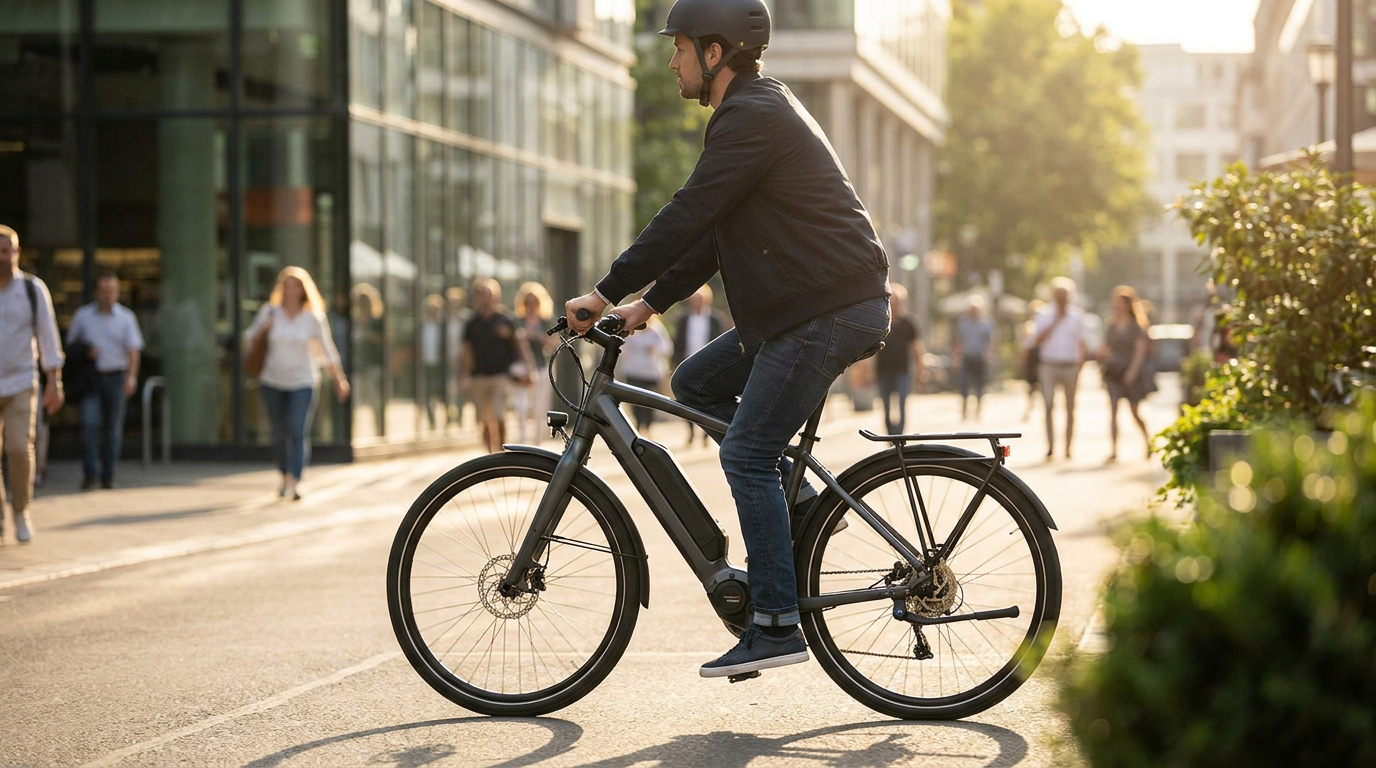
- Urban Commuters
- Prioritize simplicity, affordability, and low maintenance for daily city riding.
- Safety Regulators & Advocates
- Focus on eliminating lithium-ion fire risks through strict third-party testing.
- Performance & Trail Riders
- Demand high torque, natural handling, and efficient hill-climbing capabilities.
What's not represented
- · Local Bike Shop Mechanics
- · Delivery & Cargo Couriers
Why this matters
Electric bicycles have evolved from niche gadgets into genuine car replacements, but the market is flooded with confusing technical specifications and varying safety standards. Understanding how to evaluate motors, calculate true battery range, and verify UL fire-safety certifications ensures you invest in a reliable, safe machine that actually fits your daily commute.

More in shopping
See all 121 stories →Smart Home Architecture
Local vs. Cloud Smart Home Hubs: Which Architecture Wins in 2026?
7 sources

One-Bag Travel
Travel Backpack vs. Roller Bag: The Ultimate Carry-On Trade-Off Analysis
7 sources

EV Battery Tech
Solid-State EV Batteries Are Entering Production in 2026: What Car Buyers Need to Know
6 sources

Display Tech
OLED vs. Mini-LED in 2026: The Ultimate TV Trade-Off Analysis
6 sources

Every angle. Every day.
Get shopping stories with full source coverage and perspective breakdowns delivered to your inbox.