
How Gut Bacteria Shape Mood: The Rise of Psychobiotics and Nutritional Psychiatry
Emerging research reveals that the trillions of microbes in the human digestive tract actively manufacture the chemical signals that dictate our emotional states. This discovery is driving the new field of nutritional psychiatry, which uses targeted dietary changes to treat anxiety and depression.
By Factlen Editorial Team
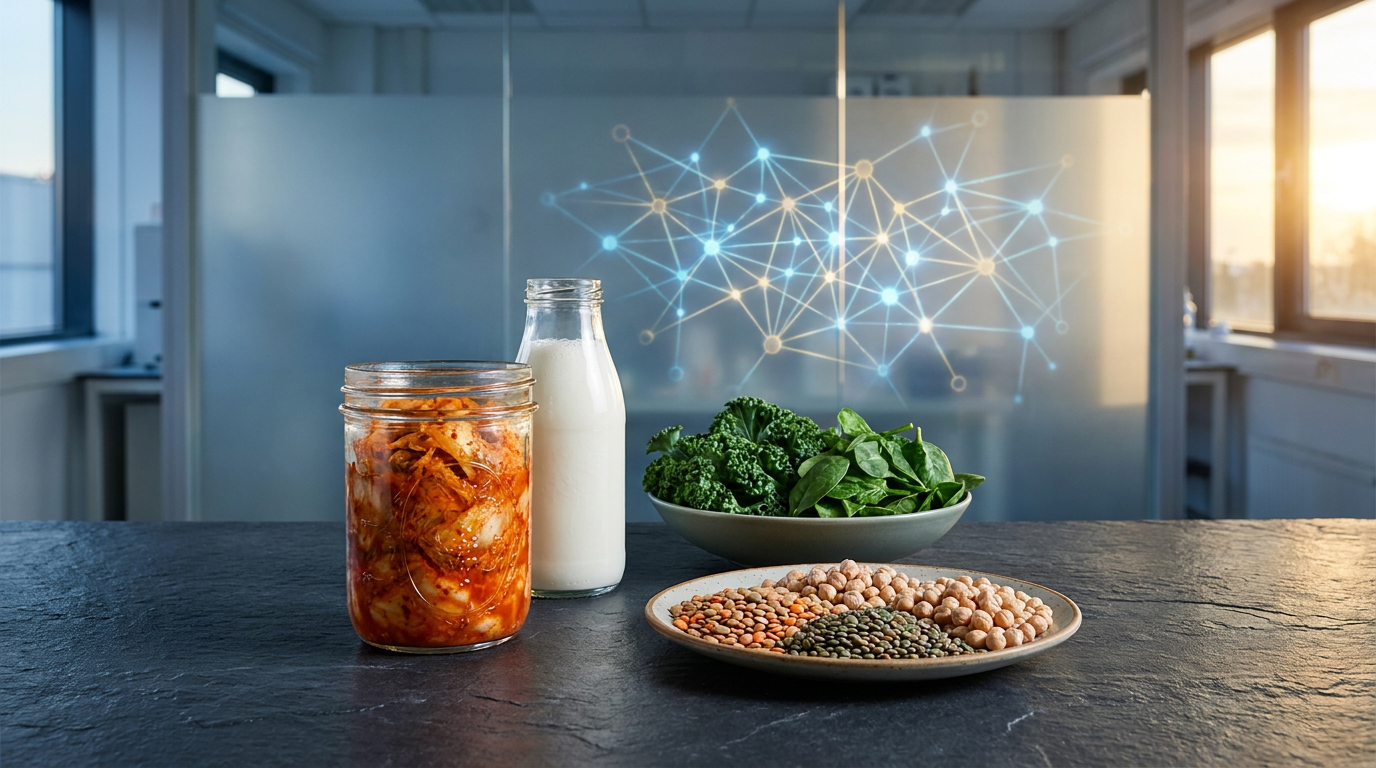
- Nutritional Psychiatrists
- Focus on whole-food dietary patterns like the Mediterranean diet as the primary intervention for mood disorders, emphasizing the synergistic effects of fiber and nutrients.
- Microbiome Researchers
- Focus on isolating specific psychobiotic strains, mapping the biochemical pathways of the gut-brain axis, and developing targeted microbial therapies.
- Clinical Skeptics
- Emphasize the need for more rigorous human trials, caution against over-hyping single-strain probiotic supplements, and highlight the difficulty of standardizing treatments.
What's not represented
- · Food industry executives
- · Health insurance providers
Why this matters
Understanding the gut-brain connection empowers individuals to actively manage their mental health through daily dietary choices. By viewing food as biological information rather than just fuel, patients gain a tangible, accessible tool for building emotional resilience and combating mood disorders.

More in health
See all 129 stories →Autoimmune Breakthrough
CAR-T Cell Therapy Induces Drug-Free Remission in Severe Lupus Patients
6 sources
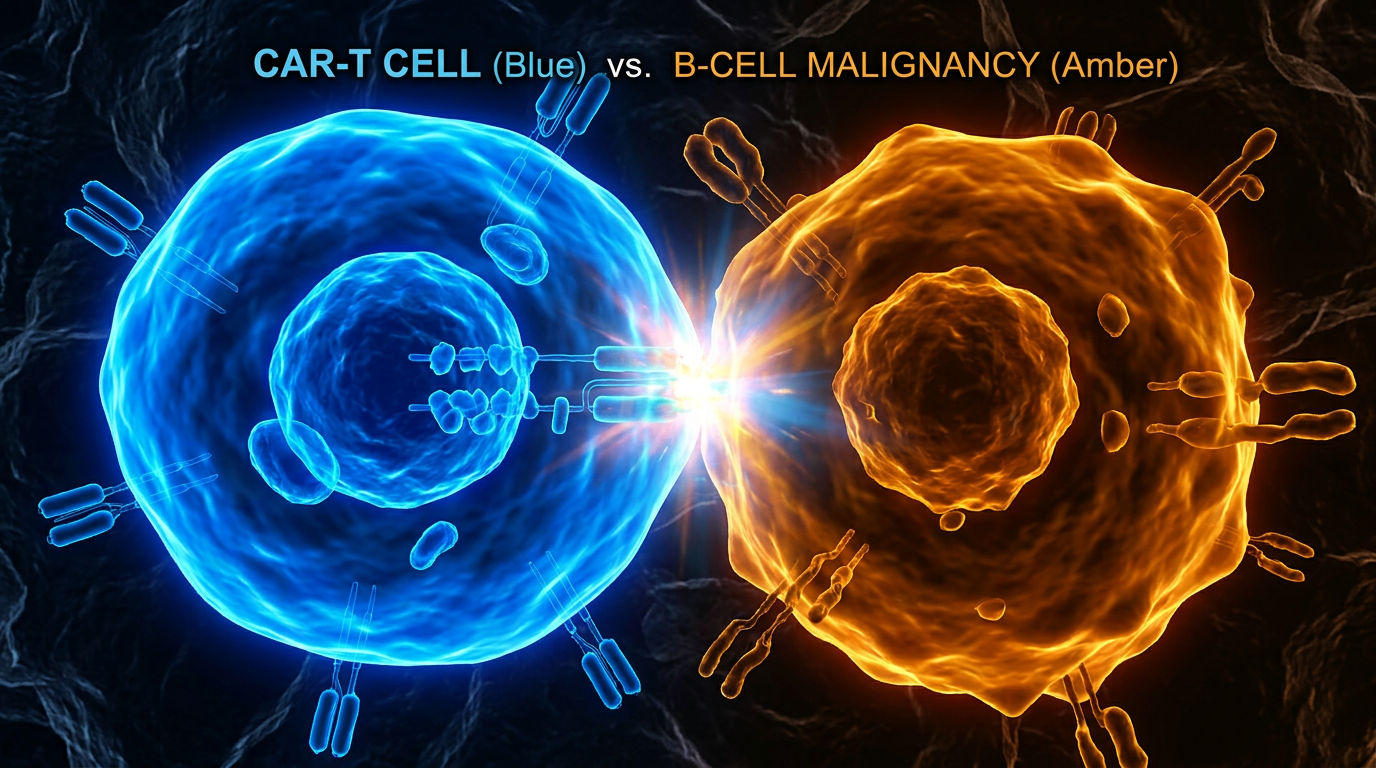
CAR-T Therapy
Revolutionary 'Immune Reset' Therapy Puts Severe Lupus into Drug-Free Remission
6 sources
Exercise as Medicine
Exercise Matches or Exceeds Medication for Depression and Anxiety, Massive 2026 Review Finds
6 sources

Biological Age
Can you really measure your biological age? The evidence on epigenetic clocks
7 sources
Every angle. Every day.
Get health stories with full source coverage and perspective breakdowns delivered to your inbox.