
How AI and Digital Traceability are Eliminating Food Waste in Global Supply Chains
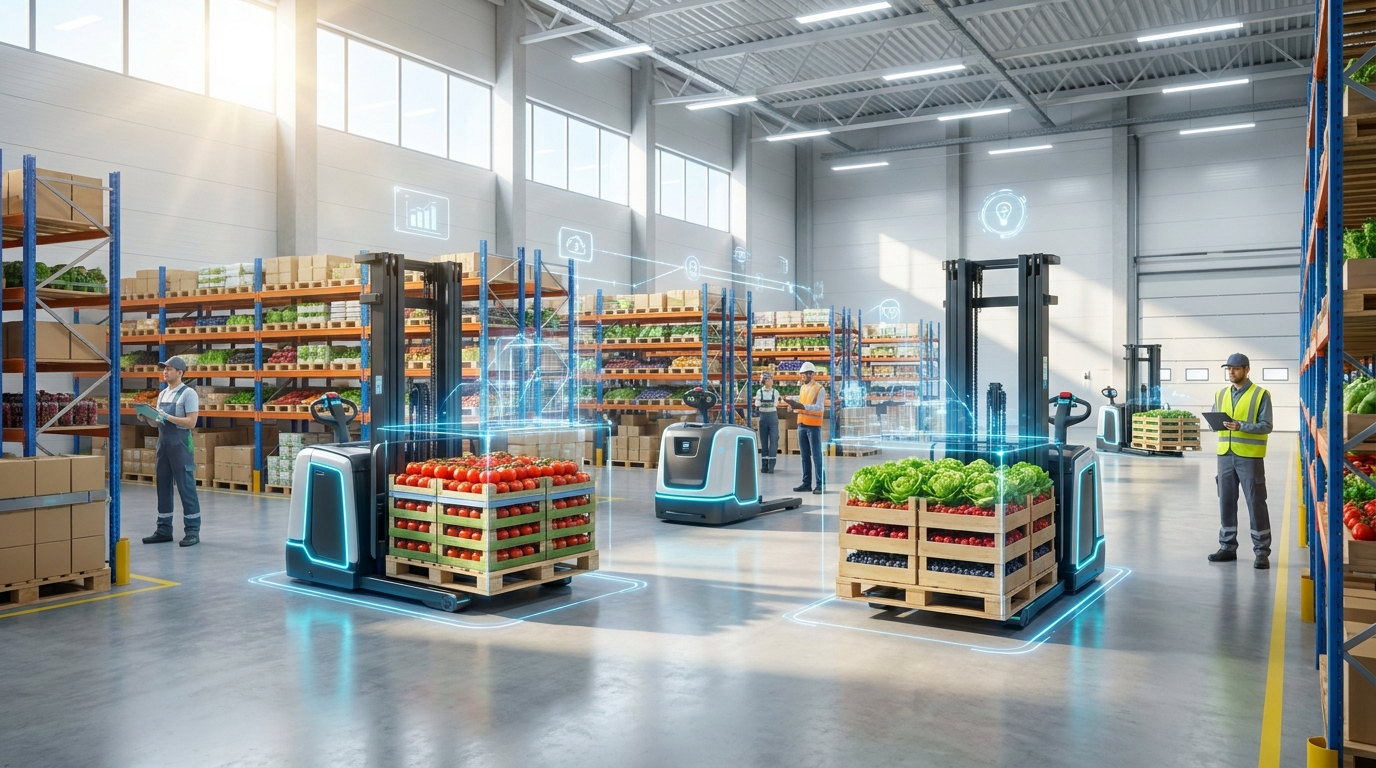
Artificial intelligence and intelligent sensor networks are rewiring the global food supply chain, replacing manual guesswork with predictive models that drastically reduce spoilage and emissions.
By Factlen Editorial Team
Supply Chain Technologists 40%Sustainability & Policy Advocates 35%Food Science Researchers 25%
- Supply Chain Technologists
- Focuses on the margin improvements and operational efficiencies unlocked by predictive data.
- Sustainability & Policy Advocates
- Prioritizes the environmental impact of food waste and the necessity of regulatory frameworks.
- Food Science Researchers
- Focuses on the physical integration of AI through non-destructive sensors and spoilage prediction.
What's not represented
- · Small-scale independent farmers
- · Consumer privacy advocates regarding household waste tracking
Why this matters
Roughly one-third of all food produced globally is wasted, driving up grocery prices and generating massive greenhouse gas emissions. By deploying AI to predict demand and track spoilage, the supply chain is simultaneously lowering costs for consumers and mitigating a major environmental crisis.

More in business
See all 70 stories →Space Economy
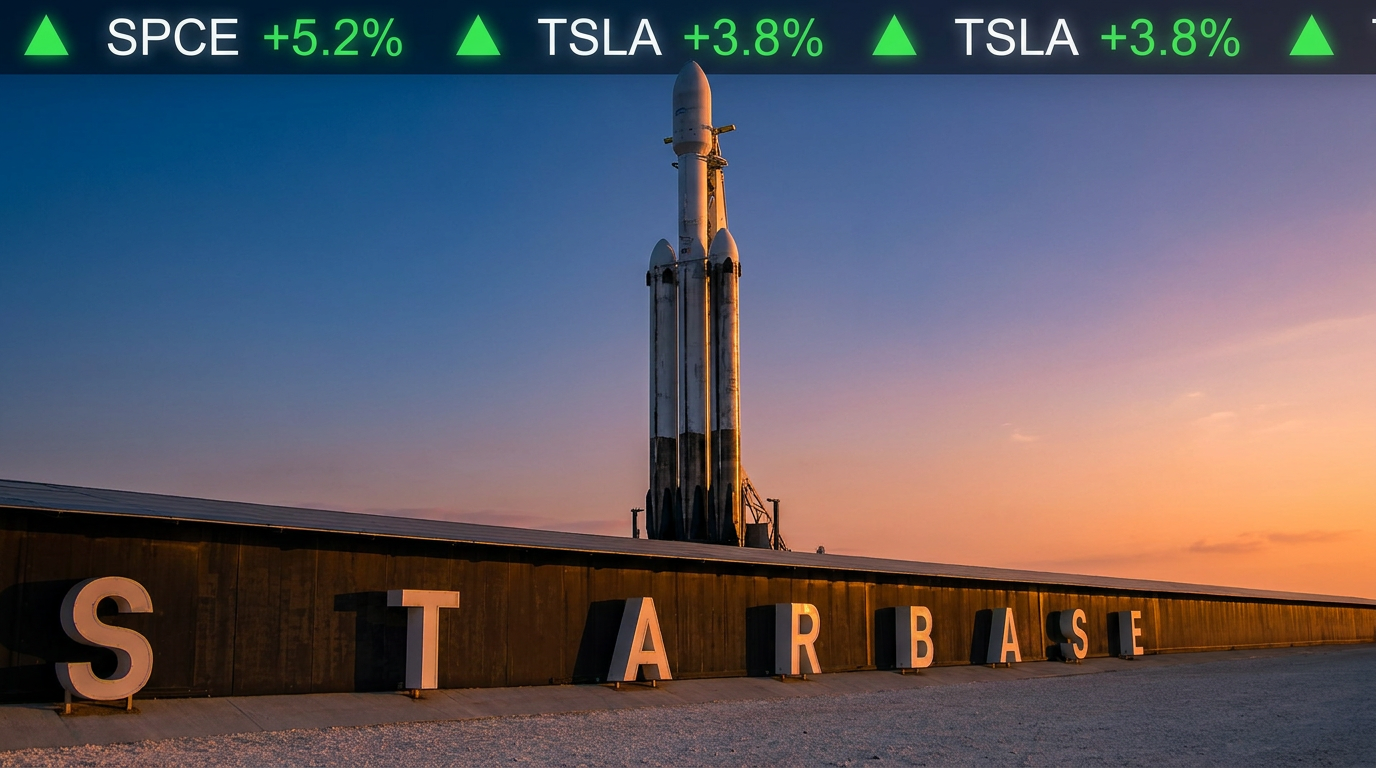
SpaceX Completes Record $75 Billion IPO, Pushing Elon Musk to Trillionaire Status
7 sources
Space Economy
SpaceX Executes Largest IPO in History, Making Elon Musk the First Trillionaire
8 sources

SpaceX IPO
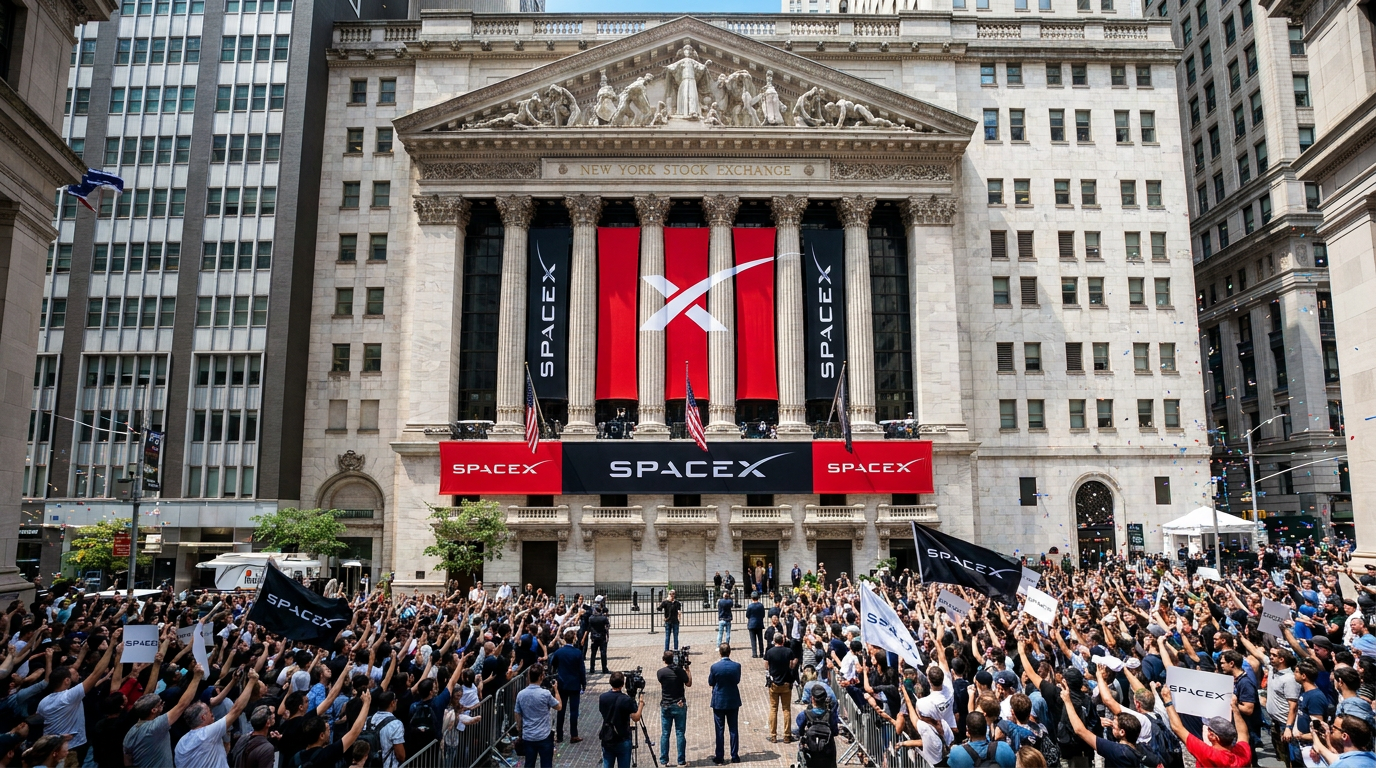
SpaceX Completes Record-Breaking IPO, Making Elon Musk the World's First Trillionaire
8 sources
Space Economy
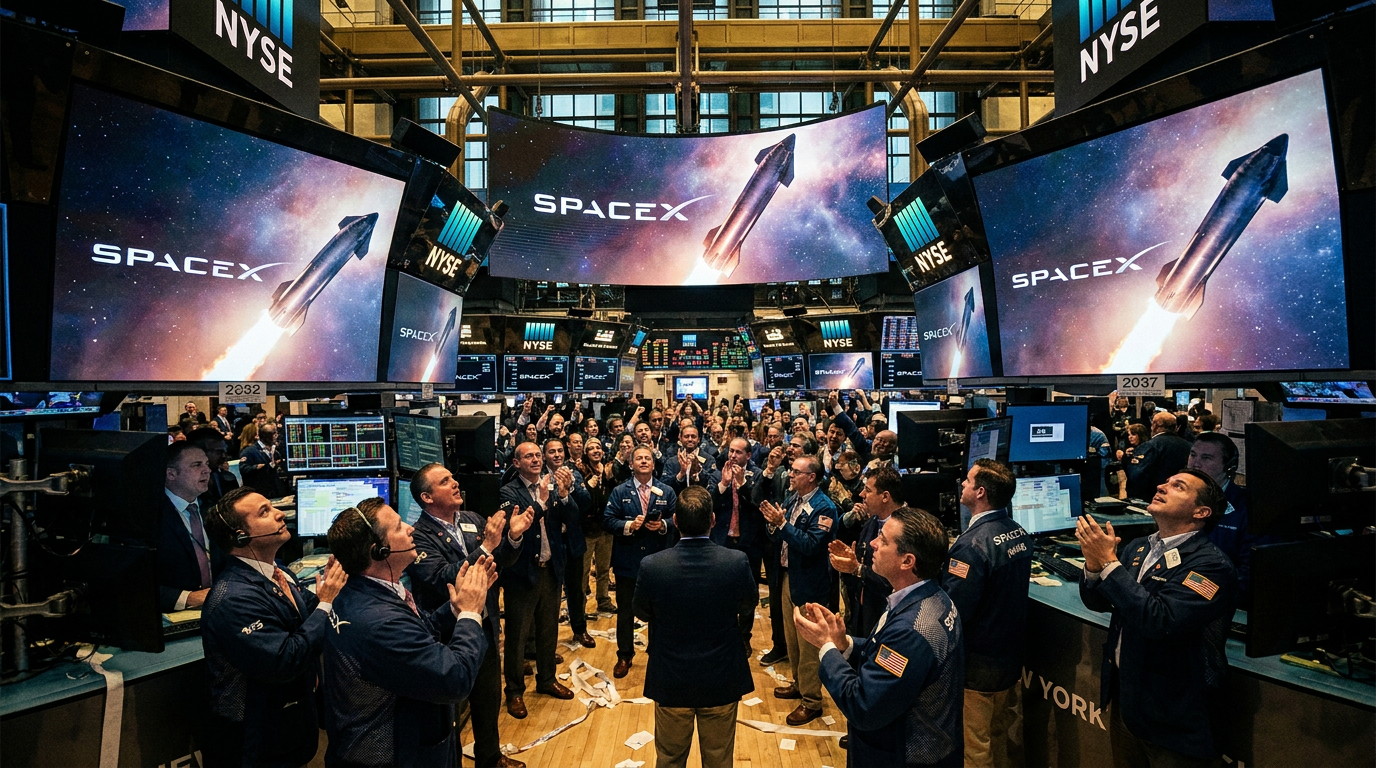
SpaceX Completes Record $75 Billion IPO, Pushing Market Capitalization Past $2.2 Trillion
8 sources
Stay informed
Every angle. Every day.
Get business stories with full source coverage and perspective breakdowns delivered to your inbox.