
A New 'Pulsatile' Drug Mimics the Body's Natural Rhythms to Treat Liver Disease
Researchers have developed Linafexor, a first-in-class drug that activates liver receptors in short bursts rather than constantly, offering a highly effective treatment for bile-acid liver diseases with significantly reduced toxicity.
By Factlen Editorial Team
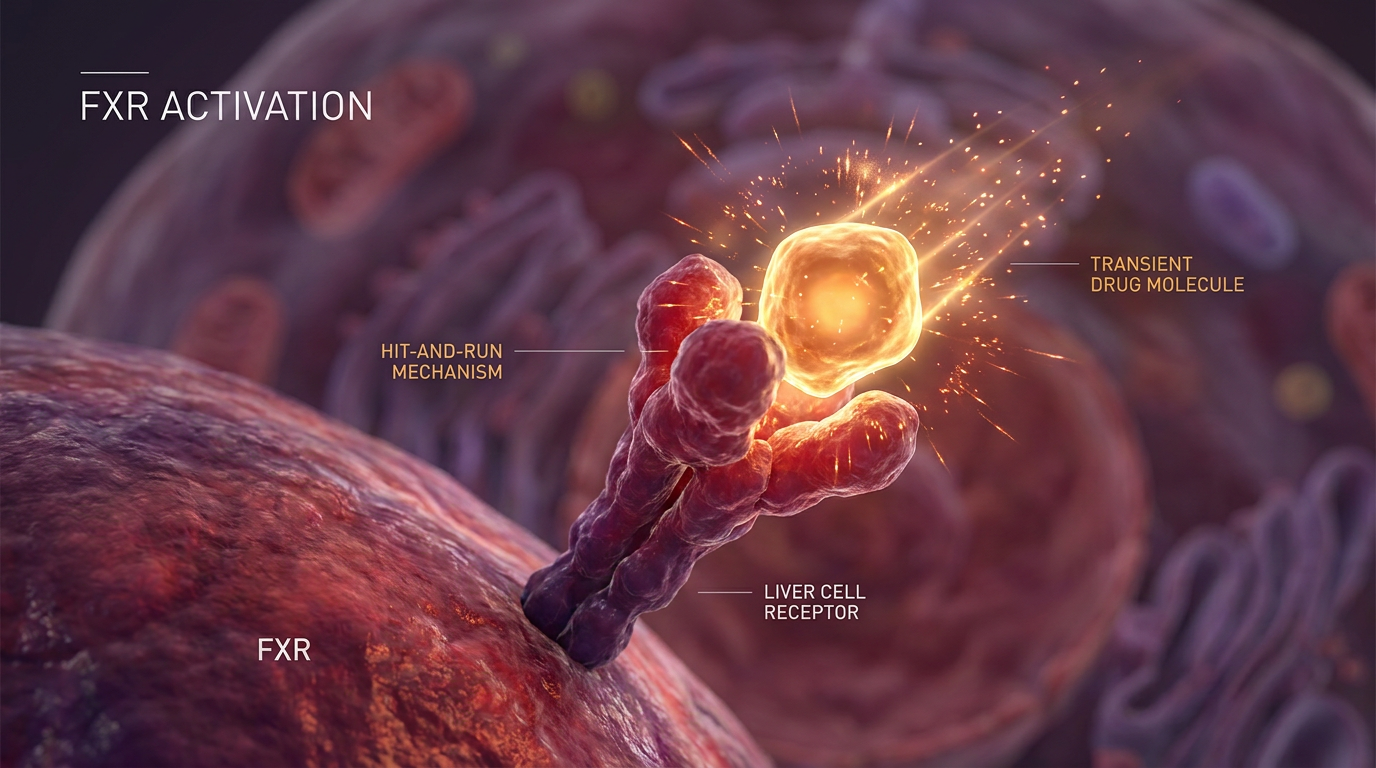
- Pharmacologists & Drug Developers
- Emphasize the paradigm shift of 'chronopharmacology' and designing drugs that respect the body's natural transient rhythms.
- Hepatologists & Clinicians
- Focused on the urgent need for effective liver disease treatments that do not cause severe liver toxicity or dangerous cholesterol spikes.
- Patient Advocacy Groups
- Prioritize quality of life, noting that treatments are only effective if patients can tolerate the side effects enough to stay on them.
What's not represented
- · Health Insurance Providers
- · Hepatology Clinic Nurses
Why this matters
Millions of people suffer from chronic liver diseases where current treatments cause side effects so severe that many abandon their medication. This new class of 'pulsatile' drugs proves that by mimicking the body's natural timing, we can halt disease progression without destroying a patient's quality of life.

More in science
See all 79 stories →Earth's Albedo
The Science of Earthshine: How the Moon's Dark Side Reveals Earth's Changing Climate
8 sources

Energy Infrastructure
Renewable Energy Groups Sue Pentagon Over 'Total Halt' of Wind Farm Reviews
6 sources

Solar Sails
How Solar Sails Harness the Momentum of Light to Navigate Deep Space
6 sources

Stonehenge Origins
Evidence Pack: Neolithic Humans, Not Glaciers, Transported Stonehenge's 6-Ton Altar Stone
8 sources

Every angle. Every day.
Get science stories with full source coverage and perspective breakdowns delivered to your inbox.