
FIE Launches Global Mentorship and Audit Program to Boost Women's Leadership in Fencing
The International Fencing Federation has rolled out a comprehensive initiative to close the gender gap in elite coaching and executive roles. The program includes a worldwide equity audit, mentorship networks, and targeted grants to elevate female leaders beyond the piste.

- FIE Executives
- Prioritize structural reform and accountability across national federations.
- Female Coaches & Athletes
- Focus on the practical benefits of mentorship, networking, and career transition support.
- National Governing Bodies
- Tasked with implementing the audit's findings and restructuring their internal pipelines.
Why it matters
While fencing has achieved equal prize money and athlete participation, the coaching and administrative ranks remain heavily male-dominated. This structural overhaul aims to ensure women have equal power to shape the sport's future, setting a potential blueprint for other Olympic federations.
The International Fencing Federation (FIE) has unveiled a sweeping set of initiatives aimed at dismantling the male-dominated hierarchy in elite coaching and sports administration. Anchored by a Global Mentorship Pilot Programme and a federation-wide gender equity audit, the move shifts the governing body's focus from athlete parity to structural leadership. For decades, the sport has celebrated its gender-balanced rosters, but the sidelines have remained stubbornly homogenous. By rolling out targeted grants and establishing formal mentorship networks, the FIE is signaling that true equality requires women to hold the clipboard and sit in the boardroom, not just compete on the piste.[1][2]
Fencing is proudly gender-equal on the field of play, boasting a strict 50/50 athlete participation rate and equal prize money at major events like the 2026 Senior World Championships in Hong Kong. Yet, the sidelines and executive suites tell a markedly different story. Elite coaching, international refereeing, and executive decision-making remain overwhelmingly male, prompting the FIE to look beyond financial rewards to create lasting structural opportunities. The federation's leadership has publicly acknowledged that while equal prize money sends a clear message about fairness, it cannot single-handedly dismantle the historical barriers that prevent female athletes from transitioning into positions of authority once their competitive careers conclude.[2]
Operating under the FIE's ambitious 2025–2028 Strategic Plan, the Women in Fencing Council has designed a comprehensive roadmap to address these glaring disparities. Among the most visible efforts is the newly launched "Faces of Women in Fencing" campaign, which aims to highlight female role models and normalize the presence of women in leadership roles. More practically, the federation is introducing new financial grants specifically designed to subsidize female coaches attending the World Championships for the first time. This financial backing is crucial, as travel costs and lack of institutional support have long been cited as primary reasons why talented female coaches struggle to break into the elite international circuit.[2]
The Global Mentorship Pilot Programme serves as the cornerstone of this new initiative, pairing emerging female coaches with established international veterans. The curriculum focuses heavily on advanced tactical analysis, digital literacy, and the leadership development required to manage national teams. Simultaneously, the federation-wide gender equity audit will force national federations to transparently report their internal demographics. This data-driven approach is designed to identify exactly where women are being excluded from the development pipeline, allowing the FIE to target its interventions and hold local governing bodies accountable for their progress—or lack thereof—in promoting female leaders.[1][2]
The Global Mentorship Pilot Programme serves as the cornerstone of this new initiative, pairing emerging female coaches with established international veterans.
The FIE has already begun testing these frameworks with highly encouraging results. Earlier this year, the federation hosted its Second International Women's Coaching Seminar in Rio de Janeiro, bringing together coaches from 13 different countries for more than 40 hours of intensive technical and psychological training. The momentum from that event sparked a follow-up series during the 2026 Commonwealth Fencing Championships in Lagos, Nigeria. Spearheaded by Nigerian coach Bola Suru, the hybrid sessions attracted participants from 30 countries, establishing a critical global network for female coaching mentorship that operates independently of traditional, male-dominated coaching fraternities.[1][2]
This aggressive push for leadership parity aligns perfectly with broader International Olympic Committee (IOC) directives designed to support athletes beyond their competitive years. Recent joint workshops, such as the Athlete365 Career+ Self Discovery program, have focused intensely on helping retired female fencers transition into sustainable careers within the sport. By providing specialized training in refereeing, commentary, and technical officiating through the FIE Academy in Budapest, the federation is ensuring that the institutional knowledge possessed by female Olympians is retained and utilized to shape the next generation of fencers.[3]
As the results of the global gender equity audit roll in over the coming year, the FIE plans to provide national federations with practical, tailored resources to correct their specific imbalances. The ultimate goal is to create a self-sustaining ecosystem where female coaches and administrators are no longer viewed as exceptions, but as the standard. By treating equality as an ongoing, measurable commitment rather than a completed milestone, the federation hopes to cultivate a generation of women who possess the institutional power to govern the sport just as fiercely as they compete in it.[2][4]
The long-term success of these initiatives will ultimately depend on the willingness of national federations to embrace the FIE's vision and implement the necessary changes at the grassroots level. While the global governing body can provide funding, mentorship, and strategic direction, the day-to-day hiring decisions and club-level culture shifts must occur locally. If the pilot programs in Rio de Janeiro and Lagos are any indication, there is a massive, untapped appetite among female fencers to step into leadership roles, provided they are given the tools, access, and institutional backing to succeed on the world stage.[1][2][4]
What to know
- The FIE has launched a Global Mentorship Pilot Programme and a gender equity audit to boost women's leadership in fencing.
- Initiatives include the 'Faces of Women in Fencing' campaign and grants for female coaches to attend World Championships.
- The program aims to address the heavy male dominance in elite coaching, refereeing, and executive roles.
- Recent coaching seminars in Rio de Janeiro and Lagos have already begun building a global mentorship network.
- The push aligns with IOC efforts to help athletes transition into post-competition careers within the sport.
Sources
Source coverage
4 outlets
3 viewpoints surfaced




- [1]FIE OfficialFIE Executives
GLOBAL SEMINARS PAVE WAY FORWARD FOR FEMALE FENCING COACHES
Read on FIE Official → - [2]TNT SportsFIE Executives
FIE Strengthens Its Push for Gender Equality Across Fencing
Read on TNT Sports → - [3]Inside the GamesFemale Coaches & Athletes
FIE and IOC are supporting fencers beyond competition
Read on Inside the Games → - [4]Factlen Editorial TeamNational Governing Bodies
Synthesis by Factlen editorial team
Read on Factlen Editorial Team →
Comments
More in sports
See all →Weight Classes
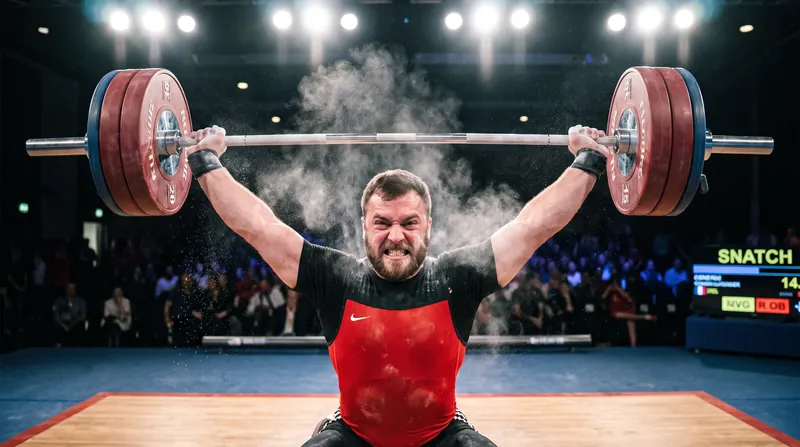
IWF Finalizes New World Standards for All Bodyweight Categories Following August Overhaul
5 sources
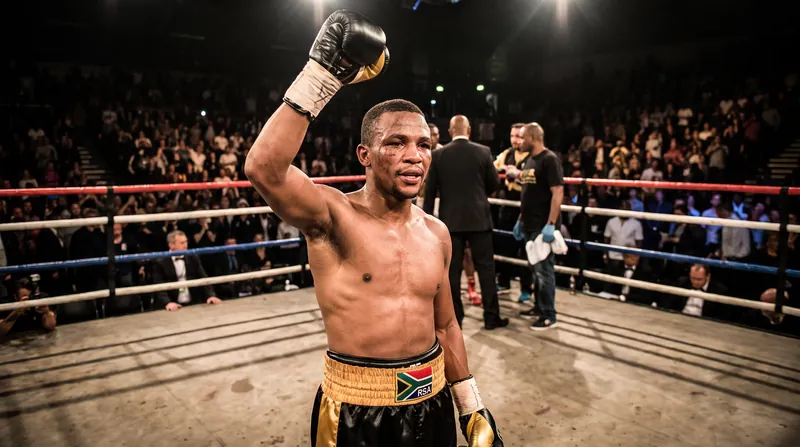
Zolani Tete
Former Boxing World Champion Zolani Tete Dies at 38 After Shooting in South Africa
6 sources
Preview
AFL Qualifying Final Preview: Fremantle and Hawthorn Collide in High-Stakes Optus Stadium Showdown
7 sources

Preview
2026 British Open Snooker Preview: Murphy Defends, Zhao Arrives as World No. 1 in Cheltenham
6 sources

Every angle. Every day.
Get sports stories with full source coverage and perspective breakdowns delivered to your inbox.