
Illinois Tollway's 2027 Rate Increase: A 45-Cent Hike and Permanent Inflation Adjustments
Starting in 2027, the Illinois Tollway will implement its first passenger rate increase in 15 years, raising I-PASS tolls by 45 cents and commercial rates by 30%. The hike funds a $26.5 billion infrastructure plan but introduces automatic inflation adjustments that will permanently alter the cost of driving through the Midwest.

Share this story
Most drivers assume a toll hike just means throwing an extra quarter in the basket or seeing a slightly higher I-PASS auto-replenish charge hit their credit card. But the reality of the Illinois Tollway's first passenger rate increase in 15 years is a fundamental restructuring of how Midwest road trips and daily commutes are funded.
When the new rates take effect on January 1, 2027, the era of static toll pricing in the region will officially end, replaced by a system designed to scale perpetually with the broader economy. For anyone planning a summer drive to the Great Lakes or a daily commute into Chicago, the baseline cost of travel is about to shift permanently.[1]
The Illinois State Toll Highway Authority Board voted unanimously in August 2026 to approve the sweeping changes, which will increase passenger vehicle tolls by 45 cents for I-PASS users at most mainline plazas. For drivers navigating the system without a transponder, the penalty doubles, adding 90 cents per toll.
The adjustment shifts the average per-mile cost for I-PASS users from roughly seven cents to 11 cents, a jump that immediately alters the math for anyone planning a cross-country drive through the Chicago transit corridor. A commuter passing through just two tolls a day for 50 weeks a year will see their annual transportation budget increase by more than $200.[3]
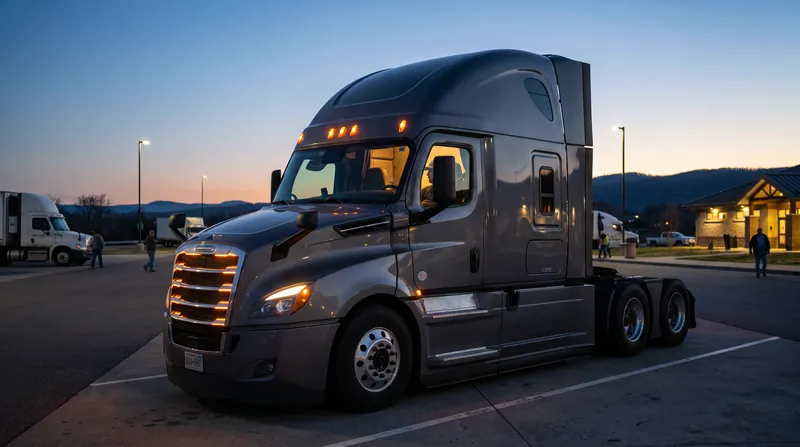
Commercial drivers face an even steeper climb, with freight tolls slated to increase by 30 percent across the board. Because the Illinois Tollway serves as a critical artery for national logistics, moving goods from Great Lakes ports to the rest of the country, this commercial hike has ripple effects far beyond the state border.
Transportation analysts note that when freight costs rise, those expenses are inevitably baked into the price of consumer goods, meaning even travelers who avoid the tollway entirely may feel the impact at the grocery store. Some logistics companies have already warned they may divert trucks to local, non-toll roads to manage the new overhead.[2]
The immediate rate hikes, however, are only the first phase of the overhaul. The most significant long-term change arrives in 2029, when the Tollway will implement automatic, inflation-linked rate adjustments every two years.
By tying the cost of driving directly to the Consumer Price Index without requiring future board approval, the state is ensuring that the tollway's revenue stream grows in lockstep with the cost of maintaining it. This mechanism removes the political friction of voting on future increases, but it also guarantees that the cost of a Midwest road trip will steadily climb for the foreseeable future.[1]
Officials point to a massive backlog of necessary improvements to justify the new pricing structure. The rate increases are the financial engine behind 'Driving Connections,' a 15-year, $26.5 billion capital program aimed at repairing aging bridges, relieving chronic congestion, and installing next-generation technology across nearly 300 miles of highway.
Without an infusion of new capital, planners argue, the system would rapidly deteriorate, leading to longer travel times and increased wear and tear on vehicles. The tollway receives no state or federal tax dollars, relying entirely on user fees to fund these massive infrastructure projects.[3]
The decision did not come without friction. During the public comment period leading up to the vote, the proposal faced significant pushback from commuter advocates and business groups. While in-person hearings drew support from engineering firms and organized labor who stand to benefit from the construction boom, online feedback was overwhelmingly negative. Critics highlighted that the tollway system already collects more revenue than it spends on basic maintenance, arguing that the new funds are essentially a tax to cover broader state budget reallocations.
Specifically, opponents pointed to recent legislative maneuvers that diverted hundreds of millions of dollars in state motor fuel tax revenue away from road repairs and toward public transit needs in the Chicago area. With that money reallocated to the Chicago Transit Authority and Metra, the Tollway was left to fill the gap through direct user fees.
For the everyday driver, this means the cost of driving is subsidizing the broader transportation ecosystem. Commuter advocates argue this dynamic unfairly penalizes suburban and rural drivers who rely on the tollway but do not utilize the urban transit networks receiving the diverted funds.[1]
Despite the sticker shock, the Illinois Tollway maintains that its system remains a relative bargain compared to other major corridors. Even at 11 cents per mile, the new passenger rate sits below the national average of 16 cents per mile for comparable toll roads.
For travelers planning their 2027 road trips, the advice is clear: ensure your I-PASS or E-ZPass is active and properly mounted, as the financial penalty for manual billing is about to become significantly more severe. The open road is still calling, but the price of admission has fundamentally changed.[1]
Key points
- Passenger vehicle tolls will increase by 45 cents for I-PASS users starting January 1, 2027.
- Commercial freight tolls will increase by 30%, raising concerns about the downstream cost of consumer goods.
- Starting in 2029, toll rates will automatically adjust every two years based on inflation.
- The hikes will fund a $26.5 billion, 15-year capital improvement program for the 300-mile system.
Open questions
- Exactly how much commercial trucks will divert to local, non-toll roads to avoid the 30% rate hike, and what impact that will have on municipal infrastructure.
- The precise percentage of the 2029 inflation adjustments, as they will depend on future economic conditions.
- Whether the automatic rate increases will face future legislative challenges if inflation spikes dramatically.
Timeline
2012
The Illinois Tollway implements its last passenger vehicle rate increase.
June 2026
Tollway officials release the initial proposal for the $26.5 billion 'Driving Connections' capital plan.
July 2026
The agency holds 13 public hearings across its 12-county service area to gather feedback on the proposed hikes.
August 19, 2026
The Tollway Board unanimously approves the rate increases and the 15-year capital program.
January 1, 2027
The new 45-cent passenger and 30% commercial rate hikes officially take effect.
2029
Automatic, inflation-based toll adjustments begin, occurring every two years.
- Infrastructure Planners
- Argue that the $26.5 billion capital plan is essential to prevent the collapse of a heavily trafficked corridor.
- Commuter Advocates
- Contend that the rate hikes place an unfair burden on everyday drivers to subsidize broader state transit shortfalls.
- Commercial Freight Operators
- Warn that a 30% increase in trucking tolls will inevitably drive up the cost of consumer goods and logistics.
Perspectives this story doesn't cover
- Local municipal leaders concerned about increased truck traffic on side roads.
- Out-of-state tourists who are unaware of the pay-by-plate penalties.
Sources
Source coverage
3 outlets
3 viewpoints surfaced



- [1]Capitol News IllinoisInfrastructure Planners
Transportation overhaul taking shape with toll increase, new board appointees
Read on Capitol News Illinois → - [2]NFIBCommercial Freight Operators
Passenger tolls will increase 57%, trucker tolls will jump 30%
Read on NFIB → - [3]NCTV17Infrastructure Planners
Illinois Tollway Board passes toll rate increase
Read on NCTV17 →
More in Travel
See all →Tire Safety
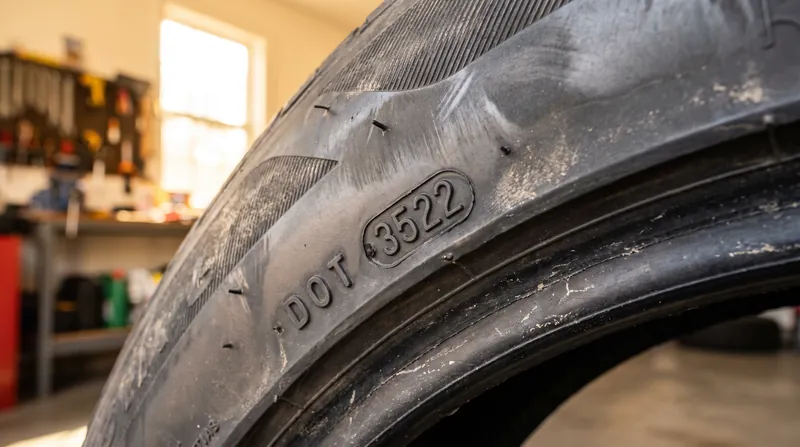
The 10-Year Rule: How the DOT Date Code on a Tire Sidewall Actually Dictates Its Maximum Safe Service Life
7 sources
Border Logistics
The 30-Day Limit: How the Carnet de Passages en Douane Actually Works for Overland Travel
5 sources

Towing Dynamics
The 10-15% Rule: How Trailer Tongue Weight Actually Prevents Sway and Dictates Safe Towing
8 sources
Foliage Science
The 45-Degree Night: How Photoperiods and Soil Moisture Actually Dictate the Fall Foliage Wave
5 sources

Comments
Every angle. Every day.
Get Travel stories with full source coverage and perspective breakdowns, free every day.