
Porsche Exits Bugatti Rimac, Selling Entire Stake to HOF Capital Consortium
Porsche is selling its 45% stake in Bugatti Rimac and its 20.6% share in Rimac Group to a US-led investment consortium, ending nearly 30 years of Volkswagen Group involvement with the Bugatti brand.
By Derya Kaplan

Share this story
For the ultra-high-net-worth collector weighing a multi-million dollar allocation, or the EV enthusiast watching top-tier battery tech trickle down to daily drivers, the ownership of a hypercar brand dictates what actually gets built. When a massive conglomerate backs a boutique marque, buyers get engineering marvels subsidized by mass-market profits. When private equity takes over, the focus shifts to profitability, exclusivity, and rapid technological deployment. That shift is now officially underway for one of the most storied names in automotive history.
Porsche has agreed to sell its entire 45 percent stake in the Bugatti Rimac joint venture, alongside its 20.6 percent share in the broader Rimac Group, to a consortium led by New York-based investment firm HOF Capital. The transaction, expected to close before the end of 2026 pending regulatory approval, effectively ends nearly 30 years of Volkswagen Group involvement with the Bugatti brand.[1]
The mechanics of the deal fundamentally restructure the top tier of the hypercar market. BlueFive Capital, a Gulf-based private investment firm, will step in as the consortium's largest investor, joined by a roster of institutional backers from the United States and the European Union. Once finalized, the Rimac Group will take full operational control of Bugatti Rimac, while HOF Capital becomes the largest external shareholder in the Rimac Group itself, sitting alongside founder and CEO Mate Rimac.[1][2]
To understand the gravity of this exit, buyers must look back to the foundation of the current Bugatti era. Volkswagen acquired the dormant French marque in 1998 under the direction of then-chairman Ferdinand Piëch. For decades, VW absorbed the immense research and development costs required to produce the quad-turbocharged, W16-powered Veyron and Chiron—vehicles widely considered to be low-margin engineering exercises designed to showcase the conglomerate's absolute technical supremacy.
By 2021, as the automotive industry pivoted aggressively toward electrification, Volkswagen sought to offload the capital-intensive brand. The solution was a joint venture: Bugatti was merged with Croatian electric hypercar startup Rimac. Porsche, already an early-stage investor in Rimac, took a 45 percent stake in the newly formed Bugatti Rimac, while the Rimac Group held the remaining 55 percent. This arrangement allowed Bugatti to access Rimac's cutting-edge EV technology while retaining Porsche's manufacturing and engineering oversight.[1]
Now, just five years later, Porsche is stepping away entirely. The decision is rooted in stark financial realities that affect every level of the automotive supply chain. Porsche's operating profit plummeted by 93 percent year-over-year, dropping from €5.64 billion in 2024 to just €0.41 billion in 2025. The automaker's profit margins shrank to 1.1 percent, battered by softening demand in China, a broader slowdown in luxury EV adoption, and the looming threat of new US tariffs.[2]
Faced with these headwinds, Porsche is executing a defensive consolidation. "Now, with the sale of our stake, we demonstrate that we will focus Porsche on the core business," said Porsche AG CEO Dr. Michael Leiters. The company had previously committed €15 billion to electrification between 2020 and 2025, and divesting from niche hypercar ventures frees up critical capital to defend its primary sports car and SUV lines.[1]
For Mate Rimac, the 30-something founder who started building electric powertrains in his garage, the deal represents a total victory. Rimac Group now operates without the bureaucratic oversight of the Volkswagen Group. "With the strong foundations their support has provided, we now have a structure that allows us to execute even faster on our long-term vision," Rimac noted following the announcement.[2]
The immediate product roadmap for both brands appears secure, which should reassure current allocation holders. Bugatti recently unveiled the Tourbillon, a hybrid hypercar featuring a naturally aspirated V16 engine paired with Rimac-developed electric motors, proving that the technological marriage between the two companies has already borne fruit. Meanwhile, Rimac continues to produce its all-electric Nevera and expand its Tier-1 supplier business, providing battery and drivetrain technology to other major automakers.
However, the long-term implications of private equity ownership introduce new variables for collectors. Institutional investors typically demand aggressive returns on their capital. While Volkswagen was willing to run Bugatti as a loss-leading prestige project, HOF Capital and BlueFive will likely push for expanded profitability. This could manifest in higher production volumes, more frequent special editions, or an accelerated push into new vehicle segments—strategies that can sometimes dilute a brand's ultra-exclusive cachet.
There is also the question of engineering depth. Bugatti's legendary reliability at speeds exceeding 250 mph was underwritten by Volkswagen's vast testing infrastructure, including the Ehra-Lessien proving ground. Operating independently, Rimac Group will need to fund and execute its own extreme-stress validation programs, a massive capital undertaking that the new investment consortium will have to support.
Ultimately, the sale marks the end of an era where legacy automakers subsidized the extreme fringes of automotive performance. As Bugatti and Rimac move forward under independent, private-equity-backed control, the hypercar market is entering a new phase—one where technological agility and strict financial viability must coexist at the very pinnacle of the industry.
Viewpoints in depth
Corporate Strategists
Analysts focused on Porsche's balance sheet and the broader luxury auto market.
From a corporate finance perspective, Porsche's exit is a necessary defensive maneuver. Analysts note that the automaker's 93 percent drop in operating profit has forced a harsh reevaluation of its portfolio. By selling its stakes in Bugatti Rimac, Porsche monetizes a successful early-stage investment exactly when it needs cash to defend its core 911, Macan, and Cayenne lines against softening Chinese demand and new international tariffs. To these strategists, funding a boutique hypercar brand is a luxury Porsche can no longer afford.
Hypercar Collectors
Buyers and enthusiasts invested in Bugatti's heritage and engineering pedigree.
For the collector market, the departure of the Volkswagen Group introduces a layer of anxiety. Bugatti's modern reputation was built on VW's willingness to lose money in pursuit of absolute engineering perfection, utilizing vast corporate resources like the Ehra-Lessien test track. Collectors worry that private equity ownership, driven by HOF Capital and BlueFive, will prioritize aggressive financial returns over uncompromising engineering, potentially leading to increased production volumes that dilute the brand's ultra-exclusive cachet.
EV Technology Advocates
Proponents of Rimac's role as a leading supplier of high-performance electric drivetrains.
Technology advocates view the deal as a massive win for Mate Rimac and the future of electric mobility. Unshackled from legacy automaker bureaucracy, Rimac Group can now operate with the agility of a well-funded tech startup. Proponents argue that the influx of institutional capital will allow Rimac to rapidly scale its Tier-1 supplier business, accelerating the trickle-down of hypercar-level battery and motor technology to mass-market electric vehicles.
Key points
- Porsche is selling its 45% stake in Bugatti Rimac and its 20.6% stake in Rimac Group.
- A consortium led by New York-based HOF Capital and Gulf-based BlueFive Capital is acquiring the shares.
- The deal ends nearly 30 years of Volkswagen Group's financial involvement with the Bugatti brand.
- Rimac Group will take full operational control of Bugatti Rimac once the deal closes in late 2026.
What we don’t know
- The exact financial terms of the sale, though early reports valued the joint venture at over €1 billion.
- How Bugatti will replace the vast testing and validation infrastructure previously provided by the Volkswagen Group.
- Whether the new private equity owners will push to increase Bugatti's strictly limited production volumes to boost profitability.
How we got here
1998
Volkswagen Group acquires the Bugatti brand under the direction of Ferdinand Piëch.
November 2021
Porsche and Rimac Group form the Bugatti Rimac joint venture, merging the historic brand with EV technology.
April 2026
Porsche agrees to sell its entire stake in the joint venture to a consortium led by HOF Capital.
- Corporate Strategists
- Analysts focused on Porsche's balance sheet and the broader luxury auto market.
- Hypercar Collectors
- Buyers and enthusiasts invested in Bugatti's heritage and engineering pedigree.
- EV Technology Advocates
- Proponents of Rimac's role as a leading supplier of high-performance electric drivetrains.
Perspectives this story doesn't cover
- Employees at Bugatti's Molsheim assembly plant regarding potential changes in production culture.
- Volkswagen Group executives on the final closure of Ferdinand Piëch's legacy project.
Sources
Source coverage
2 outlets
3 viewpoints surfaced


- [1]BugattiEV Technology Advocates
Porsche agrees to sell its equity stakes in Bugatti Rimac and Rimac Group to a consortium led by HOF Capital
Read on Bugatti → - [2]QuartzCorporate Strategists
Porsche has agreed to fully exit Bugatti Rimac
Read on Quartz →
More in Automotive & Transportation
See all →Transmission Tech
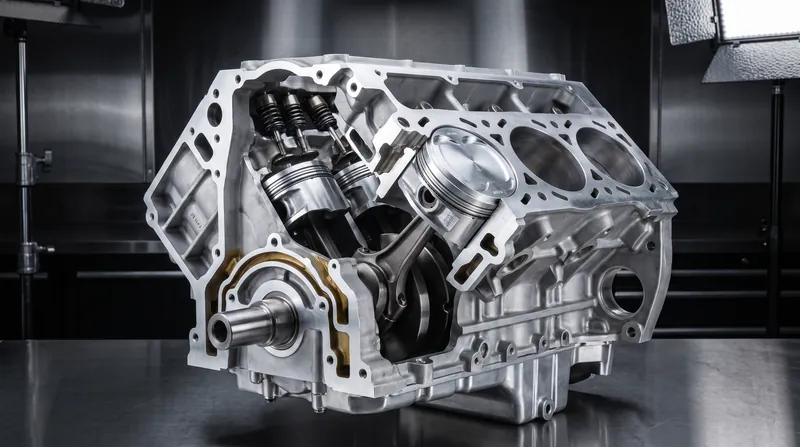
Dual-Clutch Transmissions Split Odd and Even Gears to End Torque Interruption
6 sources

Active Aero
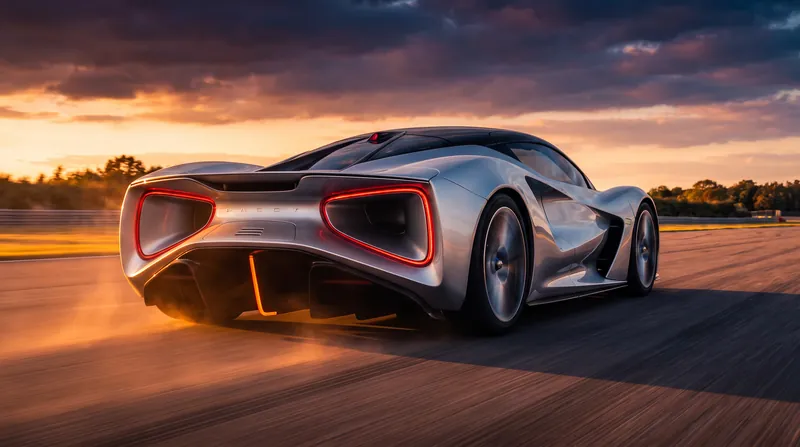
How Active Aerodynamics Are Replacing Fixed Wings on Electric Supercars
6 sources
Engine Chemistry
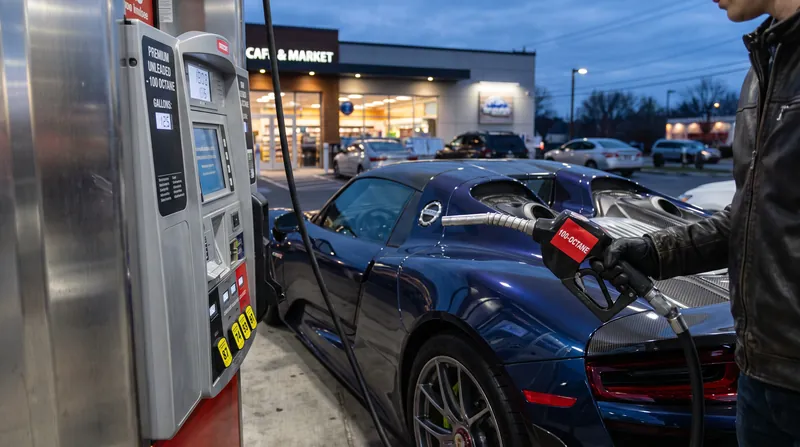
Why High-Compression Supercar Engines Require 100-Octane Fuel to Prevent Catastrophic Knock
6 sources
Engine Lubrication
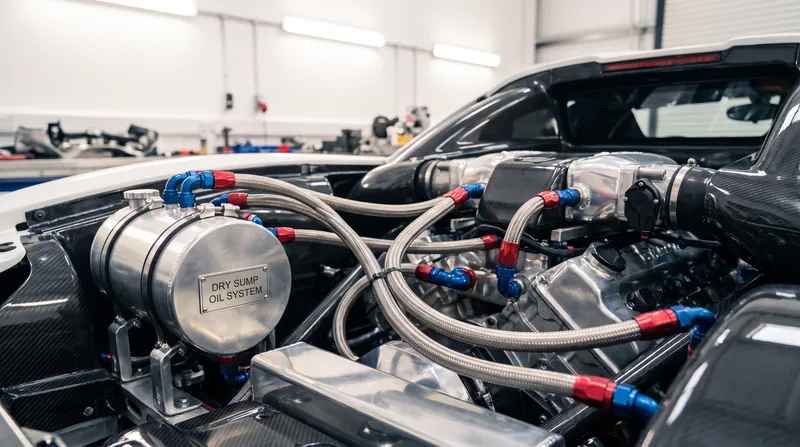
Dry-Sump vs. Wet-Sump: How High-Performance Engines Prevent Oil Starvation Under High G-Forces
4 sources
Comments
Every angle. Every day.
Get Automotive & Transportation stories with full source coverage and perspective breakdowns, free every day.