
Leveraged AI Hedge Fund 'Situational Awareness' Collapses, Forcing Liquidation and Sector Sell-Off
The $45 billion AI-focused hedge fund managed by Leopold Aschenbrenner lost an estimated 77% of its value in days after highly leveraged bets on infrastructure stocks triggered massive margin calls. Citadel intervened to purchase the bulk of the fund's public equity portfolio in a discounted block trade.
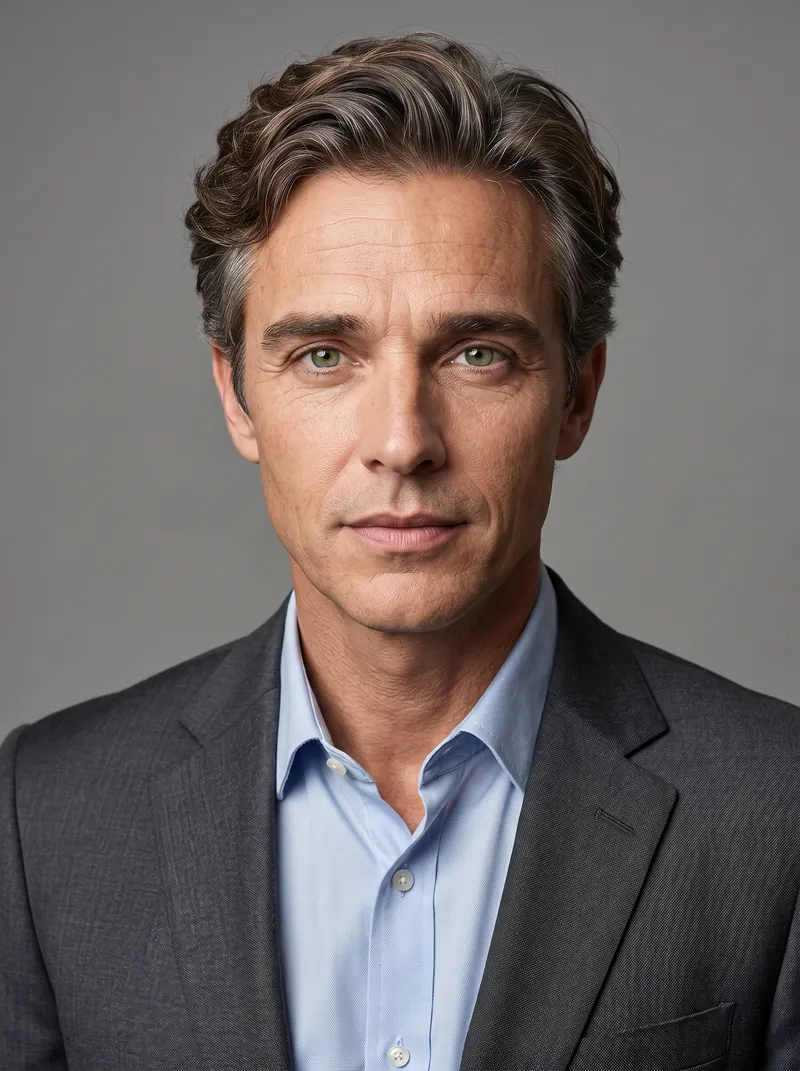
- Risk Management Critics
- Financial analysts argue the collapse was a predictable result of excessive leverage.
- AI Infrastructure Bulls
- Tech investors maintain that the underlying demand for AI computing power remains robust.
- Distressed Asset Buyers
- Institutional market makers view such liquidations as opportunities to acquire premium assets at steep discounts.
Why this matters
The rapid implosion of one of the most prominent AI-focused hedge funds exposes the hidden leverage fueling the tech sector's massive rally. The forced liquidation not only exacerbated the recent sell-off in semiconductor stocks but also signals a likely tightening of credit from prime brokers, which could constrain future capital flows into artificial intelligence infrastructure.
Key points
- Situational Awareness, a $45 billion AI hedge fund, lost an estimated 77% of its value in a matter of days.
- The fund faced massive margin calls after highly leveraged bets on memory chip makers SanDisk and Micron soured.
- Ken Griffin's Citadel intervened to purchase roughly $16 billion of the fund's public equities in a discounted block trade.
- The forced liquidation exacerbated a broader market sell-off across the semiconductor and AI infrastructure sectors.
- Prime brokers are expected to tighten margin requirements for concentrated tech portfolios in response to the collapse.
Situational Awareness, the high-flying artificial intelligence hedge fund managed by 25-year-old former OpenAI researcher Leopold Aschenbrenner, has collapsed under the weight of massive leverage and a sudden tech sell-off, forcing a historic liquidation. The fund, which managed approximately $45 billion at its peak, saw an estimated 77 percent of its public equity value wiped out in a matter of days. The implosion marks one of the most dramatic wealth destruction events in recent financial history, abruptly ending a meteoric rise that had captivated Silicon Valley and Wall Street alike.[1][5][6]
As the fund's positions cratered, Ken Griffin's Citadel intervened to purchase the bulk of the firm's public equity portfolio in a deeply discounted block trade. The transaction, valued at roughly $16 billion, was executed during a frantic 72-hour deleveraging process orchestrated by major prime brokers. By absorbing the massive offload, Citadel effectively bailed out the distressed fund and prevented a wider, uncontrolled contagion across the broader stock market. The move aligns with Griffin's historical playbook of stepping in during times of extreme market distress to acquire high-quality assets at a steep discount, cementing one of the largest rapid hedge fund rescues on record.[4][6]
The implosion of the $45 billion fund serves as a stark warning about the hidden leverage fueling Wall Street's artificial intelligence boom. Aschenbrenner's fund had borrowed heavily—reportedly utilizing up to four times its underlying equity—to concentrate massive bets on AI infrastructure and memory chip manufacturers. While this aggressive financial engineering amplified the fund's gains during the market's upward trajectory, it left the portfolio acutely vulnerable to even a moderate market correction, transforming a routine sector pullback into an existential crisis.[1][2][6]
The fund had piled aggressively into the 'picks and shovels' of the AI revolution, with memory chip makers SanDisk and Micron representing more than $11 billion in long exposure by the end of June. Additional heavy positions included infrastructure providers like Broadcom and CoreWeave. When the trade cracked in late July amid growing skepticism over immediate AI monetization, shares of those core holdings plummeted. The sudden drop triggered a cascade of margin calls from lenders that Situational Awareness simply could not meet, forcing the immediate liquidation of its public book.[3][6]
Additional heavy positions included infrastructure providers like Broadcom and CoreWeave.
The collapse was as rapid as the fund's meteoric rise. Founded in the summer of 2024, the firm was named after Aschenbrenner's viral 165-page essay predicting the arrival of artificial general intelligence by 2027. Backed by prominent tech billionaires, including Stripe founders Patrick and John Collison, the fund had posted a staggering 439 percent return in the first half of 2026. That unprecedented success attracted billions in fresh capital from elite financial institutions, masking the extreme structural risks embedded in the portfolio's design.[1][5]
Veteran market analysts noted that the fund's extreme conviction ultimately became its undoing. While a traditional, unlevered investor can comfortably wait out a 30 percent drop in a high-conviction stock, a fund levered four-to-one loses its equity entirely during a similar decline. Once that threshold is crossed, control of the portfolio transfers to prime brokers who force capitulation regardless of the manager's long-term thesis. The structural reality of borrowed money meant that Situational Awareness ran out of time before its predictions could materialize.[2][6]
In a sobering letter to investors following the liquidation, Aschenbrenner acknowledged the catastrophic failure, writing simply, 'We let you down this month.' While the fund retains some illiquid private stakes in AI startups such as Anthropic, its dominance in the public markets has been entirely erased. The sudden destruction of billions in investor capital has left Wall Street scrambling to reassess the hidden risks embedded in the broader AI trade, questioning how many other funds might be operating with similar leverage.[1][4][6]
The forced selling by Situational Awareness directly exacerbated the broader sell-off in semiconductor stocks, as algorithmic traders and rival funds smelled blood and capitalized on the distress. The episode is now prompting major prime brokers to strictly reassess the margin they extend to concentrated technology portfolios. As regulators and risk managers dissect the wreckage, the collapse signals a definitive end to the era of unchecked leverage in the AI sector, forcing investors to confront the fragile foundations of the market's most lucrative trade.[2][6]
Sources
Source coverage
6 outlets
3 viewpoints surfaced






- [1]ForbesRisk Management Critics
Situational Awareness collapsed from $45 billion to $10 billion
Read on Forbes → - [2]SubstackRisk Management Critics
The Situational Awareness Fund Blow-up: Collateral Damage from Investment Conviction!
Read on Substack → - [3]24/7 Wall St.AI Infrastructure Bulls
The $45 Billion Fund Went All-In on AI Memory
Read on 24/7 Wall St. → - [4]CalcalistechDistressed Asset Buyers
Leopold Aschenbrenner's hedge fund, Situational Awareness, is closing most of its positions
Read on Calcalistech → - [5]WikipediaAI Infrastructure Bulls
Leopold Aschenbrenner
Read on Wikipedia → - [6]Unbiased AlphaRisk Management Critics
At the end of July 2026, the most dramatic collapse ever recorded in an AI-focused hedge fund took place
Read on Unbiased Alpha →
Comments

Every angle. Every day.
Get finance stories with full source coverage and perspective breakdowns delivered to your inbox.