
Congress Delays FDA Food Traceability Rule to 2028: What It Means for Kitchen Food Safety
With federal lot-level tracking for high-risk foods paused until 2028, consumers can adopt simple kitchen strategies to protect themselves during outbreaks. Here is how to handle the FDA's Food Traceability List at home.
By Kabir Mehra

- Consumer Safety Advocates
- Argue that the delay leaves the public vulnerable and that the technology for rapid traceability already exists.
- Food Industry & Distributors
- Argue that the complex data requirements necessitate a longer runway to prevent supply chain disruptions.
Summary
- Congress has prohibited the FDA from enforcing the FSMA 204 Food Traceability Rule until July 2028.
- The rule was designed to require lot-level tracking for high-risk foods to speed up outbreak investigations.
- The FDA's Food Traceability List includes leafy greens, soft cheeses, seafood, nut butters, and deli salads.
- Consumers should wash all whole produce, even items with inedible rinds, to prevent cross-contamination.
- Soft cheeses and deli salads must be kept at or below 40°F and discarded if left at room temperature for over two hours.
- Transferring high-risk pantry items to aesthetic containers should always include saving the original lot code.
When a foodborne illness outbreak hits the news, the first question in any kitchen is immediate and urgent: is the food sitting in my refrigerator safe to eat? For years, the answer has depended on a frustrating patchwork of voluntary corporate recalls, vague regional warnings, and frantic barcode checking at the kitchen counter. Consumers are left parsing complicated press releases to figure out if their specific bag of spinach or tub of potato salad is part of a national health alert. The anxiety is a direct result of a supply chain that often loses track of exactly where a specific batch of food originated once it gets mixed into the massive national distribution network. A federal solution designed to provide instant, precise answers to that question was supposed to take effect early this year, promising to turn a weeks-long investigative process into a 24-hour data pull.[4]
That federal solution has now been officially pushed back, leaving consumers to manage the risks themselves for another two years. In a legislative move that ended the historic government shutdown in November 2025, Congress passed an appropriations bill that explicitly prohibits the Food and Drug Administration from enforcing the Food Safety Modernization Act (FSMA) Section 204 traceability rule until July 20, 2028. Originally slated for enforcement in January 2026, the rule was designed to force the entire food supply chain to maintain standardized, lot-level records for the most vulnerable grocery items. The congressional delay comes just months after a massive cyclosporiasis outbreak linked to leafy greens sickened more than 24,000 people and killed two across the American Midwest, an event that food safety advocates argue could have been contained much faster if the traceability rule had been active.[1][2][4]
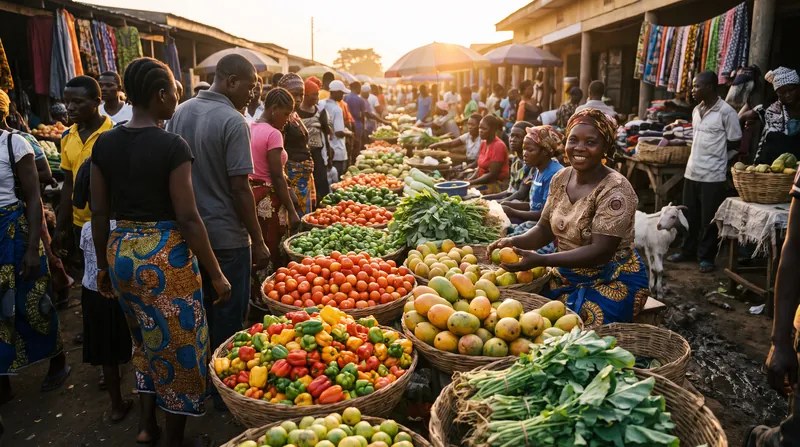
The core of the delayed rule is a document known as the Food Traceability List, a specific inventory of foods the FDA has identified as carrying the highest statistical risk of contamination and illness. Because the federal mandate is paused, the responsibility of managing these high-risk items shifts back to the consumer's kitchen. Fresh produce dominates this list, with leafy greens, melons, tomatoes, cucumbers, and fresh-cut fruits featured prominently. These items are particularly vulnerable because they are grown close to the ground, exposed to agricultural runoff, and almost always consumed raw, meaning there is no "kill step" like cooking to eliminate pathogens. For home cooks, this means treating raw produce with the same defensive mindset usually reserved for raw poultry.[5][6][7]
To manage this risk at home, food safety experts recommend adopting strict handling protocols for anything on the FDA's list. All whole produce must be washed under running water before preparation—even if you plan to peel it. When a knife slices through the unwashed rind of a cantaloupe or a papaya, it drags surface bacteria directly into the edible flesh. Furthermore, cross-contamination remains a primary vector for illness in the home kitchen. Cutting boards used for fresh produce should be entirely separate from those used for raw meats, and pre-washed bagged salads should be kept sealed until the moment they are served to prevent environmental exposure in the refrigerator.[5]
To manage this risk at home, food safety experts recommend adopting strict handling protocols for anything on the FDA's list.
Beyond fresh produce, soft cheeses and ready-to-eat deli salads are heavily featured on the FDA's traceability list. Unlike hard, aged cheeses like parmesan or cheddar, soft cheeses such as queso fresco, brie, ricotta, and cream cheese have a high moisture content and lower acidity. This makes them an ideal environment for Listeria monocytogenes, a resilient bacterium that can survive and even multiply at standard refrigerator temperatures. The FDA also flagged deli salads—including potato, egg, and pasta salads—because they involve multiple handled ingredients and are often held in display cases for extended periods before being packaged for the consumer.[5][6]
Consumers purchasing these high-moisture dairy and deli items must strictly observe "use-by" dates, treating them as hard safety deadlines rather than mere suggestions of peak quality. It is also critical to verify that the home refrigerator is maintaining a temperature at or below 40 degrees Fahrenheit (4 degrees Celsius), which significantly slows bacterial growth. If a soft cheese or deli salad is left out on a counter during a party or a picnic for more than two hours—or just one hour if the ambient temperature is above 90 degrees—it should be discarded immediately, regardless of how fresh it looks or smells.[5]
Seafood represents another major category on the FDA's high-risk list, specifically histamine-producing finfish like tuna and mahi-mahi, as well as bivalves like oysters and clams. The federal traceability rule aimed to track these items through every single handoff in the supply chain to prevent temperature abuse, which can cause finfish to develop dangerous levels of scombrotoxin that cannot be destroyed by cooking. When buying seafood, consumers should ensure it is displayed on a thick bed of fresh, non-melting ice, and transport it home in an insulated cooler bag. Once in the kitchen, seafood should be cooked or frozen within two days of purchase to mitigate the risk of toxin development.[5][6]
Nut butters, including peanut, almond, and cashew butter, are also flagged on the traceability list due to a history of severe Salmonella outbreaks. Because these products are shelf-stable and typically consumed over long periods, a single contaminated jar can pose a prolonged, recurring risk to a household. While the FDA waits for the 2028 enforcement date, consumers can create their own traceability habit: never transfer high-risk foods into unmarked aesthetic kitchen containers without cutting out and taping the original lot code and expiration date to the bottom of the new bin. If a recall is eventually announced, that specific string of numbers is the only definitive way to know if your pantry is affected.[5][6]
Despite the federal delay, some major players in the food industry are not waiting for 2028 to implement these safety measures. Massive retailers like Walmart began enforcing their own strict supplier traceability requirements in August 2025, assessing chargebacks to suppliers who fail to provide lot-level data with their shipments. This means that portions of the supply chain are already capturing the exact data the FDA wants, even if the government is not yet collecting it. Until the federal deadline finally arrives, treating the FDA's Food Traceability List as a personal kitchen guide can help bridge the gap between regulatory delays and everyday food safety, giving consumers the tools to protect themselves when the system cannot.[8]
Definitions
- Food Traceability List (FTL)
- A specific inventory of foods identified by the FDA as carrying the highest risk for foodborne illness, requiring enhanced tracking.
- FSMA 204
- Section 204 of the Food Safety Modernization Act, which mandates standardized recordkeeping for high-risk foods.
- Lot Code
- A unique string of numbers and letters assigned to a specific batch of a product, used to track it through the supply chain.
- Cross-Contamination
- The physical transfer of harmful bacteria from one food, surface, or utensil to another.
Questions & answers
Why was the FDA traceability rule delayed?
Congress passed an appropriations bill in November 2025 that prohibited the FDA from spending funds to enforce the rule before July 2028, following industry concerns about the complexity of implementing the required data systems.
Which foods are considered the highest risk?
The FDA's Food Traceability List highlights fresh produce (especially leafy greens and melons), soft cheeses, ready-to-eat deli salads, nut butters, and certain types of seafood.
How can I protect myself during an outbreak?
Wash all produce thoroughly, strictly observe use-by dates on soft cheeses and deli salads, and always save the lot code when transferring pantry items like nut butters into storage containers.
Significance
The federal delay means that during a foodborne illness outbreak, identifying contaminated groceries will continue to be a slow, manual process. By treating the FDA's high-risk list as a personal handling guide, you can proactively protect your household from the most common sources of contamination.
Sources
Source coverage
8 outlets
2 viewpoints surfaced








- [1]Food Safety MagazineFood Industry & Distributors
FSMA 204 Delays, Congressional Provisions to 'Weaken' Rule
Read on Food Safety Magazine → - [2]The GuardianConsumer Safety Advocates
US law to investigate foodborne illness outbreaks has been delayed for 15 years
Read on The Guardian → - [3]FreshByteFood Industry & Distributors
FSMA 204 Enforcement Pushed to 2028 — What Wholesale Distributors Should Do Right Now
Read on FreshByte → - [4]Marler BlogConsumer Safety Advocates
Congress Told the FDA to Write the Food Traceability Rule by January 2013. Enforcement Now Begins in July 2028.
Read on Marler Blog → - [5]FDA
Food Traceability List
Read on FDA → - [6]Bold VAN
Quick Answer: Foods on the Food Traceability List
Read on Bold VAN → - [7]National Restaurant Association
Foods on the Traceability List
Read on National Restaurant Association → - [8]iNECTAFood Industry & Distributors
FSMA 204 turns that question from a recordkeeping concern into an operational data problem
Read on iNECTA →
Comments
Every angle. Every day.
Get food drink stories with full source coverage and perspective breakdowns delivered to your inbox.