
NCAA Swimming Roster Moves: Major Transfers, Coaching Shifts, and Nike's Inaugural NIL Class
A flurry of late-summer transfers and a landmark 18-athlete NIL deal from Nike Swim are reshaping the collegiate swimming landscape ahead of the 2026–2027 season.

- NCAA Athletes & Transfers
- Athletes are leveraging the transfer portal and expanded eligibility to maximize their competitive fit and financial opportunities.
- Corporate Sponsors
- Brands are recognizing the untapped marketing potential of Olympic-sport athletes with high social media engagement.
- Collegiate Programs
- Coaches and athletic departments are adapting to a new era of roster management, unlimited transfers, and revenue sharing.
The NCAA swimming landscape is undergoing a massive late-summer realignment as the 2026–2027 season approaches, driven by a flurry of high-profile transfers and a landmark Name, Image, and Likeness (NIL) investment. With the transfer portal remaining highly active through August, powerhouse programs are retooling their rosters while athletes capitalize on newly expanded financial opportunities.[1][2][3]
The most significant financial shockwave came from Nike Swim, which announced its inaugural NIL class of 18 NCAA aquatic athletes on July 29. The historic signing spree—part of a broader 37-athlete push by Nike across multiple sports in just 13 days—represents one of the largest single-day corporate investments in collegiate swimming and diving to date.[1]
The Nike Swim roster features 12 swimmers, five divers, and one water polo player, heavily concentrated in the SEC and other major conferences. Headliners include Virginia's Leah Hayes, a World Championship bronze medalist, Texas distance champion Jillian Cox, and Missouri platform diver Derek Colbert. The move signals a major shift in how brands value Olympic sports, prioritizing athletes with high social engagement and national-level credentials over traditional television ratings.[1]
Alongside the NIL boom, the transfer portal has seen significant August activity as swimmers finalize their destinations for the fall semester. The University of Louisville bolstered its sprint group by adding Mary Clarke, a 2026 NCAA relay swimmer who transferred from Pitt. Clarke, who swam on all three freestyle relays for the Panthers at the NCAA Championships, helps fill the void left by graduating seniors in the Cardinals' sprint lineup.[2]
Alabama also made a major sprint acquisition, landing Zara Zallen from Missouri. Zallen, a two-time NCAA qualifier who reached the preliminaries in the 100-yard freestyle and 100-yard breaststroke this past March, brings immediate relay value to a Crimson Tide team that finished fourth at the 2026 SEC Championships.[3]
Alabama also made a major sprint acquisition, landing Zara Zallen from Missouri.
Other notable moves include Arizona State picking up transfer August Vetsch from Cal, and Michigan adding 2025 NCAA runner-up Jaxon Bowshire from Texas A&M. The portal activity reflects a broader trend of athletes leveraging the NCAA's immediate eligibility rules to find better competitive fits or maximize their exposure ahead of the 2028 Los Angeles Olympics cycle.[6]
Coaching staffs are also restructuring to navigate the new era of roster management. At Missouri, the swimming and diving program finalized an organizational shift this week. Andrew Grevers was elevated to Director of Swimming and Diving, while Alec Hayden was promoted to Head Coach of Swimming. The moves aim to streamline leadership after a season that saw the Tigers produce their first-ever NCAA diving champion.[4]
Meanwhile, programs like Northwestern are leaning on continuity. The Wildcats announced their 2026–2027 team captains this week, returning a veteran core that includes NCAA qualifiers Aaron Baltaytis and Joshua Staples. Benefiting from expanded NCAA eligibility rules, Northwestern returns nine athletes who opted to use their remaining years of eligibility, providing stability amidst the national transfer churn.[5]
The backdrop to this unprecedented player movement is the 2025 House v. NCAA settlement, which paved the way for direct revenue sharing at opt-in Division I schools. While football and basketball dominate the revenue-sharing pools, the settlement also eliminated athletic scholarship limits and established new roster caps.[1]
For women's swimming and diving, the athletic scholarship limit increased from 14 to 30, effectively doubling the available financial aid at fully funded programs. This structural change gives coaches more ammunition to recruit top transfers and retain veteran talent, fundamentally altering how college swimming rosters are built.[1]
For international athletes, however, the new financial landscape remains complicated. Swimmers on F-1 student visas are still strictly prohibited from "active employment" on American soil, meaning they must navigate complex compliance rules or wait until they travel home to execute the promotional work required by their NIL contracts.[1]
Key takeaways
- Nike Swim announced an inaugural NIL class of 18 NCAA aquatic athletes, signaling major corporate investment in the sport.
- The transfer portal remains highly active, with notable sprint additions at Louisville (Mary Clarke) and Alabama (Zara Zallen).
- Coaching staffs at programs like Missouri are restructuring to manage the complexities of modern roster building.
- The House v. NCAA settlement has increased women's swimming scholarship limits from 14 to 30.
- International athletes still face significant hurdles in monetizing their NIL due to F-1 visa restrictions.
Background
2025
The House v. NCAA settlement paves the way for direct revenue sharing and eliminates athletic scholarship limits.
July 29, 2026
Nike Swim announces its inaugural NIL class of 18 NCAA aquatic athletes.
August 2026
A wave of late-summer transfers, including Mary Clarke to Louisville and Zara Zallen to Alabama, reshapes rosters ahead of the fall semester.
Sources
Source coverage
6 outlets
3 viewpoints surfaced




- [1]RallyFuelCorporate Sponsors
Nike NIL 2026: 37 Athletes in 13 Days, From High School Quarterbacks to NCAA Swim Champions
Read on RallyFuel → - [2]SwimSwamNCAA Athletes & Transfers
2026 NCAA Relay Swimmer Mary Clarke Transferring From Pitt To Louisville
Read on SwimSwam → - [3]SwimSwamNCAA Athletes & Transfers
2026 NCAA Qualifier Zara Zallen Transferring From Mizzou To Alabama
Read on SwimSwam → - [4]MUTigers.comCollegiate Programs
Swimming and Diving Finalizes New Titles for 2026-27 Season
Read on MUTigers.com → - [5]The Daily NorthwesternCollegiate Programs
Swimming and Diving: Northwestern returns veteran roster after 2026 postseason success
Read on The Daily Northwestern → - [6]SwimSwamNCAA Athletes & Transfers
2026 NCAA Diving Transfer Roundup: July Edition
Read on SwimSwam →
Comments
More in sports
See all →Preview
Hawthorn Chases Top-Four Finish and Percentage Boost in High-Stakes Clash Against West Coast
7 sources

Preview
2026 Wuhan Open Preview: Xiao Guodong Chases Hat-Trick as World No. 1 Race Heats Up
6 sources
Recap
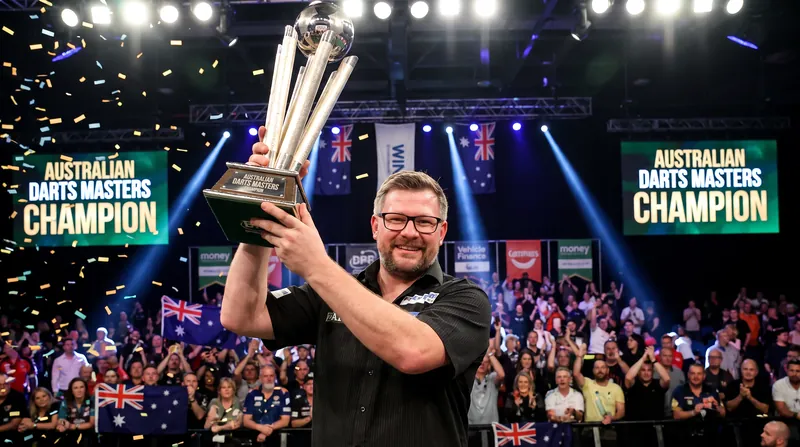
James Wade Ends Five-Year Televised Title Drought with Australian Darts Masters Victory
2 sources
Storyline
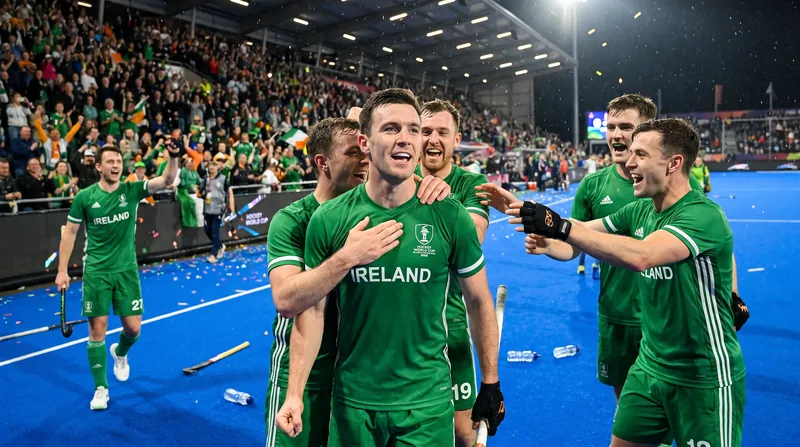
Jonny Lynch's First-Half Hat-Trick Powers Ireland Past Malaysia in Historic World Cup Run
6 sources
Every angle. Every day.
Get sports stories with full source coverage and perspective breakdowns delivered to your inbox.