
Renewables Surpass Natural Gas as US's Largest Electricity Source for First Time
In a historic milestone for the American power grid, renewable energy sources generated more electricity than natural gas across the United States in March 2026.

Share this story
For the first time in American history, renewable energy sources have eclipsed natural gas to become the single largest source of electricity on the United States grid. Over the course of March 2026, a combination of solar, wind, hydroelectric, and bioenergy facilities pumped more power into the nation's transmission lines than the fossil fuel that has dominated the energy landscape for the past decade.
The crossover marks a monumental milestone in the country's transition away from carbon-intensive power, proving that clean energy technologies can shoulder the primary load of the world's largest economy.[1][2]
The data, compiled by the global energy think tank Ember, reveals a razor-thin but highly symbolic margin. Clean energy accounted for 35 percent of the total U.S. electricity supply last month, edging out natural gas, which provided 34 percent. When combined with nuclear power, emissions-free sources generated more than half of the nation's electricity. Wind and solar power alone were responsible for 26 percent of the country's total generation, making it the cleanest month on record for the American power supply.[3]
To understand the magnitude of this shift, one must look at the historical context of the U.S. grid. For decades, coal was the undisputed king of American electricity. As hydraulic fracturing unlocked vast domestic reserves in the 2010s, natural gas rapidly displaced coal, prized for its lower cost, flexibility, and relatively lower carbon emissions. Natural gas became the bedrock of the modern grid, and surpassing it was long considered a distant, perhaps decades-away goal for the renewable sector.[2][3]
Energy economists are quick to point out that March is uniquely positioned for such a milestone due to seasonal weather patterns. March is widely known in the energy industry as a "shoulder month." Mild spring temperatures across the country typically blunt the need for both residential heating and air conditioning, causing overall electricity demand to dip.
Simultaneously, spring brings optimal conditions for renewable generation: strong, consistent winds and increasingly longer, sunnier days. As demand drops, grid operators naturally ramp down the most expensive fuel sources first, which often means curtailing natural gas.[2]
However, dismissing the milestone as a mere seasonal fluke ignores the massive structural transformation occurring beneath the surface. Data released by the U.S. Energy Information Administration (EIA) confirms that the surge is part of a sustained trend. During the first third of 2026, renewables accounted for a staggering 30 percent of total U.S. electrical generation, up from 27.8 percent during the same period the previous year.[4][5]
This growth is being driven by a relentless, year-over-year expansion of utility-scale solar and wind installations. Between May 2025 and April 2026, the installed capacity of utility-scale solar increased by more than 27,000 megawatts, while wind and small-scale solar added roughly 12,000 megawatts combined. The sheer volume of new steel in the ground and silicon in the sun is fundamentally altering the daily operational math of regional grid operators.[4]
The traditional vulnerability of renewable energy has always been its intermittency—the fact that solar panels only produce power when the sun shines, and turbines only spin when the wind blows.
To maintain a stable grid, operators have historically relied on "dispatchable generation," power plants that can be turned on or off at a moment's notice, a role perfectly suited for natural gas. But the rapid deployment of utility-scale battery energy storage systems is beginning to bridge that gap, allowing operators to store midday solar gluts and discharge the power after sunset.[1][4]
The renewable milestone is even more remarkable because it occurred against a backdrop of surging overall electricity demand. For the better part of two decades, U.S. power consumption remained relatively flat, thanks to sweeping advancements in energy efficiency, LED lighting, and improved appliance standards. That era of flat demand is definitively over, complicating the transition away from fossil fuels.[2]
The resurgence in demand is being driven by a confluence of macroeconomic factors: a manufacturing renaissance spurred by federal industrial policy, the steady electrification of the transportation sector via electric vehicles, and, most significantly, the explosive growth of artificial intelligence. Tech companies are building massive, power-hungry data centers at an unprecedented rate, and these facilities require enormous amounts of continuous, reliable electricity.[2][7]
This surging demand creates a complex paradox for the energy transition. While natural gas is losing its percentage share of the overall electricity mix to renewables, the absolute volume of natural gas being burned to generate power is actually increasing in some regions. The EIA projects that natural gas-powered generation will continue to grow through 2050 simply because the pie of total electricity demand is expanding so rapidly.[6][7]
The tension between adding clean energy and maintaining grid reliability under soaring demand is forcing difficult decisions. In some regions, grid operators and utilities are delaying the planned retirements of aging coal and gas power plants. Last year, the total coal capacity retired in the U.S. was the lowest in 15 years, and several plants had their operating lives extended specifically to ensure there is enough dispatchable power to keep the lights on during extreme weather events or demand spikes.[2]
The renewable sector's momentum is also navigating a shifting political and regulatory landscape. The milestone comes despite recent federal policy changes, including the One Big Beautiful Bill Act of 2025, which began phasing out certain subsidies for intermittent wind and solar technologies. Yet, the data suggests that the clean energy transition has achieved a level of critical mass that insulates it from immediate political headwinds.[3][6]
"Most of the growth in renewable power we've seen come online in the past year reflects decisions that were made years ago," noted energy economists analyzing the Ember data. The shift is increasingly driven by pure market economics rather than government mandates. In many parts of the country, building a new solar or wind farm is now objectively cheaper than operating an existing coal plant or building a new natural gas facility.[3]
Looking ahead, the pipeline of new power generation heavily favors clean energy. According to the EIA, solar, wind, and battery storage will account for an overwhelming 93 percent of all new power capacity added to the U.S. grid this year. As these projects come online, they will continue to eat into the market share of fossil fuels, pushing the grid closer to decarbonization.[2][6]
Energy analysts caution that natural gas will likely reclaim its top spot during the peak summer months. When intense heat waves blanket the country and air conditioning units run at full blast, the grid will need every megawatt of dispatchable gas generation it can muster to meet the soaring demand. The March crossover is not a permanent dethroning, but rather a preview of the grid's future.[6][7]
Ultimately, the fact that renewables could out-generate natural gas for an entire month—while overall demand is rising and political support fluctuates—demonstrates a profound structural shift. The American electricity system is undergoing a transformation that would have seemed economically and technologically implausible just a decade ago, proving that a cleaner, more resilient grid is no longer just a theoretical goal, but an unfolding reality.[1][2][3]
Key points
- Renewable energy sources generated 35% of U.S. electricity in March 2026, surpassing natural gas (34%) for the first time.
- The milestone was driven by the rapid expansion of utility-scale solar and wind capacity, alongside seasonal drops in heating and cooling demand.
- Despite the percentage shift, absolute natural gas generation continues to grow to meet surging overall electricity demand from AI data centers and electric vehicles.
- Solar, wind, and battery storage are projected to account for 93% of all new power capacity added to the U.S. grid this year.
Open questions
- How quickly grid operators can build out the high-voltage transmission lines required to transport renewable energy from rural wind and solar farms to urban demand centers.
- Whether the rapid deployment of utility-scale battery storage can scale fast enough to completely offset the need for natural gas peaker plants during extreme summer heat waves.
Timeline
2016
Natural gas officially surpasses coal as the leading source of electricity generation in the United States.
2020
Renewable energy sources surpass coal in annual electricity generation for the first time, driven by pandemic-related demand drops and coal plant retirements.
July 2025
The One Big Beautiful Bill Act is signed into law, phasing out certain federal subsidies for intermittent wind and solar technologies.
January 2026
Grid operators report a massive surge in projected electricity demand driven by the rapid expansion of AI data centers.
March 2026
Renewables generate 35% of U.S. electricity, surpassing natural gas (34%) for the first time across an entire month.
April 2026
The EIA reports that utility-scale solar capacity has officially surpassed wind capacity on the U.S. grid for the first time.
- Clean Energy Advocates
- Emphasize the milestone as proof that a fully decarbonized grid is achievable and economically viable.
- Grid Reliability Planners
- Focus on the absolute growth in electricity demand and the ongoing necessity of dispatchable fossil fuels.
- Energy Economists
- Analyze the transition through the lens of market dynamics, cost curves, and seasonal variations.
Perspectives this story doesn't cover
- Fossil fuel extraction communities
- Residential ratepayers facing grid upgrade costs
Sources
Source coverage
7 outlets
3 viewpoints surfaced







- [1]Canary MediaClean Energy Advocates
In a first, renewables beat natural gas on US grid last month
- [2]Yale E360Energy Economists
In a First for the U.S., Renewables Generate More Power Than Natural Gas
- [3]NewsweekEnergy Economists
America's power supply just flipped in a surprising direction
- [4]ElectrekClean Energy Advocates
Renewables accounted for 30.0% of total US electrical generation during the first third of 2026
- [5]Renewables NowClean Energy Advocates
Renewables are 30% of US electrical generation in first third 2026
- [6]US Energy Information AdministrationGrid Reliability Planners
Annual Energy Outlook 2026
- [7]Energy In DepthGrid Reliability Planners
U.S. power consumption is rising again—and natural gas is growing right alongside it
More in Energy
See all →Grid Storage
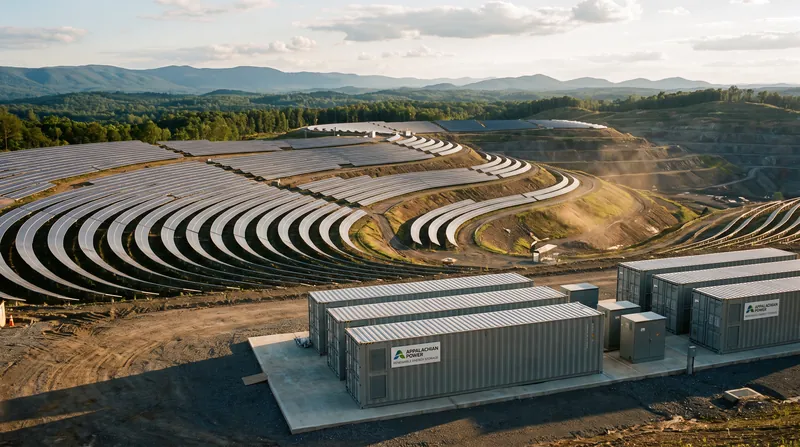
Google and MN8 Energy Launch $350 Million Solar and Zinc Battery Project on Former West Virginia Coal Mine
6 sources
Grid Expansion
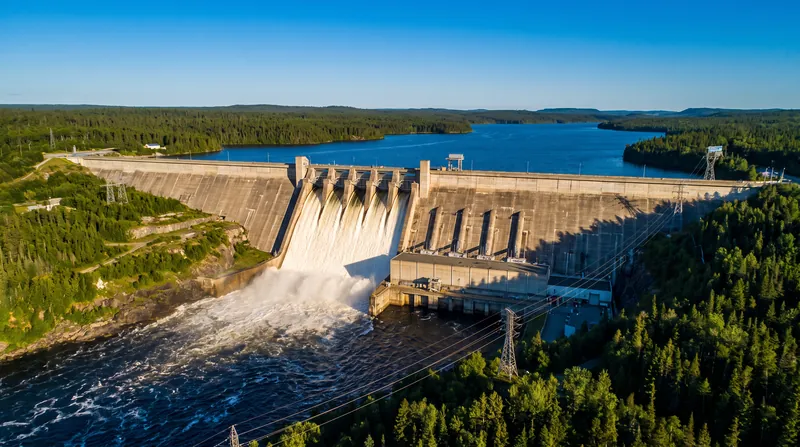
Canada Commits CA$70 Billion to Hydropower, Wind, and Transmission Projects in Record North American Clean Energy Investment
5 sources
Grid Security
Sabotage Attacks on German Power Grid Force Temporary Shutdown of 4.2 GW of Coal Capacity
6 sources

Wildfire Liability
California Legislature Rejects Utility Wildfire Liability Bill, Sending PG&E and Edison Stocks Down 20%
5 sources

Comments
Every angle. Every day.
Get Energy stories with full source coverage and perspective breakdowns, free every day.