
Food & Drink
Follow Food & Drink in the Factlen app and get an alert when there is news. Get the app

Explainer
Why Amber Glass Stops Riboflavin from Cleaving Hop Acids into Skunky Thiols
5 sources · 14d ago
Explainer
Automated 65.5°C Pasteurization Cycles Trigger Mandatory Lockouts in Fast-Food Ice Cream Machines
4 sources · 15d ago
Explainer
Starch Polymers Shield Egg Proteins at 100°C: Why Pastry Cream Must Boil to Inactivate Yolk Amylase
5 sources · 15d ago
More in Food & Drink
ExplainerFood Chemistry
How Hydrogen Bonds Between Caffeine and Theaflavins Turn Chilled Black Tea Cloudy
Beverage Manufacturers 35%Flavor Chemists 35%Traditional Brewers 30%
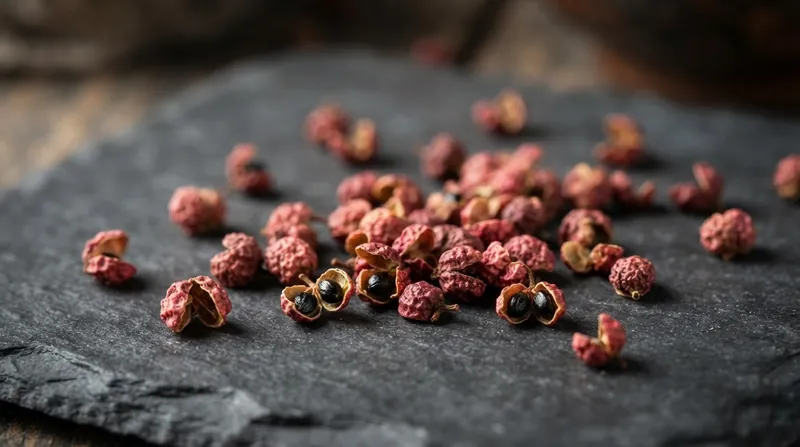
ExplainerFood Science
How Sichuan Pepper Blocks Potassium Channels to Vibrate Tactile Nerves at 50 Hertz
Sensory Neuroscientists 40%Culinary Scientists 40%Factlen Editorial 20%
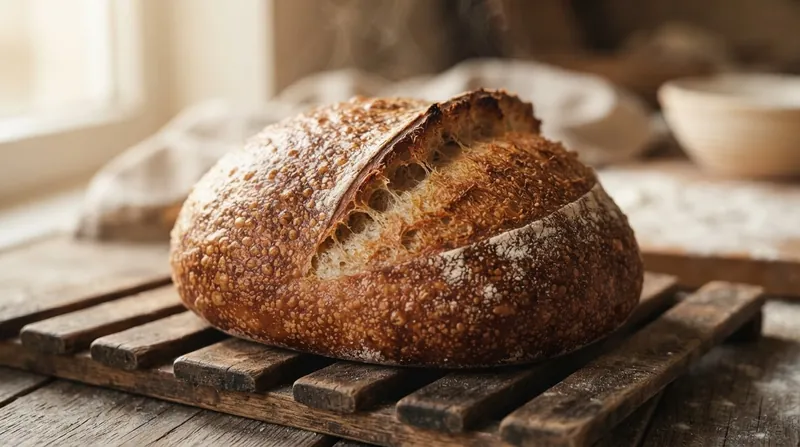
ExplainerBaking Science
Steam Condensation Delays Crust Setting to Maximize Oven Spring and Gelatinize Starches
Baking Scientists 40%Artisan Bakers 40%Home Baking Educators 20%
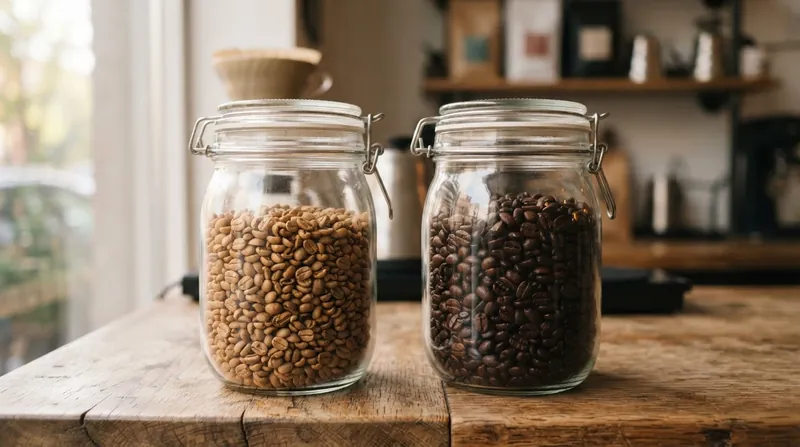
ExplainerCoffee Chemistry
Coffee Bean Density and Thermal Stability Dictate the True Caffeine Content of Your Cup
Specialty Coffee Roasters 40%Traditional Coffee Consumers 30%Food Scientists 30%
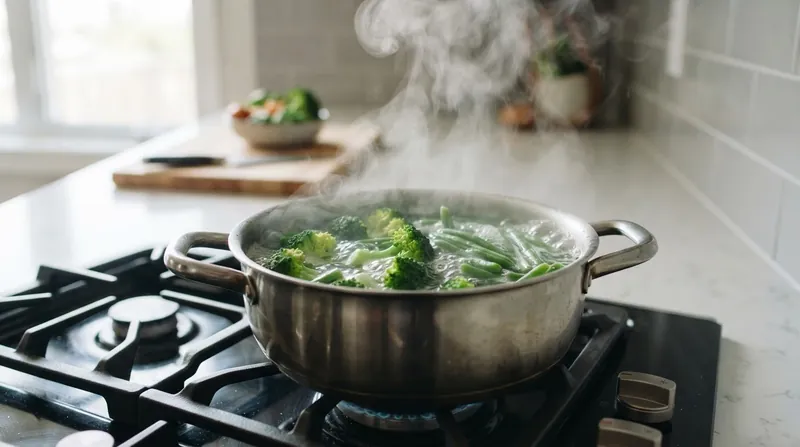
ExplainerChlorophyll Degradation
Covered Pots Trap Volatile Acids That Strip Magnesium From Chlorophyll, Dulling Green Vegetables
Food Scientists 40%Culinary Instructors 35%Commercial Food Manufacturers 25%
ExplainerFood Science
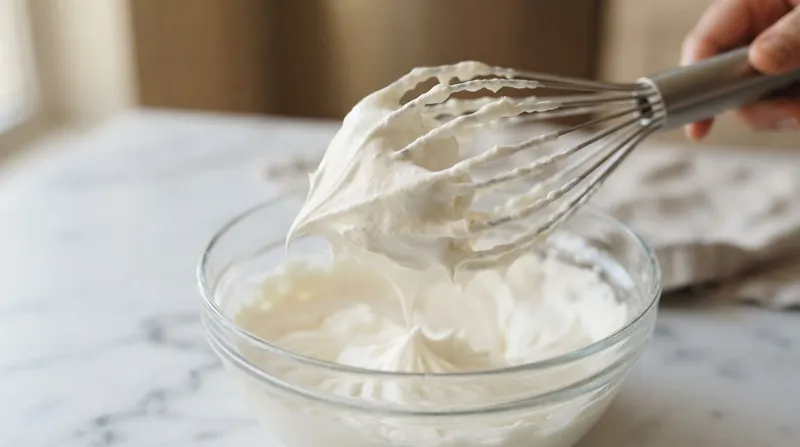
Partial Coalescence Traps Air Only While Fat Remains Semi-Solid: Why Whipping Cream Fails Above 10°C
Dairy Scientists 40%Culinary Professionals 35%Food Engineers 25%
ExplainerFood Chemistry
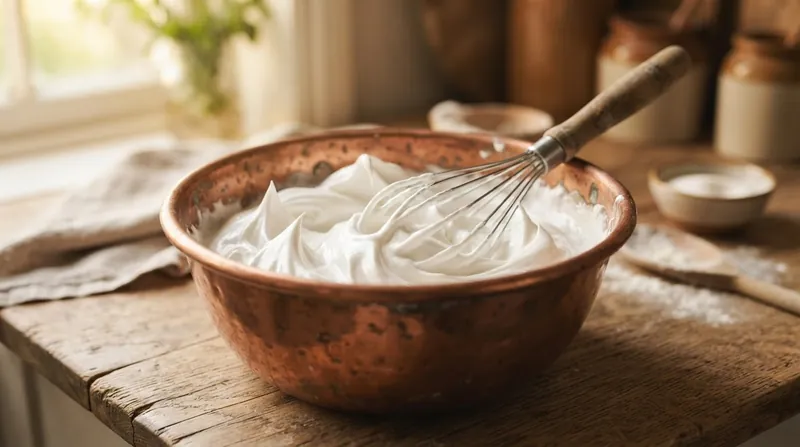
How Copper Bowls Prevent Egg Whites from Curdling Through Protein Chelation
Food Scientists 40%Culinary Traditionalists 30%Practical Home Bakers 30%

ExplainerFood Chemistry
Protonating Thearubigins Alters Visible Light Absorption: Why Adding Lemon Juice Lightens Brewed Black Tea
Chemistry Educators 40%Culinary Science Communicators 40%Home Experimenters 20%
ExplainerDirectional Freezing
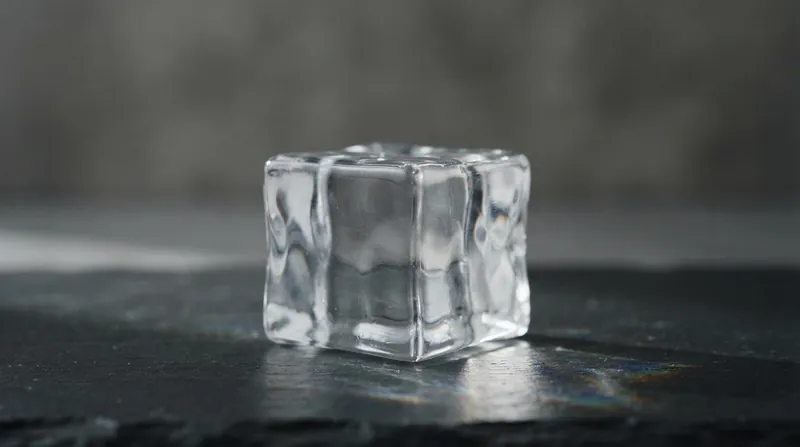
Directional Freezing Displaces Dissolved Gases Ahead of the Ice Front: Why Insulating Five Sides Produces Crystal-Clear Cocktail Ice
Cocktail Enthusiasts 40%Fluid Dynamicists 35%Commercial Ice Manufacturers 25%

ExplainerGluten Chemistry
How Electrostatic Charge Screening Tightens Gluten Polymers to Prevent Slack Dough
Food Rheologists 40%Commercial Bakers 35%Public Health Advocates 25%
ExplainerFood Chemistry
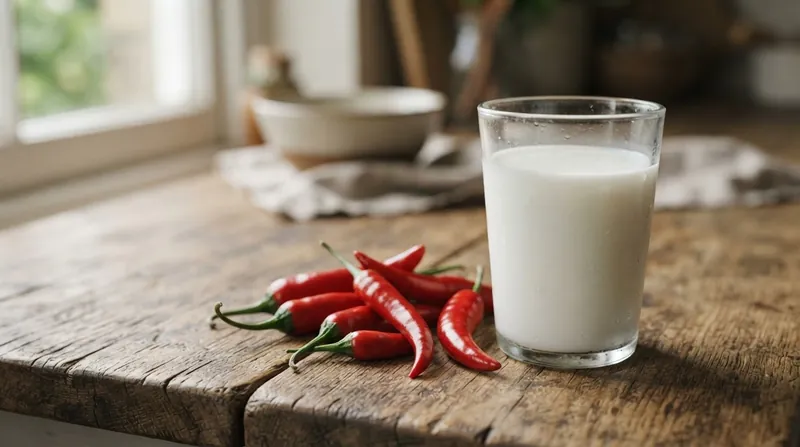
Hydrophobic Casein Micelles Bind Nonpolar Capsaicin: Why Dairy Quenches Chili Heat While Water Spreads It
Food Scientists 50%Culinary Professionals 30%Plant-Based Advocates 20%

ExplainerWine Science
Saturated Headspace Humidity Prevents Cork Desiccation: Why Storing Wine Bottles Horizontally Offers No Sealing Advantage
Enological Researchers 45%Traditional Cellarers 30%Practical Collectors 25%

ExplainerFood Chemistry
The Physics of the Ice Bath: How Rapid Cooling Prevents the Green Ring on Boiled Eggs
Food Scientists 50%Culinary Instructors 30%Factlen Editorial 20%
ExplainerCardiovascular Health
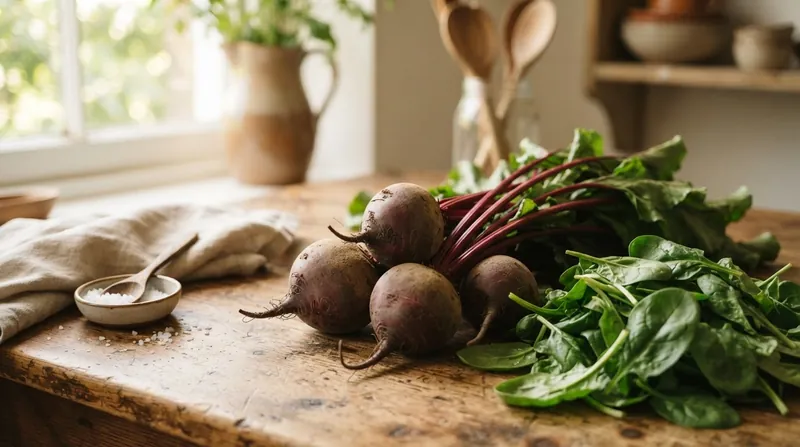
Why Beetroot and Spinach Cannot Lower Blood Pressure Without the Tongue's Microbiome
Cardiovascular Physiologists 40%Microbiome Researchers 40%Dental Health Innovators 20%
ExplainerFood Chemistry
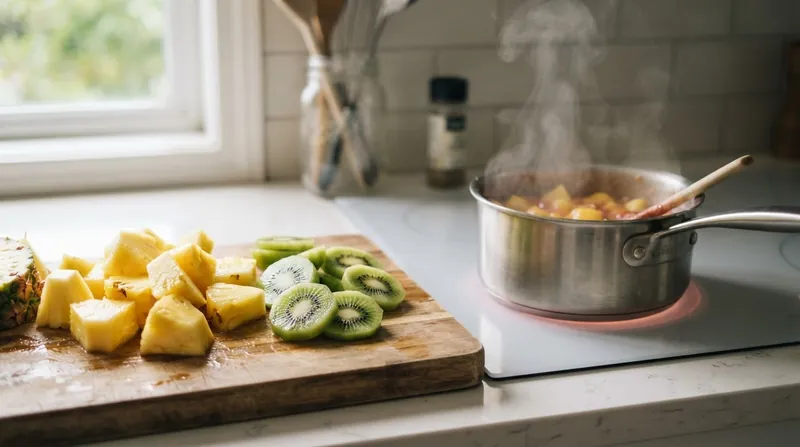
Heating Pineapple and Kiwi Above 80°C Denatures Proteases to Let Gelatin Set
Culinary Scientists 40%Plant-Based Cooks 30%Industrial Food Processors 30%
ExplainerIron Supplementation
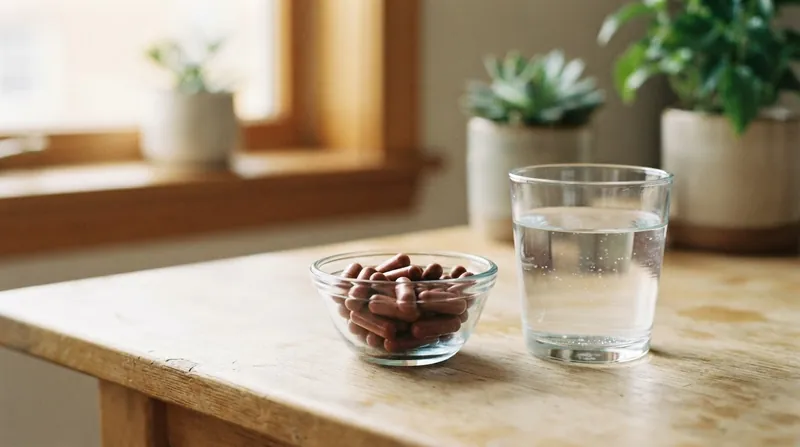
How Alternate-Day Iron Dosing Increases Absorption by 50 Percent
Hematology Researchers 40%Clinical Gastroenterologists 35%General Practitioners 25%
ExplainerFryer Physics
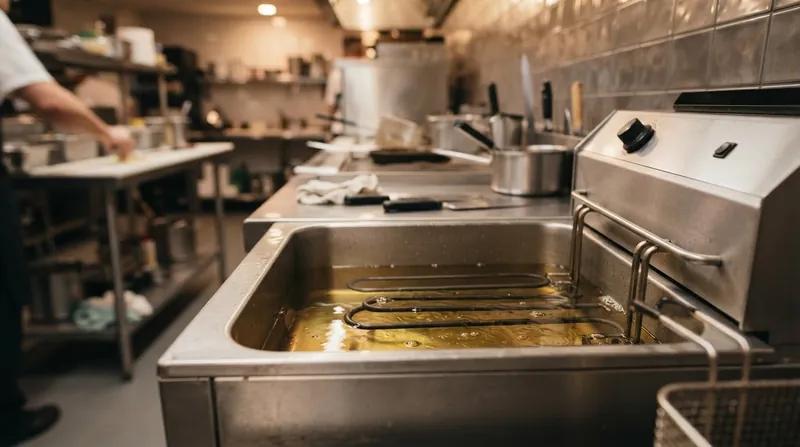
Suspending Heating Elements Above the Frypot Base Isolates Sinking Debris in Cooler Stagnant Oil, Preventing the Carbonization That Breaks Down Frying Fat
Culinary Engineers 41%Food Scientists 35%Kitchen Operators 24%
ExplainerGrilling Science
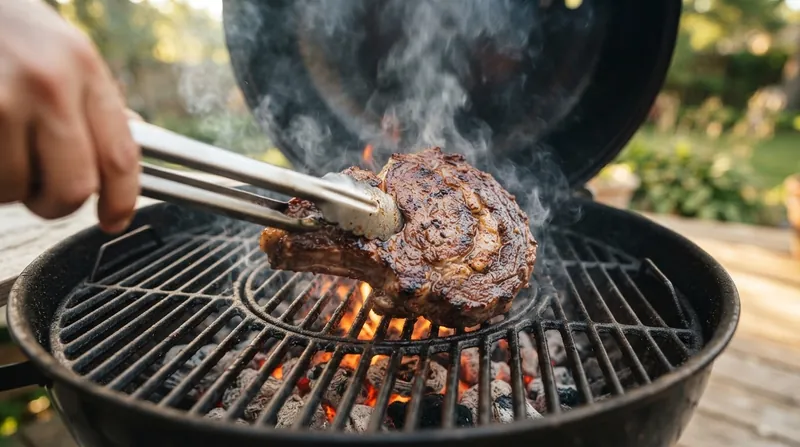
The Physics of Frequent Flipping: How Rapid Heat Dissipation Cuts Grilling Time by 29 Percent
Thermodynamic Optimizers 70%Culinary Traditionalists 30%
ExplainerFood Science
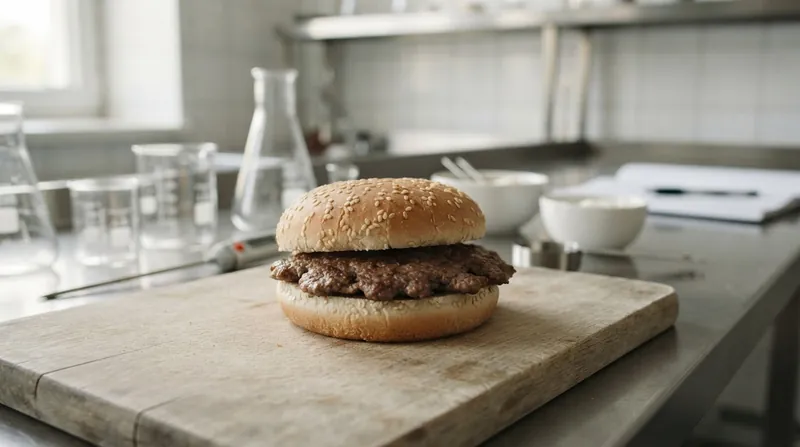
The Physics of the Immortal Burger: How Rapid Moisture Loss Prevents Fast Food from Rotting
Food Scientists 50%Culinary Skeptics 25%Home Cooking Advocates 25%
ExplainerFood Chemistry
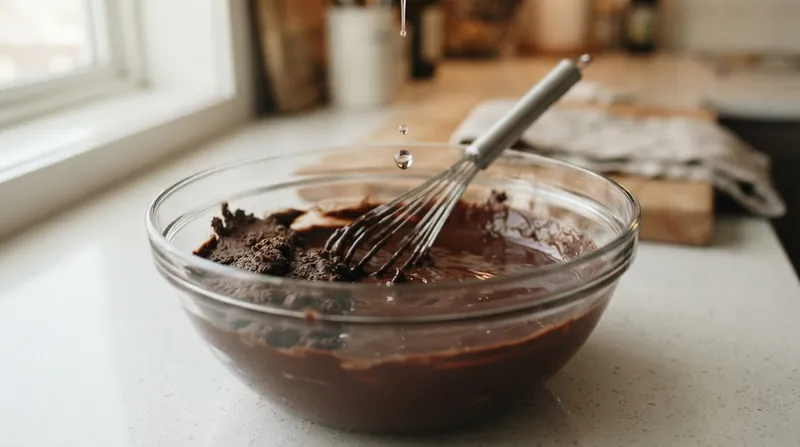
Capillary Bridging Between Sugar Particles Seizes Melted Chocolate Until Surplus Liquid Dissolves the Network
Culinary Scientists 40%Physical Chemists 35%Industrial Manufacturers 25%
ExplainerFood Chemistry
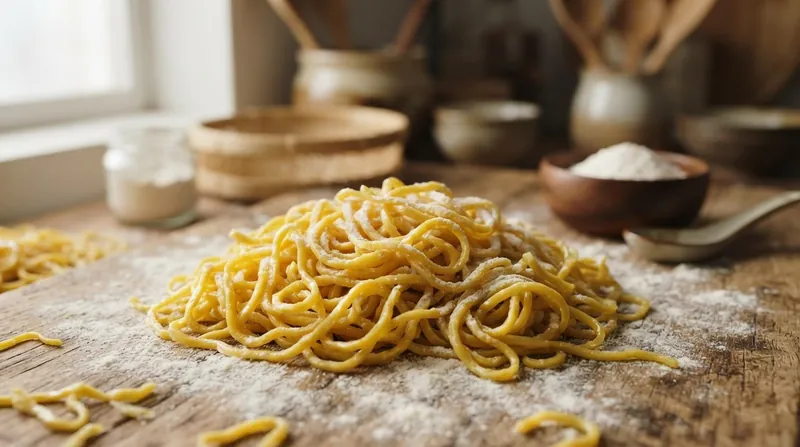
The pH 9 Reaction: How Alkaline Salts Give Eggless Ramen Its Yellow Hue and Snap
Food Chemists 40%Culinary Traditionalists 35%Industrial Manufacturers 25%
ExplainerFood Science
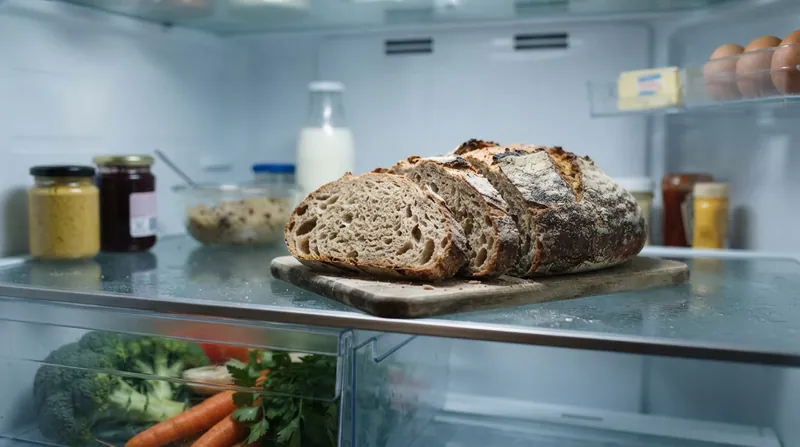
Amylopectin Recrystallization Peaks at 4°C, Making Refrigerated Bread Stale Faster Than Countertop Storage
Food Scientists 40%Commercial Bakeries 30%Home Consumers 30%

ExplainerMetabolic Health
The Enzymatic Alchemy of Oat Milk: Why 'Unsweetened' Cartons Still Spike Blood Sugar
Metabolic Health Advocates 40%Food Science Critics 40%Plant-Based Sustainability Advocates 20%

ExplainerWine Chemistry
The Marangoni Effect: Why Wine Tears Reveal Alcohol Content, Not Vintage Quality
Fluid Dynamicists 40%Modern Wine Educators 40%Traditional Tasting Enthusiasts 20%
ExplainerFood Safety
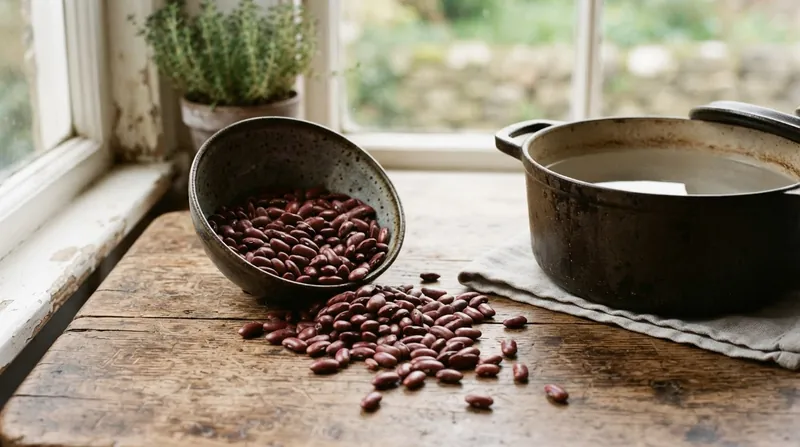
The 80°C Danger Zone: How Slow-Cooking Kidney Beans Multiplies Their Toxicity Fivefold
Food Safety Regulators 50%Culinary Scientists 50%
Food Supply ChainsUN Food and Agriculture Organization
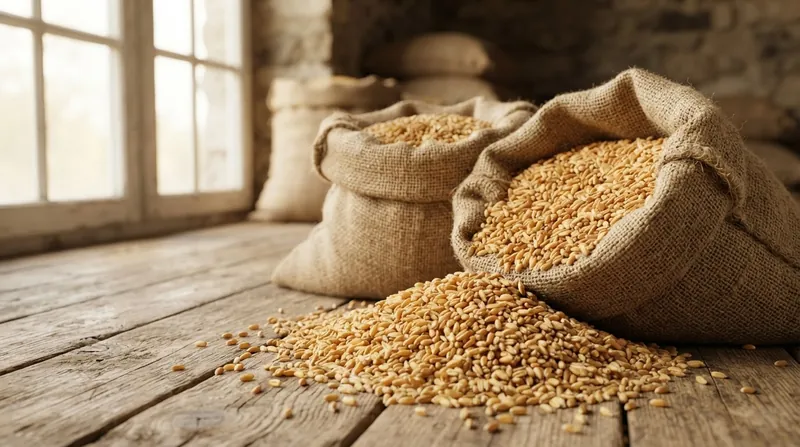
Global Food Prices Climb to Nearly Four-Year High Amid Trade Disruptions and Climate Shocks
Agricultural Economists 40%Food Importers and Distributors 35%Climate Adaptation Advocates 25%
Deep DiveSugar Chemistry
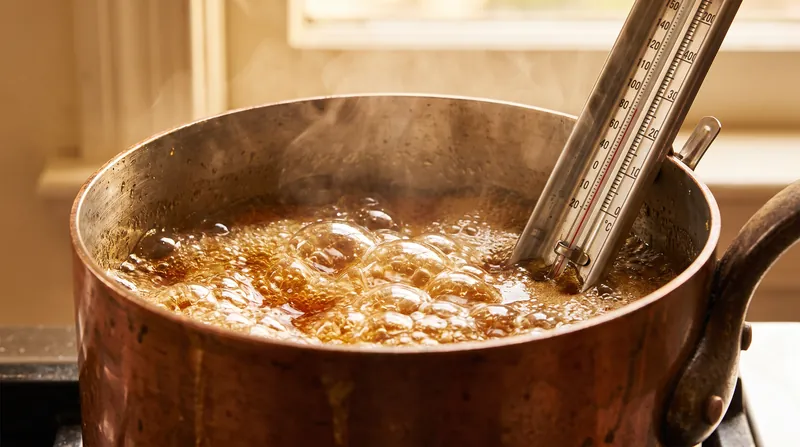
The 112°C to 154°C Range: How Water Content Determines the Seven Stages of Sugar Syrup Hardness
Thermometer Advocates 50%Sensory Traditionalists 50%
ExplainerTea Culture
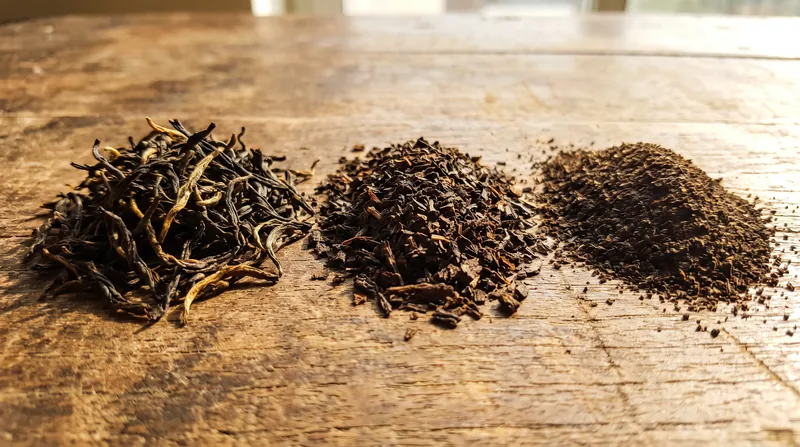
The Orange Pekoe Standard: How International Tea Grades Classify Leaf Size and Quality
Orthodox Tea Producers 40%Commercial Tea Blenders 35%Specialty Tea Consumers 25%
ExplainerFood Labeling
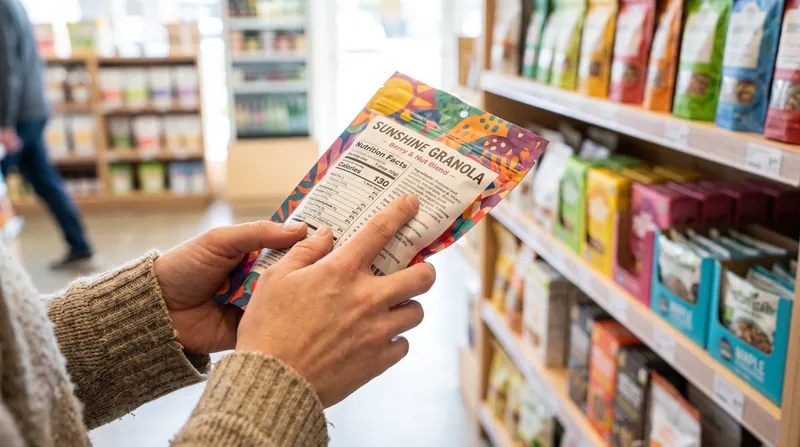
The 20% to 40% Variation: How Different Countries Define a 'Serving Size' for Packaged Food
Public Health Regulators 40%Behavioral Nutritionists 35%Food Industry Manufacturers 25%
ExplainerFlour Milling
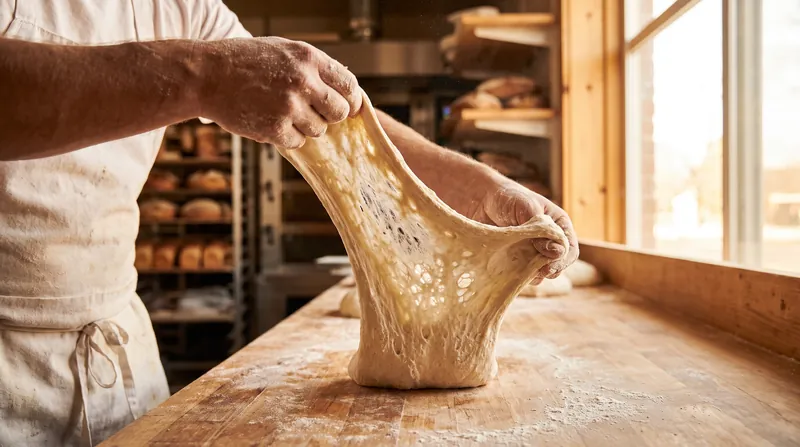
The 0.45% Ash Content: How European Flour Type Numbers Define Global Baking Grades
Traditional European Millers 40%Artisan Sourdough Bakers 35%North American Commodity Bakers 25%

Deep DiveEspresso Mechanics
The 9-Bar Maximum: How 1940s Spring-Lever Engineering Established the Global Standard for Espresso Extraction
Traditional Italian Purists 40%Modern Extraction Innovators 35%Equipment Historians 25%

ExplainerAlcohol Science
The 8-Gram Standard: How the Mass of Pure Ethanol in an Alcohol Unit Varies Globally
Harm Reduction Advocates 35%Epidemiologists 35%Consumer Educators 30%
Supply Chain Mechanics
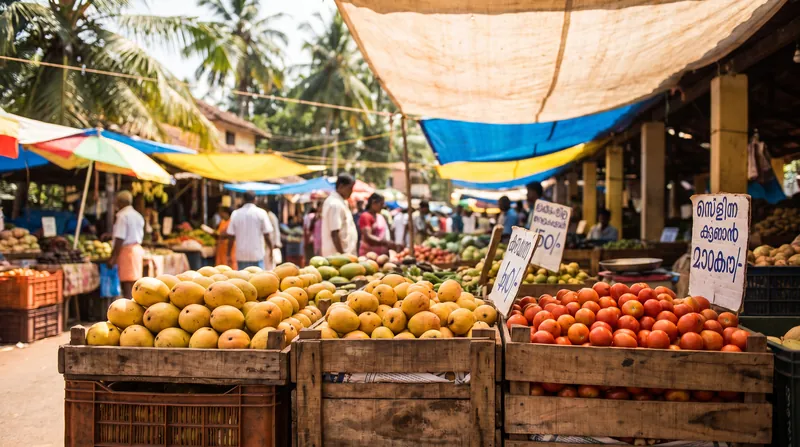
The 40 Percent Post-Harvest Loss: How Food Waste Differs Between Developed and Developing Economies
Infrastructure Advocates 40%Consumer Behavior Reformers 35%Hybrid System Analysts 25%
ExplainerFlavor Chemistry
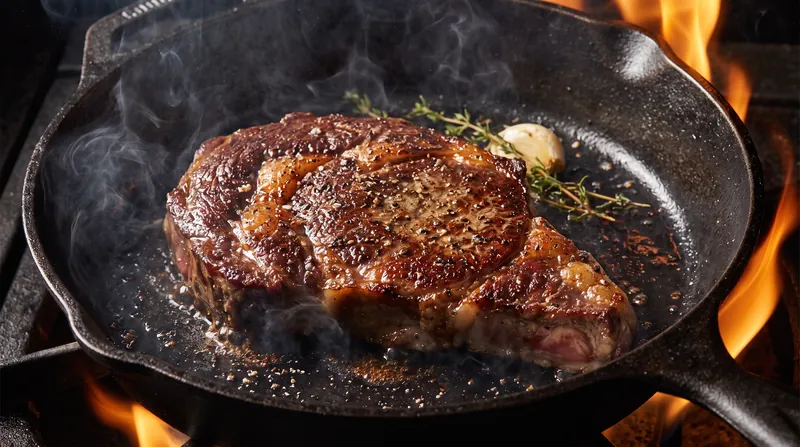
The Strecker Degradation Pathway: How Amino Acids Decompose to Form Key Aromatics in Cooked Food
Molecular Gastronomy & Food Science 50%Applied Culinary Arts 50%
ExplainerEGCG Metabolism
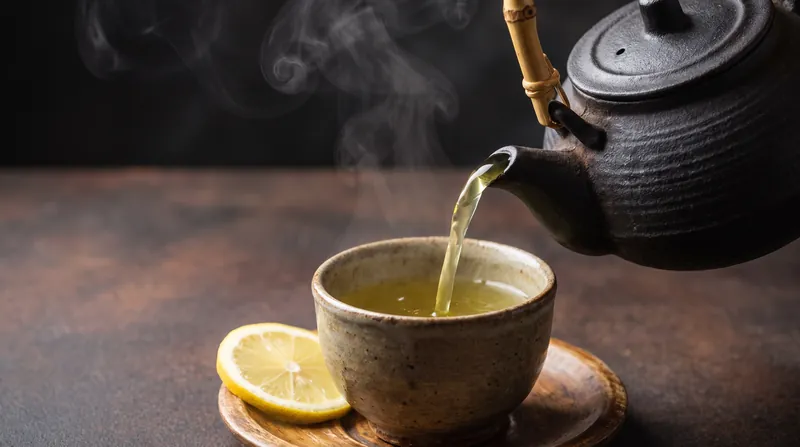
The 0.1 to 0.3 Percent Oral Bioavailability: Why Green Tea's Primary Antioxidant Fails to Reach the Bloodstream
Clinical Pharmacologists 40%Nutritional Biochemists 35%Cardiovascular Researchers 25%
Menu AdaptationIndustry Shift
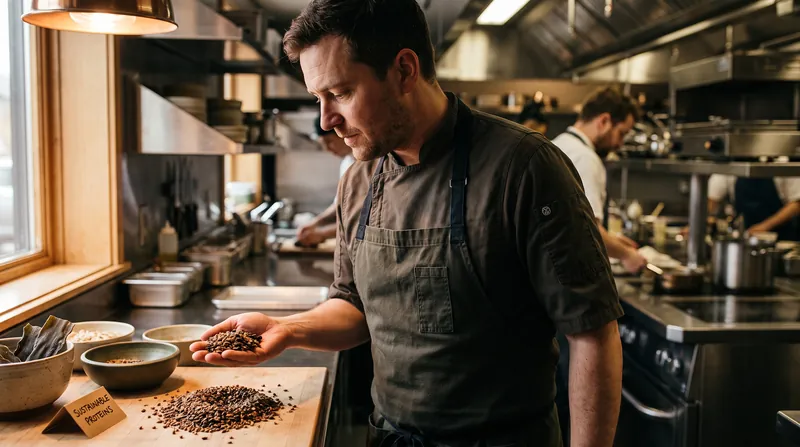
Record-Breaking El Niño Forces Top International Chefs to Rewrite Menus Amid Global Ingredient Shortages
Culinary Traditionalists 40%Adaptive Innovators 40%Climate Forecasters 20%
ExplainerSodium Limits
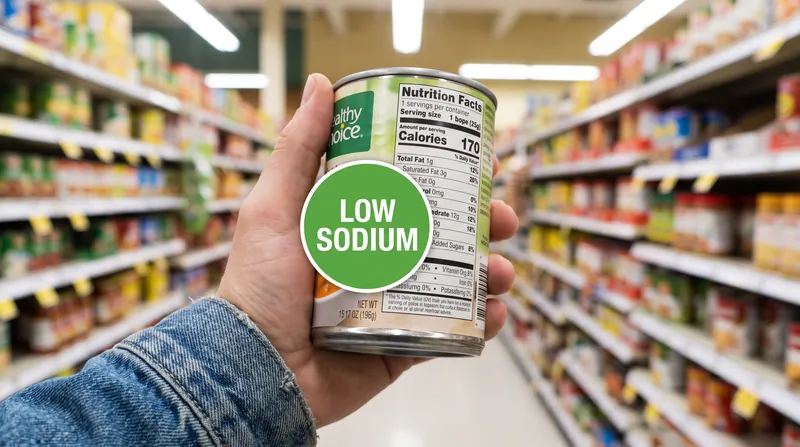
The 140 Milligrams Per Serving Maximum: How the FDA Defines a 'Low Sodium' Food
Public Health Advocates 40%Food Manufacturers 30%Regulatory Bodies 30%
ExplainerLipid Science
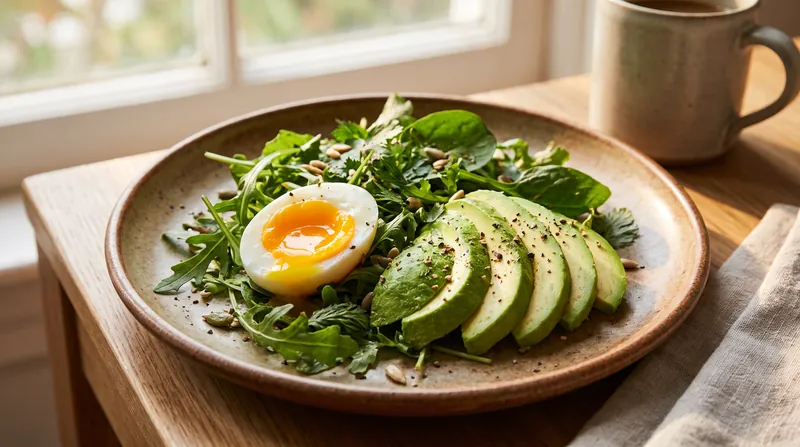
The 80 Percent Endogenous Production: Why Dietary Cholesterol Has a Minimal Impact on Serum LDL for Most People
Metabolic Consensus 60%Clinical Caution for Hyper-Responders 25%Nutritional Epidemiology 15%
Climate AdaptationAgricultural Tech
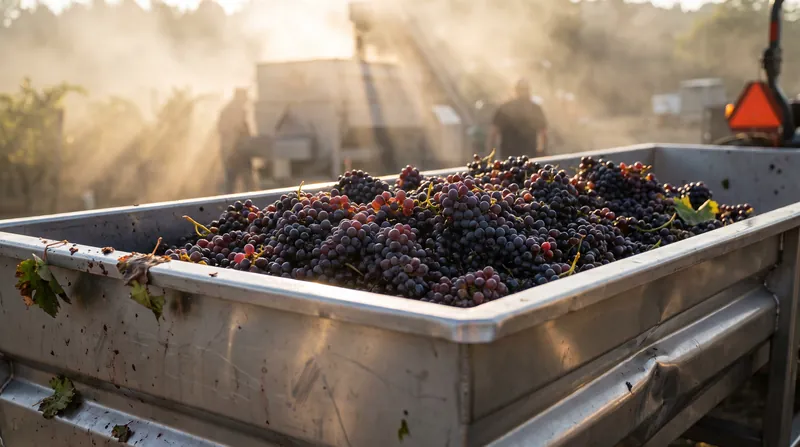
Researchers and Tech Firms Develop New Methods to Salvage Smoke-Tainted Wine Grapes
Agricultural Researchers 50%Commercial Winemakers 50%
ExplainerSpirits Science
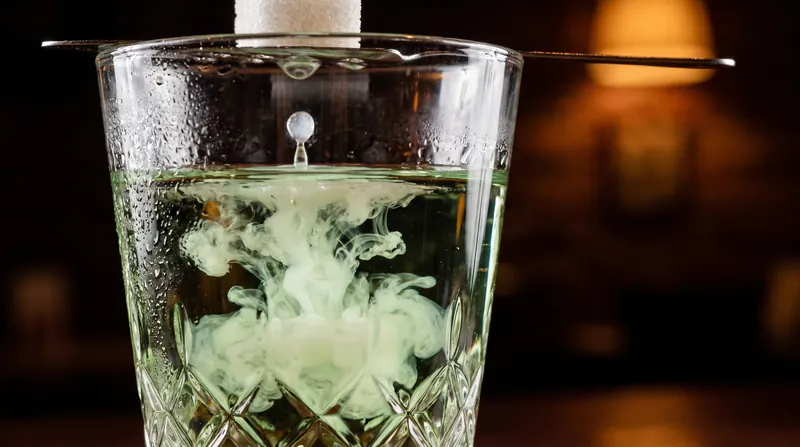
The Ouzo Effect: How Spontaneous Emulsification Creates the Milky Cloud in Anise Spirits
Fluid Dynamicists 35%Spirits Producers 35%Sensory Scientists 30%

ExplainerFood Safety
The 135°F Minimum: How Hot Holding Prevents Pathogen Growth in Cooked Food
Food Safety Regulators 40%Commercial Chefs 30%Catering Operators 30%
Snack IndustryTrend Analysis
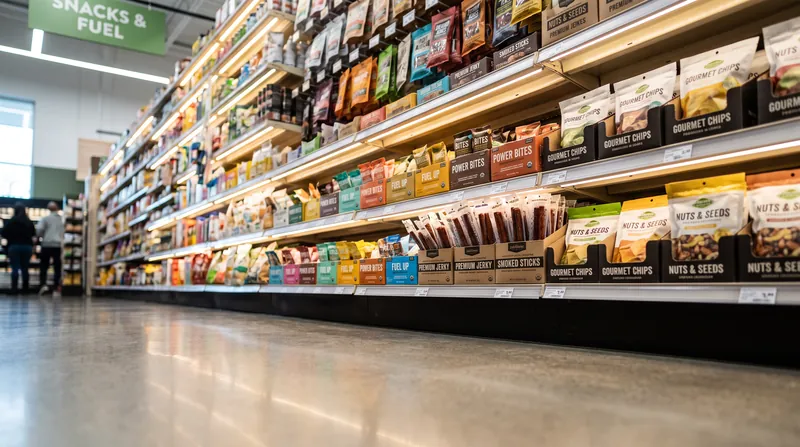
Conagra Report: Functional Snacking and 'Sweet Heat' Drive $198 Billion U.S. Market Growth
Food Manufacturers 40%Health-Conscious Consumers 35%Flavor Innovators 25%
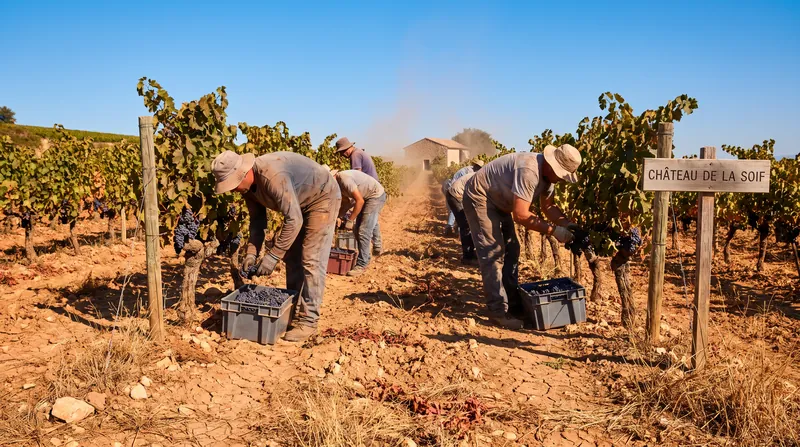
Harvest YieldsIndustry Shift
France's 2026 Wine Output Projected to Hit 70-Year Low Amid Climate-Driven Harvest Extremes
Traditional Estates 35%Regulatory Reformers 35%Economic Analysts 30%
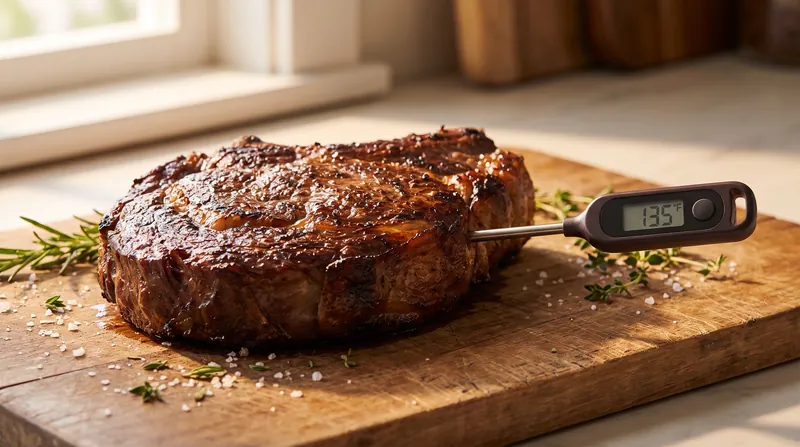
ExplainerCulinary Science
The 8°F Internal Temperature Drop: How Resting Meat Allows Muscle Fibers to Reabsorb Released Moisture
The Moisture Retention Camp 45%The Crust Preservation Skeptics 35%The Thermal Dynamics View 20%
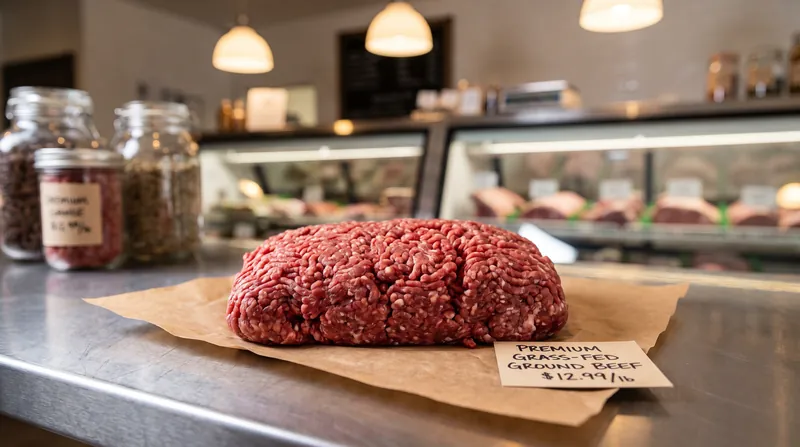
ExplainerFood Standards
The 30 Percent Fat Ceiling: How Federal Law Dictates the Ratios in Grocery Store Ground Beef
Regulatory Compliance 40%Culinary Application 30%Public Health 30%

Food SafetyRegulatory Action
Maharashtra FDA Seizes 32,000kg of Adulterated Food, Suspends 12 Licenses in Festive Crackdown
Public Health Regulators 40%Traditional Food Vendors 30%Quick-Commerce Platforms 30%
Per page