
Chemistry
Follow Chemistry in the Factlen app and get an alert when there is news. Get the app
- All Science
- Space
- Physics
- Biology & Life Sciences
- Chemistry
- Astronomy & Cosmology
- Psychology
- Neuroscience
- Engineering
- Mathematics
- Archaeology
- Scientific Discoveries
- Climate
- Climate Science
- Environment
- Research
- Academic Research
- Ecology & Environment
- Genetics & Genomics
- Public Health
- Discoveries
- Physics & Space
- Biology & Medicine

Explainer
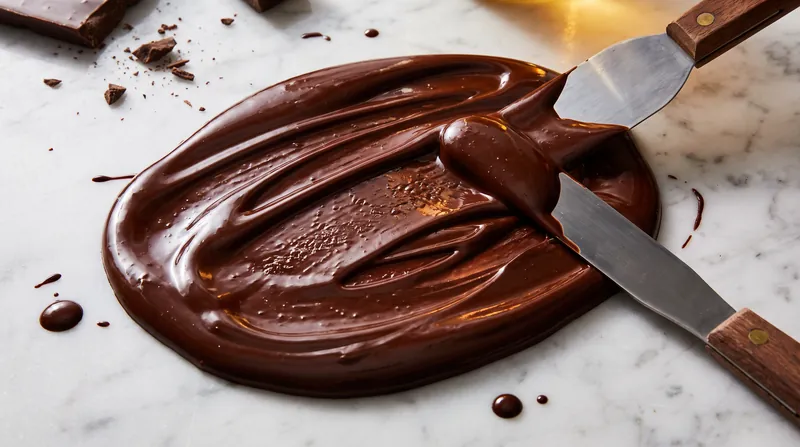
The Six Polymorphs: How Cocoa Butter's Crystal Structure Dictates Chocolate's Snap, Sheen, and Melt Point
7 sources · 42d ago

Explainer
The Sistine Chapel Restoration Controversy: Why Michelangelo's True Colors Divided the Art World
4 sources · 42d ago
Explainer
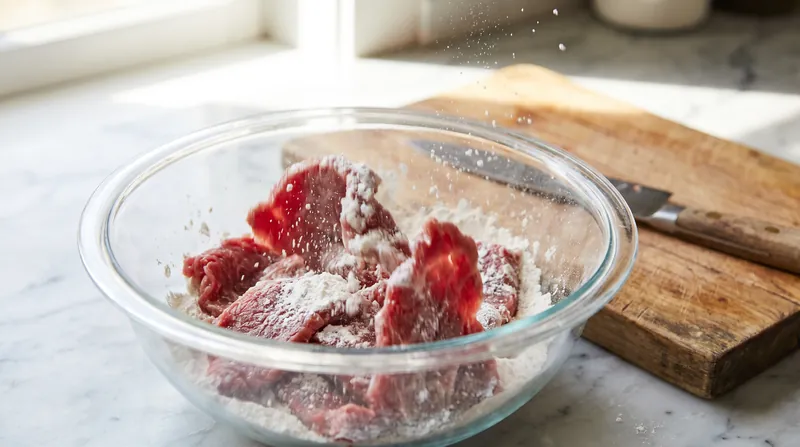
Baking Soda Velveting Uses Alkaline pH to Denature Proteins and Tenderize Cheap Meat
3 sources · 42d ago
More in Chemistry
ExplainerProtein Misfolding
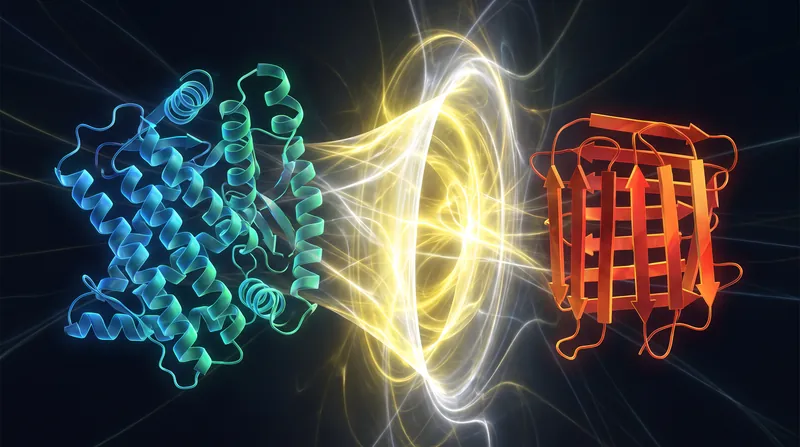
The PrPSc Conformation: How Misfolded Prion Protein Catalyzes the Conversion of PrPC to Cause Transmissible Spongiform Encephalopathies
Structural Biologists 40%Neuropathologists 35%Geneticists 25%
Research BriefOrganic Catalysts
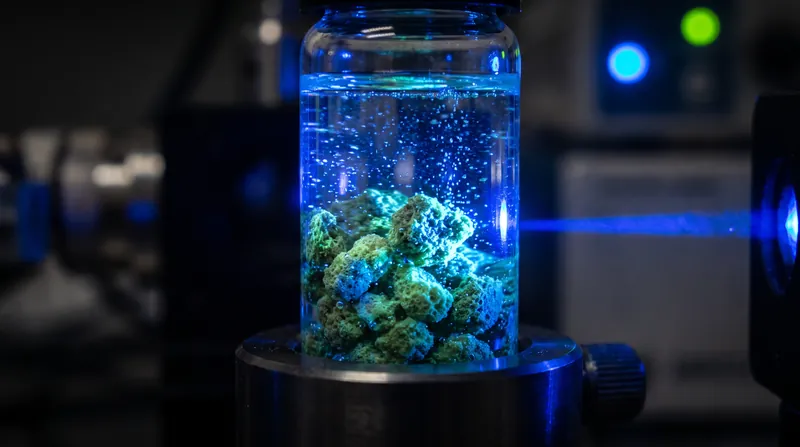
New Coumarin-Linked Organic Catalyst Extends Solar Charge Lifetime by 1,000 Times for Hydrogen Production
Materials Scientists 45%Renewable Energy Advocates 35%Scale-Up Skeptics 20%

ExplainerCulinary Science
Why Dry-Aging Fish Unlocks Richer Umami and Firmer Texture Than Fresh Seafood
Culinary Innovators 45%Traditional Seafood Purists 30%Sustainability Advocates 25%
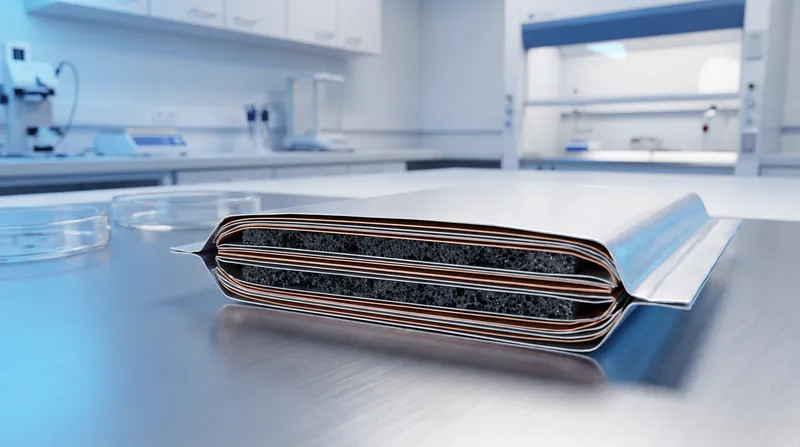
ExplainerBattery Chemistry
The Mechanism of Calendar Aging: Why High State of Charge and Heat Destroy Lithium-Ion Batteries
Consumer Hardware Brands 35%Electric Vehicle Architects 35%Materials Scientists 30%
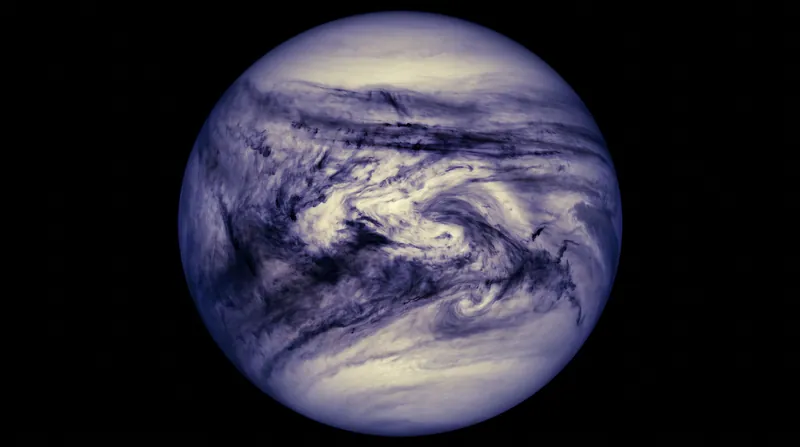
ExplainerVenusian Atmosphere
Venus's Pale Clouds Hide a Substance as Dark as Tar, New Optical Model Shows
Optical Modelers 40%Inorganic Chemists 40%Editorial Synthesis 20%
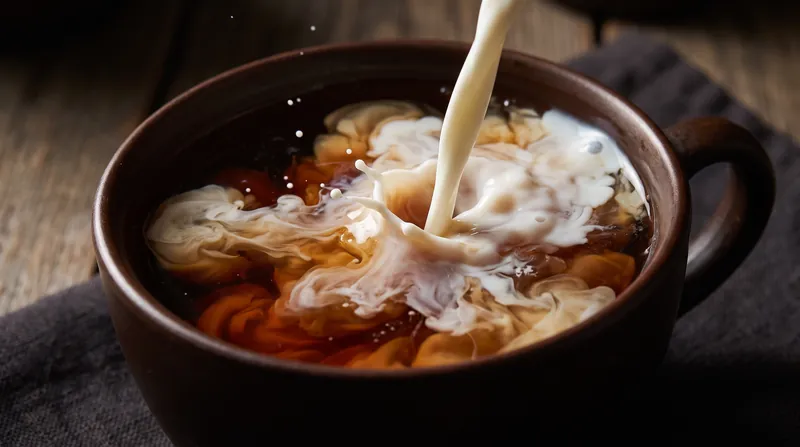
ExplainerFood Chemistry
The Casein-Catechin Bond: How Milk Proteins Neutralize Astringency and Alter the Antioxidant Profile of Black Tea
Cardiovascular Researchers 40%Sensory Scientists 30%Dairy Industry Advocates 30%

ExplainerBattery Chemistry
Balancing EV Fast Charging Between Continuous SEI Growth and Acute Lithium Plating
Electrochemical Researchers 40%Battery Systems Engineers 40%Factlen Editorial Team 20%
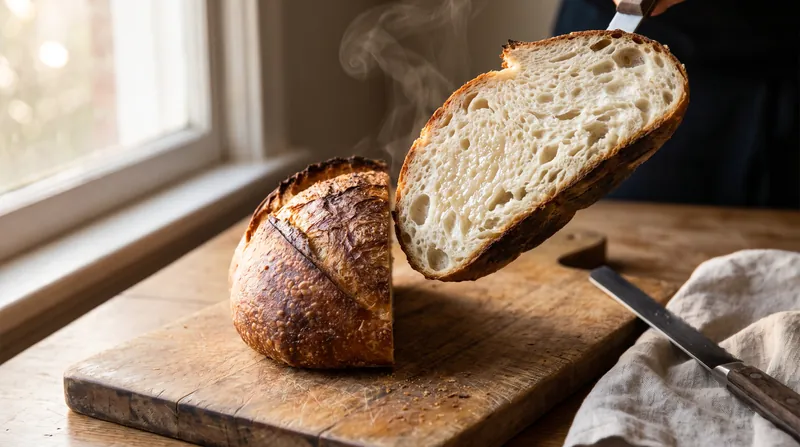
ExplainerBaking Science
The 60°C to 85°C Window: How Starch Gelatinization Sets the Crumb Structure and Defines a Baked Good's Final Texture
Artisan Bread Bakers 40%Food Scientists 40%Commercial Formulators 20%
ExplainerEmissions Tech
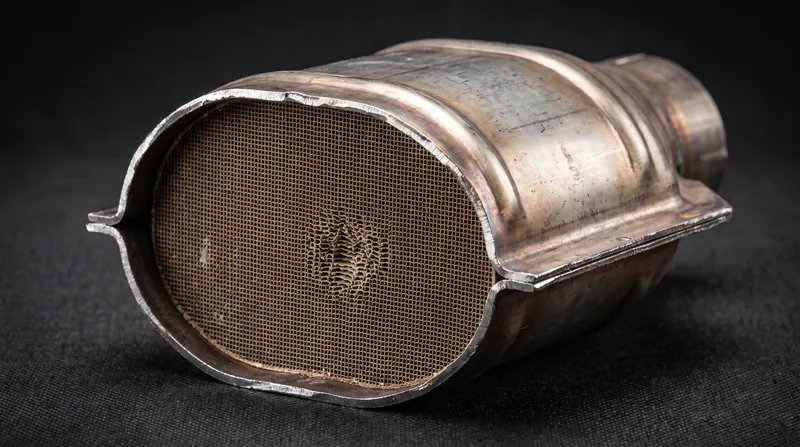
The Three Chemical Reactions That Convert CO, NOx, and Hydrocarbons in a Catalytic Converter
Automotive Engineers 40%Environmental Regulators 30%Materials Scientists 30%
ExplainerQuantum Mechanics
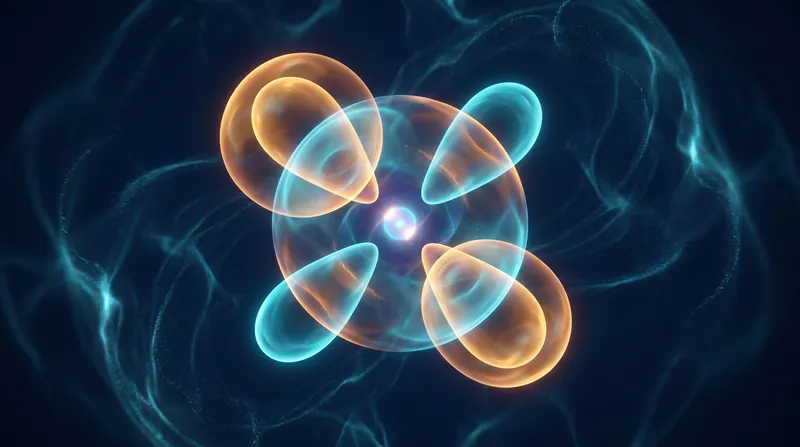
The Four Quantum Numbers That Define a Unique State for Every Electron in an Atom
Quantum Chemists 40%Condensed Matter Physicists 40%Physics Educators 20%

ExplainerFood Chemistry
The 0.2-0.7 Water Activity Window: How Moisture Content Dictates the Speed and Products of the Maillard Reaction
Culinary Science 40%Industrial Preservation 35%Food Toxicology 25%

ExplainerFood Standards
The 0.8% Acidity Limit: How the International Olive Council Actually Defines Extra Virgin Olive Oil
International Standards Bodies 40%Regional Quality Advocates 35%Industry Watchdogs 25%

ExplainerKitchen Science
Dairy Marinades and the pH 4.4 Sweet Spot: How Calcium and Lactic Acid Tenderize Poultry Without Denaturing the Surface
Meat Quality Researchers 40%Food Safety Microbiologists 30%Culinary Science Analysts 30%

ExplainerTea Chemistry
The 20-Day Sun Deprivation: How Shade-Grown Tea Preserves L-Theanine and Blocks Bitter Catechins
Traditional Cultivators 35%Biochemical Researchers 35%Culinary Professionals 30%

ExplainerPaint Chemistry
Oxidation vs. Coalescence: How Alkyd and Acrylic Resins Actually Dictate Paint Hardness and Cure Time
Traditional Finishers 35%Environmental Regulators 35%Modern Paint Manufacturers 30%

ExplainerFlavor Chemistry
The 8x Flavor Multiplier: How Glutamate and Nucleotides Synergize to Create Umami
Flavor Chemists 40%Culinary Professionals 35%Food Technologists 25%
ExplainerBiogeochemistry
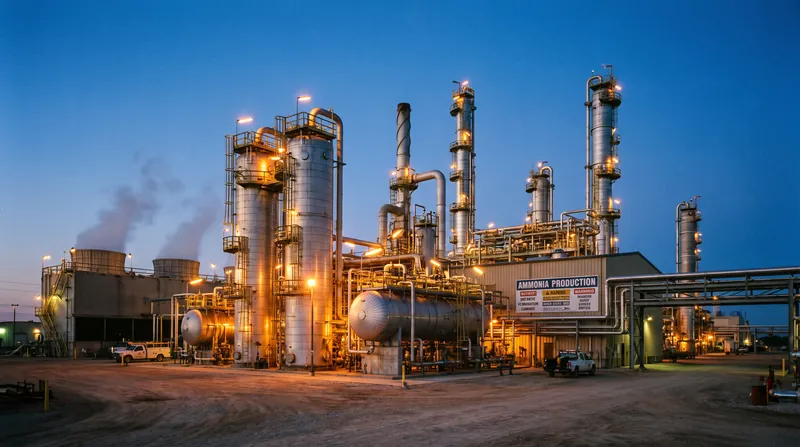
Haber-Bosch Nitrogen Synthesis Feeds Half the World While Overwhelming Global Ecosystems
Biogeochemists 40%Agricultural Economists 35%Environmental Regulators 25%

ExplainerFabric Chemistry
Oxygen vs. Chlorine: How Different Bleaches Actually Break Down Stains Without Destroying Fabric
Scientific Consensus 40%Public Health & Sanitation 30%Eco-Conscious Homeowners 30%
ExplainerCocktail Science
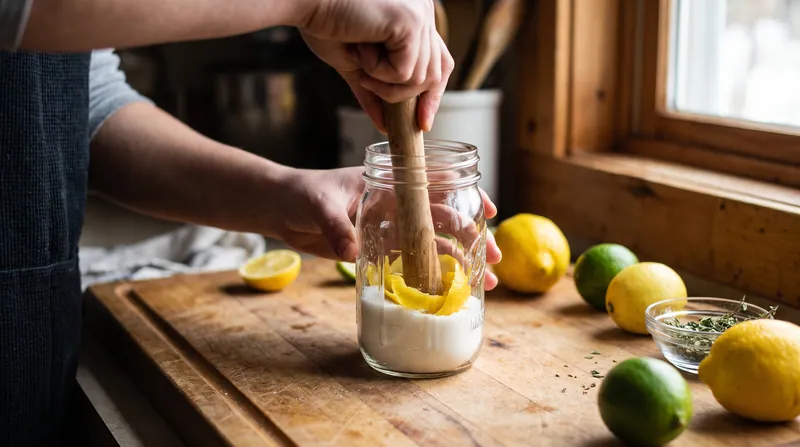
Oleo-Saccharum Extracts Citrus Oils Through Mechanical Abrasion, Not Osmosis
Traditional Mixologists 40%Culinary Scientists 35%Zero-Waste Advocates 25%

ExplainerSmoke Chemistry
The Guaiacol-Syringol Balance: How Hardwood Pyrolysis Temperatures Dictate Barbecue Flavor
Culinary Chemists 40%Traditional Pitmasters 40%Commercial Flavorists 20%
ExplainerIsotope Geochemistry
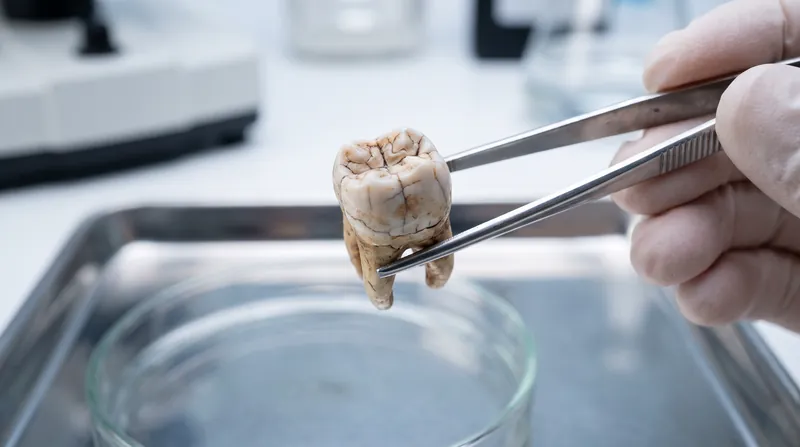
How Strontium Isotope Analysis of Tooth Enamel Reconstructs Ancient Human Migration
Bioarchaeologists 45%Geochemists 35%Methodological Skeptics 20%
ExplainerProtein Chemistry
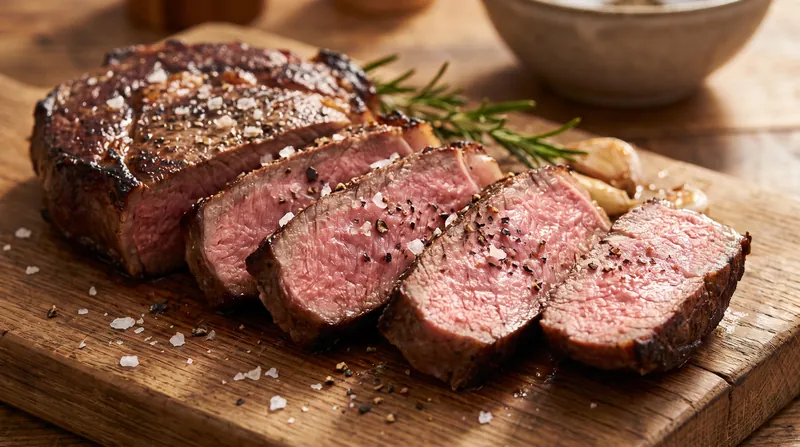
The 55°C Myosin Shift: How Temperature Controls the Denaturation of Muscle Proteins to Define Meat Doneness
Culinary Scientists 40%Traditional Chefs 30%Commercial Processors 30%
ExplainerKoji Fermentation
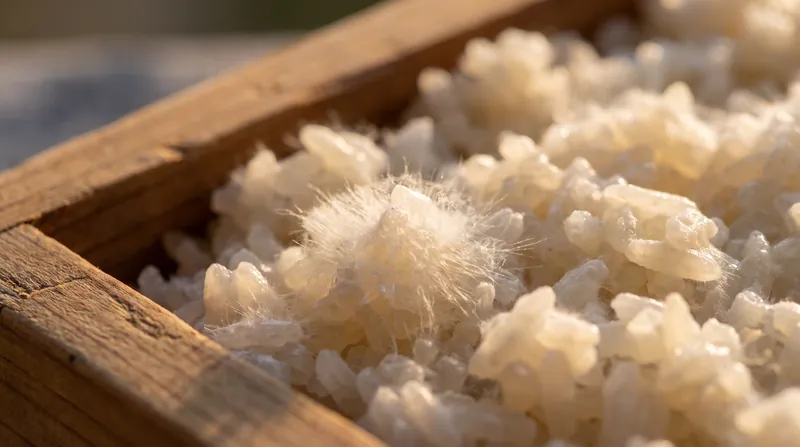
The 5°C Enzyme Shift: How Koji Temperature Controls the Amylase-Protease Balance for Sake vs. Soy Sauce
Traditional Fermenters 40%Industrial Microbiologists 35%Modern Gastronomy Chefs 25%
ExplainerStereochemistry
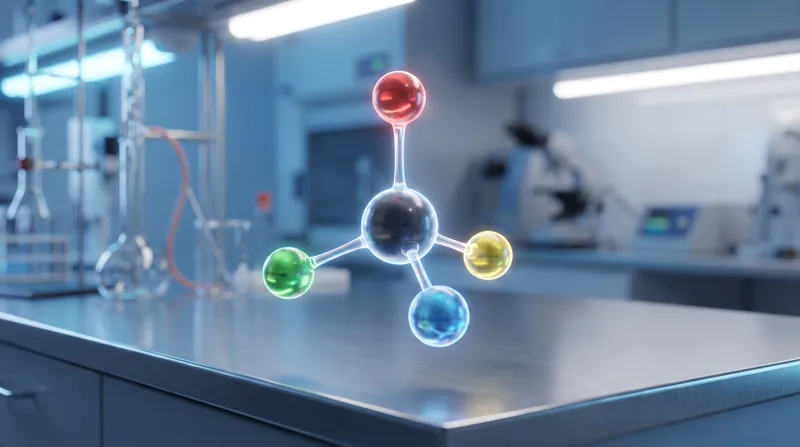
How Molecular Chirality Dictates Drug Efficacy and Safety
Regulatory Agencies 40%Pharmaceutical Manufacturers 35%Clinical Pharmacologists 25%
ExplainerBrake Chemistry
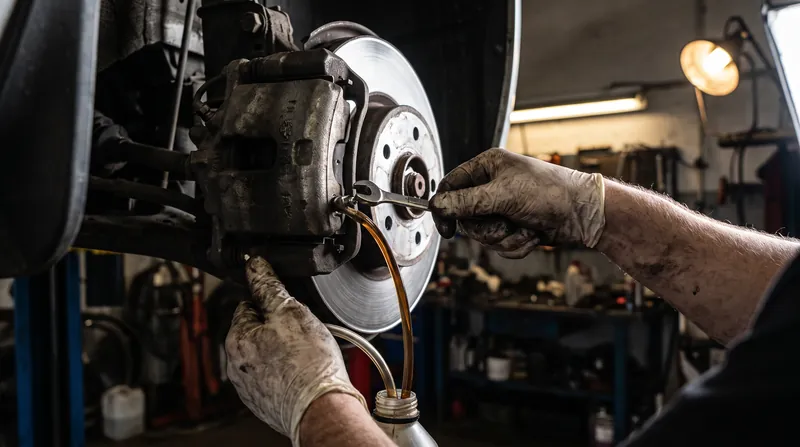
Brake Fluid Hygroscopy: How Water Absorption Lowers the Boiling Point and Causes Pedal Fade
Automotive Engineers 45%Independent Mechanics 35%Vehicle Owners 20%
ExplainerCold Extraction
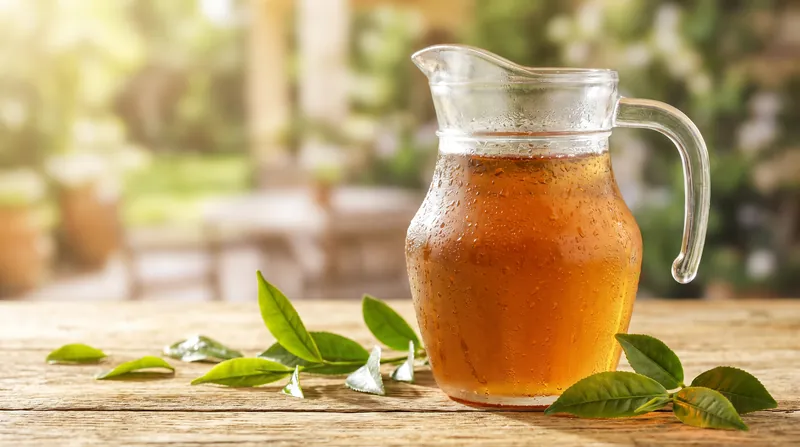
The 4°C Extraction Gap: Why Cold-Steeping Tea Leaves Behind Bitter Catechins While Preserving Sweet Amino Acids
Culinary Scientists 40%Practical Cooks 40%Traditional Tea Masters 20%

ExplainerCoffee Filtration
The 5-Micron Pore Size Difference: How Paper Filters Remove Lipids and Diterpenes Compared to Metal Mesh
Cardiovascular Health Advocates 45%Extraction Physicists 35%Sensory & Culinary Traditionalists 20%

ExplainerBaking Chemistry
The Hygroscopic Tug-of-War: How Sucrose Steals Water from Gluten to Build a Tender Cake
Structural Chemists 45%Traditional Bakers 35%Public Health Advocates 20%

ExplainerRefining Tech
The Zeolite Catalyst and 500°C Temperature That Dictate a Refinery's Gasoline-to-Fuel Oil Ratio
Transport Fuel Maximizers 60%Petrochemical Integrators 40%

ExplainerHydrogen Pathways
The Carbon Intensity Gap Between Steam Methane Reforming, Electrolysis, and Pyrolysis
Pure-Play Renewables 40%Fossil Incumbents 35%Pragmatic Transitionists 25%

ExplainerFood Chemistry
The Zero-Amylose Threshold: Why Waxy Starches Keep Frozen Fruit Pies Clear and Stable
Food Chemistry & Rheology 40%Culinary Application 35%Agricultural Biotechnology 25%
ExplainerCocoa Chemistry
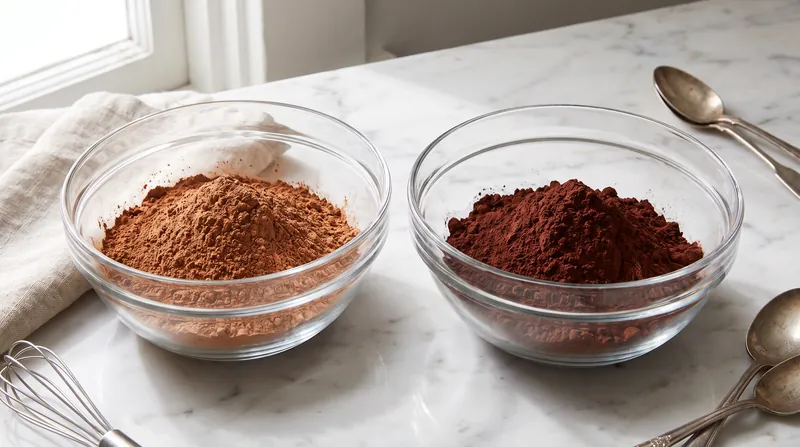
The pH 5.3 vs. pH 7.0 Difference: How Alkalization Separates Natural and Dutch-Process Cocoa Powder and Dictates Leavening
Recipe Developers 40%Food Scientists 40%Home Bakers 20%
ExplainerThermal Processing
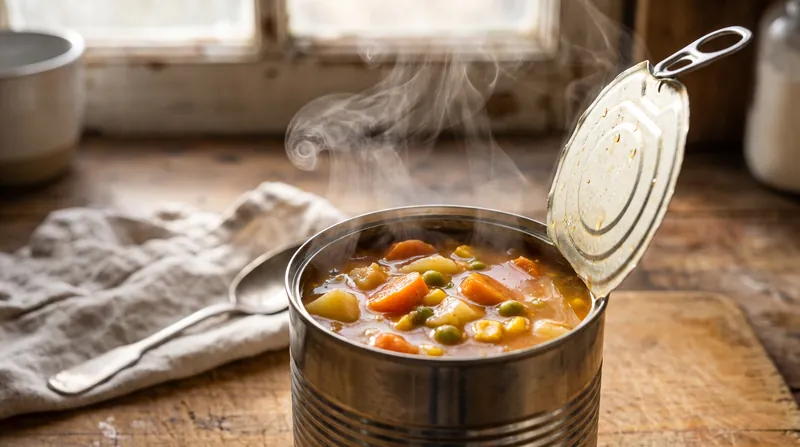
Thermal Death Time: How the D-Value and Z-Value Guarantee the Safety of Canned Food
Industrial Food Engineers 40%Public Health Regulators 35%Microbiologists 25%

ExplainerCBRN Defense
Survival, Sustainment, and Reconstitution: The Three Phases of CBRN Decontamination
Doctrinal Planners 40%Field Operations Analysts 30%CBRN Defense Researchers 30%
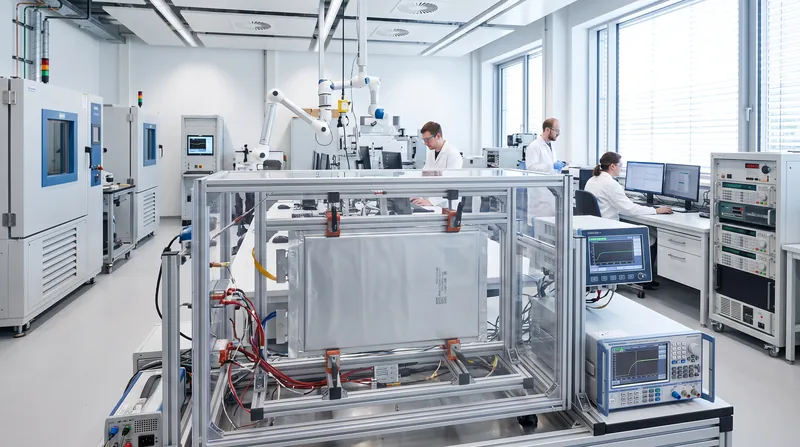
LMR Battery TechResearch Breakthrough
LG Energy Solution and Seoul National University Resolve Gas Buildup in Cobalt-Free LMR Batteries
Commercial Battery Developers 50%Materials Science Researchers 50%
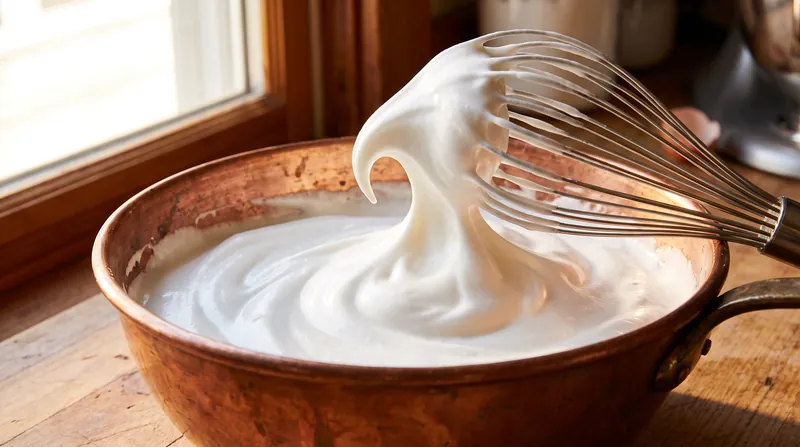
ExplainerFood Chemistry
How Potassium Bitartrate Prevents Disulfide Bonds from Forming in Egg White Foam
Culinary Scientists 40%Food Technologists 35%Biochemists 25%

ExplainerDiesel Emissions
How Urea Injection and Thermal Chemistry Erase Nitrogen Oxides in Diesel Exhaust
Automotive Engineers 40%Fleet Operators 30%Environmental Regulators 30%
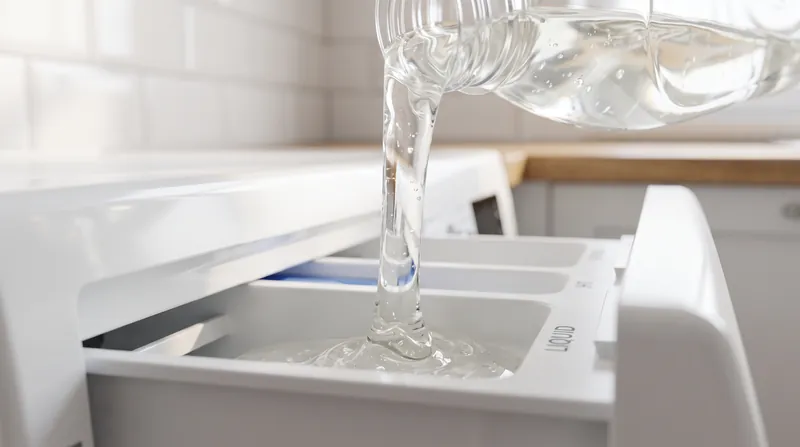
ExplainerDetergent Chemistry
Molecular Charge, Not Suds, Dictates Laundry Detergent and Fabric Softener Performance
Chemical Formulators 40%Appliance Engineers 35%Environmental Scientists 25%
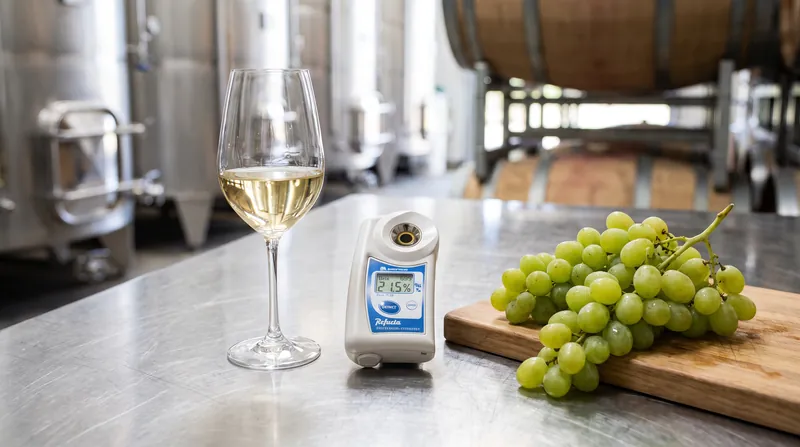
ExplainerWine Labeling
The 4 g/L Residual Sugar Threshold That Legally Defines a Dry Wine in the EU and US
European Regulators 40%US Federal Framework 35%Health-Conscious Consumers 25%
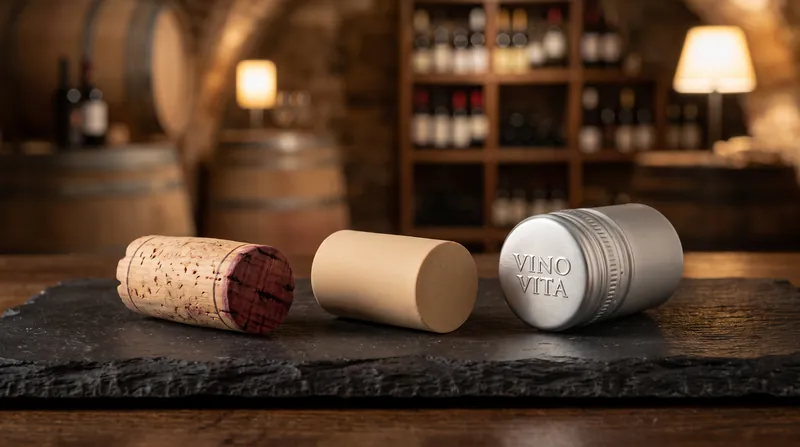
ExplainerWine Science
The 1 mg/year Oxygen Transmission Rate: How Closure Type Dictates Fine Wine Longevity and Flavor Profile
Technical Winemakers 45%Traditionalists 35%Consumer Analysts 20%

ExplainerCocktail Chemistry
The Titratable Acidity and pH Range That Define a Balanced Cocktail Sour
Modern Mixologists 40%Culinary Scientists 35%Enologists and Brewers 25%
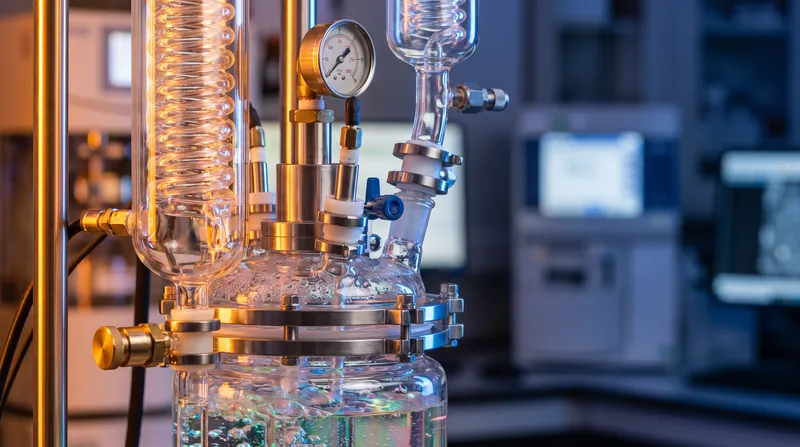
ExplainerReaction Dynamics
Thermodynamic vs. Kinetic Control: How Temperature and Catalysts Dictate Chemical Reaction Outcomes
Synthetic Chemistry 35%Physical Chemistry 35%Biochemistry 30%
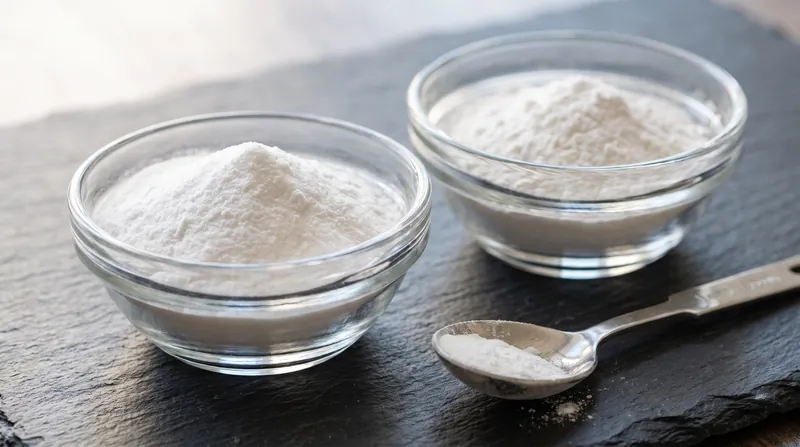
ExplainerFood Chemistry
Why Baking Soda Requires an Acidic Batter to Leaven, and How Baking Powder Solved the Problem
Culinary Chemistry 50%Food Science Research 50%
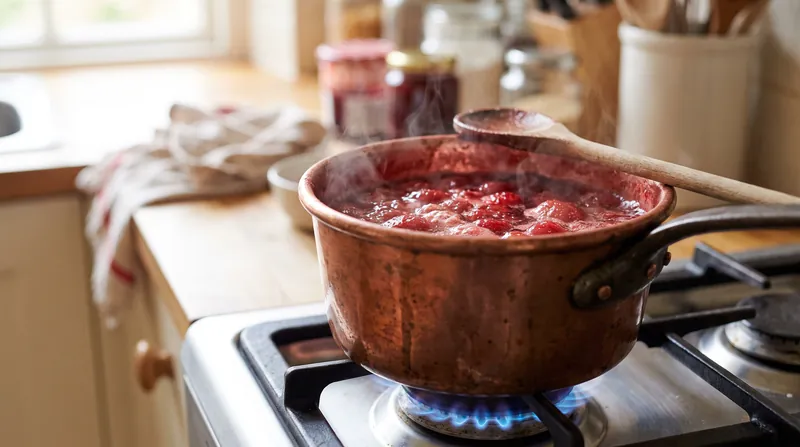
ExplainerFood Chemistry
The pH 3.2 Threshold and 60% Sugar Concentration That Allow Pectin to Form a Gel
Commercial Manufacturers 35%Culinary Educators 35%Academic Food Scientists 30%
ExplainerFood Chemistry
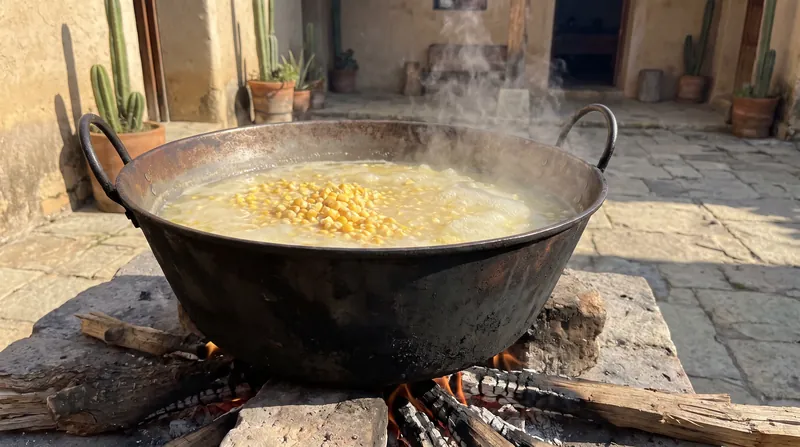
How an Alkaline Steep of Calcium Hydroxide Unlocks Niacin and Gelatinizes Starch in Raw Maize
Food Scientists & Nutritionists 40%Traditional Culinary Preservationists 35%Industrial Masa Producers 25%
ExplainerEmissions Tech
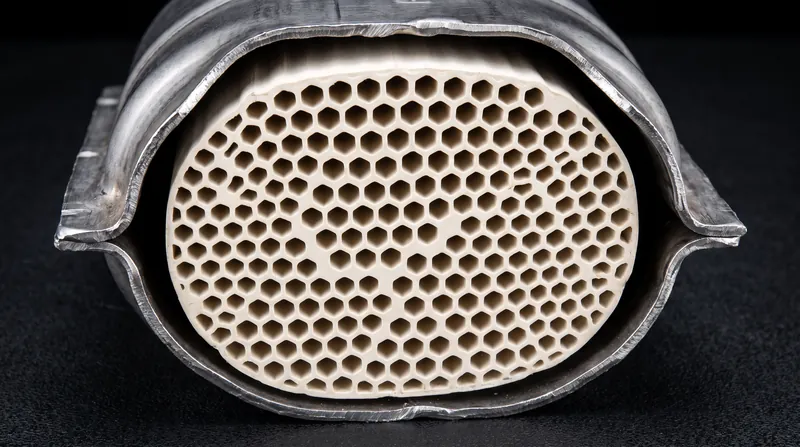
How Platinum, Palladium, and Rhodium Drive the Three-Way Catalytic Converter
Automotive Engineers 35%Consumer Advocates 35%Materials Scientists 30%
Per page