
The Guaiacol-Syringol Balance: How Hardwood Pyrolysis Temperatures Dictate Barbecue Flavor
The signature taste of smoked meat relies on a delicate chemical ratio between two phenolic compounds, guaiacol and syringol, which only form when hardwood burns within a strict 40-degree temperature window.
By Lan Xu

Share this story
In short
- The signature flavor of barbecue comes from guaiacol and syringol, two compounds created when wood lignin breaks down.
- These flavor molecules only peak when the wood burns within a strict 380°C to 420°C temperature window.
- Temperatures above 420°C destroy sweet syringol, leaving behind bitter, acrid compounds that ruin the meat.
Inside the sensory evaluation lab at Texas Woman's University, the air does not smell like a backyard cookout—it smells like a precision chemistry experiment. When researchers drop crushed pecan shells onto a heating element calibrated exactly to 400°C, a thin, pale blue vapor instantly curls upward. At this specific temperature, the wood's rigid structure fractures, releasing a sweet, vanilla-laced aroma that coats the back of the throat.
But when the dial is nudged just 50 degrees hotter, the smoke turns thick, gray, and acrid, stinging the eyes and smelling faintly of burnt asphalt. That split-second shift in the air is the physical manifestation of hardwood pyrolysis, the thermal decomposition that separates legendary barbecue from bitter, over-smoked meat.[4]
For generations, pitmasters have debated the merits of hickory versus oak, or apple versus cherry, treating the wood species as the ultimate arbiter of flavor. But the chemical reality is far more universal. All hardwoods are composed of cellulose, hemicellulose, and lignin.
While the first two provide the heat and the underlying caramel notes, it is the lignin that dictates the signature aroma of barbecue. When lignin burns, it breaks down into a complex cocktail of volatile phenolic compounds, and two of these molecules—guaiacol and syringol—are entirely responsible for what humans perceive as smoke flavor.[6]
In a 2026 review of smoking-specific flavor compounds, industry analysts noted that guaiacol is the foundational building block of barbecue. It is a robust, spicy, and slightly medicinal compound that triggers the primal receptors in the human palate associated with wood fire.
If you have ever tasted a piece of smoked brisket that tasted sharply of campfire, you were tasting a high concentration of guaiacol. However, guaiacol alone is aggressive. It requires a chemical partner to soften its edges and transform the harshness of burning wood into the savory, mouth-watering aroma of cooked food.[5]
That partner is syringol. Syringol is a heavier, more complex molecule that delivers a rich, sweet, and almost floral smokiness. It is the compound that makes barbecue smell appetizing rather than merely burnt. In a perfectly managed fire, the wood releases these two compounds in a delicate balance, ideally approaching a ratio where syringol outnumbers guaiacol by two to one. This 1:2 ratio is the holy grail of meat smoking, creating a flavor profile that is simultaneously deeply savory and subtly sweet.[3]
The challenge is that guaiacol and syringol do not emerge from the wood at the same time, nor do they survive the same conditions. The release of these compounds is entirely dictated by the temperature of the wood itself—not the ambient temperature of the smoker, but the localized heat of the glowing coals breaking down the fresh logs. Below 300°C, the wood simply dehydrates and smolders, releasing water vapor and uncombusted carbon that tastes like ash. The lignin remains largely intact, and the meat takes on a stale, dusty flavor.[1][2]
The magic window opens at exactly 380°C. At this threshold, the lignin begins to rapidly depolymerize, and the wood releases a massive surge of both guaiacol and syringol. As the temperature climbs to 400°C, the production of these sweet and spicy phenols hits its absolute peak. This is the temperature that produces the legendary thin blue smoke—a vapor so fine and rich in volatile aromatics that it is nearly transparent. Meat bathed in this specific smoke absorbs the perfect 1:2 ratio, developing a mahogany crust and a deeply complex flavor.[2]
But this chemical sweet spot is incredibly fragile. If the firebox is allowed to flare up and the wood temperature pushes past 420°C, the delicate syringol molecules begin to shatter. The sweet, floral notes are instantly destroyed, replaced by secondary degradation products like cresols and heavy catechols. These high-heat compounds are aggressively bitter, leaving a numbing, acrid sensation on the tongue that ruins the meat. The guaiacol survives the higher heat, meaning the food still tastes smoky, but it completely loses its sweetness.[1]
This thermal reality explains why managing a barbecue pit is so notoriously difficult. A pitmaster is not just trying to keep the cooking chamber at a steady 225°F to render the fat; they are simultaneously trying to keep the wood in the firebox burning at exactly 400°C. If they choke the airflow to lower the cooking temperature, the wood smolders below 300°C and produces dirty, ashy smoke. If they open the vents too wide, the wood ignites into a roaring fire, pushing past 450°C and destroying the syringol.[6]
The most successful barbecue restaurants manage this by separating the heat source from the flavor source. They build a massive bed of glowing coals that provides the ambient heat, and then carefully place single splits of hardwood on the periphery of the fire. The radiant heat from the coals gently pushes the fresh wood into that perfect 380°C to 420°C pyrolysis window, allowing it to off-gas pure guaiacol and syringol without ever bursting into a high-heat flame.[5][7]
Different hardwoods do offer slight variations in this process, which is why regional barbecue styles persist. Pecan and hickory have slightly different lignin structures than oak or mesquite, meaning they release their syringol at slightly different rates within that 40-degree window. But the fundamental chemistry remains identical. A poorly managed hickory fire will always taste worse than a perfectly managed oak fire, because the temperature of the pyrolysis matters infinitely more than the species of the tree.[4]
Understanding this guaiacol-to-syringol ratio transforms barbecue from a mystical art into a controllable science. It shifts the cook's attention away from the thermometer on the lid of the smoker and toward the color and smell of the exhaust. When the smoke is thick and white, the wood is too cold. When the smoke is invisible and smells like a furnace, the wood is too hot. But when the smoke is thin, blue, and smells faintly of vanilla and spice, the chemistry is perfect.[4][7]
The pursuit of great barbecue is entirely dictated by this specific chemical reaction. By learning to read the fire and control the pyrolysis temperature, any cook can harness the power of lignin degradation. The best flavors in the culinary world are not born from secret recipes, expensive equipment, or closely guarded regional traditions. They emerge from a precise understanding of how heat transforms the natural world, and the discipline required to keep that heat exactly where it belongs—anchored firmly at 400°C.[7]
Terms to know
- Pyrolysis
- The thermal decomposition of organic material at elevated temperatures, which in barbecue refers to wood breaking down into flavor compounds.
- Lignin
- The complex organic polymer in the cell walls of wood that breaks down into smoky and sweet flavor molecules when heated.
- Guaiacol
- A phenolic compound released during wood pyrolysis that provides the foundational spicy, smoky flavor in barbecue.
- Syringol
- A heavy phenolic compound that gives barbecue its signature sweet, rich, and appetizing aroma.
- Depolymerization
- The chemical process where large molecules like lignin break down into smaller, volatile flavor compounds under heat.
Questions readers ask
Why does my smoked meat taste bitter?
Bitter flavors occur when the wood burns too hot (above 420°C), which destroys sweet syringol molecules and creates harsh, acrid compounds called cresols.
What is the 'thin blue smoke' pitmasters talk about?
Thin blue smoke is the visual indicator that wood is burning in the optimal 380°C to 420°C window, releasing maximum flavor compounds without excess carbon.
Does the type of wood matter as much as the temperature?
While different woods have slightly different lignin structures, temperature is far more important; a perfectly managed oak fire will always taste better than a poorly managed hickory fire.
Different angles
Culinary Chemists
Focuses on the molecular breakdown of lignin and precise temperature thresholds to maximize syringol yield.
For food scientists and chemists, barbecue is fundamentally a study in thermal degradation. By analyzing the exact temperatures at which cellulose, hemicellulose, and lignin break down, researchers can map the precise moment when desirable phenols like guaiacol and syringol are created. Their data shows that pushing wood past 420°C rapidly destroys these complex molecules, replacing them with harsh cresols. This perspective argues that perfect barbecue is achieved through strict temperature control of the wood itself, treating the firebox as a laboratory instrument rather than a campfire.
Traditional Pitmasters
Relies on sensory cues like the color of the smoke and the smell of the exhaust to manage the firebox naturally.
While pitmasters may not use terms like depolymerization or phenolic compounds, their traditional methods are entirely aligned with the chemistry of pyrolysis. A skilled cook manages the fire by watching the exhaust stack; they know that thick, white smoke means the wood is smoldering too coldly, while invisible, harsh-smelling heat waves mean the fire is roaring too hot. By aiming for 'thin blue smoke,' they are naturally keeping the wood in the exact 380°C to 420°C window required to maximize the guaiacol-to-syringol ratio, relying on generational intuition rather than digital thermometers.
Commercial Flavorists
Utilizes controlled pyrolysis in laboratory settings to capture and condense these specific phenols into liquid smoke products.
In the commercial food industry, the goal is to extract the flavor of barbecue without the unpredictability of a live fire. Flavorists use highly controlled pyrolysis chambers to burn hardwood at exactly 400°C, capturing the resulting vapor and condensing it into a liquid. By maintaining this strict temperature, they ensure the resulting liquid smoke is rich in sweet syringol and spicy guaiacol, while entirely avoiding the bitter cresols and heavy tars that form at higher temperatures. This allows them to standardize the flavor profile for mass-market snacks and sauces.
- Culinary Chemists
- Focuses on the molecular breakdown of lignin and precise temperature thresholds to maximize syringol yield.
- Traditional Pitmasters
- Relies on sensory cues like the color of the smoke and the smell of the exhaust to manage the firebox naturally.
- Commercial Flavorists
- Utilizes controlled pyrolysis in laboratory settings to capture and condense these specific phenols into liquid smoke products.
Perspectives this story doesn't cover
- Health researchers studying the carcinogenic properties of high-heat wood smoke
- Environmental regulators monitoring particulate emissions from commercial barbecue pits
Sources
Source coverage
7 outlets
3 viewpoints surfaced






- [1]MDPICulinary Chemists
Identification of the Key Aroma Compounds in Condensed Hardwood Smoke
Read on MDPI → - [2]MDPICulinary Chemists
Characterization of the Aroma Profile of Food Smoke at Controllable Pyrolysis Temperatures
Read on MDPI → - [3]American Chemical SocietyCulinary Chemists
Syringol
Read on American Chemical Society → - [4]Texas Woman's UniversityCulinary Chemists
INVESTIGATION OF SMOKE FLAVORING DEVELOPMENT, FLAVOR PROFILE, AND POLYPHENOLS IN PECAN SHELLS
Read on Texas Woman's University → - [5]flavorist.comCommercial Flavorists
Smoking-Specific Flavor Compounds in Smoked Foods
Read on flavorist.com → - [6]ReAgent ChemicalsTraditional Pitmasters
The Chemistry Behind a Barbecue
Read on ReAgent Chemicals → - [7]Factlen Editorial Team
Synthesis by Factlen editorial team
Read on Factlen Editorial Team →
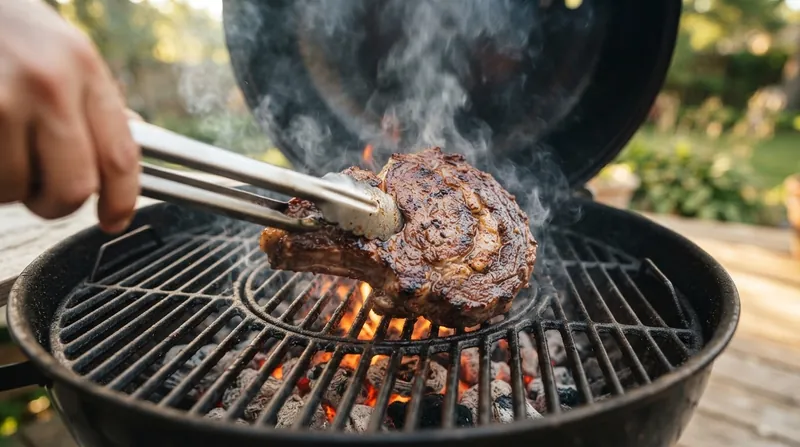
More in Food & Drink
See all →Culinary Science
The 8°F Internal Temperature Drop: How Resting Meat Allows Muscle Fibers to Reabsorb Released Moisture
6 sources
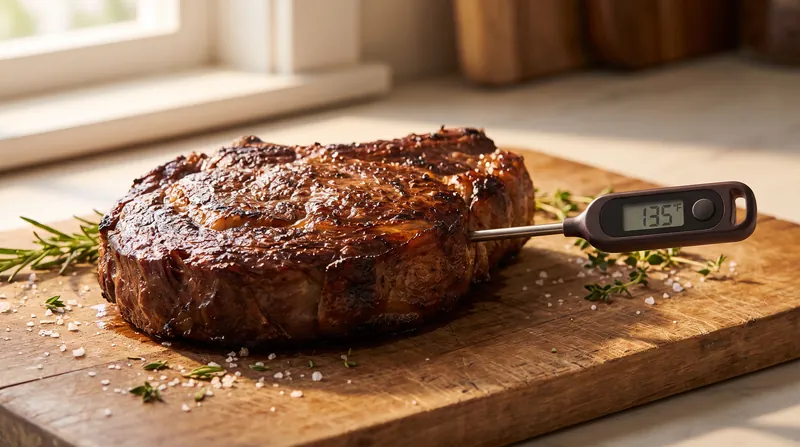
Meat Processing
USDA Directs $50 Million to State Meat Inspection Programs to Ease Local Processing Bottlenecks
6 sources
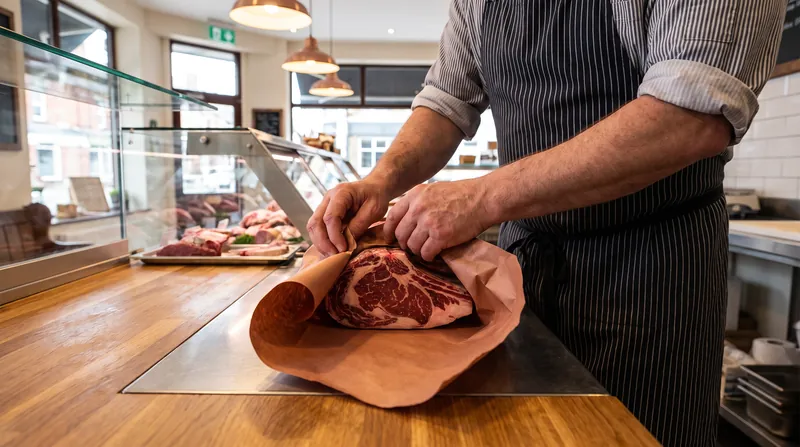
Culinary Chemistry
The 300°C Fat Pyrolysis Threshold: How Dripping Fat Creates Polycyclic Aromatic Hydrocarbons on a Grill
6 sources
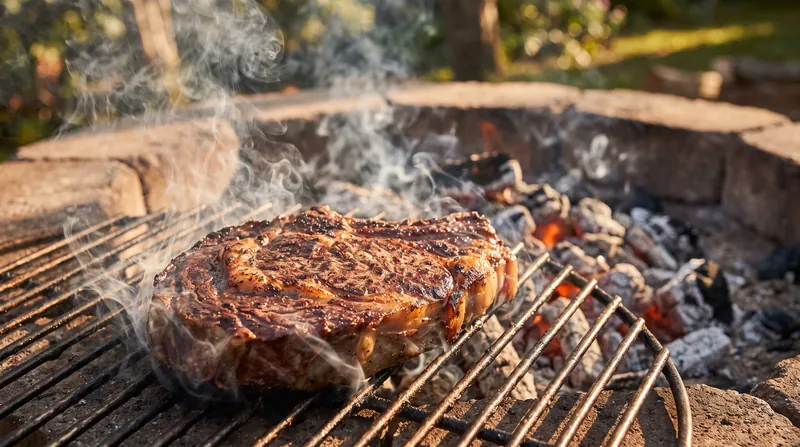
Meat Supply
USDA Lowers 2026 Beef and Pork Production Forecasts on Slower Slaughter and Lighter Weights
3 sources

Comments
Every angle. Every day.
Get Food & Drink stories with full source coverage and perspective breakdowns, free every day.