
How Grillers Are Beating the 2026 Beef Price Spike With Creative Protein Swaps
With ground beef prices up 14% this summer, backyard chefs are pivoting to smoked chicken, lean pork, and creative sides to keep cookout costs down.
By Baran Demir

Share this story
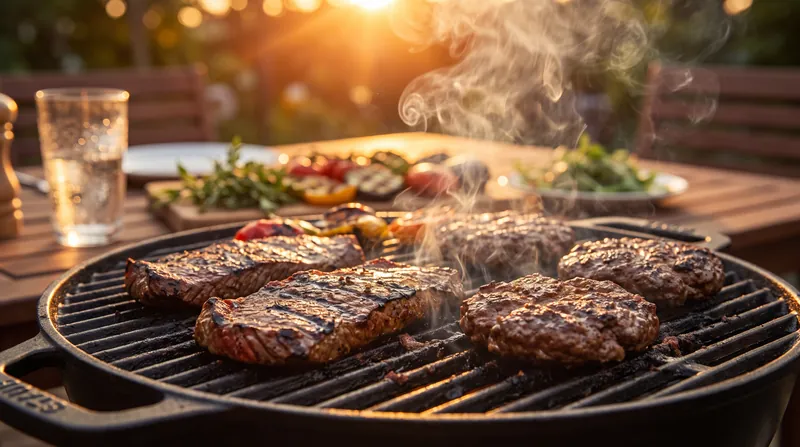
As the 2026 summer grilling season hits its stride across the United States, backyard chefs are encountering unprecedented sticker shock at the meat counter. Ground beef, long considered the undisputed, budget-friendly king of the American cookout, has seen its retail price surge to record highs, forcing families to fundamentally rethink their holiday menus.
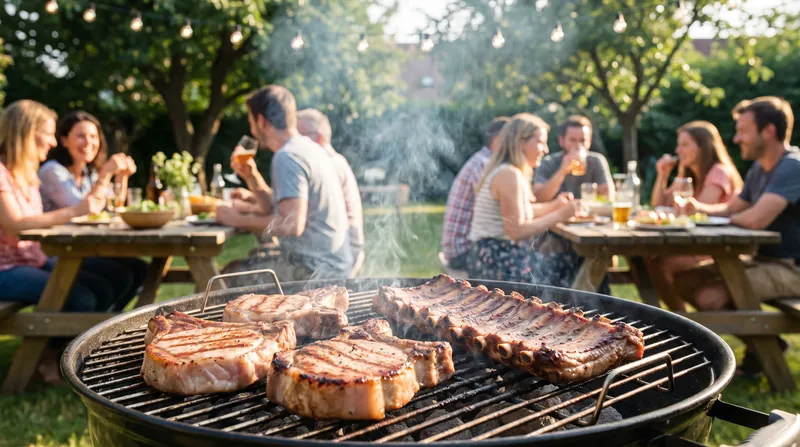
From neighborhood block parties to intimate family dinners, the rising cost of red meat has become the central talking point of the summer. However, rather than canceling their outdoor gatherings, resilient consumers are treating this economic hurdle as an opportunity to diversify their grills, exploring new flavors and cooking techniques that keep the spirit of the barbecue alive without breaking the bank.[1][2]
The sheer scale of the price increase becomes apparent when looking at the broader economics of hosting a gathering. The Wells Fargo Agri-Food Institute estimates that putting together a comprehensive, fully-stocked summer barbecue for ten people now costs an average of $161.
While the overall cost of the gathering is up a relatively modest 2.4% from the previous year—largely tracking with broader economic inflation—the real pain point for consumers lies directly in the protein selection. Hamburger beef alone has skyrocketed by an astonishing 14% year-over-year, transforming what was once the cheapest item in the grocery cart into a premium purchase that requires careful budgeting and strategic meal planning.
Faced with these daunting numbers, American shoppers are adapting with remarkable culinary creativity rather than abandoning their cherished backyard traditions. Across the country, consumers are actively pivoting away from the traditional, beef-heavy spreads that have dominated summer holidays for decades.
Instead of viewing the classic quarter-pound hamburger as the mandatory default, hosts are increasingly treating red meat as a luxury item or a specialty feature. This shift in mindset has opened the door to a wider variety of alternative proteins, allowing grill masters to keep their cookouts affordable while simultaneously introducing their guests to a broader spectrum of smoked and grilled delicacies.[2][4]
In this shifting landscape, chicken and pork have quickly emerged as the financial and flavorful heroes of the 2026 grill. With wholesale poultry costs remaining relatively soft compared to the soaring prices of red meat, chicken offers a highly versatile, budget-friendly centerpiece that appeals to a wide range of palates.
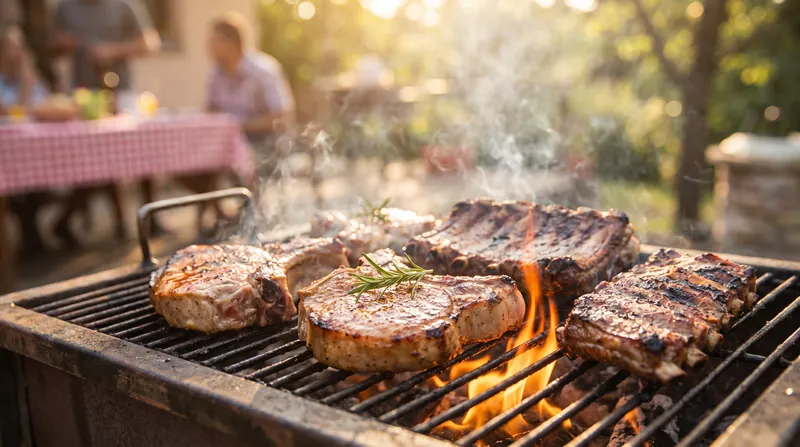
Whether it is a whole butterflied chicken absorbing the rich aroma of hickory smoke, or marinated thighs sizzling over charcoal, poultry provides an excellent canvas for pitmasters to showcase their skills. Similarly, pork cuts like ribs and shoulders offer the classic, slow-cooked barbecue experience at a fraction of the cost of a beef brisket.[3]
The American Farm Bureau Federation's annual summer cookout survey starkly illustrates the economic divide between these different protein options. According to their nationwide data collection, the cost of two pounds of ground beef jumped to $14.06, representing a 5.5% increase within their specific market basket of goods.
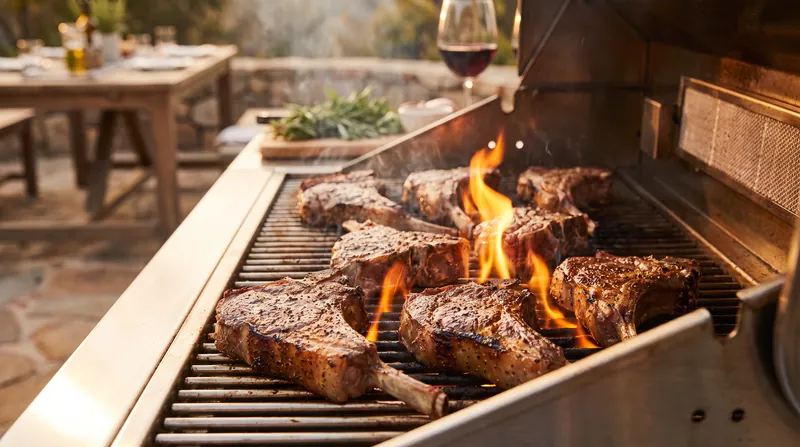
In stark contrast, two pounds of chicken breasts and three pounds of pork chops experienced much milder price bumps of 3.5% and 4.7%, respectively. When feeding a large crowd, these seemingly small percentage differences translate into significant dollar savings, making poultry and pork highly attractive, pragmatic substitutes for budget-conscious hosts looking to maximize their grocery budgets.
Interestingly, this economic pivot away from beef is dovetailing perfectly with broader health and wellness trends sweeping the culinary world. Pitmasters, food bloggers, and nutritionists are increasingly championing the concept of "Power Plates"—lighter, nutrient-dense barbecue menus built around lean smoked turkey, grilled chicken cutlets, and vibrant, vegetable-forward side dishes.
By stepping away from heavy, saturated fats, hosts are discovering that they can deliver all the bold, smoky flavors of a traditional cookout while offering meals that leave guests feeling energized rather than lethargic. This health-conscious approach has made the transition away from beef feel less like a financial compromise and more like a deliberate, positive lifestyle choice.[3]
Culinary pragmatists are also fundamentally changing how they architect and plate their barbecue meals. Rather than serving massive steaks or oversized burgers to every guest, hosts are treating beef as a specialty feature.
By serving smaller, gourmet sliders, delicate steak bites on skewers, or thinly sliced flank steak over a bed of greens, they can satisfy the crowd's craving for red meat without absorbing the full financial impact. The rest of the plate is then generously filled with affordable, slow-smoked pork shoulder, grilled seasonal fish, or hearty, complex side dishes, ensuring that no one walks away from the table hungry.[2][4]
To truly understand why this protein swap has become so necessary, one must look past the grocery store aisles and examine the underlying mechanics of the agricultural supply chain. The United States cattle herd has steadily shrunk over the past several years, recently hitting its lowest inventory level in 75 years. This historic contraction has created a profound, structural imbalance between the available supply of market-ready cattle and the consistently strong consumer demand for fresh beef, inevitably driving wholesale and retail prices to their current record-breaking heights.[1]
The primary driver behind this shrinking herd is a brutal combination of persistent, multi-year droughts and devastating wildfires that have scorched vital grazing lands across the American West and Midwest. Without adequate pasture grass or affordable supplemental feed, these harsh environmental conditions have forced generations of ranchers to make the difficult decision to liquidate their herds prematurely.
As breeding cows are sent to processing facilities rather than being kept on the ranch to produce future generations of calves, the overall capacity of the industry to generate new beef has been severely diminished.[1]
Compounding these severe environmental hurdles are unexpected international trade bottlenecks that have further restricted the flow of beef into the domestic market. Historically, the United States relied heavily on importing young Mexican cattle to fatten in domestic feedlots and slaughter for American consumers, providing a crucial buffer against domestic shortfalls.
However, Washington was forced to block those imports over a year ago due to a severe outbreak of the flesh-eating New World screwworm parasite in Mexico. This necessary biosecurity measure effectively severed a major supply artery just as domestic inventories were reaching their lowest point.[1]
Furthermore, the highly consolidated nature of the American meatpacking industry has drawn intense federal scrutiny, adding another layer of complexity to the retail cost of beef. Currently, just four major processing corporations control roughly 85% of the nation's beef processing capacity. The Department of Justice has launched an active investigation into these "big four" processors over allegations of price-fixing and collusion, examining whether this immense concentration of market power is artificially inflating the prices that everyday consumers are forced to pay at the supermarket checkout counter.[1]
Agricultural economists are quick to warn consumers that the current beef shortage is not a temporary, one-summer anomaly that will resolve itself by the fall. The biological reality of cattle ranching dictates a long, slow recovery process.
Because it takes at least two full years for a retained female heifer to mature, breed, and produce a market-ready animal, these supply constraints are structurally baked into the agricultural market. Experts project that meaningful price relief at the meat counter may not arrive until 2028 at the earliest, making the current protein pivot a long-term necessity rather than a short-term fad.[1]
In response to this "new normal" of elevated beef prices, savvy grocery shoppers are deploying advanced strategies to stretch their dollars and protect their summer entertainment budgets. Consumers are meticulously hunting for weekly circular promotions on poultry, buying pork shoulders and chicken thighs in bulk when prices dip, and utilizing deep freezers to lock in favorable rates weeks ahead of major holiday weekends.
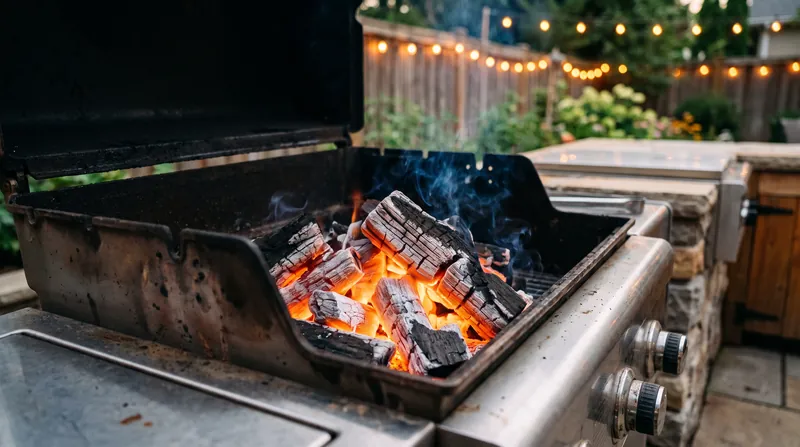
Additionally, many are opting to repair their existing grills rather than purchasing expensive new equipment, ensuring that their available funds are directed entirely toward high-quality food and beverages for their guests.[3][4]
Fortunately, the economics of classic barbecue side dishes are providing some much-needed financial relief to offset the cost of the main course. With potato prices dropping significantly and domestic egg-laying flocks fully recovered from previous highly pathogenic avian influenza outbreaks, the cost of essential ingredients has stabilized.
According to agricultural surveys, the cost of preparing a large batch of homemade potato salad has plummeted by nearly 18% compared to last year. These affordable, scratch-made sides offer a perfect, heavy-hitting complement to lighter grilled chicken or pork, ensuring the overall cost of the meal remains balanced.
Ultimately, the 2026 grilling season is proving to be a masterclass in consumer resilience, economic strategy, and culinary adaptation. By enthusiastically embracing new proteins, leaning into affordable scratch-made sides, and rethinking the fundamental architecture of the barbecue plate, backyard chefs are demonstrating that a successful cookout is not defined by the price of the meat.
Ultimately, the 2026 grilling season is proving to be a masterclass in consumer resilience, economic strategy, and culinary adaptation.
Key points
- Ground beef prices have surged up to 14% year-over-year, driving the average cost of a 10-person summer barbecue to $161.
- Consumers are actively swapping expensive red meat for budget-friendly alternatives like chicken breasts and pork chops.
- The beef shortage is driven by a 75-year low in the U.S. cattle inventory, exacerbated by severe droughts and blocked Mexican imports.
- Because rebuilding cattle herds takes at least two years, economists predict beef prices will remain elevated until at least 2028.
What we don’t know
- Whether the Department of Justice's ongoing antitrust investigation into the 'big four' meatpackers will result in any regulatory action or price relief.
- How quickly the U.S. cattle herd can actually be rebuilt if extreme weather patterns and droughts persist across the Midwest.
How we got here
2022–2025
Persistent droughts and wildfires across the American West force ranchers to liquidate their herds, steadily shrinking the U.S. cattle inventory.
Early 2025
The U.S. blocks cattle imports from Mexico following an outbreak of the New World screwworm parasite, further tightening domestic beef supplies.
May 2026
The average retail price of lean ground beef hits a record $8.62 per pound, according to the Bureau of Labor Statistics.
June 2026
The Wells Fargo Agri-Food Institute reports that the cost of hamburger beef for summer barbecues has surged 14% year-over-year.
July 2026
Consumers widely pivot to chicken and pork for Independence Day cookouts to offset the record-high costs of red meat.
- Culinary Pragmatists
- Focus on adapting menus and embracing alternative proteins to maintain the tradition of the summer cookout.
- Agricultural Economists
- Emphasize the structural, long-term supply chain factors driving the price spike.
- Cattle Producers
- Highlight the severe environmental and financial pressures facing the ranching community.
Perspectives this story doesn't cover
- Independent local butchers navigating wholesale price spikes
- Plant-based meat manufacturers capitalizing on the beef shortage
Sources
Source coverage
4 outlets
3 viewpoints surfaced




- [1]ReutersCattle Producers
US beef prices stay red-hot for summer cookouts
Read on Reuters → - [2]AxiosCulinary Pragmatists
Americans still want burgers and backyard cookouts
Read on Axios → - [3]Supermarket GuruCulinary Pragmatists
Grilling Season 2026: What's Really Driving Your Cookout Bill
Read on Supermarket Guru → - [4]AgWebCulinary Pragmatists
Higher beef prices and grocery inflation are pushing the cost of a backyard barbecue higher in 2026
Read on AgWeb →
More in Food & Drink
See all →Global Meat Trade
Global Lamb Prices Hit Record High on Oceania Supply Crunch Amid Tight Exportable Supplies
5 sources
Meat Supply Shift
U.S. Pork Production Projected to Exceed Beef in 2026 Amid Historic Cattle Shortage
5 sources
Charcoal Supply Chain
The Hidden Cost of the Flame: How Global Deforestation and Geopolitics Are Reshaping the Charcoal Market
6 sources
Beef Supply
U.S. Beef Prices Hit Record High as Cattle Herd Falls to 75-Year Low Amid Disease and Drought Pressures
7 sources
Comments
Every angle. Every day.
Get Food & Drink stories with full source coverage and perspective breakdowns, free every day.