
Chemistry
Follow Chemistry in the Factlen app and get an alert when there is news. Get the app
- All Science
- Space
- Physics
- Biology & Life Sciences
- Chemistry
- Astronomy & Cosmology
- Psychology
- Neuroscience
- Engineering
- Mathematics
- Archaeology
- Scientific Discoveries
- Climate
- Climate Science
- Environment
- Research
- Academic Research
- Ecology & Environment
- Genetics & Genomics
- Public Health
- Discoveries
- Physics & Space
- Biology & Medicine
Explainer
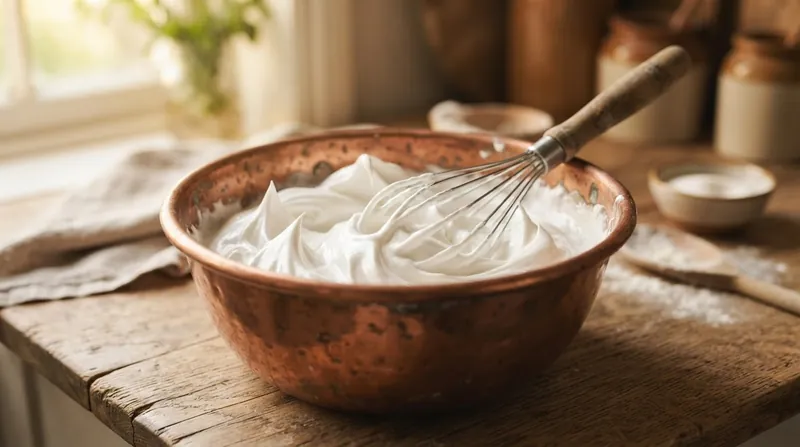
How Copper Bowls Prevent Egg Whites from Curdling Through Protein Chelation
3 sources · 17d ago
Explainer
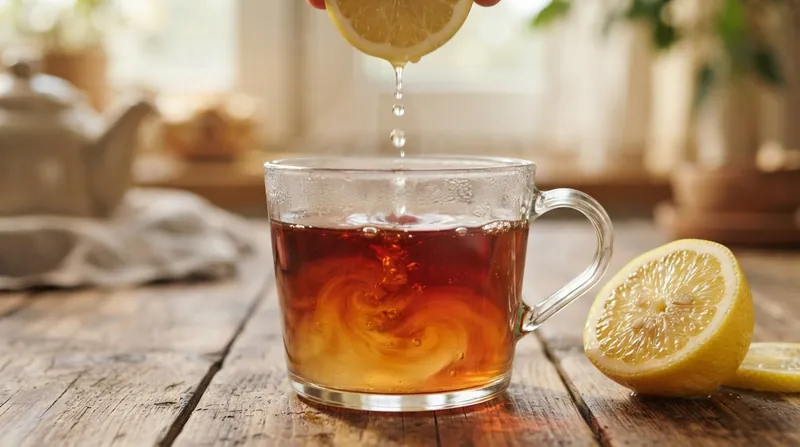
Protonating Thearubigins Alters Visible Light Absorption: Why Adding Lemon Juice Lightens Brewed Black Tea
5 sources · 17d ago
Explainer
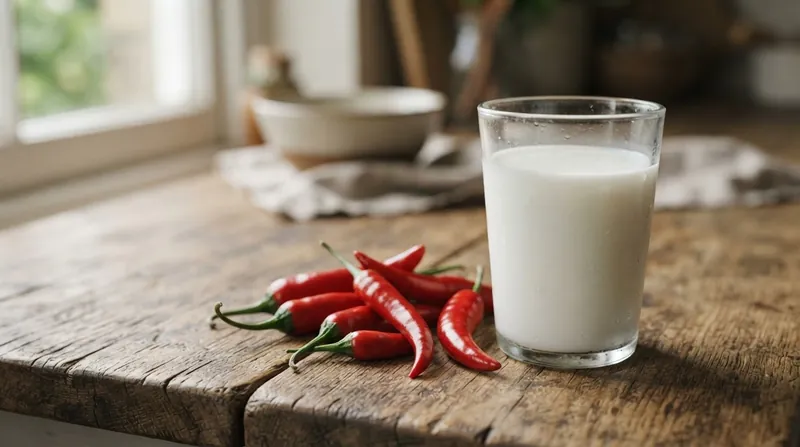
Hydrophobic Casein Micelles Bind Nonpolar Capsaicin: Why Dairy Quenches Chili Heat While Water Spreads It
4 sources · 17d ago
More in Chemistry
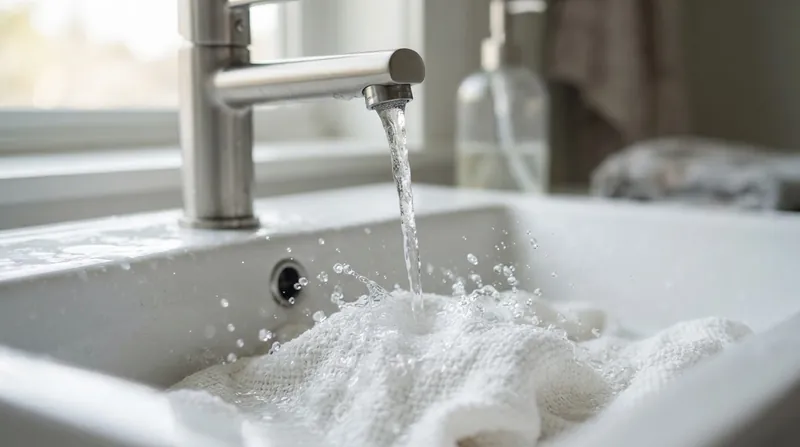
ExplainerLaundry Chemistry
Why Hot Water Permanently Sets Protein Stains in Fabric
Textile Chemists 50%Detergent Formulators 50%

ExplainerConcrete Chemistry
Premature Evaporation Halts Calcium Silicate Hydration: Why Fresh Concrete Must Retain Moisture Rather Than Dry Out
Structural Engineers 35%Residential Contractors 35%Material Scientists 30%
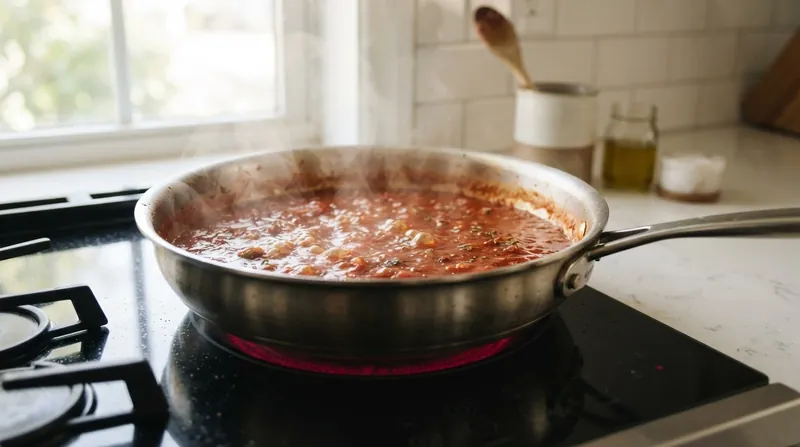
ExplainerCulinary Science
The Chemistry of the Simmer: Why Alcohol in Cooking Rarely Burns Off Completely
Culinary Traditionalists 50%Clinical Dietitians 50%
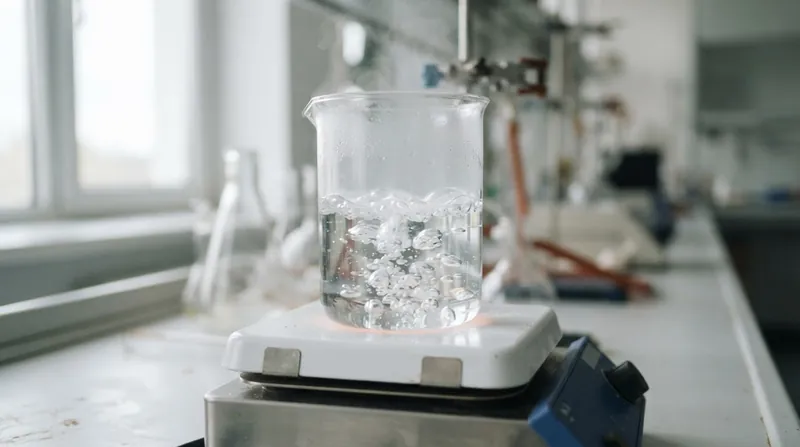
ExplainerPhysical Chemistry
Endothermic Autoionization Shifts Pure Water's Neutral Baseline From pH 7.00 to 6.14 at 100°C
Chemical Educators 40%Industrial Process Engineers 35%Thermodynamic Purists 25%
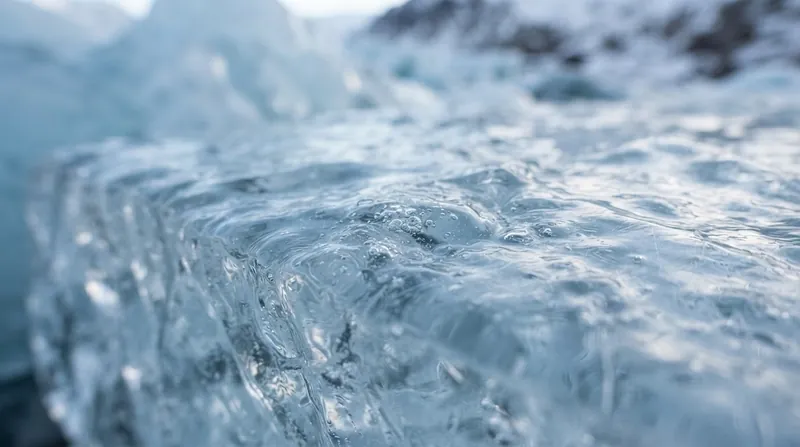
ExplainerSurface Premelting
The Molecular Mechanics of Slippery Ice: How Dangling Bonds and Surface Premelting Defy Classical Physics
Nanoscale Boundary Researchers 50%Applied Materials Engineers 30%Historical Physics Consensus 20%

Deep DiveBattery Tech
Flat Open-Circuit Voltage Curves Accumulate Coulomb Drift: Why LFP Electric Vehicles Require Regular 100 Percent Charges
Battery Management Engineers 40%EV Manufacturers 35%Battery Chemists 25%
ExplainerFood Chemistry
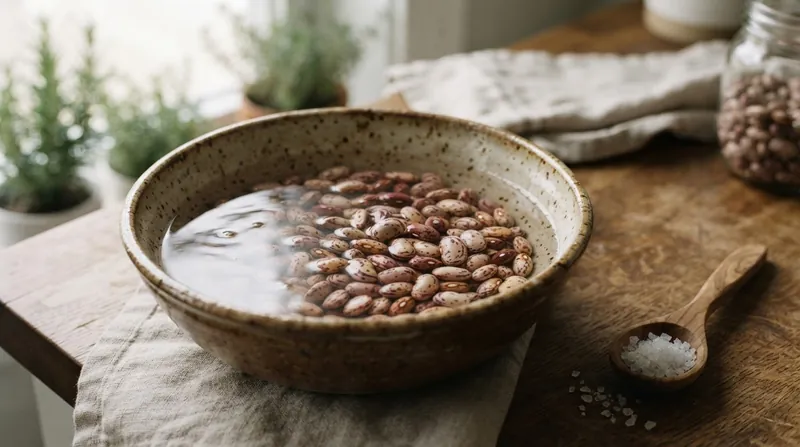
Sodium Ions Displace Divalent Minerals in Pectin: Why Salting Dried Beans Early Tenderizes Skins
Food Scientists 40%Test Kitchen Developers 40%Culinary Historians 20%
ExplainerPharmacology
Tissue Acidosis Protonates Local Anesthetics, Blocking the Cell Membrane Crossing Needed to Silence Pain
The Acidosis Consensus 60%The Sensitization Camp 25%The Peroxynitrite Hypothesis 15%
ExplainerFood Science
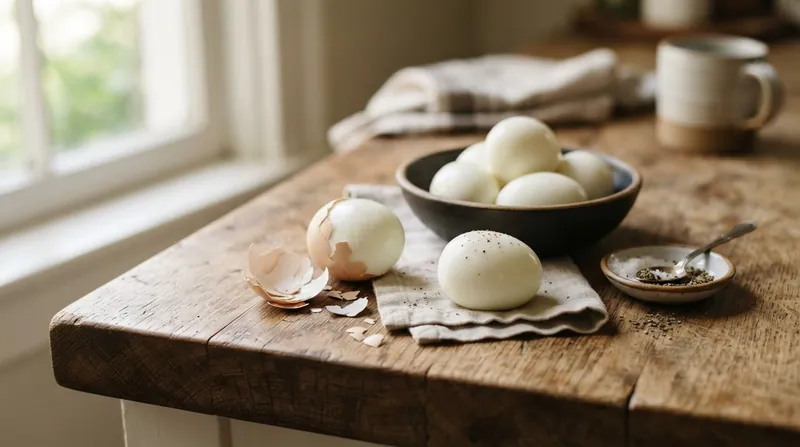
Albumen pH Above 8.9 Prevents Coagulating Egg Whites From Bonding to the Inner Shell Membrane
Food Scientists 45%Culinary Professionals 30%Commercial Egg Producers 25%
ExplainerLaundry Science
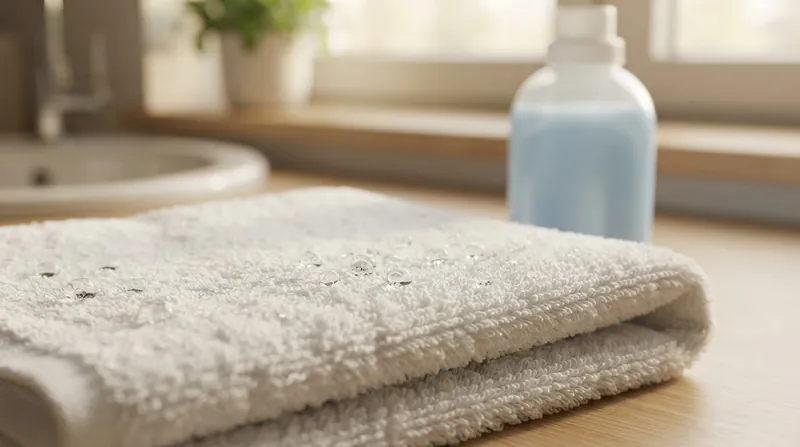
Cationic Surfactants Form a Hydrophobic Coating: Why Fabric Softeners Destroy Towel Absorbency and Clog Moisture-Wicking Sportswear
Textile Engineers 40%Chemical Manufacturers 30%Sustainable Laundry Advocates 30%
ExplainerMetabolic Health
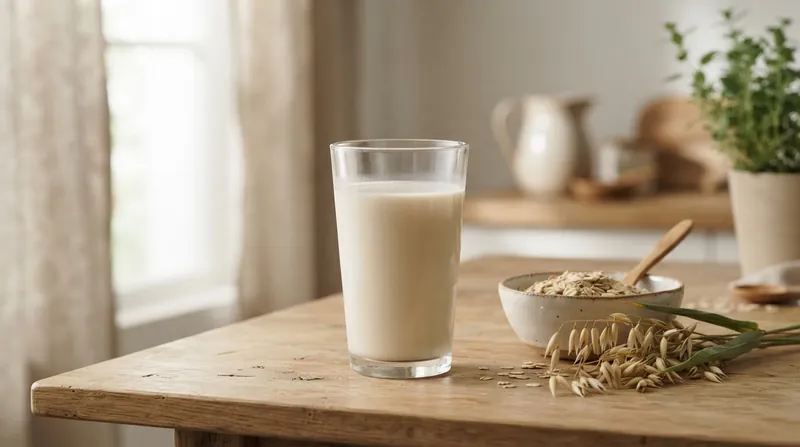
The Enzymatic Alchemy of Oat Milk: Why 'Unsweetened' Cartons Still Spike Blood Sugar
Metabolic Health Advocates 40%Food Science Critics 40%Plant-Based Sustainability Advocates 20%
ExplainerDIY Cleaning
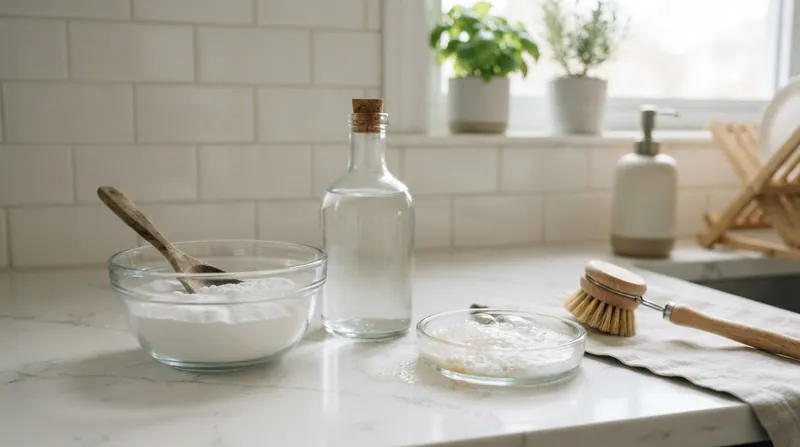
Why Mixing Vinegar and Baking Soda Cancels Out Their Cleaning Power
Chemistry Experts 60%DIY Cleaning Advocates 40%
ExplainerPhase Dynamics
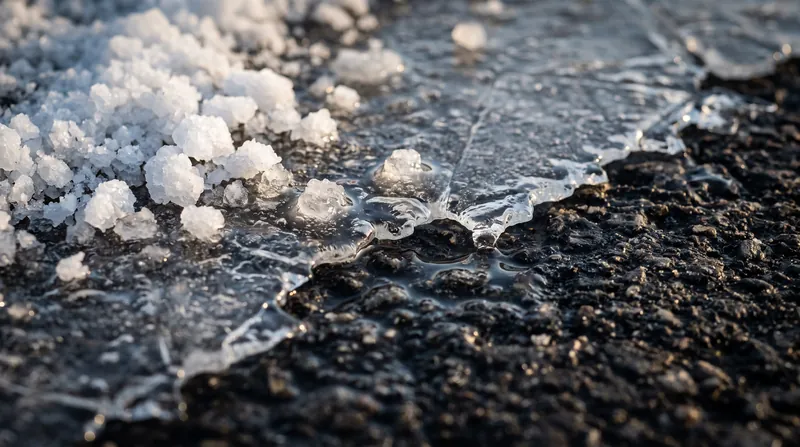
The 23.3% Salt Concentration That Mathematically Guarantees the Lowest Possible Freezing Temperature for Water
Physical Chemists 40%Municipal Infrastructure Engineers 40%Thermodynamic Theorists 20%
Deep DiveMolecular Geometry
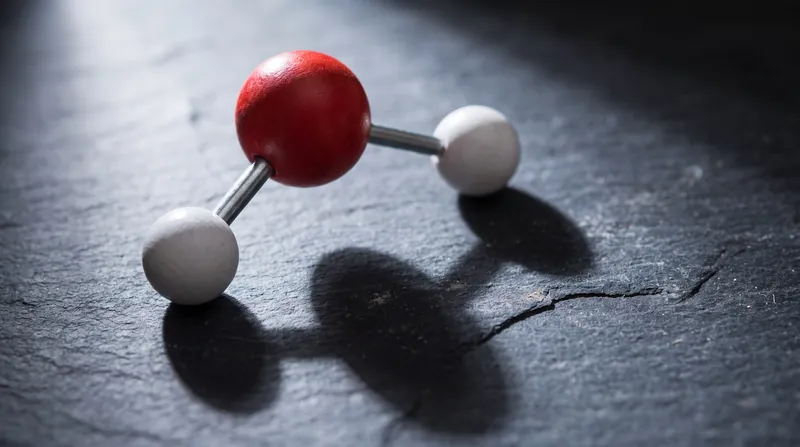
How Valence Electron Pair Repulsion Dictates the Three-Dimensional Shape of Molecules
Classical Structural Chemists 45%Quantum Chemists 35%Factlen Editorial Team 20%
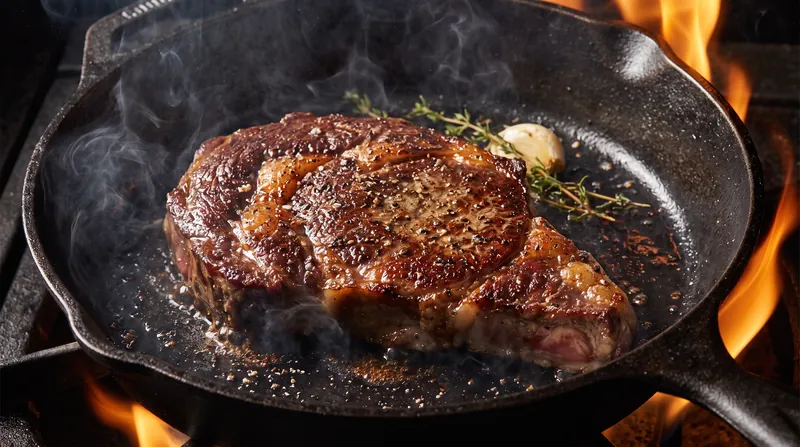
ExplainerFlavor Chemistry
The Strecker Degradation Pathway: How Amino Acids Decompose to Form Key Aromatics in Cooked Food
Molecular Gastronomy & Food Science 50%Applied Culinary Arts 50%
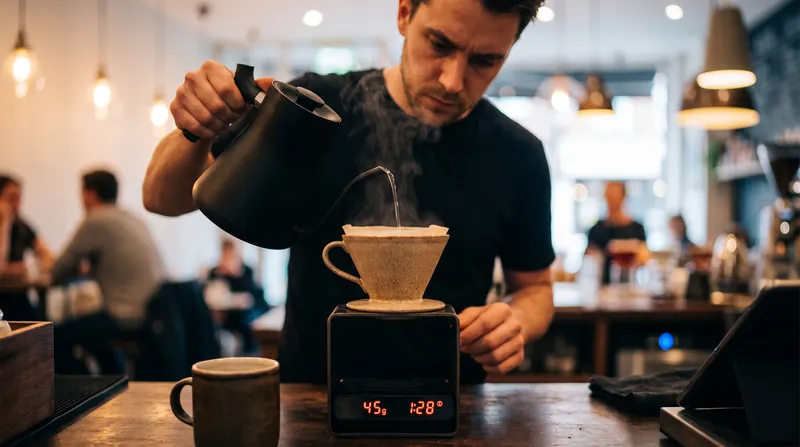
ExplainerCoffee Science
The 1:15 to 1:18 Ratio: How the Specialty Coffee Association's Golden Cup Standard Defines the Optimal Coffee-to-Water Proportion
Specialty Coffee Purists 40%Sensory Scientists 35%Home Brewing Enthusiasts 25%
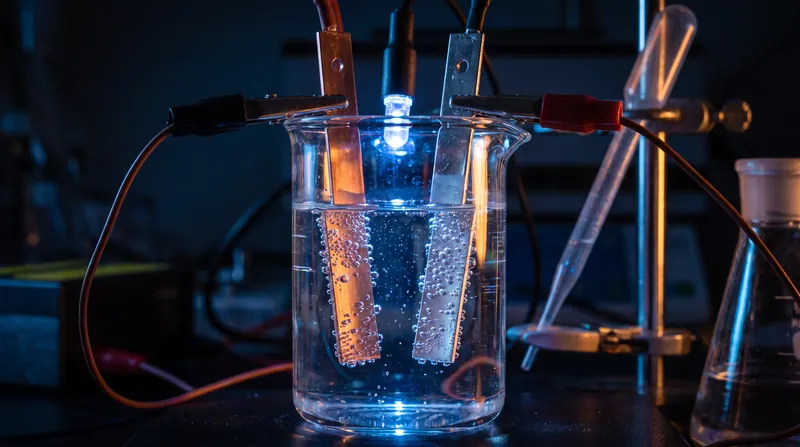
Green HydrogenScientific Breakthrough
AI-Directed Laboratory Discovers Iridium-Free Palladium Catalyst for Green Hydrogen Production
Materials Scientists 40%Clean Energy Industry 40%Resource Economists 20%
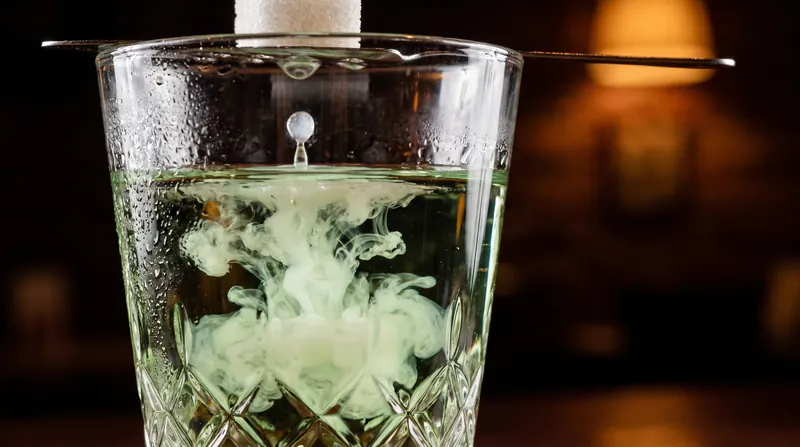
ExplainerSpirits Science
The Ouzo Effect: How Spontaneous Emulsification Creates the Milky Cloud in Anise Spirits
Fluid Dynamicists 35%Spirits Producers 35%Sensory Scientists 30%
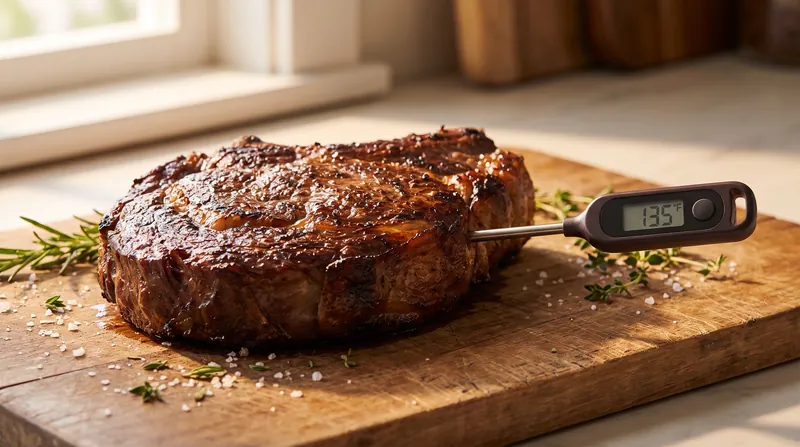
ExplainerCulinary Science
The 8°F Internal Temperature Drop: How Resting Meat Allows Muscle Fibers to Reabsorb Released Moisture
The Moisture Retention Camp 45%The Crust Preservation Skeptics 35%The Thermal Dynamics View 20%
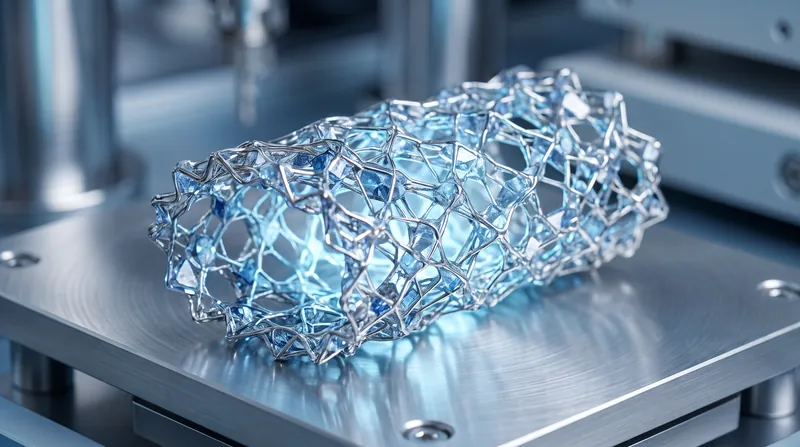
Boron AllotropesMaterials Breakthrough
New Boron Allotrope Is 10 Million Times More Conductive and Flexible
Materials Scientists 45%Synthetic Chemists 40%Theoretical Physicists 15%
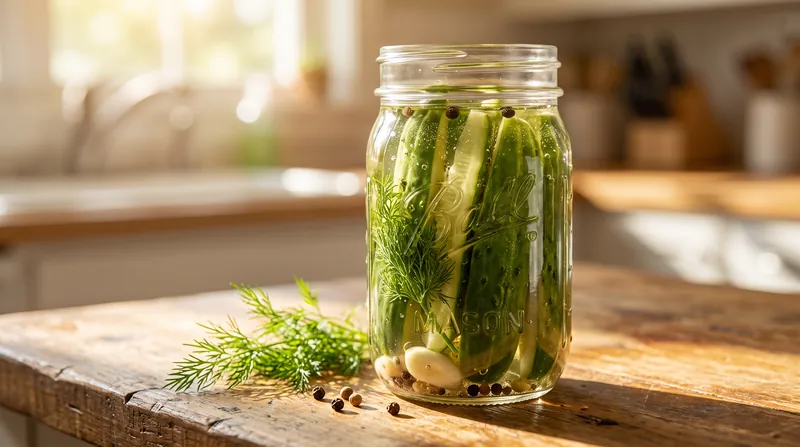
ExplainerFood Chemistry
The 4.6 pH Safety Line: How Acetic Acid Concentration Dictates the Microbial Stability of Vinegar-Based Pickles
Food Safety Regulators 40%Food Scientists 35%Home Preservationists 25%
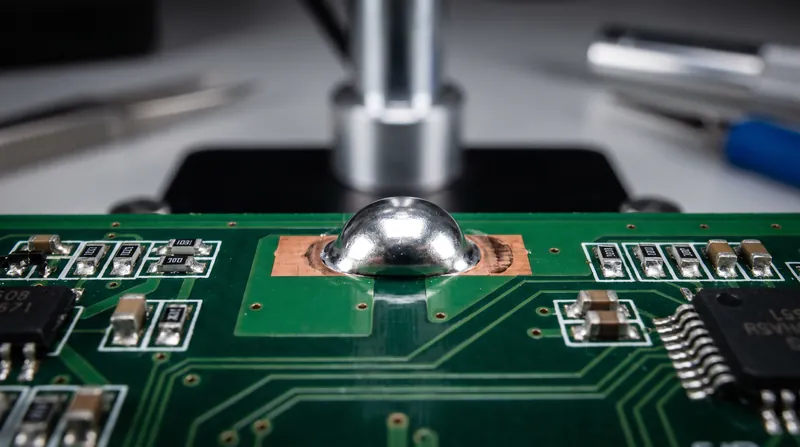
ExplainerThermodynamics
The Eutectic Point and the Phase Diagram: How a Mixture's Melting Point Can Be Lower Than Its Components
Materials Engineering 40%Pharmaceutical Formulation 35%Thermodynamic Research 25%
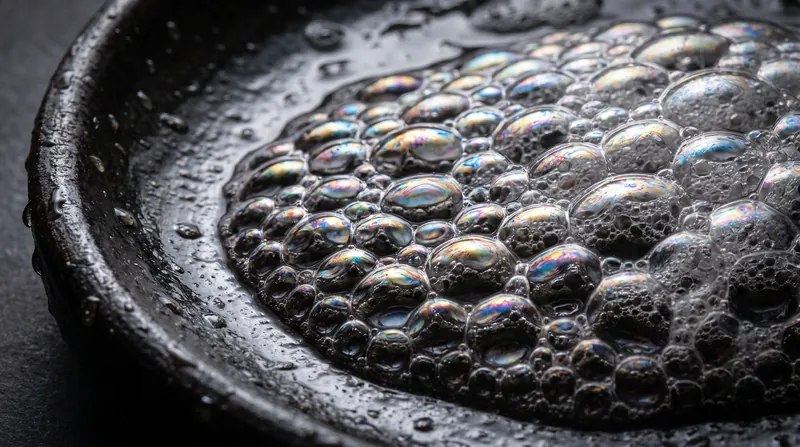
ExplainerSurfactant Chemistry
The Hydrophilic Head and Hydrophobic Tail: How the Micelle Structure Proves That Soap Works by Encapsulating, Not Dissolving, Grease
Formulation Chemists 40%Public Health Educators 35%Industrial Suppliers 25%
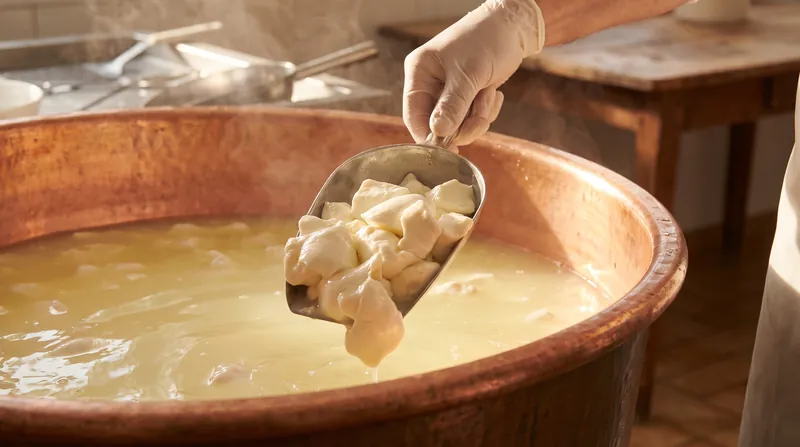
ExplainerDairy Chemistry
The Chymosin Mechanism: How Rennet Cleaves Kappa-Casein to Form a Stronger, More Elastic Cheese Curd than Acid
Dairy Chemists 40%Artisan Cheesemakers 30%Biotech Innovators 30%
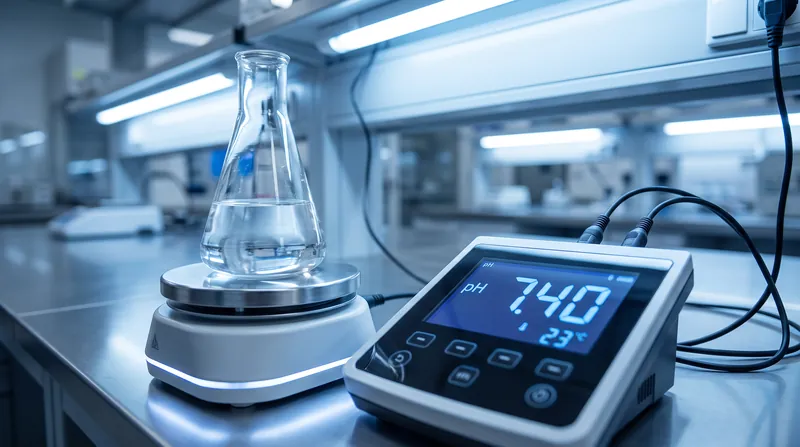
ExplainerBuffer Chemistry
The Henderson-Hasselbalch Equation: How the Ratio of Conjugate Base to Acid Determines Buffer pH
Clinical Physiologists 40%Analytical Chemists 35%Pharmacologists 25%
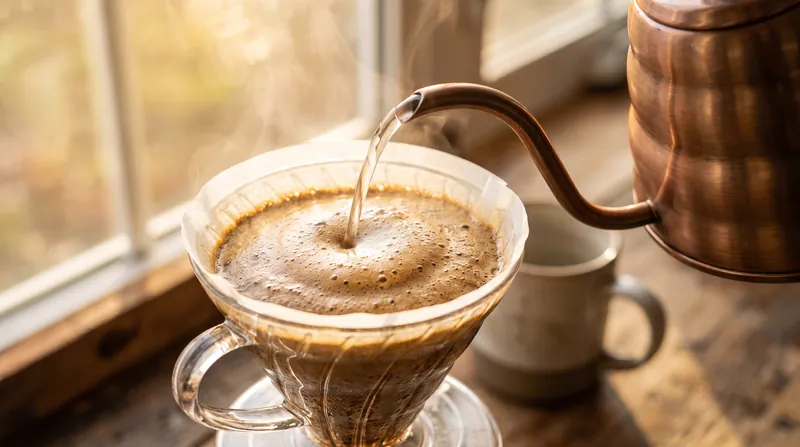
ExplainerCoffee Extraction
The 18% to 22% Extraction Yield: How the Golden Cup Standard Balances Acidity and Bitterness
Traditional Coffee Scientists 40%Modern Specialty Brewers 35%Espresso Researchers 25%
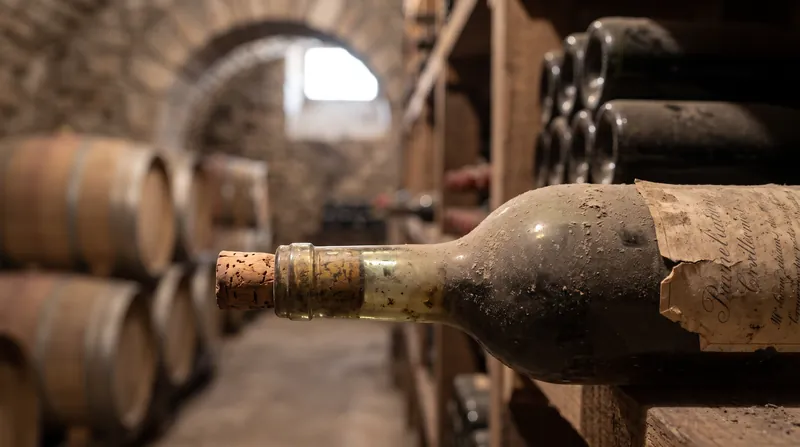
ExplainerWine Cellaring
The 55°F and 70% Relative Humidity Standard: How Temperature and Moisture Control the Aging Kinetics of Fine Wine
Enologists and Chemists 50%Collectors and Sommeliers 50%
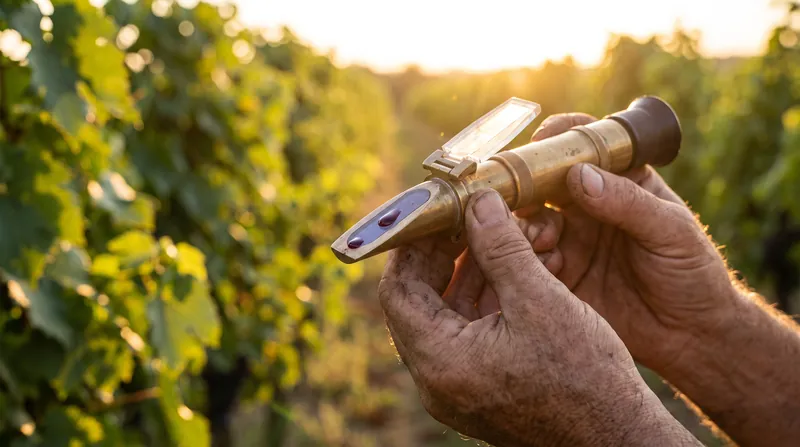
ExplainerHarvest Chemistry
The 22 to 24 Brix Range: How Sugar Concentration Dictates Potential Alcohol and Harvest Timing
Precision Viticulturists 40%Phenolic Traditionalists 35%Cool-Climate Producers 25%
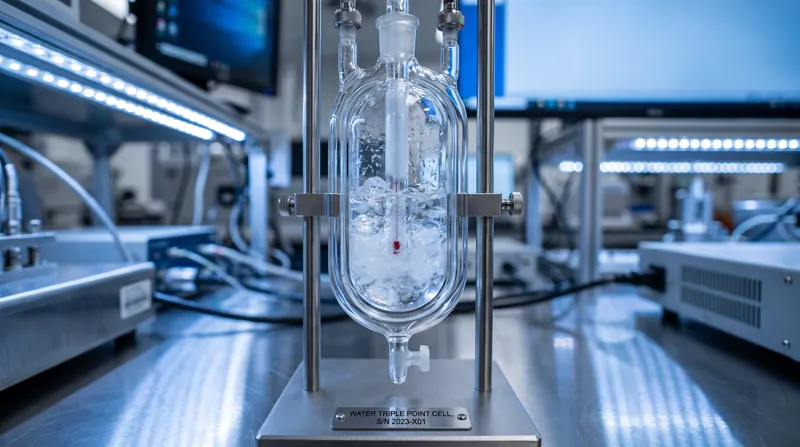
ExplainerThermodynamics
Why the F = C - P + 2 Formula Proves That Water Can Only Exist as a Solid, Liquid, and Gas at a Single Triple Point
Metrology & Standards 40%Theoretical Thermodynamics 30%Applied Materials Science 30%

ExplainerCocktail Science
The 66° to 68° Brix Window: How Sugar Concentration Dictates the Microbial Stability and Crystallization of Simple Syrup
Craft Bartenders 40%Culinary Scientists 35%Home Enthusiasts 25%

ExplainerBattery Chemistry
The 100% vs. 50% vs. 20% Rule: How Depth of Discharge Quadruples a Lithium-Ion Battery's Total Cycle Life
Maximum Longevity Advocates 45%System Integrators 30%Convenience-First Users 25%

ExplainerAmmonia Synthesis
The 450°C and 200 Bar Trade-Off: How the Haber-Bosch Process Converts Atmospheric Nitrogen to Ammonia
Industrial Chemical Engineers 45%Green Catalysis Researchers 45%Energy Policy Analysts 10%

ExplainerOzone Chemistry
The Catalytic Chlorine Cycle: How a Single Chlorine Atom Destroys 100,000 Ozone Molecules
Atmospheric Chemists 40%Policy Historians 30%Climate Modelers 30%
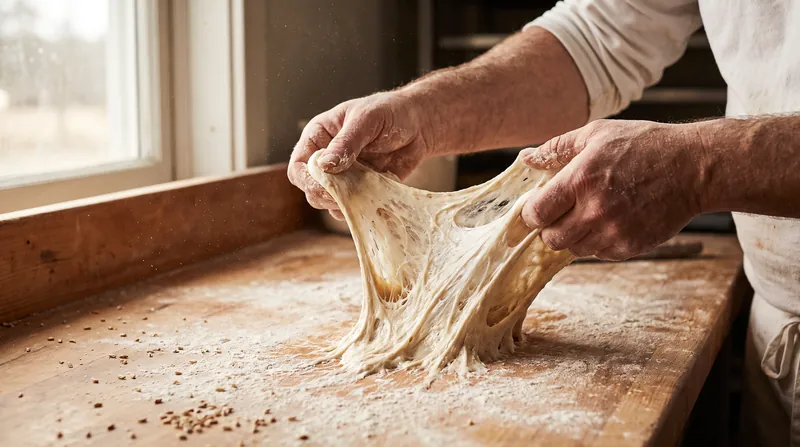
ExplainerBaking Science
The 6.0 to 8.0 pH Range: How Water Alkalinity Dictates Gluten Development and Yeast Activity in Bread Dough
Baking Scientists 40%Artisan Bakers 35%Home Bakers 25%

ExplainerFood Authenticity
The 100% Sourcing and Processing Rule: How the EU's Protected Designation of Origin Actually Guarantees a Food's Geographical Authenticity
Traditional Producers 40%Food Scientists & Regulators 40%Agricultural Economists 20%
ExplainerCatalysis Physics
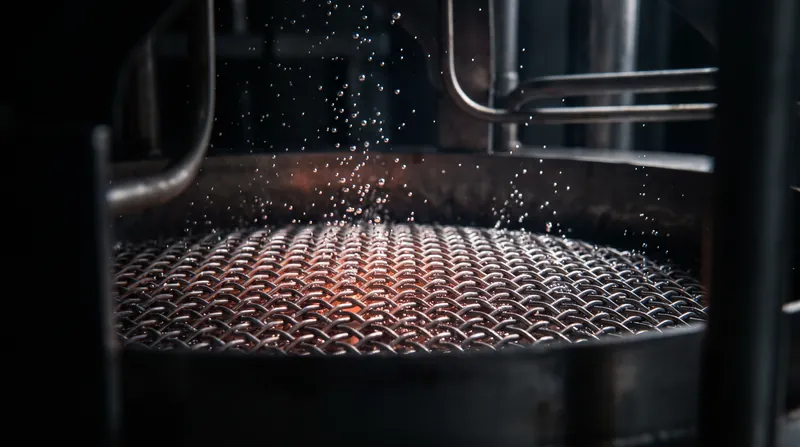
The Sabatier Principle: Why the Optimal Catalyst Must Bind Reactants Neither Too Strongly Nor Too Weakly
Materials Discovery 40%Dynamic Engineering 35%Biochemical Translation 25%

ExplainerSurface Disinfection
The 10-Minute Contact Time: How Disinfectants' Efficacy Depends on the Minimum Wetness Duration
Clinical Infection Control 40%Regulatory Agencies 35%Consumer Formulators 25%

ExplainerTea Chemistry
The 80°C to 85°C Window: How 3-Minute Brewing Maximizes EGCG Yield Before Epimerization
Food Chemists 40%Public Health Researchers 35%Sensory Scientists 25%
ExplainerCulinary Chemistry
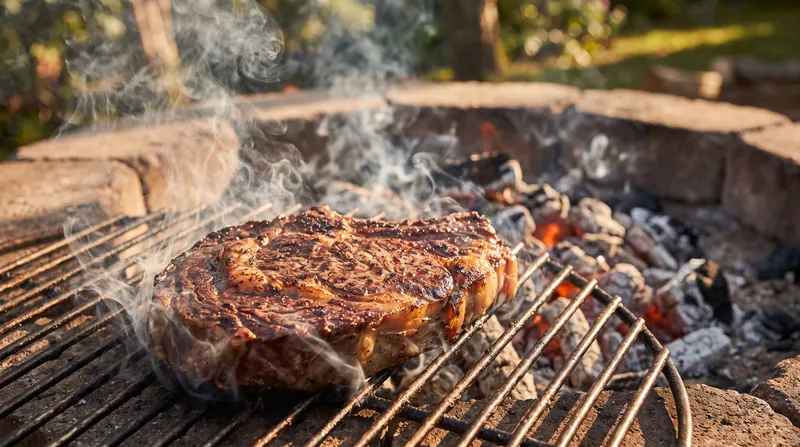
The 300°C Fat Pyrolysis Threshold: How Dripping Fat Creates Polycyclic Aromatic Hydrocarbons on a Grill
Food Scientists 40%Public Health Officials 35%Culinary Technicians 25%
ExplainerFood Chemistry
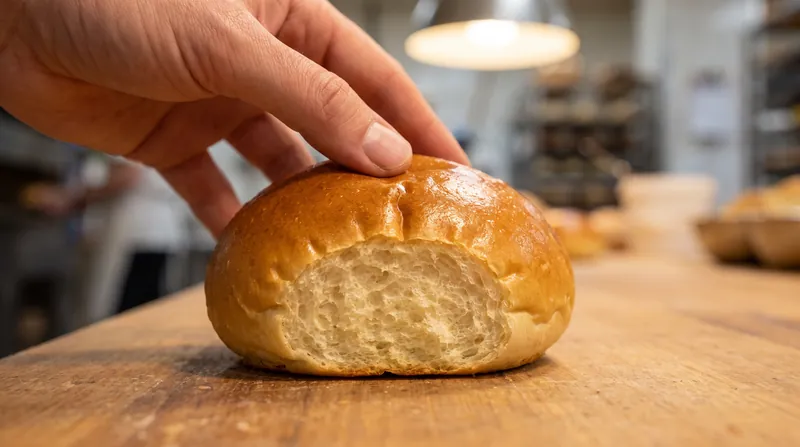
The DATEM Effect: How Emulsifiers Prevent Starch Retrogradation to Extend Fast-Food Bun Shelf Life
Commercial Bakers 40%Clean-Label Advocates 30%Food Scientists 30%
ExplainerCoffee Science
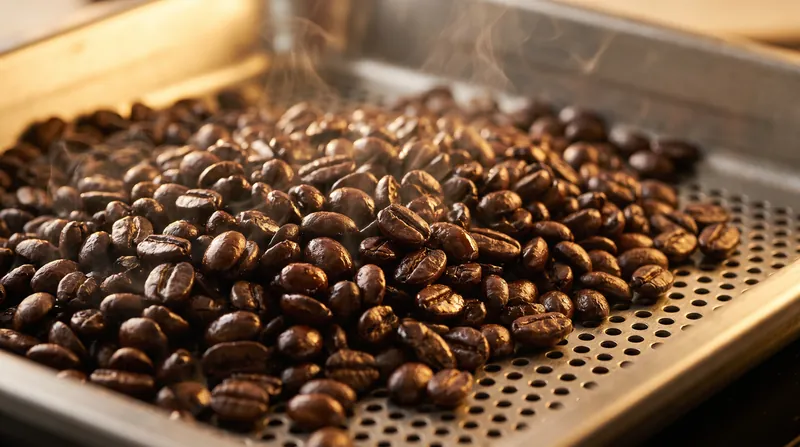
The 40% CO2 Loss in the First 7 Days: How Degassing Dictates Optimal Brewing Time and Crema Formation
Specialty Roasters 40%Coffee Scientists 30%Green Coffee Importers 30%
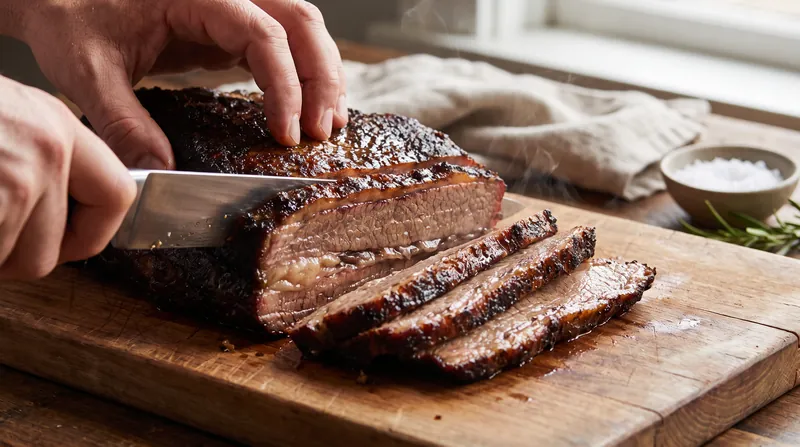
ExplainerFood Science
160°F to 180°F: How Time and Temperature Trade Off to Convert Collagen into Gelatin in Tough Meat Cuts
Traditional Low-and-Slow 40%Modernist Precision 35%Scientific Analysis 25%

ExplainerSkincare Science
The 3.5 pH Threshold: Why L-Ascorbic Acid Serums Require High Acidity to Penetrate the Skin Barrier
Formulation Purists 45%Barrier-First Dermatologists 35%Stability Innovators 20%
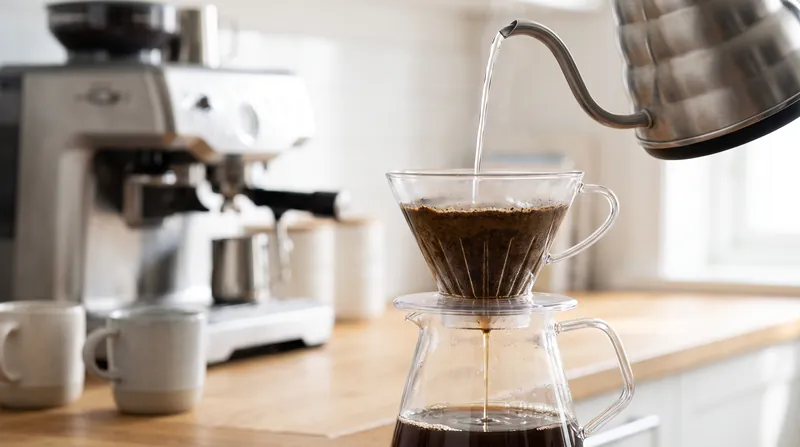
ExplainerCoffee Science
150 ppm Total Dissolved Solids: How Water's Mineral Content Dictates Coffee Extraction and Equipment Scale
Coffee Scientists 40%Equipment Manufacturers 35%Home Brewers 25%

Indoor Air Quality
The Chemistry of Clean: How Pine and Citrus Scents Actually Generate Indoor Air Pollution
Indoor Air Quality Researchers 40%Public Health Advocates 35%Cleaning Product Consumers 25%
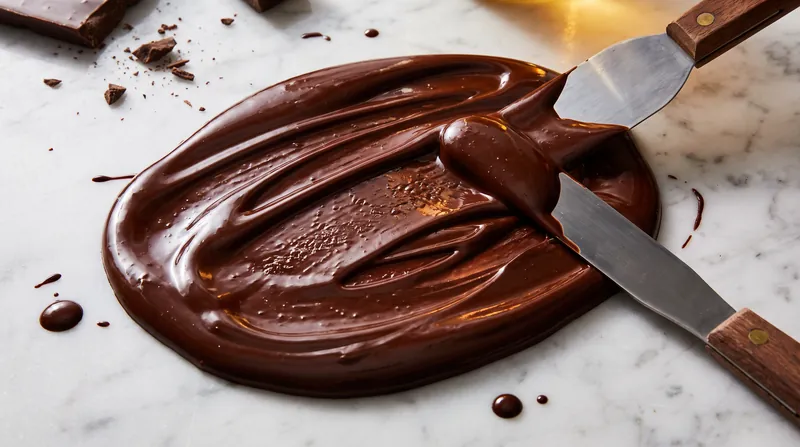
ExplainerFood Science
The Six Polymorphs: How Cocoa Butter's Crystal Structure Dictates Chocolate's Snap, Sheen, and Melt Point
Traditional Tempering 50%Seeding Method 50%
Per page