
Mathematics
Follow Mathematics in the Factlen app and get an alert when there is news. Get the app
- All Science
- Space
- Physics
- Biology & Life Sciences
- Chemistry
- Astronomy & Cosmology
- Psychology
- Neuroscience
- Engineering
- Mathematics
- Archaeology
- Scientific Discoveries
- Climate
- Climate Science
- Environment
- Research
- Academic Research
- Ecology & Environment
- Genetics & Genomics
- Public Health
- Discoveries
- Physics & Space
- Biology & Medicine

Explainer
Beta-Binomial Conjugate Pairs Prevent Small-Sample Errors Through Simple Addition
6 sources · 44d ago

Explainer
The Modular Arithmetic That Establishes a Shared Secret Over an Insecure Channel
7 sources · 44d ago

Explainer
Kalman Filters Fuse Noisy Sensor Data by Predicting and Correcting System States
4 sources · 44d ago
More in Mathematics

ExplainerProcedural Generation
Perlin Noise and Cellular Automata: How Common Procedural Generation Algorithms Create Game Worlds
Continuous Generation Advocates 35%Discrete Simulation Advocates 35%Hybrid Pipeline Developers 30%
Scientific AttributionIndustry Shift
OpenAI's Navier-Stokes Breakthrough Exposes the Collapse of Traditional Scientific Credit
Independent Mathematicians 40%Frontier AI Labs 40%Open Science Advocates 20%

ExplainerOptimization Algorithms
The ∇f = λ∇g Condition: How Lagrange Multipliers Find Extrema Subject to a Constraint
Pure Mathematicians 40%Theoretical Physicists 30%Economists 30%

ExplainerSpatial Statistics
How Moran's I Quantifies Spatial Clustering and Invalidates Standard Regression Assumptions on Geographic Data
Spatial Econometricians 45%GIS Analysts 40%Classical Statisticians 15%

ExplainerImbalanced Data
Why the Precision-Recall Curve Exposes Imbalanced Data Failures That ROC AUC Hides
Imbalanced Data Specialists 50%Traditional Statisticians 30%Business Stakeholders 20%

ExplainerRating Algorithms
Sorting by Confidence: How the Wilson Score Interval Fixes the Five-Star Rating Problem
Statistical Purists 40%Platform Engineers 40%Community Moderators 20%

ExplainerNetwork Theory
PageRank Uses Eigenvector Centrality and the Random Surfer Model to Rank Web Pages
Network Theorists 40%SEO Practitioners 30%Algorithm Engineers 30%

ExplainerProbability Math
How Bayes' Theorem Proves That Rare Events Overwhelm Seemingly Precise Evidence
Bayesian Statisticians 40%Clinical Diagnosticians 35%Epistemological Skeptics 25%
ExplainerSurvey Methodology
Why Complex Survey Designs Lose Statistical Power: Inside the Design Effect Penalty
Survey Methodologists 40%Field Researchers 40%Data Consumers 20%
ExplainerStatistical Methods
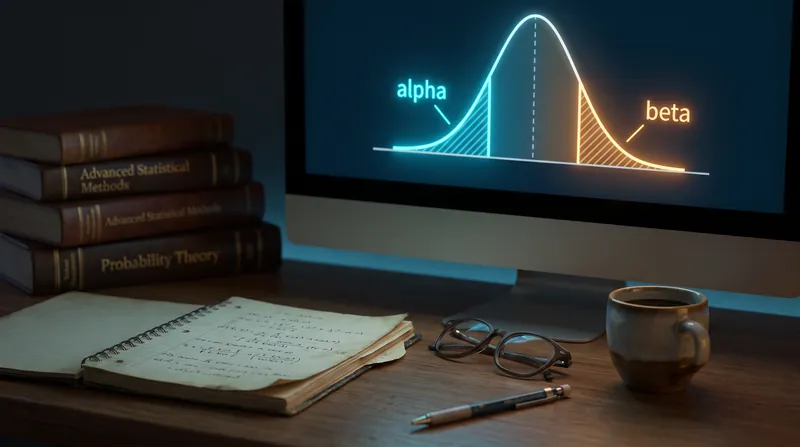
Alpha (α), Beta (β), and Power: How Type I and Type II Errors Define Statistical Significance and Test Sensitivity
Classical Frequentists 40%Reform Advocates 30%Statistical Educators 30%

ExplainerNetwork Science
Mapping the Power Law: How Network Hubs Drive Viral Spread and Why True Scale-Free Structures Are Rare
Empirical Skeptics 45%Applied Network Theorists 35%Network Fundamentalists 20%

Deep DiveRating Algorithms
Evaluating the 400-Point Rule: How the Elo Algorithm Translates Match Results into Expected Win Probabilities
Modern System Designers 40%Classical Statisticians 30%Educational Technologists 30%
ExplainerStatistical Theory
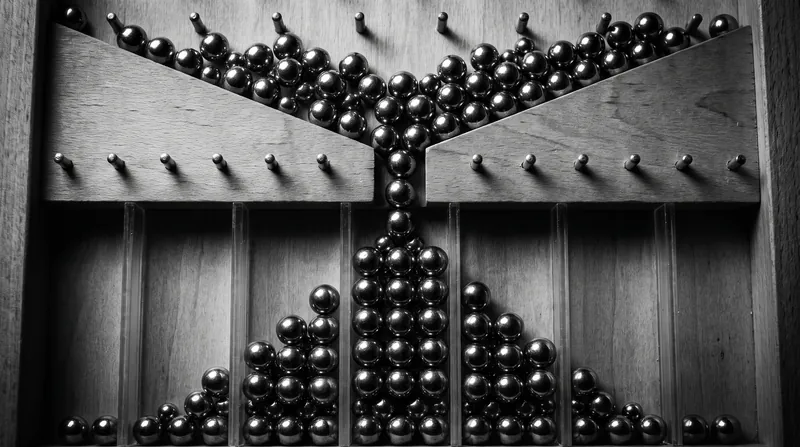
Central Limit Theorem: Why Large Sample Averages Form a Normal Distribution
Applied Statisticians 45%Survey Methodologists 30%Theoretical Mathematicians 25%

AI MathematicsScientific Milestone
AI Agents Formalize Fermat's Last Theorem in 11 Days, Compressing a Multi-Year Mathematical Project
Formal Methods Researchers 45%Traditional Mathematicians 35%AI Systems Engineers 20%
ExplainerStatistical Theory
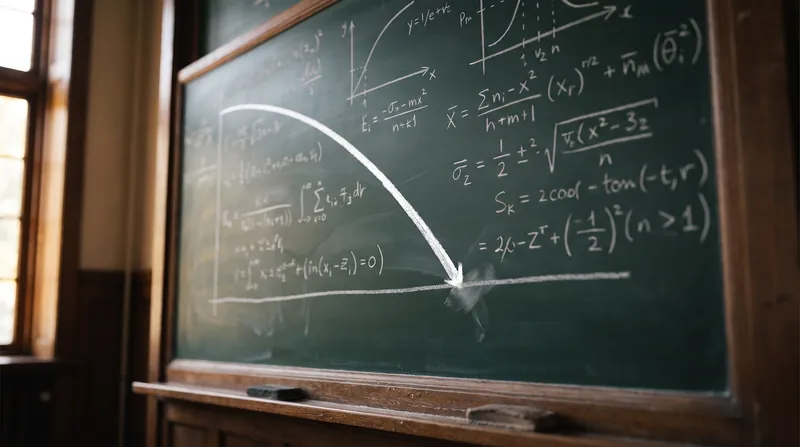
Cramér-Rao Lower Bound Sets the Minimum Variance for Unbiased Estimators
Theoretical Statisticians 40%Applied Data Scientists 35%Signal Processing Engineers 25%

ExplainerImage Compression
Evaluating the Discrete Cosine Transform: Where JPEG Compression Excels and Where It Fails
Photographic Archivists 35%Compression Researchers 35%Web Platform Engineers 30%

ExplainerVoting Theory
Why Arrow's Impossibility Theorem Structurally Mandates That No Ranked-Preference Voting System Can Satisfy All Fairness Criteria
Mathematical Purists 40%Democratic Pragmatists 40%Cardinal Voting Advocates 20%

ExplainerData Privacy
How Fully Homomorphic Encryption Computes on Ciphertexts Without Exposing the Underlying Data
Cryptographic Purists 40%Hardware Pragmatists 40%General Consensus 20%
ExplainerAlgorithm Theory
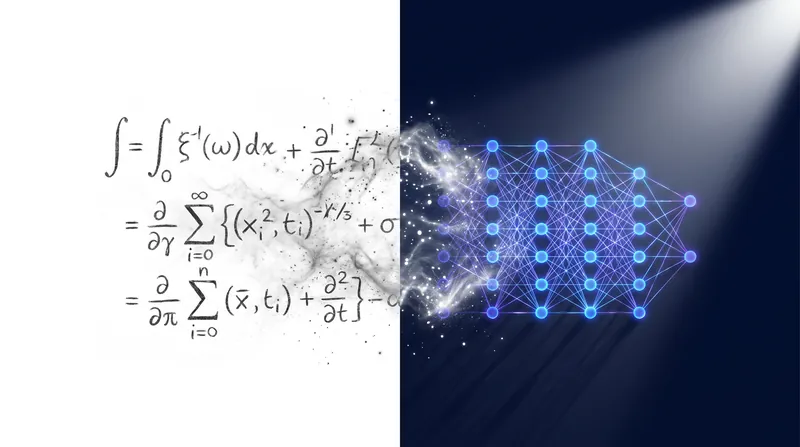
The 'No Free Lunch' Theorem: Why a Single, Universally Superior AI Algorithm is Mathematically Impossible
Applied Machine Learning Engineers 40%Theoretical Computer Scientists 35%Human-AI Interaction Researchers 25%

ExplainerRanking Algorithms
Why Ranking Aggregation Formulas Produce Different Winners from Identical Data
Algorithmic Purists 35%Consensus Builders 35%Pragmatists 30%
ExplainerUnsupervised Learning
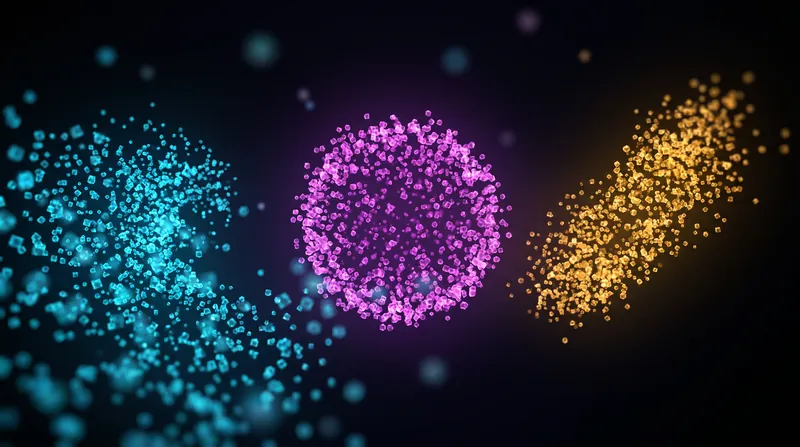
K-Means Clustering Partitions Unlabeled Data Through Iterative Centroid Updates
Algorithmic Purists 35%Business Strategists 35%Data Engineers 30%

ExplainerDimensionality Reduction
Principal Component Analysis: Using Maximum Variance to Compress Massive Datasets
Machine Learning Engineers 40%Domain Experts & Analysts 35%Statisticians & Researchers 25%

Deep DiveDesign Theory
Why the Golden Ratio Is a Historical Myth but an Effective Design Heuristic
Mathematical Skeptics 40%Pragmatic Designers 40%Aesthetic Traditionalists 20%

ExplainerGenetic Engineering
The Core Mechanics of PCR: How Thermal Cycling and Primers Amplify DNA
Molecular Biologists 40%Forensic Scientists 30%Clinical Diagnosticians 30%

Research BriefModel Evaluation
Evaluating Classification Models: How ROC Curves and AUC Measure Discriminatory Power
General-Purpose Statisticians 60%Rare-Event Researchers 40%

ExplainerStatistical Visualization
Box Plots: Using the Five-Number Summary to Reveal Spread, Skewness, and Outliers
Exploratory Analysts 40%Data Visualization Critics 35%Statistical Software Developers 25%

ExplainerModel Generalization
How Bias and Variance Drive Underfitting, Overfitting, and Model Generalization
Classical Statisticians 35%Deep Learning Researchers 35%Applied Data Scientists 30%

ExplainerStatistical Analysis
Benford's Law: Why Natural First Digits Skew to One and How It Detects Fraud
Forensic Accountants 45%Data Scientists 35%Statistical Skeptics 20%

ExplainerProbability Theory
The False Positive Paradox: Why 99.9% Accurate Tests Yield Mostly False Positives
Bayesian Statisticians 40%Public Health Officials 35%Cognitive Psychologists 25%

ExplainerInflation Metrics
Why the Consumer Price Index Diverges From Individual Household Expenses
Methodological Purists 45%Cost-of-Living Critics 30%Alternative Data Advocates 25%
ExplainerPolling Science
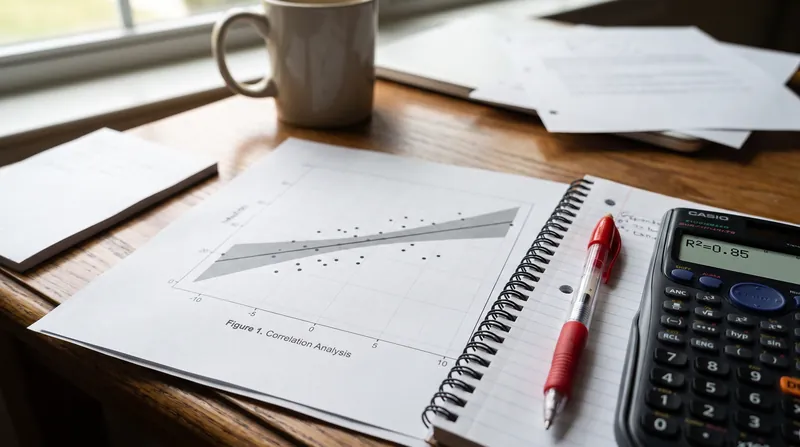
Polling Margin of Error Measures Only Sampling Variance, Not Total Survey Accuracy
Traditional Pollsters 40%Data Aggregators 35%Survey Methodologists 25%

Deep DiveHuman Development
Inside the Human Development Index: Trade-Offs Between Health, Education, and Income
Human Capital Advocates 40%Economic Traditionalists 30%Qualitative Critics 30%

ExplainerDifferential Privacy
Evidence Pack: How Differential Privacy Uses Statistical Noise to Protect Individual Data
Data Utility Advocates 35%Applied Implementers 35%Theoretical Cryptographers 30%

ExplainerViral Mechanics
The Mathematics of Virality: How the Viral Coefficient and K-Factor Model Social Media Spreads
Mathematical Determinists 40%Behavioral Psychologists 35%Network Analysts 25%

Research BriefParticle Physics
LHC Experiments Narrow Constraints on Double-Higgs Production, Probing Stability of the Universe's Vacuum
Experimental Physicists 40%Theoretical Cosmologists 35%Standard Model Skeptics 25%

CosmologyEvidence Pack
Cosmic Test of Gravity on Galactic Scales Strongly Rules Out Modified-Gravity Theories, Bolstering Dark Matter Case
Standard Cosmology Consensus 75%Analytical Skeptics 15%Alternative Gravity Advocates 10%

ExplainerAlignment Theory
Why Perfect AI Safety Is Mathematically Impossible
Probabilistic Safety Researchers 50%Policy Realists 30%Formal Verification Advocates 20%
AI MathematicsDiscovery Explainer
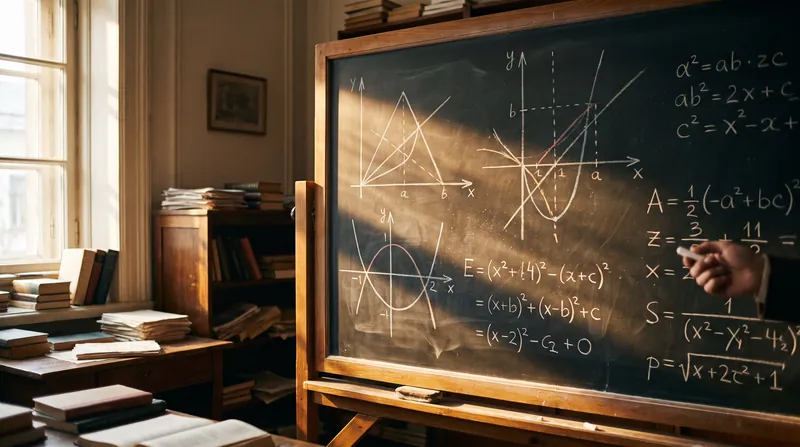
AI Models Disprove 80-Year-Old Erdős Unit Distance Conjecture
AI Capability Optimists 40%Mathematical Pragmatists 40%General Science Observers 20%

ExplainerData Privacy
Inside Differential Privacy: The Mathematical Framework Replacing Data Anonymization
Cryptographers & Privacy Theorists 35%Demographers & Social Scientists 35%Corporate Implementers 30%
Riemann HypothesisBreakthrough Analysis
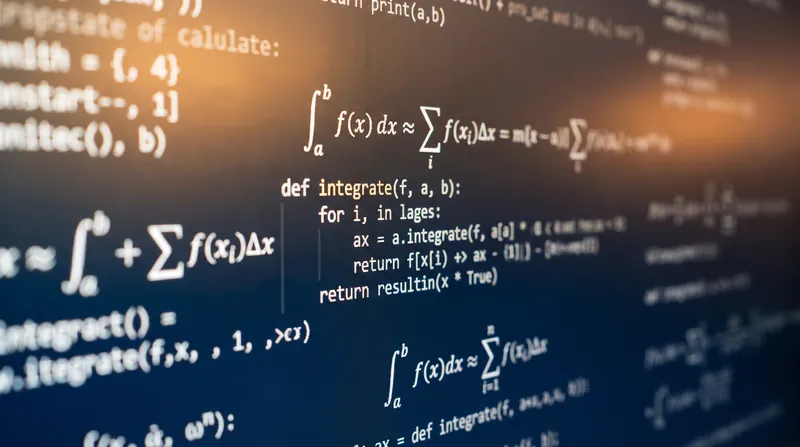
AI Model Claude Increases Known Bound for Riemann Hypothesis Zeros from 41.6% to 67.2%
Analytic Number Theorists 40%AI Capability Researchers 40%Formal Verification Advocates 20%
Jacobian ConjectureDiscovery Explainer
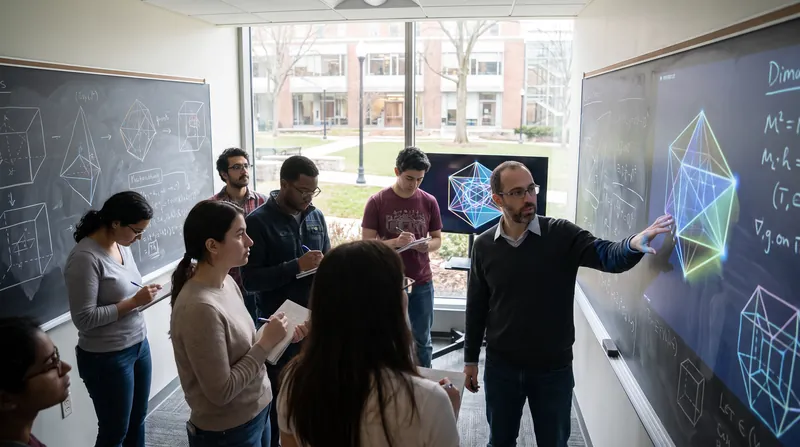
AI Finds Simple Counterexample to 87-Year-Old Jacobian Conjecture, Toppling Higher-Dimensional Versions
Computational Mathematicians 50%Theoretical Mathematicians 50%

Astrophysics BreakthroughDiscovery Analysis
Astronomers Discover 'Black Hole Star' in the Early Universe, Solving the Mystery of Webb's Little Red Dots
Observational Astronomers 50%Theoretical Cosmologists 50%

Stellar EvolutionDiscovery Explainer
Astronomers Directly Image Stellar Companion to Betelgeuse, Confirming 40-Year-Old Theory
Observational Astronomers 40%Stellar Evolution Theorists 40%Cautious Analysts 20%

Particle PhysicsEvidence Pack
Direct Observation of 'Quark Wake' Confirms Early Universe Was a 'Perfect Liquid'
Experimental Physicists 40%Theoretical Cosmologists 35%Quantum Fluid Dynamicists 25%

Graph TheoryEvidence Pack
Advanced AI Claims Proof of Cycle Double Cover Conjecture, Challenging Decades of Graph Theory Research
Mathematical Community 40%AI Developers 35%Enterprise Strategists 25%

Differential GeometryMathematical Proof
Mathematicians Overturn 150-Year-Old Geometry Rule With Discovery of 'Bonnet Pairs'
Differential Geometers 40%Computational Topologists 35%Applied Mathematicians 25%
Per page