
Biology & Life Sciences
Follow Biology & Life Sciences in the Factlen app and get an alert when there is news. Get the app
- All Science
- Space
- Physics
- Biology & Life Sciences
- Chemistry
- Astronomy & Cosmology
- Psychology
- Neuroscience
- Engineering
- Mathematics
- Archaeology
- Scientific Discoveries
- Climate
- Climate Science
- Environment
- Research
- Academic Research
- Ecology & Environment
- Genetics & Genomics
- Public Health
- Discoveries
- Physics & Space
- Biology & Medicine
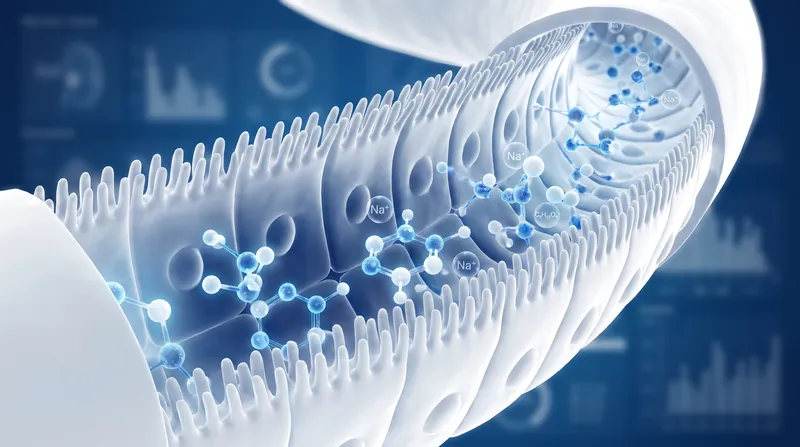

Explainer
The 60-120 Minute Half-Life: How Cortisol's Clearance Rate Dictates the Physiological Recovery from Acute Stress
8 sources · 34d ago
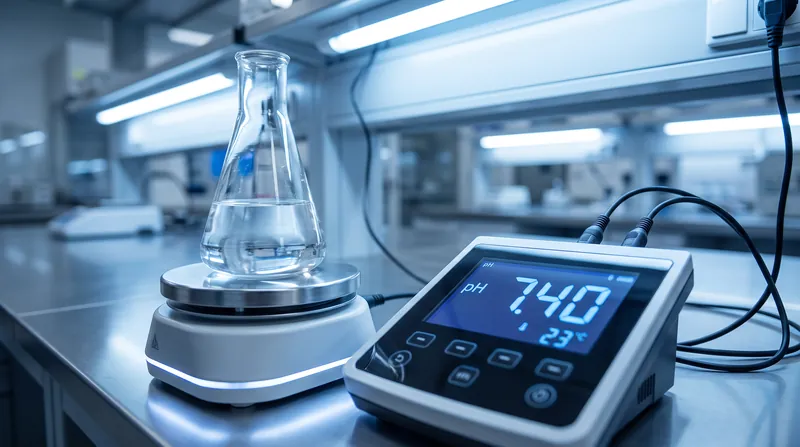
Explainer
The Henderson-Hasselbalch Equation: How the Ratio of Conjugate Base to Acid Determines Buffer pH
8 sources · 34d ago
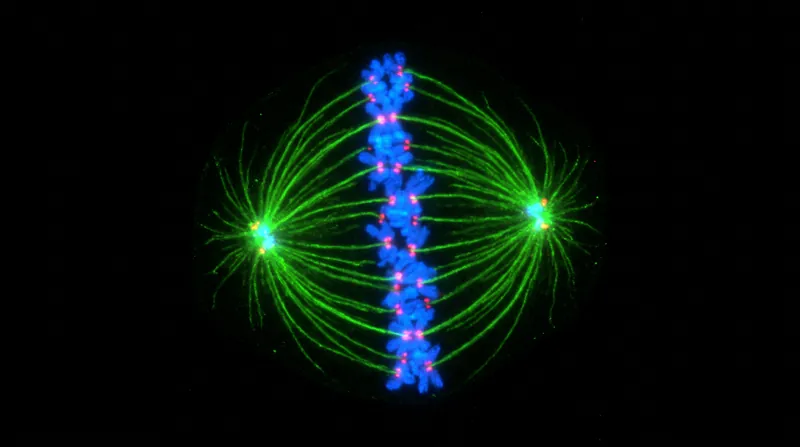
Explainer
The Mad2-BubR1 Checkpoint: How the Spindle Assembly Checkpoint Ensures Accurate Chromosome Segregation
11 sources · 34d ago
More in Biology & Life Sciences

ExplainerEcological Theory
The Competition-Colonization Trade-Off: How Intermediate Disturbance Maximizes Ecosystem Diversity
Classical IDH Proponents 40%Spatial Scale Theorists 35%Conservation Managers 25%

Brain OrganoidsScientific Breakthrough
Stanford Scientists Grow Human Cortical Organoids in Live Mice to Study Brain Disease
Neurobiological Researchers 60%Bioethics Monitors 40%

ExplainerSkincare Science
The 50 kDa to 1,000 kDa Range: How Hyaluronic Acid's Molecular Weight Dictates Skin Penetration and Hydration
Surface Hydration Advocates 50%Deep Penetration Proponents 50%
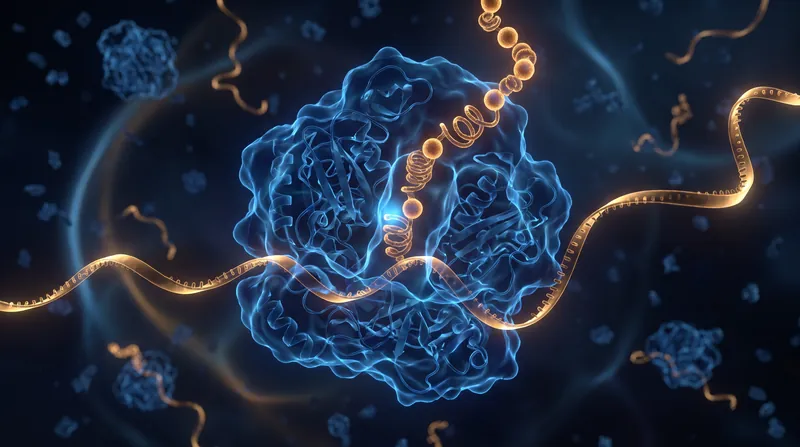
ExplainerMolecular Biology
The 30-to-1 Ratio: How the Ribosome Balances Translational Speed and Protein Fidelity
Structural Biologists 35%Evolutionary Biologists 35%Systems Biologists 30%

ExplainerFasting Metabolism
Falling Insulin and Rising Glucagon Trigger Fat Burning After 12 Hours of Fasting
Metabolic Researchers 40%Clinical Dietitians 35%Endocrinologists 25%
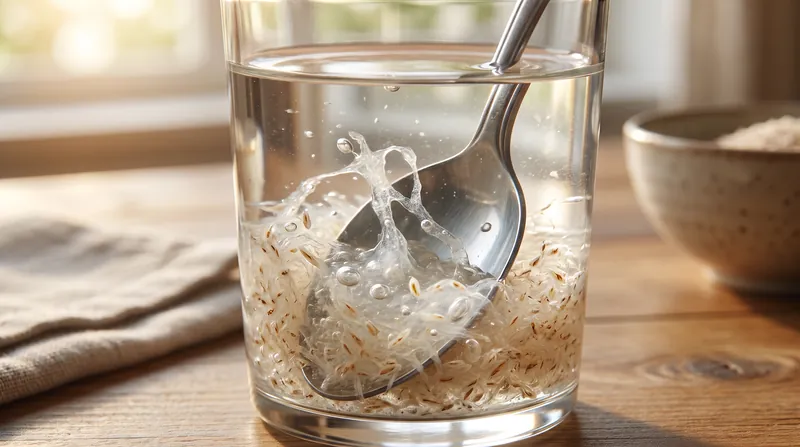
ExplainerCholesterol Management
The Bile Acid Sequestration Mechanism: How Soluble Fiber Lowers LDL Cholesterol and Stabilizes Blood Glucose
Clinical Nutritionists 40%Pharmacologists 30%Metabolic Researchers 30%

ExplainerFood Science
The 144°F to 158°F Range: How the Coagulation Temperatures of Egg White and Yolk Dictate Culinary Texture
Culinary Science Advocates 40%Public Health Officials 35%Traditional Home Cooks 25%
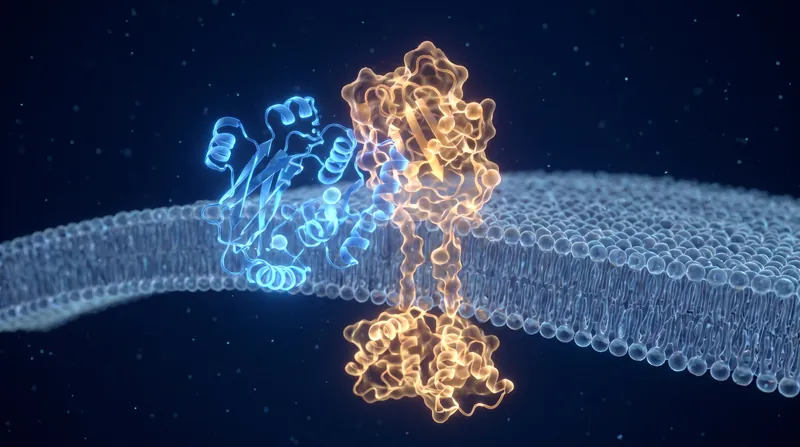
ExplainerMetabolic Pathways
How Insulin Binding to the Tyrosine Kinase Receptor Activates the PI3K/Akt Pathway to Translocate GLUT4
Molecular Biologists 40%Endocrinologists 35%Exercise Physiologists 25%

ExplainerFood Toxicology
The 8 Nanogram Per Kilogram Lethal Dose: How Tetrodotoxin Blocks Voltage-Gated Sodium Channels to Make Fugu the World's Most Dangerous Delicacy
Traditional Fugu Chefs 40%Marine Toxicologists 35%Public Health Regulators 25%

Endangered SpeciesCourt Ruling
Federal Court Orders Critical Habitat Designation for Sierra Nevada Red Fox
Conservation Advocates 45%Federal Wildlife Officials 35%Land Use Stakeholders 20%

ExplainerBiophysics
The 3/4 Exponent: Why an Animal's Metabolic Rate Scales to the Power of Mass, Not Volume
Universal Fractal Theorists 40%Empirical Biologists 35%Ecological Contextualists 25%
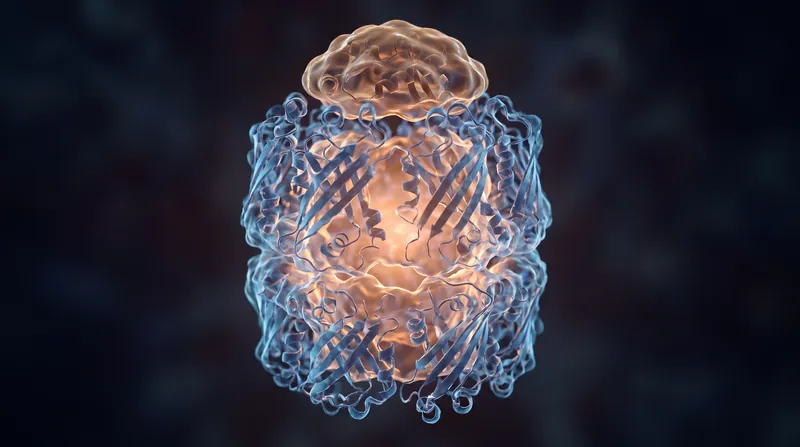
ExplainerProtein Folding
The GroEL/GroES Double-Chambered Barrel: How ATP Hydrolysis Folds Misfolded Polypeptides
Active Annealing Advocates 50%Passive Cage Proponents 50%
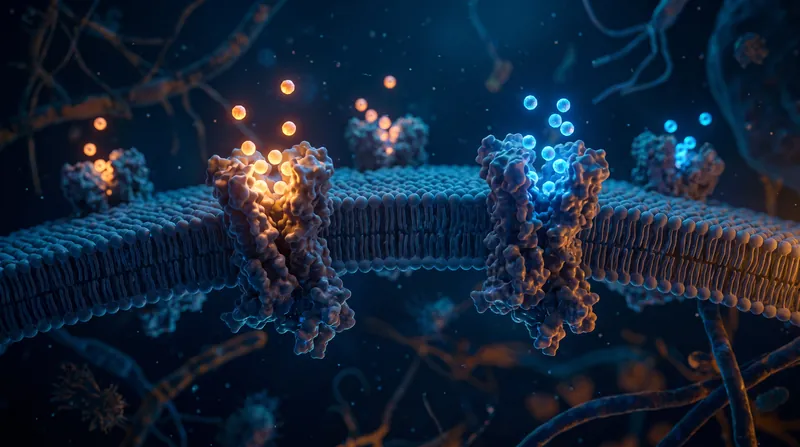
ExplainerEndocrine Science
The Picomolar Paradox: Why the 'Dose Makes the Poison' Rule Fails for Endocrine-Disrupting Chemicals
Endocrine Science Consensus 45%Regulatory Toxicologists 45%Factlen Editorial Team 10%

ExplainerIndoor Air Quality
The 40% to 60% Relative Humidity Range: Why Building Standards and Health Guidelines Converge on a Single Optimal Indoor Climate
Building Scientists 35%Public Health Researchers 35%Synthesis Analysts 30%
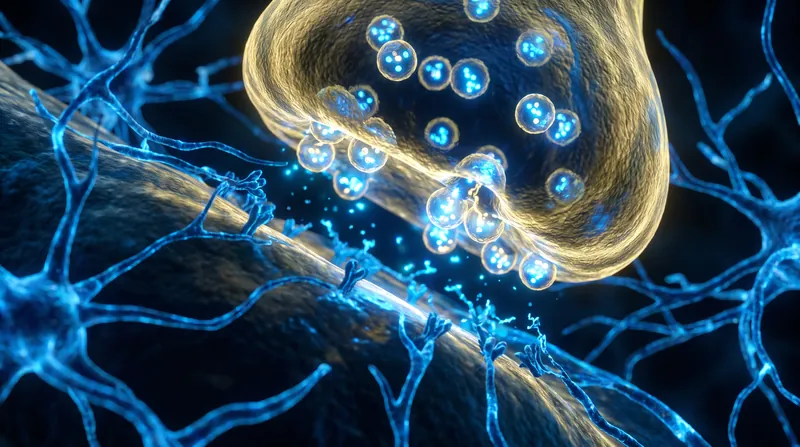
ExplainerSynaptic Transmission
The Synaptotagmin-SNARE Complex: How a Calcium Signal Triggers Millisecond-Fast Synaptic Vesicle Fusion
Clamp-First Theorists 50%Membrane-Buckling Theorists 35%Unified Model Advocates 15%

ExplainerConservation Math
The 0.25 Exponent: How the Species-Area Relationship Predicts Extinction Rates from Habitat Loss
Standard SAR Proponents 40%EAR and Overestimation Critics 30%Spatial Dynamics Researchers 30%
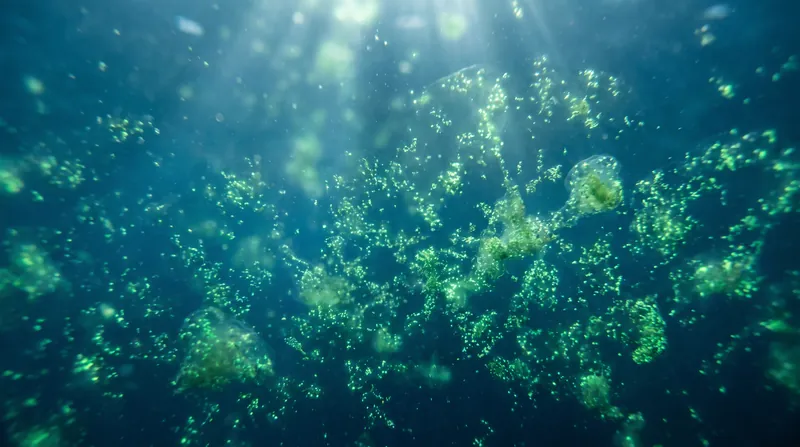
ExplainerMarine Biogeochemistry
The 16:1 Redfield Ratio: How the Stoichiometric Balance of Nitrogen and Phosphorus Dictates Marine Productivity
Biogeochemical Traditionalists 50%Microbial Ecologists 50%
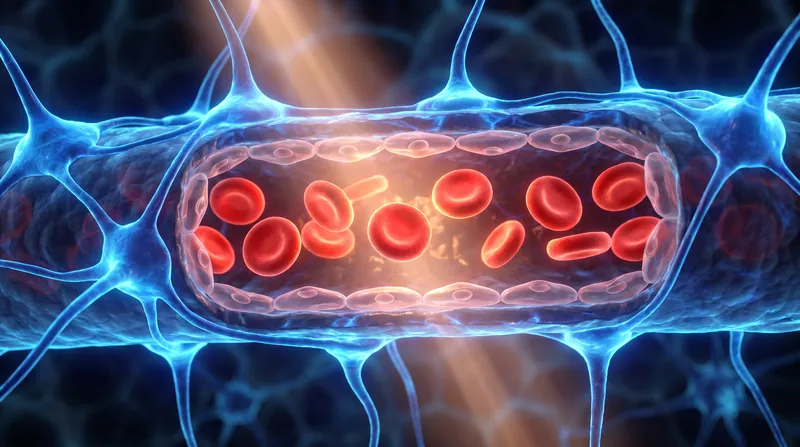
ExplainerBlood-Brain Barrier
The 400-Mile Filter: How Tight Junctions and Efflux Pumps Maintain the Blood-Brain Barrier
Pharmacologists 40%Neuroimmunologists 40%Medical Educators 20%

ExplainerSleep Biology
The Two-Process Model: How Homeostatic Sleep Drive and the Circadian Rhythm Interact to Regulate Sleep
Chronobiologists 35%Sleep Physiologists 35%Occupational Health Experts 30%

ExplainerMetabolic Health
How Zone 2 Training Triggers Mitochondrial Biogenesis and Enhances Fat Oxidation
Cellular Physiologists 35%Metabolic Health Researchers 35%Sports Performance Analysts 30%

Sourdough Science
How Predictable Sourdough Microbes and Enzymes Resist Mold and Build Flavor
Food Microbiologists 40%Commercial Baking Industry 30%Home Baking Enthusiasts 30%

ExplainerMetabolic Scaling
The M^1/4 Scaling of Lifespan: Why Every Mammal Gets the Same Number of Heartbeats
Metabolic Determinists 40%Technological Exceptionalists 40%Science Communicators 20%

Resistance Training
Why a 1.5-Second Pause at the Bottom of a Squat Maximizes Motor Unit Recruitment
Strength Coaches 40%Clinical Biomechanists 30%Hypertrophy Researchers 30%
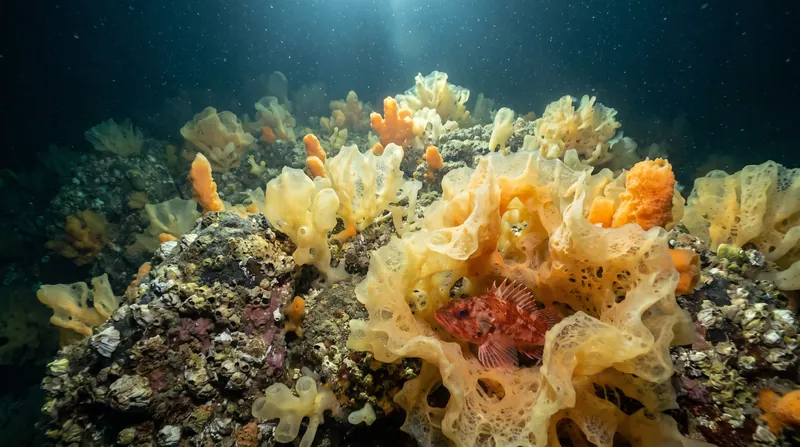
ExplainerDeep-Sea Biodiversity
NOAA Discovers Nine New Deep-Sea Sponge Species Off the Alaskan Coast
Marine Science & Conservation 50%Fisheries Management & Industry 50%

ExplainerCellular Physiology
The 3.5-to-1 Ratio: How the Sodium-Potassium Pump Maintains the Electrochemical Gradient for All Nerve and Muscle Function
Structural Biologists 35%Computational Neuroscientists 35%Cardiovascular Pathologists 30%
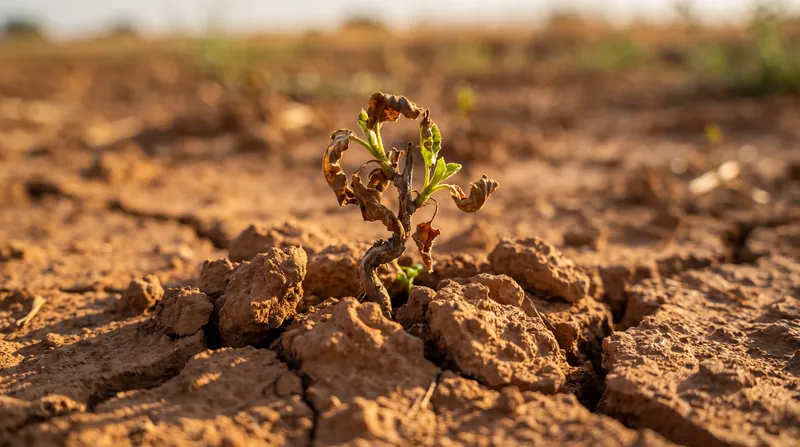
ExplainerNutrient Dynamics
The Liebig's Barrel: How the Shortest Stave of a Limiting Nutrient Dictates Maximum Growth
Agronomists 44%Freshwater Ecologists 31%Marine Biogeochemists 25%
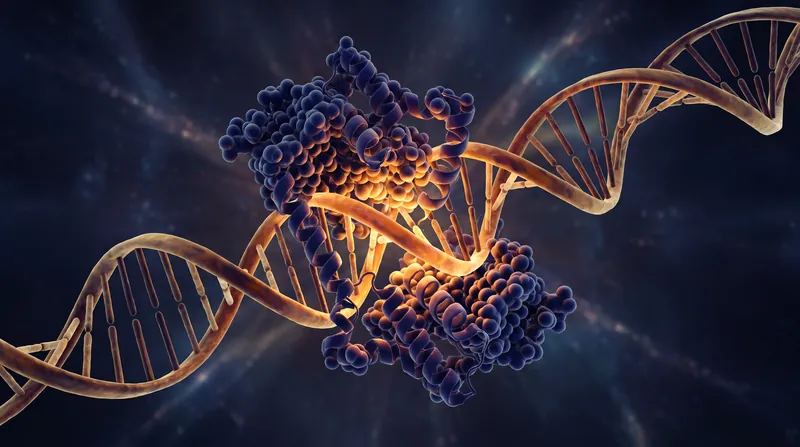
ExplainerGenetic Circuits
The Structural Mechanics of the Lac Repressor: How Allolactose Unlocks Bacterial Gene Expression
Structural Biologists 40%Systems Biologists 35%Evolutionary Biologists 25%
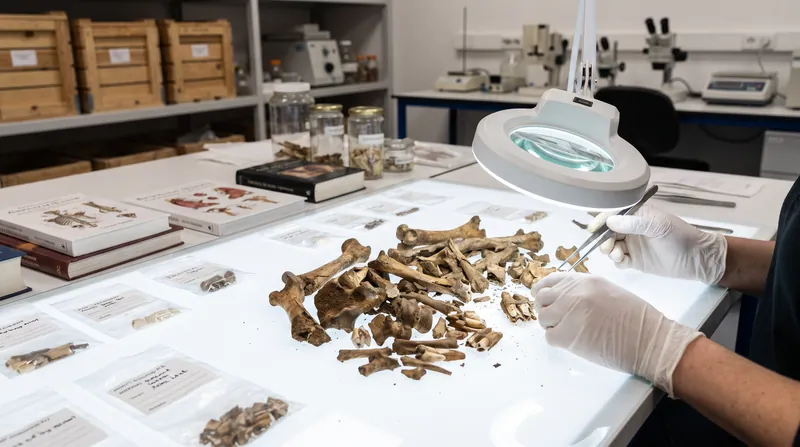
ExplainerZooarchaeology
The NISP and MNI Metrics: How Bone Fragment Counts and Minimum Individuals Reconstruct Ancient Diet and Economy
NISP Advocates 40%MNI Advocates 35%Dual-Metric Analysts 25%
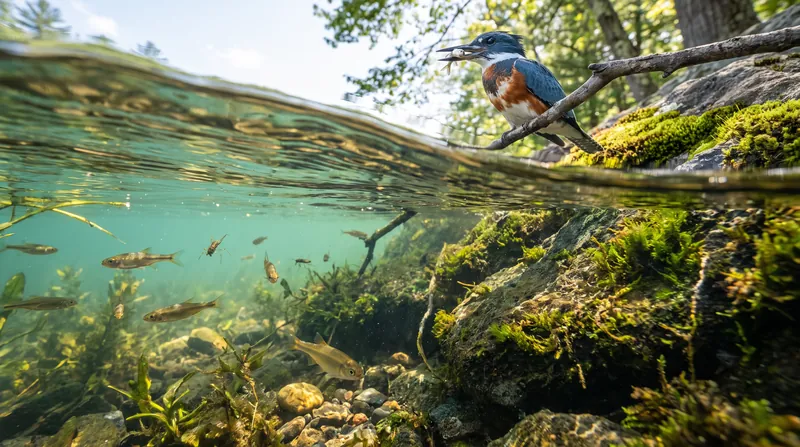
ExplainerChemical Ecology
Why Lipid Solubility Causes Persistent Pollutants to Magnify in Food Webs
Ecotoxicologists 40%Regulatory Agencies 35%Environmental Chemists 25%

ExplainerFatigue Management
Why Deload Weeks Dissipate Accumulated Fatigue and Unmask Strength Gains
Recovery-First Coaches 45%Recreational Lifters 35%High-Volume Advocates 20%

ExplainerNeurobiology of Love
Dopamine and Norepinephrine Drive Infatuation, but Oxytocin and Vasopressin Sustain Long-Term Pair Bonding
Neurobiologists 40%Evolutionary Biologists 30%Clinical Researchers 30%

ExplainerBioluminescence
The 0.1-Second Flash: How Dinoflagellates Actually Create Bioluminescent Beaches
Marine Biologists 50%Coastal Ecologists 30%Eco-Tourism Advocates 20%
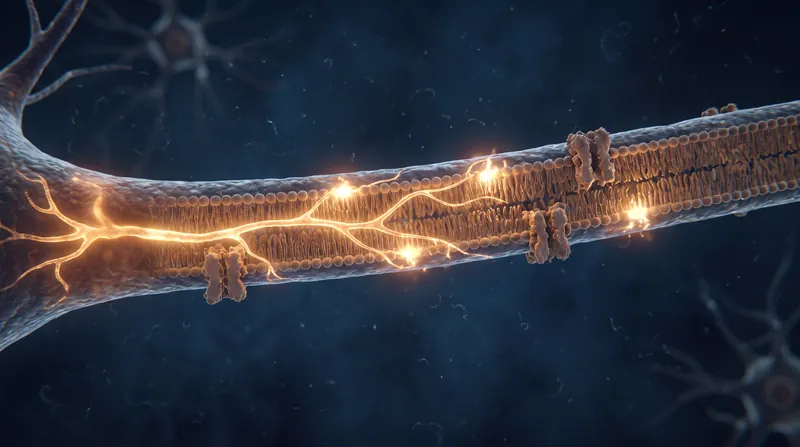
ExplainerComputational Neuroscience
The Hodgkin-Huxley Equations: How Voltage-Gated Sodium and Potassium Channels Generate the Action Potential
Classical Electrophysiologists 40%Computational Neuroscientists 40%Clinical Researchers 20%

ExplainerCircadian Science
The Circadian Asymmetry: Why Eastward Travel Takes 60% Longer to Recover From Than Westward Flights
Chronobiologists 40%Travel Medicine Specialists 40%Factlen Analysis 20%

ExplainerGlycogen Metabolism
The 300-400% Glycogen Increase: How the Depletion-Repletion Cycle Upregulates Glycogen Synthase to Maximize Muscle Fuel Stores
Moderate Taper Advocates 40%Metabolic Researchers 40%Traditional Carbohydrate Loaders 20%
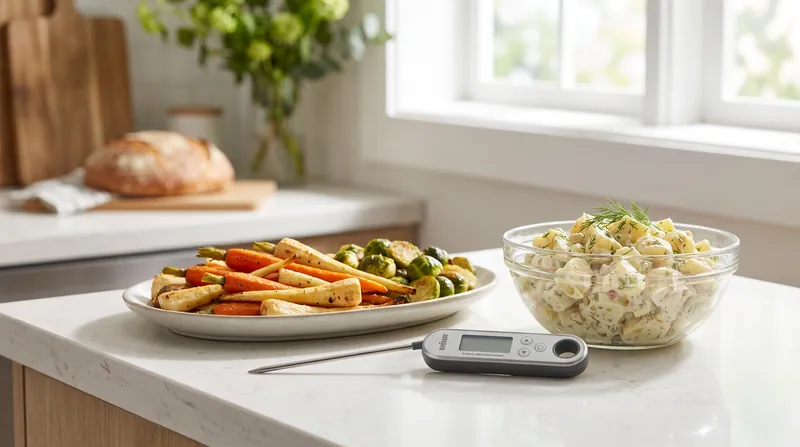
ExplainerFood Safety
The 40°F to 140°F Range: How Bacterial Growth Rate Dictates the Two-Hour Rule for Food Safety
Food Safety Regulators 50%Commercial Food Service 30%Home Cooks 20%

ExplainerPsychophysics
Why the Weber-Fechner Law Proves That Perception Is Logarithmic, Not Linear
Information Theorists 40%Biological Reductionists 35%Ecological Psychologists 25%

ExplainerGlymphatic System
The Biological Mechanism of the Glymphatic System: How Slow-Wave Sleep Expands the Interstitial Space to Clear Amyloid Beta
Neuroscience Researchers 35%Clinical Sleep Specialists 35%Neurodegenerative Disease Experts 30%

ExplainerImmune Mechanics
The Major Histocompatibility Complex: How T-Cells Distinguish Between Self and Non-Self Cells
Structural Immunologists 40%Evolutionary Biologists 30%Oncology Researchers 30%

Glucocorticoid Resistance
How Chronic Stress Reprograms Glucocorticoid Receptor Sensitivity to Drive Systemic Inflammation
Psychoneuroimmunologists 40%Epigenetic Researchers 35%Clinical Endocrinologists 25%

ExplainerEcosystem Dynamics
Why Thermodynamics and the 10 Percent Rule Limit Food Chain Lengths
Classical Ecosystem Ecologists 40%Empirical Field Researchers 40%Systems Analysts 20%

ExplainerCellular Aging
The 52-Division Limit: How Telomere Shortening Sets the Ultimate Boundary on Human Cellular Replication
Evolutionary Biologists 40%Longevity Optimists 30%Senolytic Researchers 30%

ExplainerIncretin Pharmacology
Glucagon-Like Peptide-1 Receptor Agonism: How Semaglutide and Liraglutide Regulate Glucose and Induce Satiety
Clinical Endocrinologists 40%Pharmacological Researchers 35%Physiological Adaptation Analysts 25%

ExplainerMarine Chemistry
The pH 8.2 to 8.1 Drop: How Anthropogenic CO2 Reduces Carbonate Ions and Threatens Calcifying Organisms
Marine Chemists 40%Marine Biologists 40%Evolutionary Ecologists 20%

ExplainerPhototransduction
How a Single Photon Closes the Sodium Channel in a Human Rod Cell
Biochemical Modelers 40%Evolutionary Biologists 30%Clinical Ophthalmologists 30%

ExplainerMemory Reconsolidation
How Protein Synthesis Inhibition During Memory Retrieval Blocks Fear Reconsolidation
Neurobiological Researchers 40%Clinical Psychiatrists 35%Cognitive Psychologists 25%
Per page