
Careers & Work
Follow Careers & Work in the Factlen app and get an alert when there is news. Get the app


Explainer
Resume Typos Penalize Perceived Cognitive Ability Three Times More Than Carelessness
3 sources · 15d ago

Explainer
Production Blocking Halves Idea Generation: Why Nominal Groups Consistently Outproduce Interactive Brainstorming Teams
8 sources · 15d ago

Explainer
Paretian Power Laws Govern 94 Percent of Workplace Output: Why Forced Distribution Bell Curves Distort Employee Appraisals
3 sources · 15d ago
More in Careers & Work

Research BriefLabor Market
Healthcare and AI Infrastructure Drive 5.9 Million Projected Jobs in the 2025-2035 Labor Market
Labor Economists 40%Technology Analysts 35%Workforce Planners 25%

Research BriefAI Labor Economics
Global AI Exposure Index Reveals 3.3 Percent of Workforce Faces High Automation Risk
Labor Economists 50%Data Analysts 50%

ExplainerPerformance Management
Evaluator Bias Accounts for 62 Percent of Performance Review Variance While Actual Output Explains Only 21 Percent
Data-Driven Reformers 45%Organizational Psychologists 35%Traditional Human Resources 20%

ExplainerDevice Privacy
How Operating System Sandboxing Prevents Employers From Reading Personal Messages on Work Phones
Mobile Security Architects 41%Privacy Advocates 29%Enterprise Compliance Officers 29%

ExplainerGlobal Tax Policy
The Economic Employer Doctrine: Why Remote Workers Are Losing the 183-Day Tax Exemption
Tax Authorities 40%Multinational Employers 35%Global Mobility Advocates 25%

ExplainerProfessional Liability
Why Broad Client Indemnity Clauses Leave Freelancers Personally Liable for Defense Costs
Corporate Risk Managers 35%Independent Contractors 35%Insurance Underwriters 30%

ExplainerInterview Psychology
Seventy Percent of Hiring Decisions Take Longer Than Five Minutes, Refuting the Snap-Judgment Interview Myth
Academic Researchers 35%Recruitment Professionals 35%Career Analysts 30%

ExplainerPersonnel Selection
Formulaic Score Aggregation Outperforms Holistic Hiring Debriefs by Over 50 Percent in Predicting Job Performance
Evidence-Based HR Practitioners 40%Traditional Hiring Managers 35%Algorithmic Fairness Advocates 25%

ExplainerCorporate Retention
Active Payroll Status Preserves the Implied Duty of Fidelity: Why Garden Leave Bypasses Restraint-of-Trade Limits on Non-Competes
Corporate Employers 41%Departing Executives 29%Regulatory Agencies 29%

ExplainerOrganizational Design
Pairwise Communication Links Scale as n(n−1)/2: Why Adding Staff to a Late Project Delays Delivery
Systems Theorists 40%Agile Methodologists 35%Corporate Management 25%

ExplainerWorkplace Design
Open-Plan Offices Cut Face-to-Face Interaction by 70 Percent as Boundary Loss Triggers Digital Withdrawal
Organizational Psychologists 40%Workplace Design Strategists 35%Digital Communication Analysts 25%

ExplainerSalary Negotiation
Hiring Managers Uphold 94 Percent of Job Offers During Compensation Talks
Hiring Managers 45%Labor Economists 35%Risk-Averse Candidates 20%

ExplainerOrganizational Economics
Why Promoting Star Employees Triggers a 7.5 Percent Drop in Team Productivity
Organizational Economists 40%Human Resources Strategists 35%Frontline Employees 25%

ExplainerTax Treaties
Subsuming Contractor Earnings Under Article 7 Business Profits: How OECD Treaty Standards Bar Foreign Clients From Deducting Source Withholding Taxes Without a Permanent Establishment
Cross-Border Contractors 40%Source Country Tax Authorities 30%Corporate Compliance Officers 30%

Research BriefHiring Science
Impression Management Accounts for 22% of Interview Ratings but Only 2% of Job Performance
Industrial Psychologists 40%Corporate Hiring Managers 30%Diversity and Inclusion Advocates 30%

ExplainerFeedback Mechanics
Diverting Attention From Task Learning to Self-Evaluation: Why 38 Percent of Performance Feedback Interventions Reduce Subsequent Output
Task-Focused Advocates 40%Educational Researchers 30%Structural Reformers 30%

Deep DiveHiring Science
Four Interview Rounds Deliver 86% Decision Reliability: Why Additional Loops Add Less Than 1% in Predictive Value
Data-Driven Recruiters 45%Consensus-Seeking Hiring Managers 30%Industrial-Organizational Psychologists 25%

ExplainerResume Strategy
Replacing Calendar Dates With Cumulative Years Worked Increases Resume Callbacks by 15%
Behavioral Economists 40%Career Strategists 35%Traditional Recruiters 25%

ExplainerFounder Equity
Reverse Vesting Grants All Shares on Day One While Lapsing Par-Value Repurchase Rights Protect Against Dead Equity
Venture Capital Investors 40%Startup Founders 40%Corporate Counsel 20%

ExplainerInternal Mobility
Why Outside Hires Earn 18% More Than Promoted Insiders Despite Lagging in Performance for Two Years
Labor Economists 35%Human Resources Leaders 35%Corporate Strategists 30%

Workplace AICalifornia
California Enacts Landmark Law Banning Employers From Using AI Alone to Fire Workers
Labor Advocates 40%Business Groups 35%Gig Economy Workers 25%

ExplainerGlobal Payroll
The Non-Wage Labor Cost Multiplier: How Mandatory Employer Contributions Scale Across Global Markets
Global Employers 40%Labor Economists 30%Remote Workers 30%

ExplainerResume Standards
The Regional Mandates Governing Photographs and Dates of Birth on Professional Resumes
Anglo-American Compliance 40%DACH Cultural Traditionalists 35%European Privacy Advocates 25%

ExplainerTurnover Economics
The 40% to 213% Turnover Penalty: How Replacement Costs Scale with Role Complexity
Human Resources Professionals 35%Operations and Department Leaders 35%Labor Economists 30%

ExplainerWorkplace Stress
High Effort, Low Reward: The Ratio That Predicts Workplace Burnout and Cardiovascular Disease
Occupational Health Researchers 45%Corporate Management 30%Labor Advocates 25%

ExplainerLeadership Psychology
The Least Preferred Co-worker Score: How a Leader's Fixed Orientation Predicts Effectiveness
Structural Determinists 40%Behavioral Adaptability Advocates 35%Organizational Architects 25%

ExplainerWorkplace Tech
The Neurological Tax of the Grid: How Nonverbal Overload Drives Video Conferencing Fatigue
Cognitive Psychologists 45%Organizational Strategists 30%Occupational Health Researchers 25%

ExplainerChange Management
The Eight-Step Sequence That Reverses the 70 Percent Failure Rate of Corporate Change Initiatives
Change Management Practitioners 40%Organizational Psychologists 35%Agile Methodologists 25%

ExplainerNetwork Theory
The Strength of Weak Ties: How Acquaintances Drive Job Search Success
Network Sociologists 40%Data Scientists 40%Behavioral Researchers 20%

ExplainerAutomation Defense
The Non-Routine Cognitive and Manual Task Factors That Shield Jobs From Automation
Labor Economists 40%AI Technologists 30%Workforce Strategists 30%

ExplainerVirtual Collaboration
The Swift Trust Model: How Role-Based Expectations and Task Interdependence Replace Shared History in Virtual Team Formation
Organizational Sociologists 40%Remote Work Strategists 35%Traditional Management Advocates 25%

Wage EquityData Release
Global Gender Pay Gap Narrows by 2% in a Decade, Leaving Women Earning 18% Less
Labor Regulators 60%Labor Advocates 40%

ExplainerEquity Mechanics
The 48-Month Standard: How the 1-Year Cliff and 4-Year Vesting Schedule Dictate Startup Equity
Founders and Investors 40%Early-Stage Employees 35%Legal and Tax Advisors 25%

Deep DiveTeam Dynamics
The 3.5x Multiplier: How Psychological Safety Amplifies the Effect of Transformational Leadership on Team Performance
Organizational Psychologists 40%Management Consultants 35%Program Directors 25%

ExplainerJob Evaluation
The Four Universal Compensable Factors: How Skill, Effort, Responsibility, and Working Conditions Determine a Job's Value
Compensation Strategy 40%Regulatory Compliance 35%Worker Advocacy 25%

ExplainerSalary Anchoring
The 4% Anchor: How a Previous Salary Dictates an Unemployed Worker's Reservation Wage
Behavioral Economists 40%Labor Market Analysts 35%Employer Advocates 25%

ExplainerOrganizational Psychology
The 0.71 Correlation: How Idealized Influence and Inspirational Motivation Drive Leader Effectiveness
Empirical Proponents 50%Methodological Skeptics 30%Transactional Advocates 20%

ExplainerCompetency Models
The Four Stages of Competence: How Unconscious Incompetence Progresses to Mastery
Organizational Psychologists 35%Hiring Managers 35%Corporate Trainers 30%

ExplainerFeedback Frameworks
The SBI Framework: How the Situation-Behavior-Impact Model Restructures Professional Feedback
Organizational Psychologists 40%HR Practitioners 35%Clinical & Academic Peers 25%

ExplainerDecision Theory
The Satisficing Threshold: How Bounded Rationality Replaces Optimization in Managerial Decision-Making
Behavioral Economists 40%Strategic Management Practitioners 40%Classical Maximizers 20%

ExplainerFreelance Strategy
The 80/20 Rule: How the Pareto Principle Dictates Client Concentration and Freelance Risk Management
Risk Mitigators 40%Efficiency Maximizers 35%Mathematical Realists 25%
Berkshire SuccessionLeadership Transition
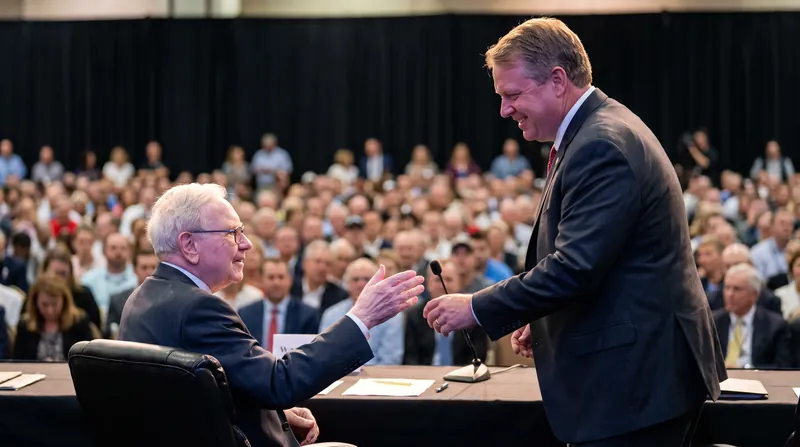
Warren Buffett Steps Down as Berkshire Hathaway Chairman, Ending Six-Decade Run
Structural Loyalists 40%Market Skeptics 30%Corporate Governance Analysts 30%

ExplainerInterview Bias
The 19% Distortion: How the Sequential Contrast Effect Biases Interview Scores Regardless of Candidate Quality
Behavioral Economists 40%Corporate Talent Acquisition 35%Labor Market Researchers 25%

Deep DiveOrganizational Culture
The Flexibility-Stability and Internal-External Axes: How the Competing Values Framework Maps Organizational Culture
Human Capital Advocates 33%Innovation & Agility Proponents 33%Performance & Results Drivers 33%

ExplainerBoundary Management
The Uniform Strong Boundary Manager: How Consistent Use of Temporal, Physical, and Communicative Tactics Maximizes Remote Worker Recovery
Occupational Health Researchers 50%Workforce Strategists 50%

ExplainerTechnology Acceptance
The 72% Prediction: How Perceived Usefulness Outweighs Ease of Use in Determining Technology Adoption
Utility Maximizers 60%Usability Advocates 25%Trust & Ethics Researchers 15%
Per page