
Taiwan Clears First Regulatory Hurdle to Restart Maanshan Nuclear Plant Amid Chipmaker Demand
Taiwan's Nuclear Safety Commission has approved a preliminary plan to restart the idled Maanshan nuclear power plant, marking a reversal of the island's decade-old phase-out policy. The move is driven by surging electricity demand from the domestic semiconductor industry and artificial intelligence data centers.

- Energy Security Advocates
- Prioritizes stable baseload power for Taiwan's industrial sector.
- Regulatory & Safety Focus
- Emphasizes the necessity of thorough equipment and seismic inspections before any restart.
Perspectives this story doesn't cover
- Anti-nuclear environmental groups
- Local residents near the Maanshan facility
On September 25, 2026, Taiwan's Nuclear Safety Commission cleared its review of an initial proposal to restart the idled Maanshan nuclear power plant. The approval marks the first regulatory step toward bringing the facility back online, though Taiwan Power Company (Taipower) must still complete extensive safety inspections and submit a final implementation report before generation can resume. The regulatory clearance represents a formal reversal of a decade-old policy to phase out nuclear energy on the island. Maanshan was the last of Taiwan's three nuclear facilities to cease operations, with its 40-year operating license expiring in May 2025.[1][2][3]
The government's shifting stance follows a 2025 legislative amendment that allowed reactors to seek license extensions beyond the original 40-year limit. Prior to this amendment, the ruling party had strictly adhered to a phase-out timeline that mandated the decommissioning of all nuclear assets. During a nationwide vote held in August 2025, roughly three-quarters of participating voters backed reopening Maanshan, though the result was ultimately voided due to insufficient turnout. The combination of legislative changes and demonstrated public support laid the groundwork for Taipower to formally submit its restart plan to the Nuclear Safety Commission on March 27, 2026.[2][3]
The policy pivot is heavily driven by the energy requirements of Taiwan's semiconductor industry, which forms the backbone of the island's export economy. Companies like Taiwan Semiconductor Manufacturing Co. (TSMC) are seeking stable, low-emission electricity to support the rapid growth of artificial intelligence and data centers. As global tech giants expand their AI infrastructure, the demand for uninterrupted baseload power has surged beyond the capacity of intermittent renewable sources. Premier Cho Jung-tai has publicly expressed openness to nuclear energy, noting that the government will assess whether atomic power can provide greater reassurance to the industrial sector.[1][2]
While the regulatory clearance was confirmed in agency statements, none of the involved officials were directly quoted in the reviewed materials regarding the specific technical hurdles remaining. The timeline for the restart remains contingent on the upcoming safety reviews and administrative approvals. Early estimates from Taipower suggested the plant could become operable by 2027, as each reactor unit requires two major overhauls and equipment manufacturer inspections are already ongoing. However, Economic Minister Kung Ming-hsin recently indicated that 2028 is the earliest Maanshan could realistically resume operations, reflecting the rigorous nature of the required safety checks.[1][2][3]
The timeline for the restart remains contingent on the upcoming safety reviews and administrative approvals.
The approval process requires Taipower to submit comprehensive reports on serviceability, seismic resilience, and radiation concerns before any fuel can be loaded. The Nuclear Safety Commission's technical review of the preliminary plan is only the first hurdle; the utility must now execute the physical inspections outlined in that plan. This involves coordinating with original equipment manufacturers to assess the condition of components that have been idle since the plant's closure. Furthermore, Taipower's Nuclear Power Deputy Director Lin Ying-chi noted that new indoor storage for spent fuel is currently in the design phase, addressing long-term waste management requirements.[2][3]
To support this massive engineering effort, the utility has already allocated significant funding in its 2027 budget. This includes NT$9 million (US$283,850) specifically designated for nationwide earthquake resistance inspections, ensuring that the aging infrastructure can withstand Taiwan's frequent seismic activity. An additional NT$14.32 million (US$451,675) has been set aside for severe incident probability assessments. These financial commitments underscore the scale of the work required to bring a decommissioned nuclear facility back to operational status safely, moving beyond political approvals into concrete technical execution.[3]
Beyond the targeted safety assessments, an additional NT$37.9 billion (US$1.2 billion) has been earmarked for general power plant maintenance, power grid wiring, and overhauls specifically targeting the Maanshan and Kuosheng facilities. The Kuosheng plant, which saw its two boiling water reactors shut down in December 2021 and March 2023, is also being evaluated for a potential restart under the new legislative framework. The massive capital injection highlights the government's willingness to invest heavily in restoring its nuclear fleet to stabilize the national grid.[2][3]
The domestic shift mirrors a broader regional trend across the Asia-Pacific. As electricity demand from data centers surges, governments are re-evaluating nuclear power to meet emissions targets and reduce reliance on imported fossil fuels. Japan has been steadily bringing its own reactors back online following post-Fukushima safety upgrades, while China, South Korea, India, and Bangladesh are actively constructing additional facilities. The conflict in the Middle East has also pushed Asian governments to secure domestic energy sources, after prolonged supply disruptions sent natural gas prices to multi-year highs and strained public budgets.[2]
Restarting Maanshan would add to the pool of clean, stable supply that major energy buyers are already tapping globally. Around the world, companies including Meta Platforms and Alphabet's Google have entered deals to procure electricity directly from nuclear reactors to satisfy AI-driven demand. By advancing the regulatory review for Maanshan, Taiwan is positioning itself to maintain its competitive edge in the energy-intensive semiconductor market, ensuring that its most critical industry has the power necessary to support the next generation of computing.[1][2]
The stakes
Taiwan manufactures the vast majority of the world's advanced semiconductors, an industry that requires massive, uninterrupted baseload power. Restarting Maanshan signals that the government is prioritizing supply chain stability and emissions targets over its historic anti-nuclear stance.
The essentials
- Taiwan's Nuclear Safety Commission approved an initial proposal to restart the Maanshan nuclear plant.
- The facility was shut down in May 2025 following the expiration of its 40-year operating license.
- Taipower must complete extensive safety inspections before submitting a final implementation report.
- Economic Minister Kung Ming-hsin indicated that 2028 is the earliest the plant could resume operations.
- The policy reversal is driven by surging electricity demand from the semiconductor and AI sectors.
Timeline
May 2025
Taiwan's legislature amends the Nuclear Reactor Facilities Regulation Act, allowing reactors to seek license extensions beyond 40 years.
May 2025
Maanshan's operating license expires and the plant ceases operations, marking the apparent end of nuclear power in Taiwan.
August 2025
A nationwide referendum on reopening Maanshan receives strong support but is voided due to insufficient voter turnout.
March 2026
Taiwan Power Company submits a formal plan to the Nuclear Safety Commission for the restart of the Maanshan plant.
September 2026
The Nuclear Safety Commission clears its review of the preliminary restart proposal, advancing the project to the safety inspection phase.
Perspectives explored
Industrial Energy Consumers
Chipmakers and tech companies advocating for stable baseload power.
Taiwan's semiconductor manufacturers, led by TSMC, require massive and uninterrupted electricity to operate advanced fabrication plants. As artificial intelligence drives a global boom in data center construction, these companies are increasingly prioritizing clean, stable energy supplies to meet both production targets and corporate emissions goals. For this sector, restarting existing nuclear infrastructure offers a faster route to grid stability than waiting for utility-scale renewable deployments.
Government Regulators
Officials balancing energy security with rigorous safety protocols.
While the ruling party has softened its historic anti-nuclear stance, regulators maintain that the restart process will not bypass safety requirements. The Nuclear Safety Commission has emphasized that the recent approval is only a preliminary step. Taipower must now conduct 18 to 24 months of independent safety inspections, including seismic resilience checks and equipment overhauls, before a final implementation report is even considered.
Sources
Source coverage
3 outlets
2 viewpoints surfaced



- [1]OzettaEnergy Security Advocates
Taiwan Moves Closer to Restarting Maanshan Nuclear Power Plant
Read on Ozetta → - [2]Briefs FinanceEnergy Security Advocates
Taiwan Clears First-Step Plan to Restart Maanshan Nuclear Plant
Read on Briefs Finance → - [3]Taiwan NewsRegulatory & Safety Focus
Maanshan Nuclear Power Plant restart evaluation concluded
Read on Taiwan News →
Comments

More in Energy
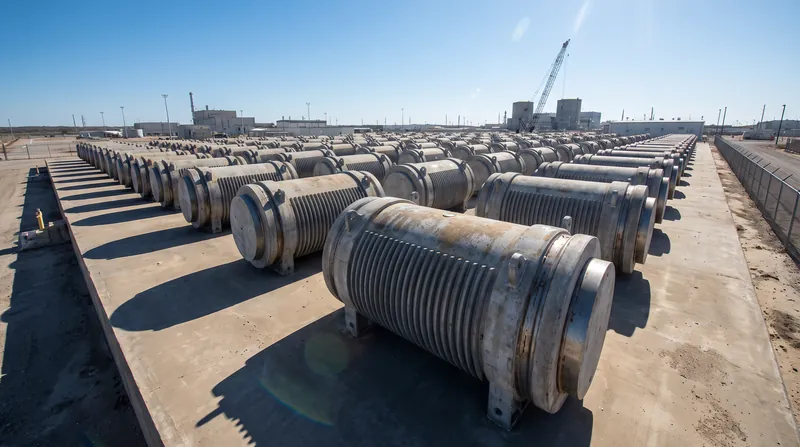
See all →Waste Classification
The Low-Level, Intermediate-Level, and High-Level Categories That Define Nuclear Waste Disposal and Isolation
8 sources
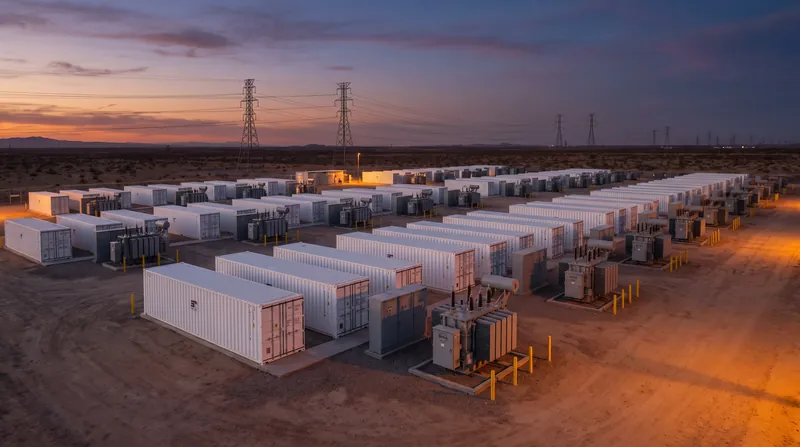
Storage Economics
The Capital Cost, Round-Trip Efficiency, and Cycle Life That Determine the Levelized Cost of Storage
8 sources
Grid Stability
The Sub-Second Services That Stabilize the Electric Grid
6 sources

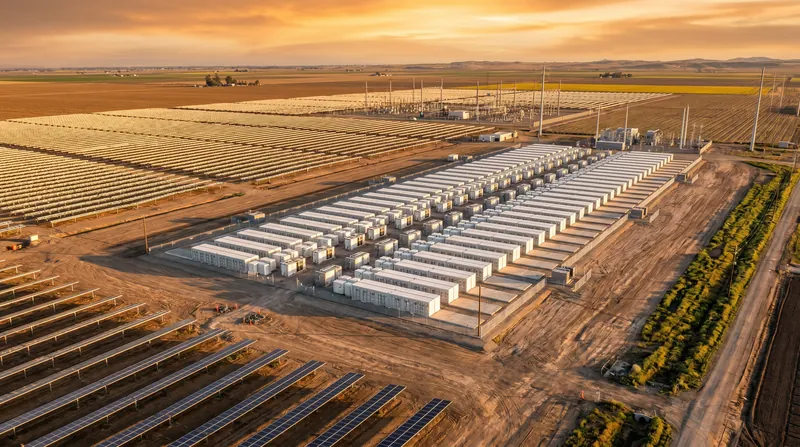
Grid Storage
Grid-Scale Battery Costs Plummet to Record Lows, Pushing Renewables Past Coal in Historic Milestone
5 sources
Every angle. Every day.
Get Energy stories with full source coverage and perspective breakdowns delivered to your inbox.