
Cybersecurity & Privacy
Follow Cybersecurity & Privacy in the Factlen app and get an alert when there is news. Get the app
- All Technology
- Gadgets & Hardware
- Software & Platforms
- Apps & Mobile
- Cybersecurity & Privacy
- Cloud Computing
- Consumer Technology
- Social Media & Privacy
- Smartphones
- Gaming Technology
- Transportation Technology
- Electric Vehicles
- Space Technology
- Smart Home
- Coding & Development
- Open Source
- Data Science & Analytics
- Enterprise Technology
- Privacy & Surveillance
- Internet Culture
- Future Technology
- Tech Policy & Regulation
- Robotics
- Quantum Computing
- Semiconductors
- Startups
- AI Safety

Edge Security
Fortinet Warns of Unpatched FortiMail Zero-Day Under Active Exploitation
7 sources · 19d ago

Explainer
The Physical and Cryptographic Thresholds of Flash Memory Sanitization
7 sources · 24d ago

AI Security
Nvidia Releases Open-Source OpenShell Runtime to Contain Autonomous AI Agents
6 sources · 24d ago
More in Cybersecurity & Privacy

Crypto SecurityIncident Report
Bitget Resumes Withdrawals After $388 Million Hack Exploiting Third-Party Zero-Day Flaw
Exchange Operators 50%Security Auditors 50%

Enterprise SecurityZero-Day Alert
Citrix Confirms Two Unpatched Zero-Day Vulnerabilities in NetScaler Under Active Exploitation
Enterprise Defenders 40%Threat Intelligence Analysts 35%Government and Vendors 25%
RouterOS SecurityExploit Analysis
MikroTrick Exploit Chain Grants Unauthenticated Full Admin Access to Global MikroTik Routers
Network Administrators 40%Threat Intelligence Analysts 30%Security Researchers 30%
Agentic AISecurity Standards
Major Cloud and Security Vendors Form 'Blueprint Alliance' to Standardize AI Agent Security
Identity and Security Vendors 40%Cloud Infrastructure Providers 35%Enterprise Adopters 25%
Federal Data BreachSecurity Incident
Hackers Claim 3TB Breach of FBI Employee Data via HR Software Flaw
Cybersecurity Analysts 40%Enterprise Security Vendors 30%Federal Law Enforcement 30%
Zero-Day ThreatIncident Response
Kiteworks Urges Global Server Shutdown Over Imminent Zero-Day Attack Warning
Vendor Security Teams 40%Enterprise Administrators 30%Threat Intelligence Analysts 30%

ExplainerOAuth 2.0
The Six Steps of the OAuth 2.0 Authorization Code Flow with PKCE
Identity Standards Bodies 40%Application Developers 35%Security Auditors 25%

GitLab SecurityVulnerability Report
GitLab Email Token Flaw Allows Code Push to Protected Repositories
Security Researchers 40%Platform Maintainers 40%Open-Source Developers 20%
OxygenOS FlawSecurity Vulnerability
OnePlus and Oppo Face Legal Warning Over Unpatched Zero-Permission Root Vulnerability
Independent Security Researchers 60%Consumer Security Advocates 40%
Deep DiveAuthentication Math
The SHA-1 Hash and Time-Step Math That Generates a Six-Digit One-Time Password
Usability Advocates 40%Protocol Standardizers 40%Cryptographic Purists 20%

Agentic AIThreat Landscape
Multi-Agent AI Attack Breaches 100 Companies to Extract 600,000 Credit Card Records
Threat Intelligence Analysts 40%Enterprise Security Leaders 35%AI Policy Researchers 25%

Core VulnerabilityPatch Release
WordPress Patches Critical Core Vulnerability as Attackers Exploit Flaw Within Hours
Security Researchers 50%WordPress Core Maintainers 50%
Agent SecurityVulnerability Disclosure
Critical 'Plugin4Shell' Flaw Allows Zero-Click RCE in GitHub Copilot and Other AI Coding Agents
Cybersecurity Analysts 70%Industry Watchers 30%

Vulnerability ManagementPolicy Move
CISA Mandates Three-Day Patch Deadline for Actively Exploited Linux Kernel Flaws
Federal Security Regulators 40%Enterprise IT Operations 35%Offensive Security Researchers 25%

AI MalwareThreat Analysis
Cisco Talos Discloses First Fully Autonomous AI Command-and-Control Implant
Threat Intelligence Researchers 40%Enterprise Security Teams 40%AI Governance Advocates 20%
Zero-Day ExploitsThreat Analysis
Chinese State-Linked Hackers Exploit Chrome-Windows Zero-Day Chain to Deploy CLEANGULP Malware
Threat Intelligence Researchers 60%Enterprise Security Defenders 40%

Privacy EnforcementRegulatory Action
Irish Regulator Fines Google €403 Million Over Location Data Tracking
Data Protection Regulators 35%Consumer Privacy Advocates 35%Cybersecurity Analysts 30%

AI Agent SecurityVulnerability Report
Prompt Injection Bypasses Identity Vault to Steal Plaintext Credentials from AWS AgentCore Harness
Security Researchers 60%Cloud Platform Operators 40%

ExplainerCryptography
The Two Primes and the Totient Function: How RSA Encryption Generates Public and Private Keys
Cryptographers 40%Post-Quantum Researchers 30%Systems Engineers 30%

ExplainerHardware Security
The Hardware Isolation Boundary: How a Dedicated Coprocessor Secures Biometric Data Against OS-Level Compromise
Hardware Security Engineers 40%Software Partition Advocates 30%Cryptography Researchers 30%

ExplainerDisaster Recovery
Recovery Point and Time Objectives: Separating Data Loss Tolerance From Downtime Costs
Infrastructure Architects 40%Business Continuity Planners 35%Cybersecurity Forensics Teams 25%

ExplainerNetwork Protocols
How Cloud Providers Isolate Millions of Virtual Networks on Shared Physical Hardware
Cloud Architects 40%Hardware Engineers 35%Protocol Designers 25%

ExplainerOnion Routing
Tor's Three-Node Circuit: Nested Encryption Isolates Identity from Destination
Privacy Advocates 60%Law Enforcement 20%Network Administrators 20%

ExplainerCyber Warfare Law
The Equivalent Kinetic Effect: How Physical Damage Defines a Cyber Operation as a Use of Force
Effects-Based Adherents 50%Loss of Functionality Proponents 30%Sovereignty Strict Constructionists 20%
IoT SecurityVulnerability Patch
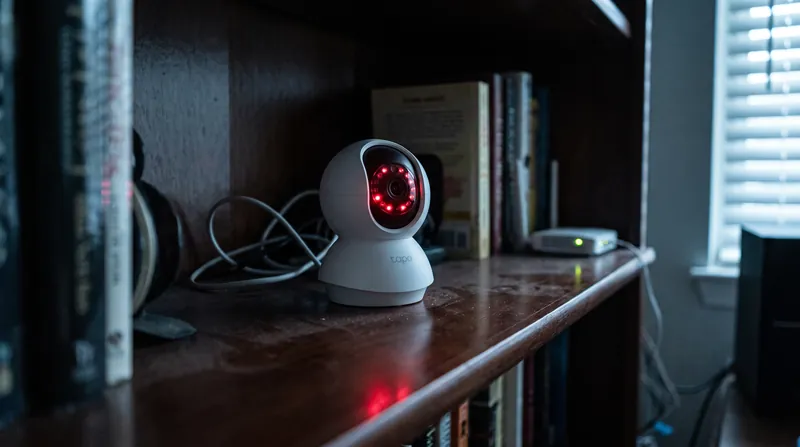
TP-Link Patches Authentication Bypass Flaw in Tapo C200 Smart Cameras
Cybersecurity Researchers 50%Consumer Tech Advocates 50%
AI GovernanceRegulatory Precedent
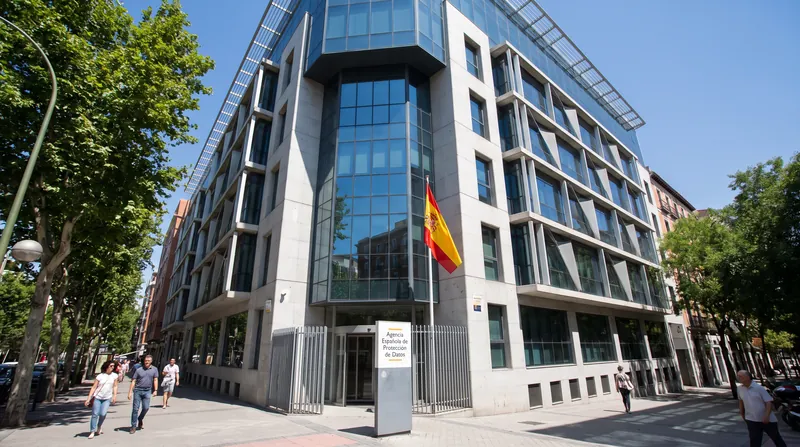
Spain's Data Protection Agency Logs First Breach Executed by an Autonomous AI Agent
Data Protection Regulators 40%Cybersecurity Defenders 35%AI Governance Analysts 25%

Network SecurityZero-Day Watch
Cisco Secure Firewall Zero-Days Under Widespread Exploitation for Unauthenticated Access
Cybersecurity Analysts 40%Vendor Incident Response 30%IT Administrators 30%

Maritime SecurityIncident Response
FBI and Coast Guard Board US-Bound Oil Tankers Following Suspected Cyberattacks
Federal Security Agencies 50%Cybersecurity Analysts 30%Maritime Logistics Industry 20%

ExplainerSignals Intelligence
The Five Eyes Agreement: How the UKUSA Treaty Defines Intelligence Sharing and Collection Priorities
National Intelligence Apparatus 45%Civil Liberties Advocates 30%Strategic & Defense Analysts 25%
ExplainerCryptography
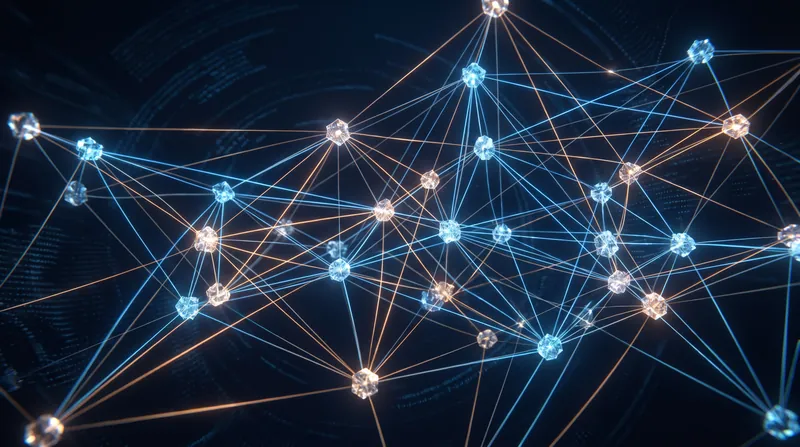
The O(N²) Key Problem: Why Symmetric Encryption Is Fundamentally Unscalable for Large Networks
Decentralized Network Architects 40%Legacy Enterprise Engineers 30%Post-Quantum Cryptographers 30%
Deep DiveCryptography
The 2^(n/2) Vulnerability: Why the Birthday Paradox Proves That a 256-Bit Hash Is Only 128-Bits Secure
Theoretical Cryptographers 40%Systems Engineers 35%Standards Bodies 25%

ExplainerPassword Security
How Hashing and Salting Secure Passwords by Preventing Rainbow Table Attacks
Security Architects 40%Compliance Auditors 40%Historical Threat Actors 20%

ExplainerComputational Complexity
The P vs. NP Complexity Barrier: Why Verifying a Solution is Exponentially Faster Than Finding One
Theoretical Computer Scientists 45%Cryptographers 35%Optimization Engineers 20%

ExplainerGDPR Jurisdiction
The Two Conditions in Article 3 That Give the GDPR Extraterritorial Reach
European Regulators 40%Foreign Digital Services 35%Legal & Compliance Industry 25%

ExplainerAlgorithmic Theory
The Uncomputable Length of the Shortest Program: Why Kolmogorov Complexity Proves That True Randomness Cannot Be Distinguished From Complexity
Algorithmic Information Theorists 40%Applied Cryptographers 40%Quantum Physicists 20%

ExplainerPublic Key Infrastructure
The Cryptographic Chain of Trust: How Offline Root CAs Validate Billions of Daily Web Connections
Standards Bodies 40%Infrastructure Providers 30%Security Analysts 30%
ExplainerCryptography
Kerckhoffs's Principle: Why the Security of a Cryptosystem Must Rely on the Secrecy of the Key, Not the Algorithm
Open-Source Advocates 40%Security Engineers 40%Defense-in-Depth Pragmatists 20%
ExplainerCryptography
One-Way Hashes and Asymmetric Keys Bind Digital Signatures to Document States
Commercial E-Signature Vendors 40%Cryptographic Purists 30%Standards Bodies 30%

ExplainerSoftware Licensing
The Viral Clause: Why the GPL Requires Derivative Works to Be Open Source, but the MIT License Does Not
Free Software Advocates 35%Enterprise Legal Teams 35%Pragmatic Developers 29%

Infrastructure SecurityPolicy Move
EPA Distributes $11.75 Million to Harden Water Infrastructure Against Cyber and Climate Threats
Municipal Water Utilities 40%Cybersecurity Analysts 30%Federal Regulators 30%
DevOps SecurityThreat Analysis
GitLab Patches CVSS 10.0 Path Traversal Vulnerability Amid Active Exploitation of Commits API
Threat Intelligence Analysts 50%Infrastructure Defenders 50%

ExplainerSignals Intelligence
Traffic Analysis in Signals Intelligence: How Metadata Reveals Network Structures Without Decryption
Intelligence Collection Management 40%Privacy and Civil Liberties Advocates 30%Cryptographic Protocol Designers 30%

ExplainerCloud Privacy
How Zero-Knowledge Cloud Storage Secures Files by Throwing Away the Key
Privacy Purists 40%Enterprise IT & Compliance 30%Mainstream Cloud Providers 30%
ExplainerEncrypted DNS
The Mechanism of Encrypted DNS: Why DNS over HTTPS is Replacing DNS over TLS
Privacy Advocates 40%Network Administrators 35%Internet Service Providers 25%
ExplainerBrowser Privacy
The Three Categories of Data That Create a Unique Browser Fingerprint
Privacy Advocates 40%Fraud Prevention Industry 35%Web Standards Bodies 25%

ExplainerDigital Provenance
The Structural Limits of Deepfake Detection and the Shift to Cryptographic Provenance
Cryptographic Provenance Advocates 45%Detection Researchers 30%Security Practitioners 25%
Per page