
The Mechanics of the Unplugged Trip: How the Adventure Travel Industry's Shift to Smaller Groups and Non-E-Bike Tours Reshapes the Global Market
Driven by a desire for deeper cultural immersion and physical authenticity, the adventure travel sector is pivoting toward 'unplugged' non-e-bike tours and smaller group sizes. The shift reflects a broader industry normalization where operators prioritize tailored, high-margin experiences over sheer volume.
By Baran Demir

In short
- Major adventure travel operators are introducing 'unplugged' itineraries focused exclusively on traditional, non-electric cycling and human-powered transit.
- The industry median for group sizes has declined as companies pivot from volume-driven models to highly tailored, intimate experiences.
- Solo travelers, particularly women, are driving significant demand for small-group adventures that offer both independence and community.
The prevailing assumption about the modern adventure travel boom is that it relies entirely on making the outdoors easier to conquer. For years, the narrative has been dominated by the rise of the e-bike, the expansion of luxury glamping, and the scaling up of tour groups to accommodate a post-pandemic rush of newly minted explorers.
It seemed the industry’s future was destined to be electric, effortless, and crowded. But the data from the 2026 season tells a remarkably different story. Instead of scaling up, the most successful operators are scaling down, and rather than plugging in, a growing cohort of travelers is actively choosing to unplug.[4]
This pivot is fundamentally reshaping the mechanics of the global adventure travel market. According to the Adventure Travel Trade Association’s (ATTA) 2026 Trends & Insights report, the median number of travelers per operator has declined, reflecting a deliberate shift toward smaller group sizes and more distributed travel patterns. The focus is no longer on running bigger trips, but on running better, more intimate ones that prioritize deep immersion over broad sightseeing.[1][2]
At the heart of this transition is the "unplugged" movement. While electric-assist bicycles revolutionized active travel by opening steep, challenging terrains to a wider demographic, a nostalgic counter-trend has emerged. Major operators like Backroads have introduced dedicated "Unplugged Bike Tours"—itineraries specifically designed for traditional cyclists who want to rely entirely on raw pedal power.
These non-e-bike trips cater to travelers seeking the physical reward and authentic rhythm of moving under their own strength, whether they are grinding up the rolling hills of Tuscany or feeling the coastal headwinds along the rugged shores of Nova Scotia.[3]
The appeal of the unplugged trip extends beyond the bicycle saddle. It represents a broader desire for physical authenticity and a break from the constant hum of modern conveniences. Travelers are increasingly drawn to human-powered adventures, from acoustic cycling to hut-to-hut alpine hiking, because these slower, more demanding modes of transit force a deeper engagement with the landscape.
When you remove the electric motor, you change the pace of the journey, allowing for more spontaneous conversations with local farmers, longer pauses to take in a sweeping valley view, and a heightened sensory experience of the environment.[3][4]
This shift toward intimacy and effort is particularly pronounced among solo travelers, a demographic that is currently driving significant growth in the adventure sector. Research indicates a sharp rise in solo adventurers—especially women—opting for small-group itineraries. For these travelers, the small-group model offers the perfect alchemy of independence and security. It removes the logistical friction and decision fatigue of planning a multi-stop journey while providing a built-in community of like-minded peers to share a celebratory meal after a challenging day on the trail or in the surf.
From a business perspective, the move toward smaller, unplugged groups is proving highly strategic. The ATTA report highlights that while overall trip volumes have softened slightly across the industry, operators are maintaining revenue growth by focusing on efficiency, margins, and diversified offerings. Smaller groups allow for stronger cost control and the ability to command premium price points for highly tailored, exclusive experiences. As ATTA President Gustavo Timo noted, success in today’s market is driven by these intimate, high-quality itineraries rather than sheer volume.[1][2]
This recalibration marks a maturation of the adventure travel industry. After several years of rapid, sometimes chaotic post-pandemic recovery, the sector is entering a phase of disciplined, intentional growth. Operators are prioritizing long-term value and operational resilience over short-term gains. By capping group sizes, companies can offer a more personalized service, secure boutique accommodations that cannot host large motorcoach tours, and access fragile ecosystems without contributing to overtourism.[1][2][4]
The economic mechanics of this shift are also highly beneficial to host destinations. Adventure travel has always been a strong economic benefactor, but the small-group model amplifies this impact. Approximately 75 percent of trip revenue from these specialized itineraries remains within the local economy. Smaller groups are more likely to dine at family-owned restaurants, stay in independent lodges, and purchase from local artisans, ensuring that the financial benefits of tourism are distributed directly to the communities that steward these landscapes.[1][2]
Looking ahead, the unplugged and small-group trends are expected to accelerate as younger generations—particularly Millennials and Gen Z—continue to prioritize meaning, wellness, and purpose-driven travel over traditional sightseeing checklists. These travelers view active exploration not just as a vacation, but as a vital component of their overall well-being and lifestyle rhythm.[3]
Ultimately, the rise of the unplugged trip proves that innovation in travel does not always mean adding more technology. Sometimes, the most profound disruption comes from stripping away the conveniences, shrinking the crowd, and returning to the simple, transformative power of human effort in the great outdoors.[4]
Viewpoints in depth
Tour Operators & Industry Analysts
Focuses on the economic sustainability and yield management of running smaller, better trips.
For the business side of the adventure travel industry, the shift toward smaller groups is a strategic response to market normalization. After years of rapid, volume-driven recovery, operators are finding that capping group sizes allows for stronger cost control and higher profit margins. By offering highly tailored, exclusive experiences, companies can command premium price points while simultaneously reducing the logistical overhead and environmental impact associated with large-scale tours. This disciplined approach to growth prioritizes long-term operational resilience over short-term expansion.
Active & Solo Travelers
Values the camaraderie, safety, and physical authenticity of human-powered, unplugged travel.
From the traveler's perspective, the appeal of the unplugged, small-group trip lies in its authenticity and the quality of the connections it fosters. Traditional cyclists and hikers are seeking out non-motorized itineraries to rediscover the physical rewards of moving under their own strength. Simultaneously, the booming demographic of solo travelers—particularly women—is gravitating toward these intimate groups to bypass the decision fatigue of solo planning while gaining a built-in community of like-minded adventurers, ensuring both safety and shared celebration in remote environments.
- Tour Operators & Analysts
- Focuses on the economic sustainability and profitability of running smaller, better trips.
- Active & Solo Travelers
- Values the camaraderie and physical authenticity of human-powered, unplugged travel.
- Factlen Editorial Team
- Synthesizes the market mechanics driving the shift from volume to value.
Perspectives this story doesn't cover
- Local destination communities
- E-bike manufacturers
Sources
Source coverage
4 outlets
3 viewpoints surfaced




- [1]TravelAge WestTour Operators & Analysts
Adventure Travel Trends for 2026 Show Intentional Growth
Read on TravelAge West → - [2]Adventure Travel Trade AssociationTour Operators & Analysts
2026 Adventure Travel Trends & Insights: State of the Adventure Travel Industry
Read on Adventure Travel Trade Association → - [3]BackroadsActive & Solo Travelers
The Future of Adventure Travel: Backroads Announces 2026 Trend Outlook
Read on Backroads → - [4]Factlen Editorial TeamFactlen Editorial Team
Synthesis by Factlen editorial team
Read on Factlen Editorial Team →
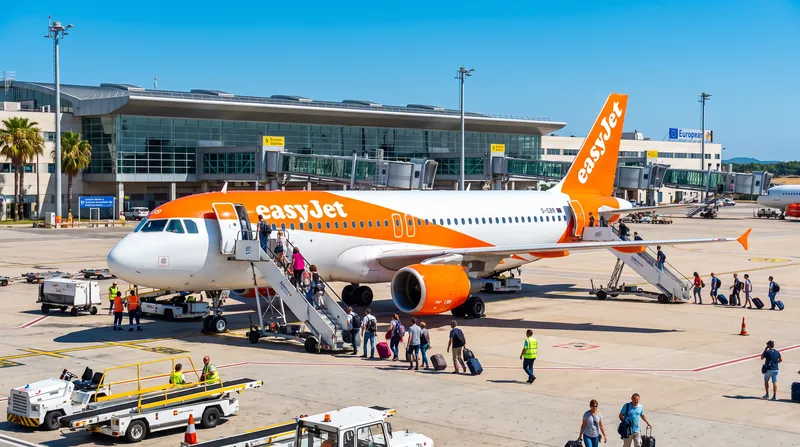
More in Travel
See all →Polar Conservation
The Mechanics of the Ethical Exodus: How Antarctic Guides Are Abandoning Cruise Tourism Over Climate 'Farce'
7 sources
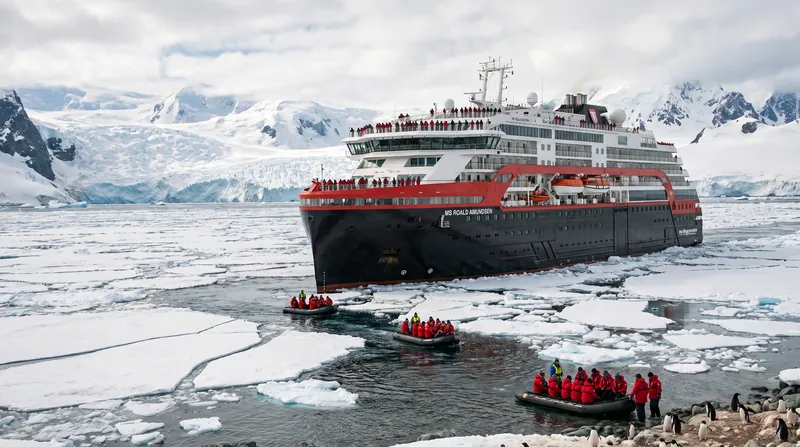
Travel Economy
Adventure Travel Reaches $1.16 Trillion as Cultural Immersion Replaces Extreme Sports
5 sources
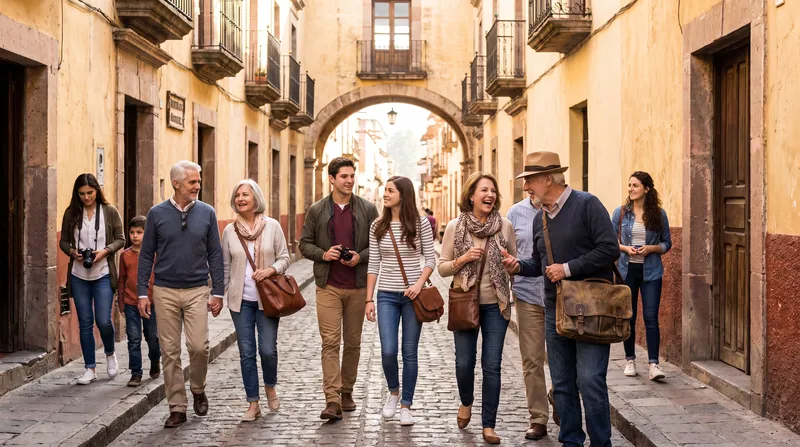
Regenerative Travel
Beyond Sustainability: How Regenerative Travel is Reshaping Global Tourism in 2026
4 sources

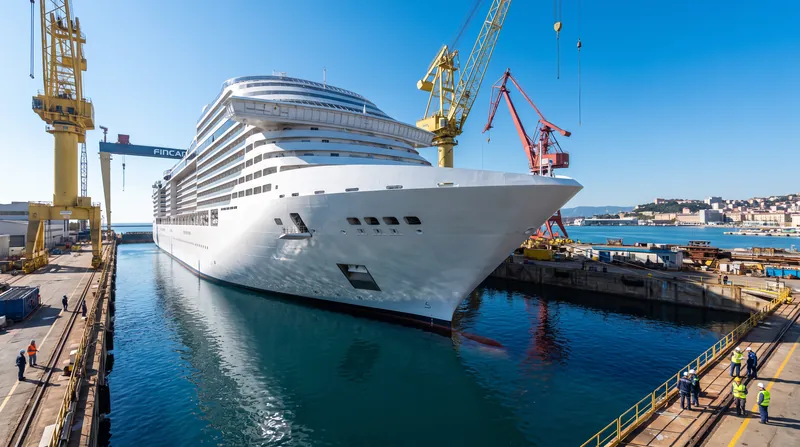
Cruise Decarbonization
Hydrogen-Powered Viking Astrea Launched at Fincantieri, Advancing Cruise Decarbonization
5 sources
Comments
Every angle. Every day.
Get Travel stories with full source coverage and perspective breakdowns, free every day.