
Meta Unveils $1,299 Lightweight VR Glasses and Pocket AI Gadget at Connect 2026
Meta has introduced a $1,299 lightweight virtual reality headset and a companion pocket AI device called the Muse Charm, shifting its hardware focus toward everyday wearability. The Connect 2026 announcements also include hearing aid capabilities for its smart glasses lineup.
By Nabil Faris

- Meta's Hardware Strategy
- Argues that weight and comfort are the primary barriers to VR adoption, justifying a split-compute architecture.
- Standalone Purists
- Argues that requiring a secondary pocket device is a step backward that recreates the limitations of tethered smartphones.
- Accessibility Advocates
- Praises the integration of hearing aid software into mainstream, fashionable smart glasses as a win for consumer health tech.
Perspectives this story doesn't cover
- Traditional audiology equipment manufacturers
- Privacy advocates concerned with always-on wearable cameras
Meta executives argue that mixed reality will only reach mass adoption when the hardware disappears into daily life, requiring lightweight frames even if it means offloading the processing power to a separate device. Hardware purists and competitors counter that tethering a headset to a pocket puck merely recreates the smartphone's limitations, sacrificing the seamless experience of a true standalone spatial computer. At the center of this architectural divide is Meta's newly announced $1,299 lightweight VR glasses, unveiled Thursday at the Connect 2026 developer conference.[1][5]
For consumers looking to upgrade their wearable tech, the new system splits the difference between a traditional headset and smart glasses. The $1,299 package includes the lightweight VR frames and the Muse Charm, a pocket-sized AI gadget that handles the heavy computational lifting. Pre-orders open immediately, with initial deliveries scheduled for late October 2026.[1][3]
By moving the battery and primary processors out of the headset, Meta has drastically reduced the weight on the user's face. The new VR glasses weigh just under 200 grams, a fraction of the bulk associated with the company's previous Quest line or Apple's 600-gram Vision Pro. The frames feature high-resolution micro-OLED displays and passthrough cameras designed for mixed-reality overlays.[4][6]
The Muse Charm serves as the system's brain and battery pack. Connected wirelessly to the glasses, the puck-sized device fits in a pocket and runs Meta's latest Llama-based AI models locally. According to the official Meta announcement blog, the architecture is designed to "deliver high-fidelity spatial computing without the physical fatigue that has historically limited headset use."[1][5]
The Muse Charm serves as the system's brain and battery pack.
Beyond the flagship VR hardware, Meta also expanded its standard smart glasses lineup. The company introduced more than 100 new frame styles for its camera-equipped and camera-free AI glasses, aiming to capture a broader fashion market. The standard AI glasses now start at a lower entry price, though specific regional pricing varies depending on the lens prescription and frame materials chosen.[3][4]
In a significant health-tech crossover, Meta announced that its AI glasses will now function as over-the-counter hearing aids. Utilizing the onboard microphones and directional speakers, the glasses can isolate and amplify conversational speech in noisy environments. This software update positions the eyewear as a direct competitor to traditional, often more expensive, audiology devices.[2][6]
The $1,299 price tag places the new VR glasses in a competitive middle ground. It is significantly more expensive than the mass-market $499 Quest 3 released in late 2023, but it dramatically undercuts the $3,499 Apple Vision Pro. Industry analysts at TNW note that this pricing strategy targets "prosumers" who want advanced mixed reality but refuse to wear a heavy ski-goggle apparatus for hours.[2][6]
The introduction of the Muse Charm also shifts how Meta handles user data. Because the pocket gadget features dedicated neural processing units, a larger percentage of AI voice requests and visual processing occurs on-device rather than in the cloud. As developers get their hands on the hardware this week, the true test will be whether the wireless link between the glasses and the Muse Charm can maintain the ultra-low latency required to prevent motion sickness during extended 2026 use.[1][5][6]
The stakes
The $1,299 price point and reduced weight signal a deliberate pivot away from bulky spatial computers toward devices meant for continuous daily use. By offloading processing power to a pocket accessory, Meta is betting that consumers will accept a two-piece system if it makes the headset comfortable enough to wear outside the living room.
The essentials
- Meta announced a new $1,299 lightweight VR headset paired with a pocket-sized AI processor called the Muse Charm.
- The split-compute design significantly reduces the weight of the headset to under 200 grams.
- Meta's standard AI glasses received a software update enabling them to function as over-the-counter hearing aids.
- The company introduced more than 100 new frame styles for its AI glasses lineup.
- Pre-orders for the new hardware are open, with initial shipments expected in late October 2026.
Perspectives explored
Meta's Hardware Strategy
Argues that weight and comfort are the primary barriers to VR adoption, justifying a split-compute architecture.
Meta's engineering team has concluded that the human neck cannot comfortably support the compute power required for high-end spatial computing for more than an hour. By moving the heaviest components—the battery and the main processor—into the Muse Charm, the company believes it has solved the friction point that keeps headsets in the closet. This strategy prioritizes all-day wearability over the elegance of a single, self-contained unit.
Standalone Purists
Argues that requiring a secondary pocket device is a step backward that recreates the limitations of tethered smartphones.
Hardware reviewers and competitors point out that the Muse Charm introduces new points of failure, specifically the wireless connection between the pocket and the face. Critics argue that managing two devices, ensuring both are charged, and dealing with potential latency spikes makes the system clunkier than standalone headsets like the Quest 3 or the Apple Vision Pro, which handle all processing internally.
Accessibility Advocates
Praises the integration of hearing aid software into mainstream, fashionable smart glasses as a win for consumer health tech.
The decision to turn standard AI glasses into over-the-counter hearing aids has been met with enthusiasm from accessibility groups. Traditional hearing aids carry a stigma and a high price tag, often costing thousands of dollars. By embedding directional audio amplification into stylish, everyday frames that people already want to wear, Meta is effectively normalizing assistive audio technology for a younger, broader demographic.
Sources
Source coverage
6 outlets
3 viewpoints surfaced






- [1]QuartzStandalone Purists
Meta unveils $1,299 VR glasses and Muse Charm at Connect 2026
Read on Quartz → - [2]TNWAccessibility Advocates
Meta unveils $1,299 VR glasses and turns its AI glasses into hearing aids
Read on TNW → - [3]Pulse 2.0Meta's Hardware Strategy
Meta Unveils $1,299.99 VR Glasses, Expands Muse AI, And Introduces More Than 100 AI Glasses Styles
Read on Pulse 2.0 → - [4]DezeenAccessibility Advocates
Meta unveils lightweight VR glasses and camera-free AI glasses at Connect 2026
Read on Dezeen → - [5]MetaMeta's Hardware Strategy
Everything We Announced at Meta Connect 2026
Read on Meta → - [6]EngadgetStandalone Purists
Everything Announced At Meta
Read on Engadget →
Comments

More in Shopping & Reviews
See all →Game Launch
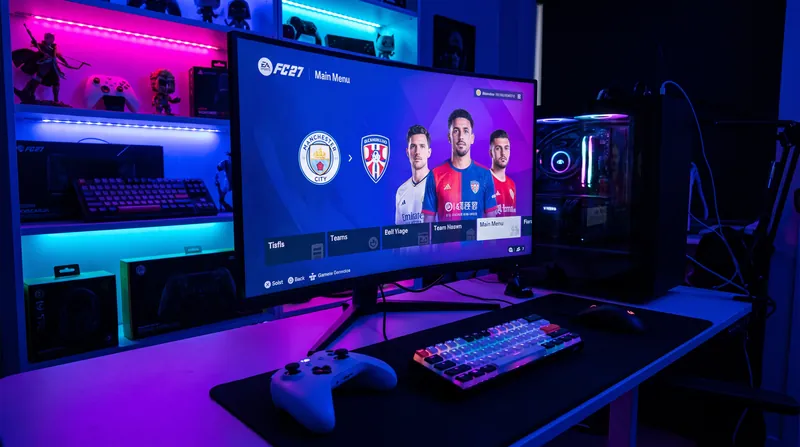
EA Sports FC 27 Standard Edition Launches Globally Across PC and Consoles
7 sources
Powersports Industry
Polaris Divests Vietnam Plant as Final Step in Indian Motorcycle Separation
3 sources

Audio Hardware
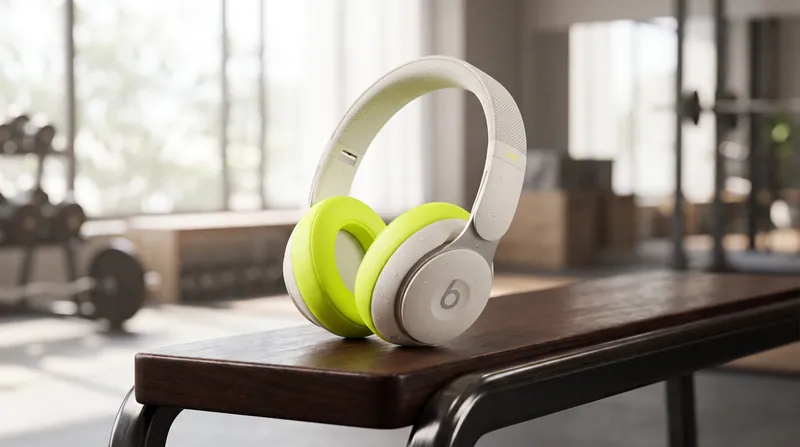
Beats Unveils 360 Headphones With Sensor-Driven Interchangeable Cushions and IPX4 Rating
5 sources
Payment Networks
The $34 Billion Payment Shift: Comparing Credit Card vs. Cash Prices as Merchants Gain New Fee-Steering Rights
4 sources

Every angle. Every day.
Get Shopping & Reviews stories with full source coverage and perspective breakdowns delivered to your inbox.