
full timeline
Red Sea shipping crisis
The Gemini Cooperation partners will restore their remaining Asia-Europe services to the Red Sea route, accelerating the timeline to end costly detours around Africa.
Follow Red Sea shipping crisis in the Factlen app and get an alert when there is news. Get the app
Share this story
Latest report
Maersk and Hapag-Lloyd Schedule Full Return to Suez Canal by Mid-January
The Gemini Cooperation partners will restore their remaining Asia-Europe services to the Red Sea route, accelerating the timeline to end costly detours around Africa. The phased transition begins in December and completes a broader industry shift back to the waterway.
- Maersk and Hapag-Lloyd will route their final three Asia-North Europe services through the Suez Canal by mid-January 2027.
- The transition begins on December 4 with the Mary Maersk departing Ningbo, followed by phased shifts for the AE3 and AE1 loops.
- Shorter transits will allow the carriers to reduce the number of ships deployed on these routes, releasing global vessel capacity.
- Ocean Network Express (ONE) and the Premier Alliance are also resuming canal transits, signaling a broader industry return.
The global shipping industry has accelerated its return to the Red Sea, with the Gemini Cooperation formally scheduling the end of its costly detours around Africa. Maersk and Hapag-Lloyd will restore their remaining Asia-Europe services to the Suez Canal by mid-January 2027, pulling forward a recovery timeline that previously stretched into March.[1][2]
The transition covers the AE1, AE2, and AE3 loops, the last of the partnership's Asia-North Europe strings still sailing around the Cape of Good Hope. The phased shift begins on December 4, 2026, when the 18,300-TEU Mary Maersk departs Ningbo, China, to initiate the revised AE2 rotation.[1][5]
The revised AE2 rotation will feature Suez Canal transits in both directions. After departing Ningbo, the vessels will call at Shanghai and Tanjung Pelepas before crossing the canal to reach Rotterdam, Wilhelmshaven, and Bremerhaven, eventually returning via Salalah and Singapore.[1]
The AE3 service will follow shortly after, with the 16,300-TEU Alette Maersk scheduled to sail from Shanghai on December 20. Its new port rotation will include stops in London, Gothenburg, Aarhus, Rotterdam, and Southampton.[1][2]
The final westbound resumption falls to the AE1 loop, which will transition when the 23,700-TEU Damietta Express leaves Shanghai on January 14, 2027. The vessel is currently steaming northbound along the west coast of Africa on its final Cape routing.[1]
Once the Damietta Express reverts to the new pro forma schedule, it will call at Rotterdam, Hamburg, Antwerp, and London. This departure represents the last of the Gemini Asia-Europe strings to return to the Red Sea.[1]
"They will now sail via the trans-Suez route instead of transiting via the Cape of Good Hope," Maersk stated in a customer advisory on November 16. The carrier noted that the Suez corridor remains the fastest and most efficient way to serve customers moving cargo between Asia, Europe, and the Middle East.[3][5]
Releasing Trapped Capacity
The return to the Suez Canal fundamentally alters the supply-and-demand balance of the global container fleet. Rerouting ships around southern Africa absorbed massive amounts of vessel capacity over the past three years, forcing carriers to deploy extra ships just to maintain weekly sailing schedules.[2][3]
That dynamic is now reversing rapidly as shorter voyages release vessels back into the global pool. According to Xeneta's eeSea liner database, the routing switch will allow the AE2 string to reduce its deployed fleet from 14 ships down to 13, while the AE3 loop will drop from 13 ships to 11.[1]
Across the industry, the resumption of Suez transits has already released nearly 600,000 TEU of capacity that had been tied up in Cape of Good Hope deployments. Xeneta chief analyst Peter Sand predicted at a recent summit that a full return to the Red Sea could cause freight rates to plummet in 2027.[1]
For importers in the United States, the impact of the Asia-Europe shift is indirect but highly consequential. Shorter voyages on the European trades create opportunities for carriers to rebalance their networks, potentially easing space constraints and stabilizing spot rates on transpacific lanes.[3]
However, logistics providers caution against expecting an immediate collapse in ocean freight costs. DHL Global Forwarding warned that while the Suez return releases capacity, ongoing port congestion and extensive network adjustments could keep global supply chains under pressure well into 2027.[3]
A Broader Industry Shift
Maersk and Hapag-Lloyd are not moving in isolation. The broader container shipping industry is experiencing a herd effect as carriers face peer pressure to maintain competitive transit times, prompting a wider return to the waterway.[4]
Ocean Network Express (ONE) sent its first ship through the canal in nearly three years on November 15. The 8,110-TEU ONE Continuity crossed the waterway as part of a northbound convoy traveling from Singapore to the Netherlands.[4]
The vessel operates on the FE1 service of the Premier Alliance, a vessel-sharing agreement that also includes South Korea's HMM and Taiwan's Yang Ming. The Suez Canal Authority confirmed the transit and noted that the return was part of a coordinated program by the alliance.[4]
Admiral Ossama Rabiee, the authority's chairman, stated that three additional routes operated by the Premier Alliance would soon switch back to the canal. "The Canal is ready to operate at full capacity, receiving the returning mega containerships," Rabiee emphasized.[4]
Security and Contingencies
The restoration of the Gemini Cooperation's network makes Maersk and Hapag-Lloyd the first alliance to fully restore Suez routing across all of its Asia-Europe services. The two carriers had previously rerouted four other Gemini services—the AE5, AE11, AE12, and ME2—back to the canal in September.[2][3]
The alliance had also restored its ME1 service connecting India and Europe earlier in November. Despite the aggressive scheduling, the carriers acknowledge that the operating environment remains volatile, with the structural return depending entirely on regional security conditions.[2][5]
Sources
- [1]The Loadstar — Gemini carriers target complete return to Suez transits by mid-January Read on The Loadstar →
- [2]gCaptain — Maersk, Hapag-Lloyd Expand Suez Canal Return With Three More Gemini Services Read on gCaptain →
- [3]FreightWaves — Maersk and Hapag-Lloyd restore Asia-Europe Suez routes as U.S. shippers watch capacity and costs Read on FreightWaves →
- [4]The Maritime Executive — ONE Joins Maersk, Hapag, and Others in Return to Suez Canal Read on The Maritime Executive →
- [5]Maersk — Structural changes to AE1, AE2 and AE3 Gemini services Read on Maersk →
What to watch
- The Mary Maersk is scheduled to depart Ningbo on December 4, beginning phased shifts for the AE3 and AE1 loops.
- Maersk and Hapag-Lloyd will route their final three Asia-North Europe services through the Suez Canal by mid-January 2027.
- A.P. Moller-Maersk projects that all of its shipping services will resume Suez Canal transits by March 2027.
Earlier updates
1 update
Major Container Carriers Prepare to Resume Suez Canal Transits
Key point: Leading global shipping alliances are routing their Asia-Europe and India-Europe services back through the Suez Canal, ending prolonged diversions.
AIMajor ocean carriers are gradually restoring transits through the Suez Canal after nearly three years of rerouting.From: MSC and Major Carriers Resume Suez Canal Transits as Red Sea Security Outlook Shifts Major global shipping lines are preparing to resume full transits through the Suez Canal for their Asia-Europe and India-Europe routes. Taiwan's Evergreen is set to begin eastbound crossings this week, while Yang Ming and HMM plan to restart their Suez routes next month.
The shift includes Gemini Cooperation partners Maersk and Hapag-Lloyd, who are rerouting their ME1 service between India and Europe back through the canal to shorten transit times. This move signals a broader return to the critical waterway by major shipping groups, including the Ocean and Premier alliances.
The resumption of Suez Canal sailings is expected to significantly impact European ports, which will be the first to handle the adjusted cargo flows. Carriers had previously diverted vessels around the Cape of Good Hope, leading to extended transit times and disrupted global supply chains.
Charts, maps and images
Timeline
November 2026
Maersk and Hapag-Lloyd Schedule Full Return to Suez Canal by Mid-January
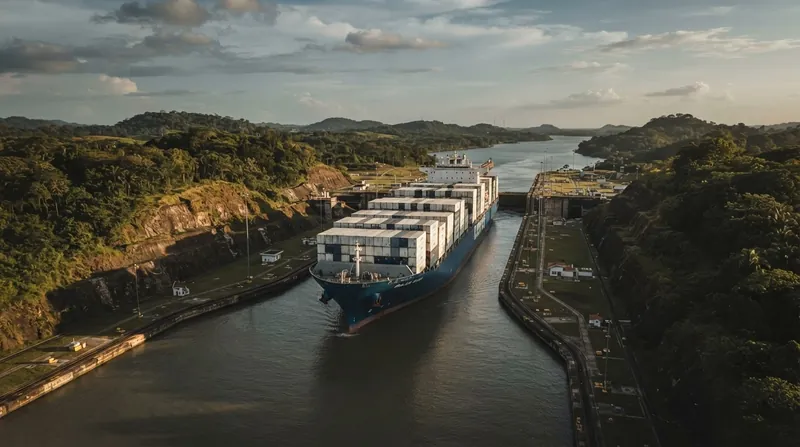
Japanese Shipping Carrier ONE Resumes Red Sea and Suez Canal Transits After Three-Year Hiatus
Major Container Carriers Prepare to Resume Suez Canal Transits
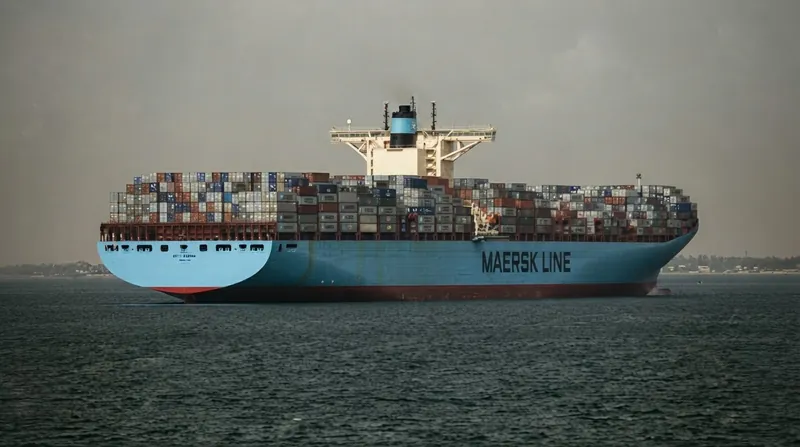
- Major Container Carriers Prepare to Resume Suez Canal TransitsKey point: Leading global shipping alliances are routing their Asia-Europe and India-Europe services back through the Suez Canal, ending prolonged diversions.
October 2026
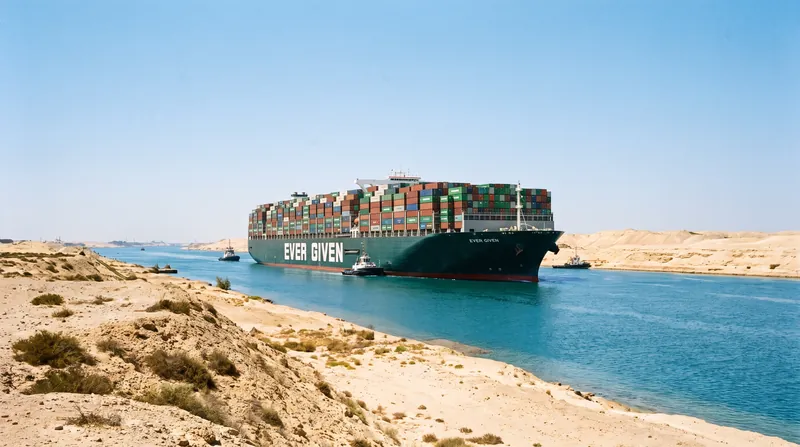
Nearly Two-Thirds of Asia-Europe Container Capacity Returns to Suez Canal Route

September 2026
Suez Canal Authority Declares Waterway Safe, Reports 57% Revenue Surge in August as Traffic Recovers
August 2026
MSC and Major Carriers Resume Suez Canal Transits as Red Sea Security Outlook Shifts
How the story developed
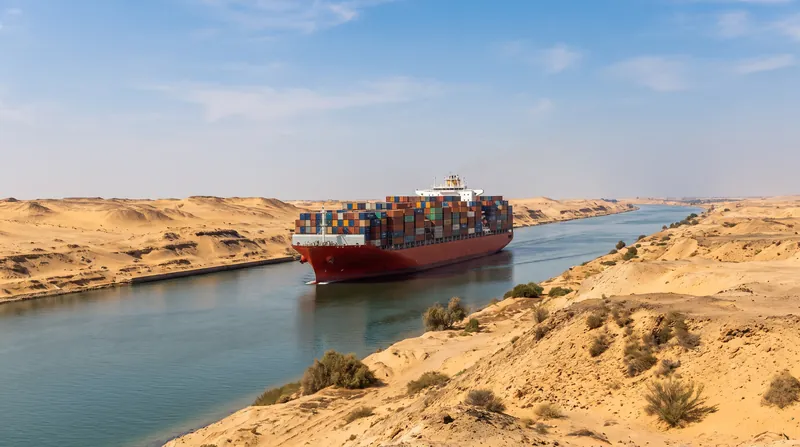
On August 26, Mediterranean Shipping Company and other major ocean carriers, including Maersk, CMA CGM, and Hapag-Lloyd, began partially restoring East-West services through the Suez Canal after nearly three years of disruption. The decision followed comprehensive security reviews and the continued presence of international naval coalitions. Reintegrating the Suez route eliminated a 4,000-nautical-mile detour, with the normalization of sailing schedules expected to alleviate container shortages and lower freight rates.
By September 27, the Suez Canal Authority reported a 56.7 percent year-on-year revenue increase in August to $567.1 million. Vessel transits rose 27 percent to 1,358 ships, while net cargo tonnage jumped 51.1 percent to 68.3 million tons. During a maritime ceremony in Alexandria, SCA Chairman Osama Rabie officially declared the waterway safe and fully operational. Despite the gains, August receipts remained approximately 36 percent below pre-disruption levels recorded in 2023, and the SCA expanded ancillary services like bunkering and ship repair to diversify its revenue base.
On October 21, Alphaliner data showed 63 percent of Far East-to-Europe container capacity was routing through the Red Sea. Vessels on 24 of the 46 direct services between the two regions abandoned the Cape of Good Hope detour. The sudden influx of returning vessels compressed arrival schedules and tested capacity at Northern European port hubs.
By November 3, leading global shipping alliances prepared to route their Asia-Europe and India-Europe services back through the Suez Canal, ending prolonged diversions.