full timeline
Red Sea shipping crisis
Follow Red Sea shipping crisis in the Factlen app and get an alert when there is news. Get the app
Share this story
Latest
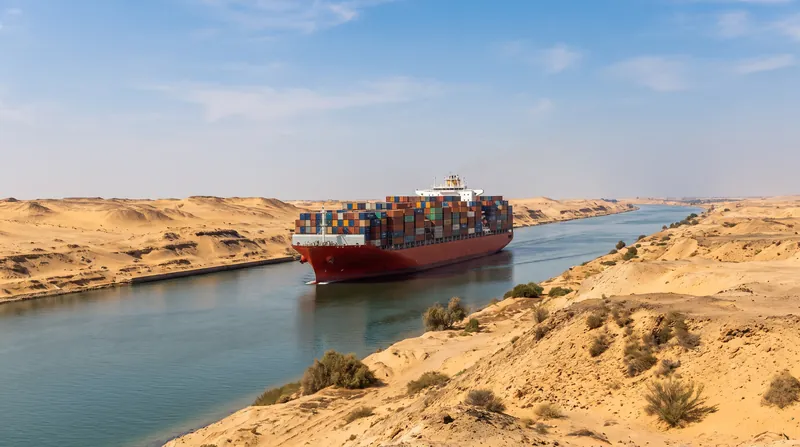
By 14:25 UTC on November 3, major global shipping lines prepared to resume full transits through the Suez Canal for their Asia-Europe and India-Europe routes. Taiwan's Evergreen scheduled eastbound crossings to begin that week, while Yang Ming and HMM planned to restart their Suez routes the following month.
At the same time on November 3, Gemini Cooperation partners Maersk and Hapag-Lloyd began rerouting their ME1 service between India and Europe back through the canal to shorten transit times. The move signaled a broader return to the waterway by major shipping groups, including the Ocean and Premier alliances, ending prolonged diversions around the Cape of Good Hope.
The resumption of Suez Canal sailings is expected to significantly impact European ports, which will be the first to handle the adjusted cargo flows. By 21:01 UTC on October 21, the sudden influx of returning vessels was already compressing arrival schedules and testing capacity at Northern European port hubs.
How the story developed
The restoration of the Red Sea corridor began on August 26, when Mediterranean Shipping Company officially started restoring transits through the Suez Canal for selected East-West services. The carrier joined Maersk, CMA CGM, and Hapag-Lloyd in a phased return following comprehensive security reviews and the continued presence of international naval coalitions. Reintegrating the route eliminated a 4,000-nautical-mile detour, reducing transit times and aiming to alleviate container shortages and lower freight rates.
On September 27, Suez Canal Authority Chairman Osama Rabie officially declared the waterway safe and fully operational during a maritime ceremony in Alexandria. The authority reported that August revenue reached $567.1 million, a 56.7 percent year-on-year increase. Vessel transits rose 27 percent to 1,358 ships, while net cargo tonnage jumped 51.1 percent to 68.3 million tons.
Despite the partial recovery in maritime traffic, August receipts remained approximately 36 percent below pre-disruption levels recorded in 2023. In response, the Suez Canal Authority began expanding ancillary services such as bunkering and ship repair to diversify its revenue base.
By October 21, global shipping networks were rapidly abandoning the Cape of Good Hope detour as carriers restored direct Red Sea transits. Alphaliner data showed that 63 percent of Far East-to-Europe container capacity was routing through the Red Sea, with vessels on 24 of the 46 direct services between the two regions abandoning the detour.
What to watch
- Taiwan's Evergreen is set to begin eastbound Suez Canal crossings during the week of November 3.
- Yang Ming and HMM plan to restart their Suez routes in the month following November 3.
- A.P. Moller-Maersk projects that all of its shipping services will resume Suez Canal transits by March 2027.
Where things stand
Major Container Carriers Prepare to Resume Suez Canal Transits
Key point: Leading global shipping alliances are routing their Asia-Europe and India-Europe services back through the Suez Canal, ending prolonged diversions.
Major global shipping lines are preparing to resume full transits through the Suez Canal for their Asia-Europe and India-Europe routes. Taiwan's Evergreen is set to begin eastbound crossings this week, while Yang Ming and HMM plan to restart their Suez routes next month.
The shift includes Gemini Cooperation partners Maersk and Hapag-Lloyd, who are rerouting their ME1 service between India and Europe back through the canal to shorten transit times. This move signals a broader return to the critical waterway by major shipping groups, including the Ocean and Premier alliances.
The resumption of Suez Canal sailings is expected to significantly impact European ports, which will be the first to handle the adjusted cargo flows. Carriers had previously diverted vessels around the Cape of Good Hope, leading to extended transit times and disrupted global supply chains.
Charts, maps and images
Timeline
November 2026
Major Container Carriers Prepare to Resume Suez Canal Transits
- Major Container Carriers Prepare to Resume Suez Canal TransitsKey point: Leading global shipping alliances are routing their Asia-Europe and India-Europe services back through the Suez Canal, ending prolonged diversions.
October 2026
Nearly Two-Thirds of Asia-Europe Container Capacity Returns to Suez Canal Route

September 2026
Suez Canal Authority Declares Waterway Safe, Reports 57% Revenue Surge in August as Traffic Recovers
August 2026
MSC and Major Carriers Resume Suez Canal Transits as Red Sea Security Outlook Shifts
AI-generatedAI-generatedAI-generated