
How UK Grassroots Football is Transforming into a £3.2 Billion Public Health Tool
A new £85 million government investment highlights how community football is being leveraged to combat loneliness, improve mental health, and save the NHS billions.
By Meera Iyer

The UK's Department for Culture, Media and Sport (DCMS) has unlocked £85 million in funding for grassroots football facilities for the 2026/27 season. The allocation is the latest tranche of a broader £400 million long-term commitment to upgrade local sports infrastructure across the country.[1]
The investment targets nearly 1,000 community projects, aiming to build weather-resistant pitches and ensure local clubs can grow sustainably. But while the immediate deliverables are physical infrastructure, the underlying motivation is a highly calculated public health strategy.[1]
By making the sport more accessible year-round, policymakers hope to alleviate mounting pressure on the National Health Service (NHS). The economic and medical stakes of this approach are massive, effectively transforming local pitches into proactive extensions of the healthcare system.[1][6]
According to England Football's latest strategic report, regular grassroots participation prevents an estimated 519,000 disease cases annually across the country.
This preventative health effect translates to roughly £3.2 billion in savings for the NHS every single year. To put that figure into perspective, it is the financial equivalent of avoiding nearly 35 million visits to Accident & Emergency departments.
The benefits extend far beyond cardiovascular fitness and physical conditioning. The sport is increasingly recognized as a frontline defense against the modern epidemic of loneliness, particularly among young adults and marginalized groups who lack traditional community anchors.[3][6]
Independent platforms like "Footy Addicts" have emerged to address the logistical hurdles of amateur play, connecting strangers for casual, commitment-free games. The app was originally designed to solve the infuriating problem of late dropouts ruining local matches.[3]
Today, it does much more. By allowing players to step in at short notice, the platform fosters spontaneous social networks. For many navigating new cities or demanding jobs, these casual kickabouts provide a rare, low-pressure environment to build lasting friendships.[3]
The medical community is actively taking note of these organic social structures. A recent paper in the British Journal of Sports Medicine highlighted Footy Addicts—which now boasts over 300,000 registered adults in the UK—as a compelling, low-cost exercise intervention.[4]
With over 60% of its games organized in socioeconomically deprived areas, the platform reaches demographics that traditional gym memberships often miss. In internal surveys, 93% of participants reported tangible improvements in their overall well-being.[4]
Clinicians are beginning to view these community networks as prescribable treatments. In West London, NHS peer support teams have even collaborated with local club charities to offer fully subsidized games aimed specifically at improving men's mental health.[4]
At the local club level, regional associations are proactively equipping volunteers to handle these complex social dynamics. In Oxfordshire, a new mental health awareness pilot is training grassroots coaches to recognize early signs of distress among players.[2]
Supported by the Joey Beauchamp Legacy Fund, the initiative acknowledges that coaches often serve as trusted confidants for young people. The two-hour workshops teach volunteers how to initiate age-appropriate conversations and safely direct vulnerable individuals to professional support networks.[2]
This shift reflects a broader transformation in how the sport operates within society. Academic researchers note that football clubs are increasingly returning to their deep historical roots as charitable, civic institutions rather than mere weekend entertainment venues.[5]
During recent global crises, many clubs pivoted to become community lifelines, delivering outreach work that supported vulnerable residents and fostered local solidarity in ways that formal government agencies struggled to replicate.[5]
As the 2026/27 season approaches, the influx of government funding and the integration of health-focused initiatives suggest a permanent evolution. Grassroots football is no longer just a game; it is becoming a vital, heavily relied-upon piece of the UK's social and medical infrastructure.[6]
The essentials
- The UK government has allocated £85 million for the 2026/27 season to upgrade grassroots football facilities.
- Regular community football participation saves the NHS an estimated £3.2 billion annually by preventing disease.
- Platforms like Footy Addicts are being recognized by medical professionals as effective tools to combat male loneliness.
- Regional FAs are launching pilot programs to train volunteer coaches in mental health awareness and early intervention.
Timeline
2013
The Footy Addicts platform launches to help amateur players find local games and fill in for late cancellations.
2020-2021
During the pandemic, football clubs pivot to provide essential community outreach, highlighting their role as civic institutions.
2024
England Football launches its 2024-2028 strategy, emphasizing the game's £3.2 billion annual savings for the NHS.
April 2026
Oxfordshire FA launches a mental health awareness pilot to train grassroots coaches in recognizing distress.
June 2026
The UK government announces £85 million in grassroots funding for the 2026/27 season to upgrade facilities and boost public health.
- Public Health Advocates
- View grassroots sports as a vital preventative health measure that reduces NHS strain.
- Community Organizers
- Focus on the social fabric, using football to build local connections and combat loneliness.
- Academic Researchers
- Analyze the historical and socioeconomic impact of football clubs as civic institutions.
Perspectives this story doesn't cover
- Local Council Planners
- NHS Frontline Workers
Sources
Source coverage
6 outlets
3 viewpoints surfaced






- [1]Team GrassrootsCommunity Organizers
DCMS ANNOUNCE £85 million of funding to be distributed in 2026/27
Read on Team Grassroots → - [2]Oxfordshire FACommunity Organizers
Grassroots Football Comes Together to Launch Mental Health Awareness Pilot
Read on Oxfordshire FA → - [3]The GuardianCommunity Organizers
Professional baseball team cancels game after players refuse to wear Pride jerseys
Read on The Guardian → - [4]British Journal of Sports MedicinePublic Health Advocates
Football for health and well-being: the Footy Addicts platform
Read on British Journal of Sports Medicine → - [5]RoutledgeAcademic Researchers
Football, Community and Social Responsibility
Read on Routledge → - [6]Factlen Editorial TeamAcademic Researchers
Synthesis by Factlen editorial team
Read on Factlen Editorial Team →

More in Sports
See all →World Cup
World Cup Final Four Set: France Faces Spain, Argentina Clashes with England in Blockbuster Semi-Finals
6 sources

World Cup 2026
Norway Upsets Brazil in World Cup Round of 16 as Neymar Announces International Retirement
4 sources

AC Milan Rebuild
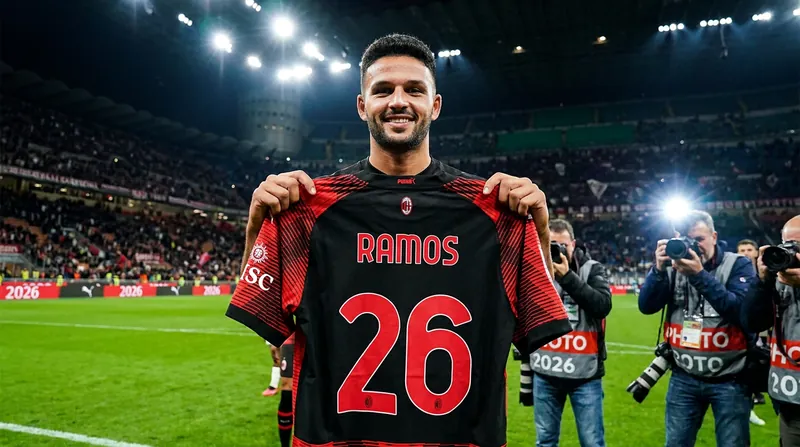
AC Milan Announces Record-Breaking Signing of Goncalo Ramos in Blockbuster Transfer Deal
3 sources
National Team Reset
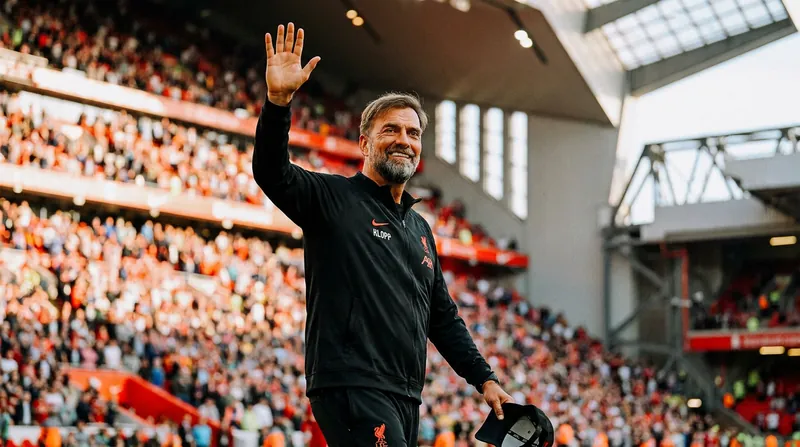
Nagelsmann Steps Down as Germany Coach; DFB Pivots to Jürgen Klopp in Major Reset
3 sources
Comments
Every angle. Every day.
Get Sports stories with full source coverage and perspective breakdowns, free every day.