
World Cup Final Four Set: France Faces Spain, Argentina Clashes with England in Blockbuster Semi-Finals
The 2026 World Cup semi-finals are officially set, featuring a clash of European titans between France and Spain, and a historic rivalry renewed as defending champion Argentina meets England.
By Jackson Reed

Share this story
The 2026 World Cup has reached its penultimate stage, delivering a semi-final bracket that promises historic drama and elite tactical matchups. Following a grueling weekend of quarter-final action in the North American heat, the final four is officially set: defending champions Argentina will face England, while France is slated to take on Spain. The matchups guarantee a final featuring at least one European powerhouse, while keeping alive the possibility of a back-to-back title defense for the South American giants.[4]
Argentina secured their progression in dramatic fashion, surviving a supreme tactical test against a resilient, 10-man Swiss side in Kansas City. Despite taking an early lead via a beautifully placed header from Alexis Mac Allister, the defending champions found themselves dragged into extra time after a dogged Switzerland managed a second-half equalizer. The match ground down to a walking pace in the sweltering conditions, forcing Argentina to dig deep into their reserves.[1][3]
It was Julián Álvarez who ultimately broke the deadlock, cutting inside to deliver a stunning extra-time strike that restored Argentina's advantage before they sealed the 3-1 victory. The resilience shown by Lionel Scaloni's squad underscores their championship pedigree, proving they can grind out results and find alternative heroes even when their captain, Lionel Messi, is heavily marked by opposition defenses.[3]
Waiting for Argentina is an England side that navigated its own extra-time thriller against Norway in the heavy air of Miami Gardens. Trailing late in the match, England relied on the individual brilliance of Jude Bellingham, who struck twice to flip the script and secure a 2-1 victory. Bellingham's performance eclipsed a relatively quiet night for Norwegian star Erling Haaland, who was substituted late in extra time as his team's historic run came to an end.[2]
The English victory, however, was not without internal friction. England manager Thomas Tuchel publicly criticized his team's sloppy play and admitted they "got lucky" with a controversial disallowed Norwegian goal. The critique prompted Bellingham to publicly defend the squad's fighting spirit and their ability to "win dirty," setting up a fascinating psychological dynamic as they prepare for the semi-final.[6]
On the other side of the bracket, a European classic awaits as France prepares to clash with Spain. France booked their ticket with a clinical victory over Morocco, highlighted by a stunning goal from Kylian Mbappé and a decisive strike from Ousmane Dembélé. The French squad's asymmetric attacking rotation has proven overwhelming for opponents throughout the tournament, blending blistering transition speed with lethal finishing.[5]
Spain, meanwhile, has quietly dismantled their side of the draw with a possession-heavy, suffocating style that evokes memories of their 2010 championship run. The tactical battle between France's direct, explosive counter-attacks and Spain's methodical midfield control is already being billed as the match of the tournament by European analysts, promising a clash of fundamentally different footballing philosophies.
The historical weight of the Argentina-England fixture cannot be overstated. Decades of World Cup history, from the 1986 "Hand of God" to the 1998 penalty shootout, provide a rich backdrop for a match that will captivate both nations. For England, it represents a chance to dethrone the champions and reach their first final since 1966, while Argentina looks to cement a modern dynasty on the global stage.[1][4]
As the teams travel to their respective semi-final venues, the physical toll of the tournament's expanded format and intense summer heat will become a critical factor. Squad depth, recovery science, and tactical flexibility will determine which two nations earn the right to walk out for the final in New Jersey, capping off a month of spectacular international football.[4]
Key points
- The 2026 World Cup semi-finals are set: Argentina vs. England and France vs. Spain.
- Argentina advanced by defeating a 10-man Switzerland 3-1 in extra time.
- England secured their spot with a 2-1 extra-time comeback victory over Norway, led by Jude Bellingham.
- France and Spain will clash in a battle of contrasting European tactical styles.
- The Argentina-England matchup renews one of international football's most historic and intense rivalries.
How we got here
July 11, 2026
France defeats Morocco to secure their place in the semi-finals.
July 11, 2026
Spain advances to the final four, setting up a clash with France.
July 11, 2026
England comes from behind to beat Norway 2-1 in extra time.
July 11, 2026
Argentina defeats Switzerland 3-1 in extra time to finalize the semi-final bracket.
- South American Analysts
- Focuses on Argentina's resilience, their ability to win without relying solely on Messi, and their quest for a historic back-to-back title.
- English Media
- Highlights Jude Bellingham's individual heroism, the team's ability to grind out results, and the historical weight of the Argentina rivalry.
- European Tactical Observers
- Emphasizes the stylistic clash between France's explosive transition attack and Spain's suffocating possession-based midfield.
Perspectives this story doesn't cover
- Fans of the eliminated quarter-finalists (Switzerland, Norway, Morocco)
- Local host city organizers managing the influx of traveling supporters
Sources
Source coverage
6 outlets
3 viewpoints surfaced





- [1]BBC SportEnglish Media
Argentina set up England semi-final with extra-time victory over Switzerland
Read on BBC Sport → - [2]ESPNEnglish Media
Bellingham's big night eclipses anonymous Haaland as England reach semifinals
Read on ESPN → - [3]The GuardianSouth American Analysts
Julián Álvarez’s extra-time stunner sinks 10-man Switzerland to send Argentina into semi-finals
Read on The Guardian → - [4]Fox SportsEuropean Tactical Observers
World Cup Final Four: Heavyweights collide as semi-final bracket is set
Read on Fox Sports → - [5]L'EquipeEuropean Tactical Observers
Les Bleus en demi-finale: Mbappé et Dembélé foudroient le Maroc
Read on L'Equipe → - [6]BBC SportEnglish Media
Tuchel angry at 'lucky' and 'sloppy' England – can 'mentality' be enough?
Read on BBC Sport →
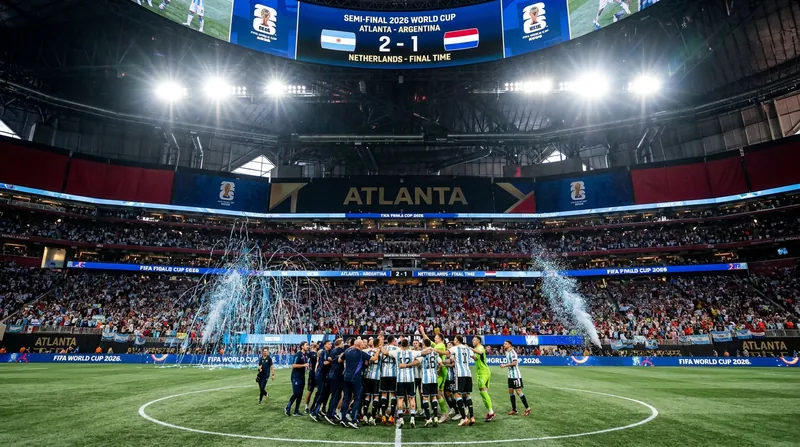
More in Sports
See all →Bernabéu Shakeup
José Mourinho Returns to Real Madrid for Shock Second Stint as Head Coach
3 sources
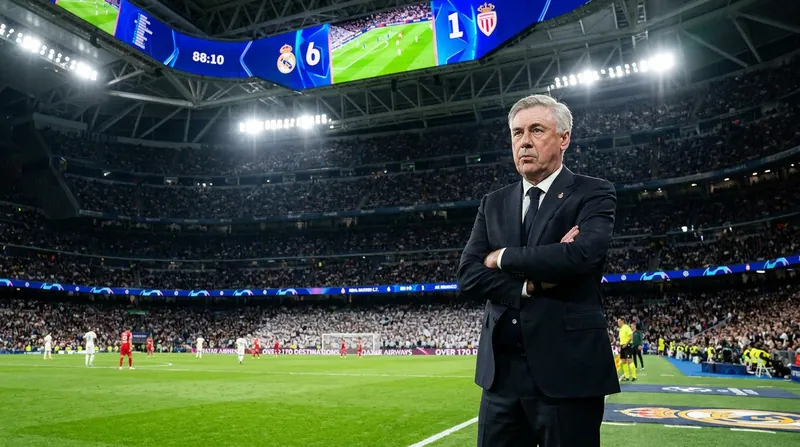
World Cup 2026
Norway Upsets Brazil in World Cup Round of 16 as Neymar Announces International Retirement
4 sources
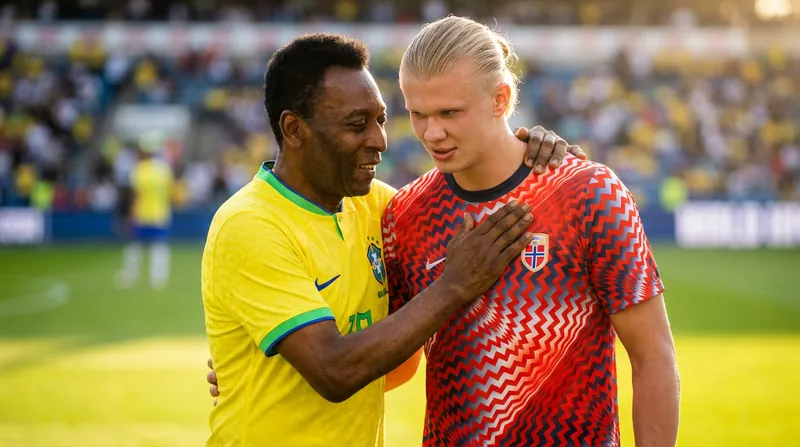
AC Milan Rebuild
AC Milan Announces Record-Breaking Signing of Goncalo Ramos in Blockbuster Transfer Deal
2 sources
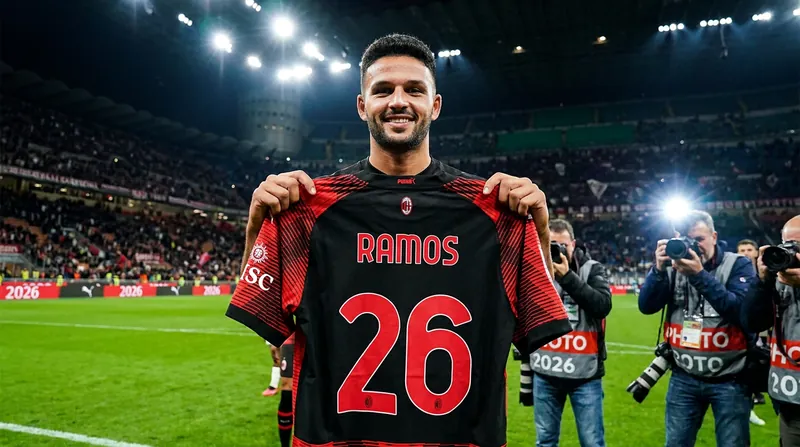
National Team Reset
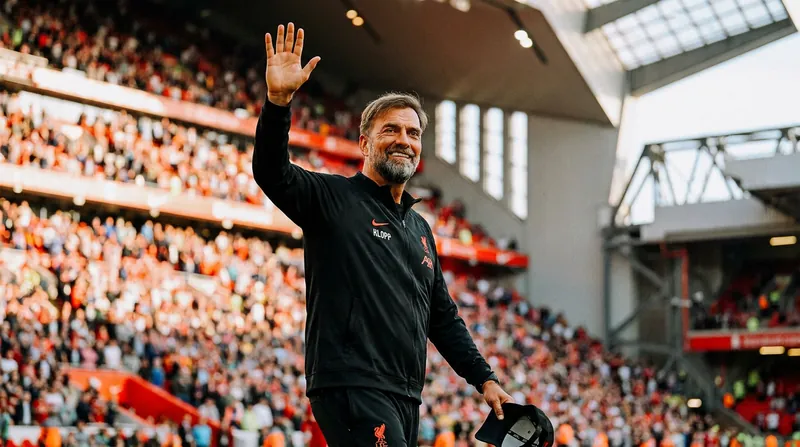
Nagelsmann Steps Down as Germany Coach; DFB Pivots to Jürgen Klopp in Major Reset
3 sources
Comments
Every angle. Every day.
Get Sports stories with full source coverage and perspective breakdowns, free every day.