
How a Sanctioned 'Shadow Fleet' Tanker Caused a Massive Oil Spill Off Oman
The sinking of the Caroline Bezengi has released a rapidly expanding oil slick into a protected marine reserve, highlighting the environmental mechanics of vessels used to bypass international sanctions.
By Hunter Cole

- Environmental Advocates
- Warn that the spill represents an unprecedented ecological disaster requiring immediate international intervention.
- Maritime Intelligence
- Focus on the systemic risks posed by the shadow fleet's aging infrastructure and lack of insurance.
- Regional Authorities
- Emphasize monitoring and localized mitigation efforts while navigating the logistical challenges of monsoon season.
Perspectives this story doesn't cover
- The vessel's registered owners
- Russian export authorities
Summary
- A sanctioned tanker carrying roughly one million barrels of oil is sinking off the coast of Oman.
- The resulting oil slick has expanded to nearly 800 square kilometers within a protected marine reserve.
- The vessel is part of a 'shadow fleet' used to bypass Western sanctions, operating without standard insurance.
- Monsoon conditions are accelerating the spread of the oil and complicating potential salvage operations.
- The spill threatens endangered species, including the Arabian Sea humpback whale and nesting sea turtles.
The common assumption about modern oil spills is that they involve recognizable corporate logos, intense public accountability, and multi-billion-dollar cleanup settlements. The reality of maritime transport in 2026 is far more opaque. Today, some of the most severe environmental threats stem from a decentralized network of aging, uninsured vessels designed specifically to evade international oversight and financial liability.
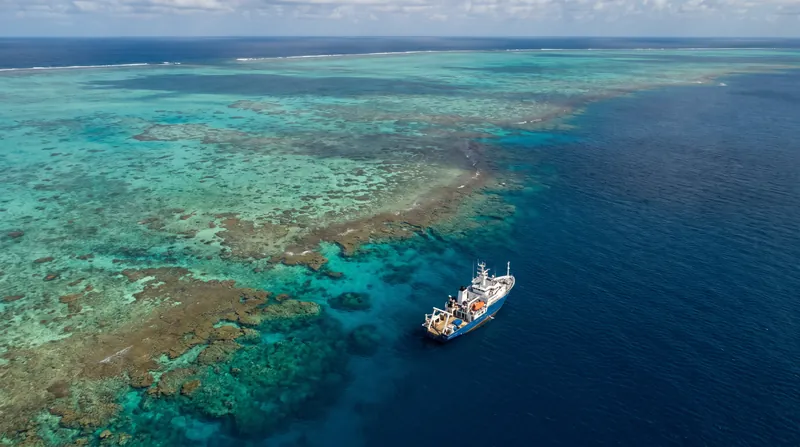
This systemic vulnerability is currently playing out off the southern coast of Oman, where a 274-meter Suezmax tanker known as the Caroline Bezengi is slowly sinking into the Arabian Sea. Carrying an estimated one million barrels of crude oil, the vessel has been grounded near Al-Qibliyyah island for several weeks, steadily releasing its cargo into a highly sensitive ecosystem.[1]
Satellite imagery confirms that the ship's hull has been breached, releasing a rapidly expanding slick into a protected marine reserve. According to environmental monitoring organizations analyzing remote sensing data, the contamination zone swelled from roughly 45 square kilometers in late July to nearly 800 square kilometers by the first week of August.[2]
The incident exposes the mechanics of the "shadow fleet"—a flotilla of hundreds of older ships utilized to transport Russian petroleum outside the bounds of Western sanctions. These vessels typically operate near the end of their mechanical lifecycles, lacking standard industry insurance and rigorous maintenance protocols.
The Caroline Bezengi, which was previously sanctioned by both the United Kingdom and the European Union, loaded its cargo at the Russian Black Sea port of Novorossiysk in May. Its ownership structure reflects the deliberate obfuscation typical of shadow fleet operations, with registration traced to a residential address in Shanghai rather than a traditional maritime corporate headquarters.[3][4]
The chain of events leading to the grounding remains murky. Maritime security sources indicate the vessel broadcast a distress call on June 8 off the coast of Yemen, reporting an explosion on board. Following the incident, the ship's automatic identification system (AIS) went dark, and the crippled vessel drifted toward the Omani archipelago.[3][4]
The location of the grounding amplifies the ecological stakes. The Al Hallaniyat archipelago is a critical biodiversity hotspot, designated as a marine reserve by Oman in 2025. The surrounding waters serve as a primary habitat for the rare Arabian Sea humpback whale, a genetically distinct and highly endangered population.[1]
The location of the grounding amplifies the ecological stakes.
The islands also support extensive coral reefs, seagrass meadows, and nesting grounds for endangered sea turtles. Migratory seabirds, including various species of petrels, rely on the isolated beaches for breeding, making the introduction of heavy crude oil particularly devastating to regional wildlife populations.[1]
Compounding the crisis is the region's seasonal weather pattern. July and August mark the peak of the monsoon season in the Arabian Sea, bringing severe winds and turbulent currents that accelerate the dispersion of the crude oil across a wider geographic area and complicate any potential maritime intervention.[2]
Remote sensing specialists analyzing short-wave infrared data note that the vessel appears increasingly submerged, suggesting a deteriorating structural integrity. The darker concentrations of the slick indicate a continuous release of heavy crude from breached storage tanks rather than a finite, contained leak from the engine room.[3]
The response architecture for such an event is fundamentally compromised by the vessel's shadow status. In a standard maritime disaster, the ship's protection and indemnity (P&I) club would immediately mobilize international salvage teams, finance containment booms, and coordinate with local authorities.
Without a recognized insurer or a cooperative ownership entity, the logistical and financial burden falls entirely on the host nation. The Omani government has stated it is monitoring the situation via satellite and field surveys, preparing technical teams to mitigate impacts on marine life and navigation safety.[2]
However, executing a complex salvage operation on a compromised hull in monsoon conditions requires specialized international assets. Environmental advocates are urging regional authorities to formally request global assistance before the remaining cargo breaches the containment of the submerged tanks and triggers an unprecedented regional disaster.
The Caroline Bezengi is not an isolated anomaly. Maritime intelligence firms have documented multiple near-misses involving shadow fleet tankers in recent years, including groundings in the Bosphorus Strait and collisions near Denmark, highlighting a growing systemic risk to global shipping lanes.
As long as geopolitical sanctions incentivize the use of unregulated maritime logistics, coastal ecosystems remain exposed to catastrophic risk. The situation off Oman serves as a real-time demonstration of how economic statecraft inadvertently shifts severe environmental liabilities onto uninvolved nations.
Definitions
- Shadow Fleet
- A flotilla of aging, unregulated tankers used to transport sanctioned petroleum products while evading international oversight.
- Suezmax
- A naval architecture term for the largest ships capable of transiting the Suez Canal fully loaded, typically carrying about one million barrels of oil.
- Automatic Identification System (AIS)
- A tracking system used on ships to broadcast their location to other vessels and coastal authorities to prevent collisions.
- Protection and Indemnity (P&I) Club
- A mutual insurance association that provides risk pooling and liability coverage for shipowners, including coverage for environmental cleanups.
Questions & answers
What is the 'shadow fleet'?
The shadow fleet refers to a network of older, often poorly maintained vessels used to transport oil outside of Western sanctions. They typically operate without standard industry insurance and use complex ownership structures to hide their origins.
Why is the oil spreading so quickly?
The spill is occurring during the peak of the Arabian Sea's monsoon season. High winds and turbulent currents are rapidly dispersing the crude oil across a wider area.
Who pays for the cleanup?
Because shadow fleet vessels lack standard Protection and Indemnity (P&I) insurance, there is no corporate insurer to fund the response. This leaves the financial and logistical burden on the host nation—in this case, Oman.
What wildlife is at risk?
The Al Hallaniyat archipelago is home to the rare Arabian Sea humpback whale, endangered sea turtles, migratory seabirds, and extensive coral reefs.
Sources
Source coverage
4 outlets
3 viewpoints surfaced




- [1]Los Angeles TimesRegional Authorities
Leaking tanker off Oman coast is sinking deeper, satellite images show, threatening marine life
Read on Los Angeles Times → - [2]The HinduRegional Authorities
Sanctioned tanker carrying nearly 1 million barrels of oil sinking off Oman's coast
Read on The Hindu → - [3]The Maritime ExecutiveMaritime Intelligence
Shadow Fleet Tanker Appears to Spill Oil off Coast of Oman
Read on The Maritime Executive → - [4]Kyiv PostMaritime Intelligence
Sanctioned Russian Shadow Fleet Tanker Spills Oil Off Oman Coast
Read on Kyiv Post →
Comments
More in Environment
See all →Nile Basin Hydropolitics
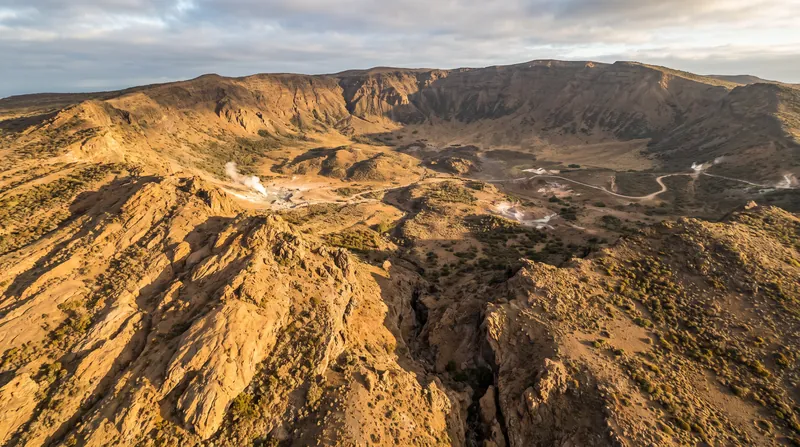
Egyptian PM Calls Nile Water Security an 'Existential Issue' at UN, Rejecting GERD 'Fait Accompli'
5 sources
Statehood Law
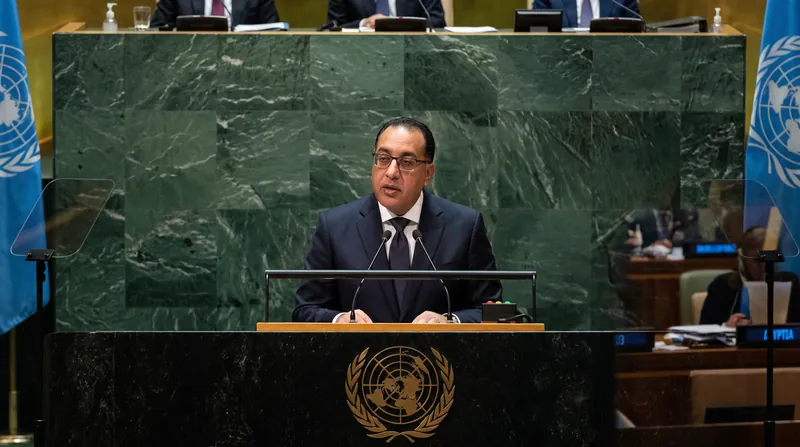
UN General Assembly Adopts First Declaration Affirming Statehood for Island Nations Facing Sea Level Rise
6 sources
High Seas Treaty
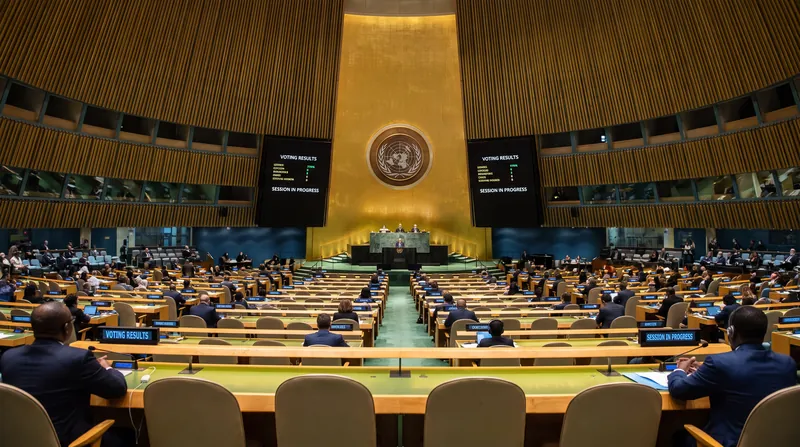
High Seas Treaty Reaches 100 Ratifications, Cementing Global Momentum for Ocean Protection
4 sources
Biodiversity Target
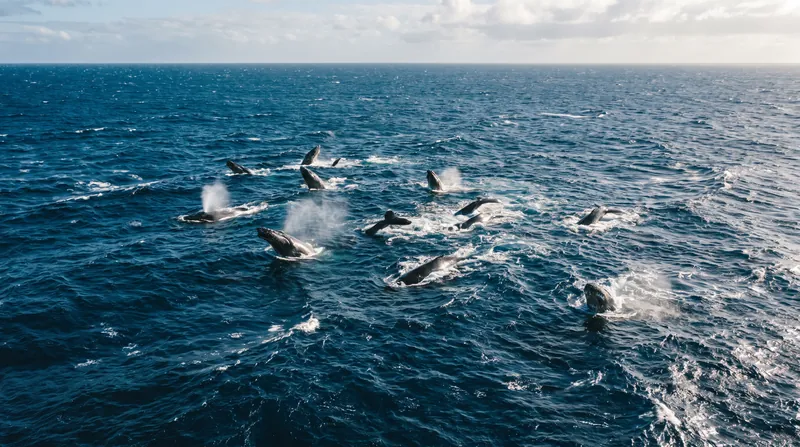
Global 30x30 Goal Remains Achievable, But Ocean Protection Lags Severely With Commitments Only Reaching 12%
4 sources
Every angle. Every day.
Get Environment stories with full source coverage and perspective breakdowns delivered to your inbox.