
Opinion & Commentary
Follow Opinion & Commentary in the Factlen app and get an alert when there is news. Get the app


Explainer
Is the FATF's Failure to Set a Uniform Threshold the Quiet End of the G20's Cross-Border Payment Revolution?
3 sources · 68d ago
Explainer
Why the Federal Reserve's Removal of 'Reputation Risk' is a Win for Objective Bank Supervision
4 sources · 68d ago
Explainer
Did California and the EU Just Quietly Write the Global Rulebook for Generative AI Transparency?
6 sources · 68d ago
More in Opinion & Commentary

ExplainerTech Regulation
The EU's Proposed 'Digital Omnibus' Is a Quiet Surrender of the 'Brussels Effect' to Global AI Competition
Regulatory Pragmatists 45%Innovation Advocates 35%Legal Academics 20%

ExplainerBank Regulation
US Banking Agencies Rescind the 2023 Basel III Endgame in Sweeping Capital Overhaul
Regulatory Agencies 35%Financial Industry Analysts 35%Editorial Synthesis 30%

ExplainerAI Consolidation
Are 'Acqui-Licenses' the New Loophole Allowing Big Tech to Quietly Monopolize the AI Talent Market?
Regulatory Enforcers 40%Big Tech Acquirers 30%Startup Ecosystem 30%

Deep DiveDigital Taxation
Is the Global Proliferation of Digital Services Taxes the Quiet End of the OECD's Tax Authority?
Market Jurisdiction Sovereigntists 45%Multilateral Harmonizers 35%Corporate Efficiency Advocates 20%

ExplainerAI Governance
Why the EU AI Act's Risk Framework Struggles to Govern Agentic AI
Regulatory Traditionalists 35%Enterprise AI Developers 35%Legal and Compliance Strategists 30%

ExplainerAI Governance
Is the US's Use of Export Controls on AI Services the Quiet Birth of a Global AI Licensing Regime?
National Security Advocates 40%Commercial AI Developers 35%Global South & Non-Aligned Tech Sectors 25%

ExplainerAI Infrastructure
Is the FCC's Proposed Ban on Chinese Optical Transceivers a Self-Inflicted Wound on the US AI Supply Chain?
National Security Advocates 35%US Hyperscalers and Cloud Providers 35%Optical Component Manufacturers 30%

Research BriefSupply Chain Risk
Is 'Friend-Shoring' the New 'Single-Point-of-Failure' Risk for the US EV Supply Chain?
Supply Chain Realists 40%National Security Advocates 35%Economic Efficiency Critics 25%

ExplainerESG Regulation
Is the SEC's Rescission of Climate Disclosure Ceding Global ESG Standard-Setting to Brussels and the ISSB?
Global Standard-Setters 40%US Corporate Interests 35%European Regulators 25%
ExplainerAdministrative Law
By Overruling Humphrey's Executor, Did the Supreme Court Just Politicize All US Financial Regulation?
Unitary Executive Framework 35%Agency Independence Defenders 35%Neutral Legal Analysts 30%

ExplainerDAO Governance
Is the US Regulatory Patchwork Forcing the Quiet Centralization of All Decentralized Autonomous Organizations?
Web3 Pragmatists 40%Legal & Regulatory Analysts 40%Decentralization Purists 20%

AnalysisTrade Policy
Is USMCA Compliance the New Global Arbitrage Strategy Against American Protectionism?
Global Manufacturers 40%US Trade Enforcers 35%Trade Analysts 25%

ExplainerGlobal Trade
Is the Gulf States' New Trade Strategy the Quiet Birth of a Non-Aligned Economic Order?
Gulf Policymakers 40%Western Security Establishment 30%Global South Trade Partners 30%

ExplainerRight to Repair
How State-Level 'Right to Repair' Laws Are Forcing a Global Product Design Standard
Consumer Rights Advocates 40%Hardware Manufacturers 30%State Policymakers 30%
ExplainerGlobal Governance
US Exit from 66 International Bodies: How Multilateral Governance Adapts to Fracture
Multilateral Institutionalists 40%National Sovereignty Advocates 30%Adaptive Globalists 30%

ExplainerSupply Chain Regulation
EU Due Diligence Directive Fuels a Tech Windfall and Squeezes Small Suppliers
Corporate Accountability Advocates 35%Industry & Trade Skeptics 35%Compliance Tech Providers 30%

ExplainerCorporate Transparency
FinCEN's Permanent Rollback of U.S. Beneficial Ownership Rules Dismantles a Core Anti-Money Laundering Framework
Small Business Advocates 45%Anti-Corruption Watchdogs 35%Corporate Compliance & Legal 20%

ExplainerTokenized Finance
Is the Fed's Acceptance of Tokenized Collateral the Quiet Nationalization of Decentralized Finance Risk?
Regulatory Pragmatists 40%Market Modernizers 35%Systemic Risk Analysts 25%

ExplainerCritical Minerals
Is the US Using the Defense Production Act to Quietly Nationalize the Critical Minerals Recycling Industry?
National Security Advocates 40%Free-Market Skeptics 30%Domestic Recyclers 30%

AnalysisOpen-Source Law
Did the Fifth Circuit Just Declare Open-Source Code Immune from US Sanctions Law?
Decentralized Finance Advocates 40%Sanctions Compliance Experts 30%National Security Regulators 30%
ExplainerTrade Policy
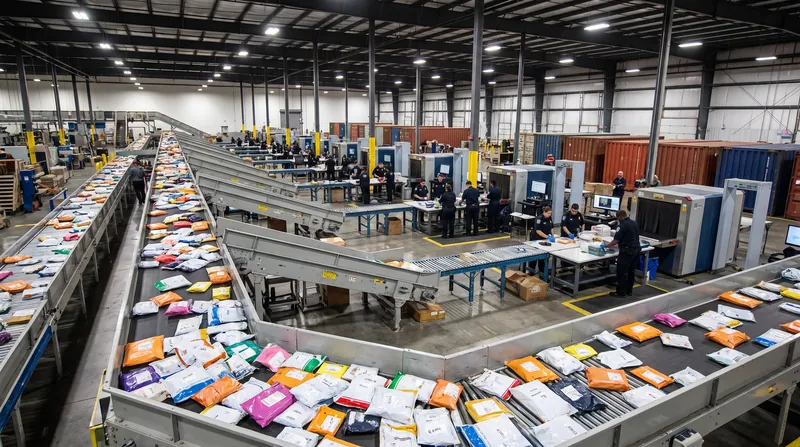
Is the DHS's De Minimis Overhaul the End of Cheap Global E-Commerce for American Consumers?
Customs and Security Officials 39%Domestic Retailers and Manufacturers 33%Global E-Commerce Platforms 28%

ExplainerSupply Chain Resilience
Is the End of 'Just-in-Time' Logistics the Quiet Death of the Cost-Minimizing Multinational Corporation?
Supply Chain Pragmatists 53%Efficiency Traditionalists 29%National Security Planners 18%

ExplainerAgentic Finance
Is the Rise of Agentic AI in Finance Creating a Fiduciary Liability Gap for Wall Street?
Regulatory Traditionalists 35%Financial Technologists 35%Digital Fiduciary Advocates 30%
AnalysisDefense Tech
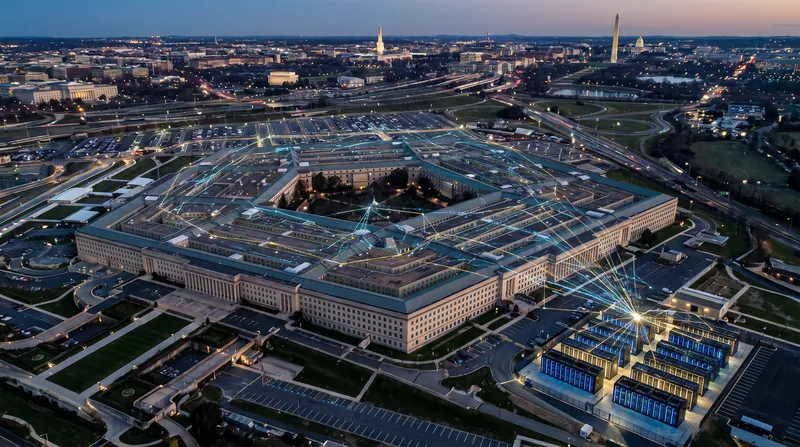
The Pentagon's Commercial AI Shift: Has Silicon Valley Privatized the Core of US National Security?
Commercial Integration Advocates 40%Defense Sovereignty Skeptics 40%Oversight Watchdogs 20%

ExplainerGlobal Trade
The 10% Universal Tariff Is Not a Trade Policy, It's the Quiet End of the Post-War Global Economic Order
Free Trade Institutionalists 40%Economic Nationalists 30%Allied Trading Partners 30%
ExplainerBank Supervision
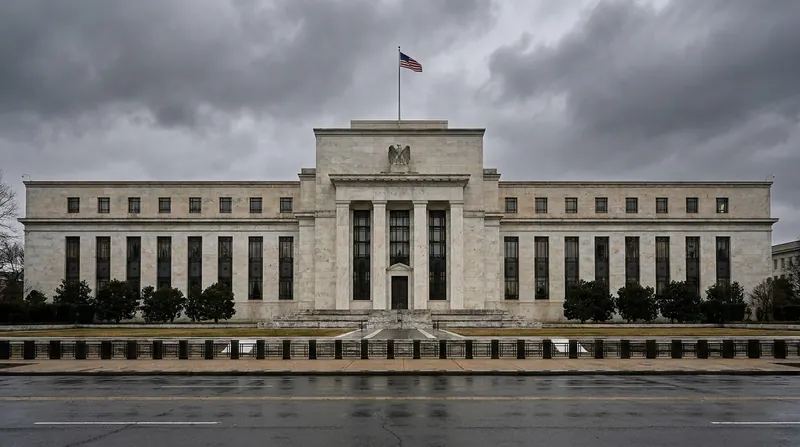
Is the Fed's Sunset of Dedicated Fintech Supervision a Stealth Deregulation of Non-Bank Financial Risk?
Regulatory Traditionalists 40%Fintech Industry Advocates 35%Systemic Risk Analysts 25%

ExplainerMaritime Policy
The Economic Mechanics of the US's Proposed Maritime Shipping Fee Policy
National Security Advocates 35%Global Shipping Industry 35%Domestic Importers 30%

ExplainerSupply Chain Policy
Is the EU's Deforestation Regulation the New 'Brussels Effect' for Global Commodity Supply Chains?
European Regulators 41%Producer Nations 41%Global Supply Chain Operators 18%

ExplainerClimate Governance
Is the Debate Over Solar Geoengineering Regulation the Quiet End of National Sovereignty Over the Atmosphere?
Governed Research Proponents 40%International Non-Use Advocates 30%Scientific & Editorial Consensus 30%

Research BriefClimate Finance
The Global South Is Quietly Writing the World's New Climate Rulebook
Global South Reformers 40%Transition Finance Skeptics 35%Institutional Accountability Watchdogs 25%
ExplainerRegulatory Policy
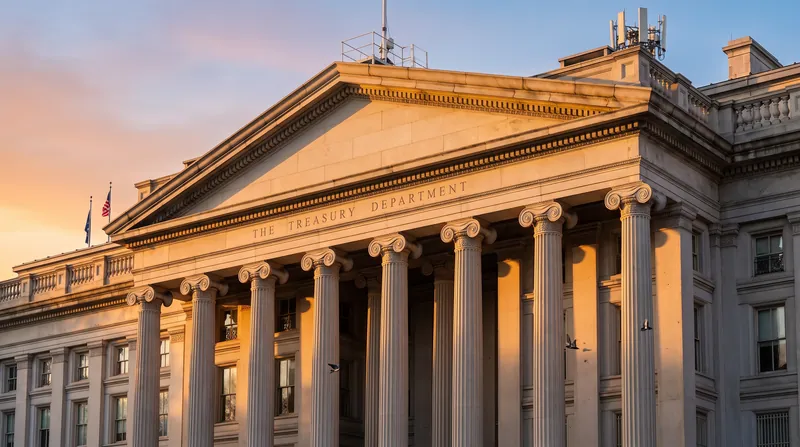
OFAC's Use of Sanctions-by-FAQ Bypasses Federal Rules to Direct Global Finance
National Security Advocates 35%Financial Institutions 35%Administrative Law Scholars 30%

ExplainerArms Control
Why the Loss of New START Verification Shifts Nuclear Security to Informal Restraint
Arms Control Advocates 45%Strategic Modernization Proponents 30%Multilateral Negotiators 25%
ExplainerData Privacy
Is the SECURE Data Act a National Privacy Standard or a Stealth Deregulation?
Federal Preemption Advocates 50%Consumer Privacy Advocates 50%
Fed Master AccountsTrade-Off Analysis
Executive Order 14405 and the Risks of Opening Federal Reserve Rails to Crypto
Digital Asset Innovators 40%Traditional Banking Defenders 30%Fintech Challengers 30%
ExplainerTrade Law
Has the US Weaponized the 'War on Terror' to Regulate All Commercial Ties With Mexico?
National Security Advocates 35%Free Trade Proponents 35%Mexican Sovereignty Defenders 30%
ExplainerAI Regulation
Is the White House's AI Preemption Strategy Actually Accelerating the Regulatory Patchwork It Claims to Fight?
Federal Policymakers 35%State Legislators 35%Legal & Policy Analysts 30%

Global AI RegulationPolicy Explainer
The EU's First AI Fines Prove the 'Brussels Effect' Is Now the World's Most Expensive Export
European Regulators 35%Global Tech Giants 35%Enterprise Deployers 30%

AnalysisCyber Policy
Does the New 'Cyber Effects Operations' Memo Mark the Quiet Privatization of US Foreign Policy?
Federal Policymakers 40%Cybersecurity Practitioners 35%Legal & Diplomatic Skeptics 25%
ExplainerEconomic Statecraft
Is the New 'Reverse CFIUS' Rule the End of Free Capital Flow in American Foreign Policy?
National Security Advocates 40%Free Market Proponents 30%Global Asset Managers 30%
ExplainerDeep-Sea Mining
Is the US's fast-track deep-sea mining rule the final nail in the coffin for the 'common heritage of mankind'?
US Strategic Mineral Advocates 35%Multilateral Environmentalists 35%International Legal Scholars 30%
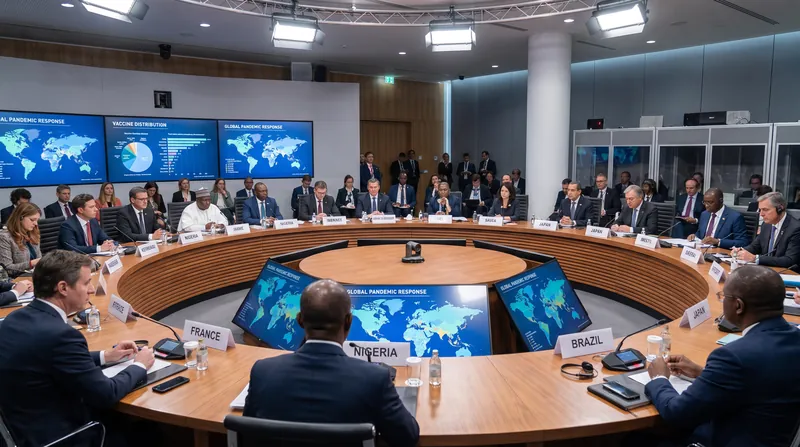
ExplainerHealth Diplomacy
America First Health Strategy: Trading Foreign Aid for Real-Time Pathogen Data
Data Sovereignty Advocates 40%National Security Pragmatists 35%Multilateral Traditionalists 25%
AnalysisDollar Dominance
The Debate Over U.S. Dollar Weaponization and the Global Push for De-Dollarization
National Security Advocates 35%Global Macroeconomists 35%Alternative System Proponents 30%

ExplainerStablecoin Policy
The GENIUS Act Imposes Bank Secrecy Act Compliance on Stablecoin Issuers
Industry Pragmatists 44%Federal Regulators 33%State Supervisors 22%
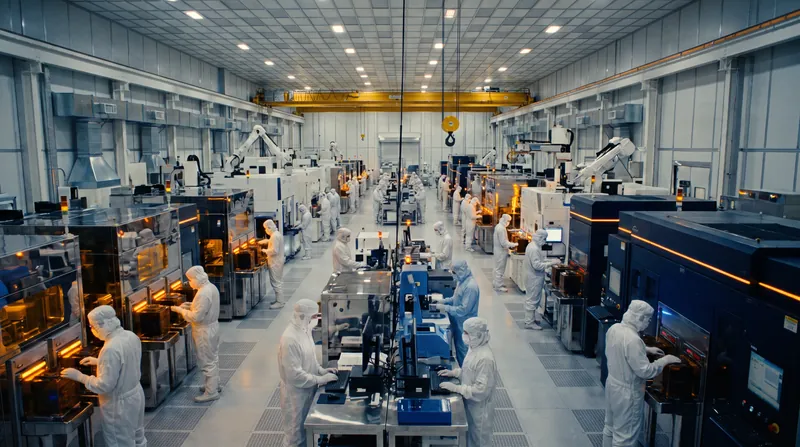
ExplainerIndustrial Policy
Is the Permanent Rise of State Interventionism the Quiet End of the Global Laissez-Faire Era?
Economic Nationalists 35%Pragmatic Interventionists 35%Free-Market Traditionalists 30%
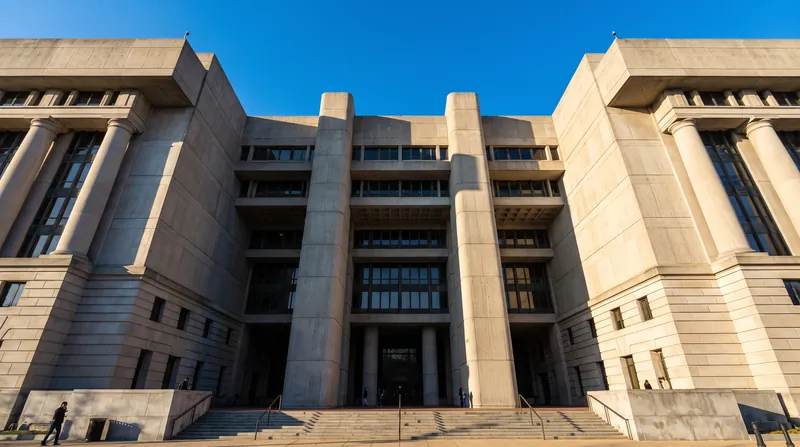
ExplainerRegulatory Policy
Is the New '10-for-1' Regulatory Rule the Quiet End of the US Administrative State?
Administrative State Critics 40%Regulatory Advocates 35%Legal & Procedural Analysts 25%

Research BriefAI Geopolitics
Has China's Open-Source AI Strategy Already Rendered the US Chip War Obsolete?
Open-Source Advocates 35%Chinese Industrial Strategists 35%U.S. National Security Hawks 30%
Per page