
full timeline
Tesla Cybertruck to Cybercab transition
Tesla will return deposits to an undisclosed number of Cybertruck customers because it cannot fulfill all orders before shutting down the vehicle's production line in eight months.
Follow Tesla Cybertruck to Cybercab transition in the Factlen app and get an alert when there is news. Get the app
Share this story
Latest report
Tesla to Refund Cybertruck Deposits as Musk Defends Halting Production for Cybercab
Tesla will return deposits to an undisclosed number of Cybertruck customers because it cannot fulfill all orders before shutting down the vehicle's production line in eight months.
- Tesla will refund deposits to many Cybertruck customers, unable to fulfill all orders before shutting down the production line in eight months.
- CEO Elon Musk disputed claims that the truck is unprofitable, stating the factory space is needed to scale production of the autonomous Cybercab.
- Despite Musk citing a massive order backlog, recent data shows Cybertruck sales fell 48 percent in 2025 and dropped further in 2026.
- The Texas gigafactory is currently the only facility building the pickup, and Tesla plans to repurpose the floor space for its two-seat robotaxi.
Tesla is returning deposits to an undisclosed number of Cybertruck reservation holders, formally acknowledging that its Texas assembly line will shut down before the company can fulfill all outstanding orders for the polarizing electric pickup.[1][2]
Chief Executive Officer Elon Musk confirmed the impending refunds on Monday, November 9, stating that the vehicle's order rate far exceeds the company's remaining production capacity. The announcement clarifies the immediate fallout from Tesla's recent decision to dismantle the Cybertruck line by mid-2027.[1][2]
To clear as much of the backlog as possible, Tesla previously indicated it would add an extra production shift at the Austin facility. However, the confirmation of widespread refunds serves as an admission that this accelerated pace will still leave many early backers empty-handed.[2][4]
The Cybercab Opportunity Cost
Musk pushed back against reports that the stainless-steel truck was being discontinued due to financial losses. Instead, he framed the shift as a necessary strategic reallocation of factory space to prioritize the company's next-generation autonomous vehicle.[2][4]
"This is not a case of Cybertruck being unprofitable, as has been misreported by legacy media, but rather that the opportunity cost of the complexity of Cybertruck is vastly outweighed by the value of incremental Cybercab production," Musk wrote in a post on X.[2]
"We will try to make as many as possible before shutting down the line in about 8 months, but will have to return deposits for a lot of people," the chief executive added, addressing the timeline for the final production run.[1][2]
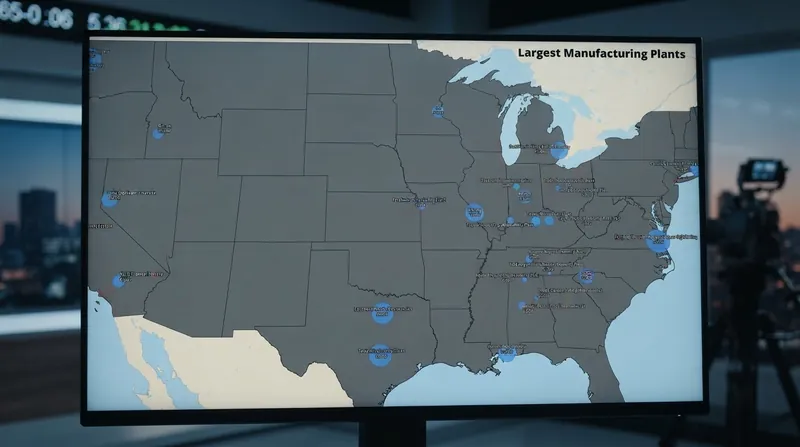
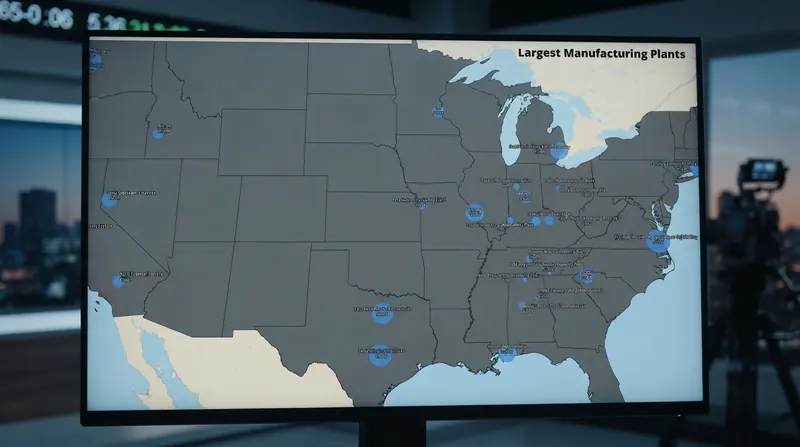
The Texas gigafactory is currently the only facility manufacturing the Cybertruck, and Tesla plans to completely repurpose that floor space. The Cybercab, a two-seat autonomous car designed without a steering wheel or pedals, represents the core of Musk's vision to transition Tesla into an artificial intelligence and robotics company.[1][2]
Tesla currently lists an installed capacity of more than 125,000 Cybercabs a year at the Texas plant. The company began building the autonomous vehicles there earlier this year and started offering paid robotaxi rides in Austin in September 2026.[2]
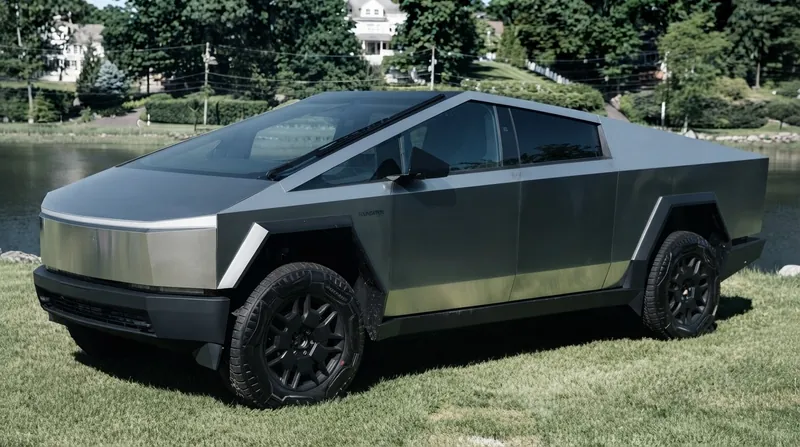
The complexity Musk referenced stems from the Cybertruck's foundational design choices. Its ultra-hard stainless-steel exoskeleton, steer-by-wire system, and custom 4680 battery cells required entirely new manufacturing techniques, which proved difficult to scale and consumed massive engineering resources.[2][4]
A Disconnect in Demand
Despite Musk's assertion of a massive order backlog that necessitates refunds, recent vehicle registration data paints a picture of rapidly cooling demand. The electric pickup has struggled to maintain momentum following its initial delivery wave.[4]
United States deliveries of the Cybertruck fell 48 percent to 20,237 vehicles in 2025, down from 38,965 in 2024, according to data from Kelley Blue Book and Cox Automotive. That downward trajectory has only accelerated this year, with sales in the first nine months of 2026 dropping a further 28 percent to roughly 16,000 vehicles.[2][4]
Those figures sit far below Musk's original ambition of selling 250,000 units annually. The stark contrast between the reported sales slump and the claim of an overwhelming backlog has raised questions among industry analysts about the true conversion rate of the $100 reservations.[2][4]
Pricing has likely played a significant role in the shrinking buyer pool. While the Cybertruck was originally announced in 2019 with a projected starting price of $39,900, the reality of production economics pushed that figure substantially higher by the time it reached the market.[1]
In August 2026, Tesla raised prices again, putting the cheapest available version of the truck at $74,990. That elevated entry point placed the vehicle out of reach for many early reservation holders, effectively capping its mass-market appeal.[2]
The refund process has already begun in some international markets where the vehicle will never launch. Last month, Tesla quietly canceled reservations in Australia and New Zealand, nearly seven years after it first began accepting deposits from customers in those countries.[2]
Manufacturing Hurdles and Recalls
The Cybertruck has experienced a turbulent lifecycle since its flashy 2019 debut, an event famously marred when its supposedly unbreakable armored glass shattered during a live demonstration. Following years of engineering delays, deliveries finally began in late 2023.[2][4]
The rollout was immediately hampered by the vehicle's unconventional angular design, which introduced severe panel alignment issues and required unprecedented stamping pressures for the steel body. These manufacturing hurdles kept production rates well below the factory's theoretical capacity.[4]
Once on the road, the truck faced a series of high-profile recalls. Issues ranged from faulty accelerator pedals to software glitches, drawing intense scrutiny from federal safety regulators and generating a steady stream of negative publicity for the brand.[4]
In response to a user on X lamenting the vehicle's short production run, Musk defended the polarizing pickup. He called the Cybertruck the "best vehicle Tesla has ever made" and described the impending shutdown as the "end of an era."[2]
Yet, the automotive industry has largely viewed the truck as a costly distraction. By ending its production, Tesla is cutting a highly complex, slower-selling model to concentrate its capital on projects with higher projected margins.[3][4]
Wall Street's Reaction
Financial analysts have largely welcomed the decision to wind down the Cybertruck, viewing it as a necessary step to streamline Tesla's operations. The pivot aligns with broader market expectations that the company must deliver on its autonomous driving promises to justify its valuation.[1][3]
Dan Ives, senior managing director at Yorkville Ives & Co., noted that the "writing was on the wall" given the truck's high price point and softening consumer demand. Ending production will free up crucial time and resources for Musk to focus on robotics, Ives added.[1][4]
The shift reflects a broader pattern of Tesla abandoning traditional automotive volume goals in favor of high-margin software and AI services. Investors have increasingly pressured the automaker to demonstrate tangible progress on its robotaxi fleet.[1][3]
Clearing the Texas factory floor of the Cybertruck provides a concrete timeline for that expansion. However, the transition carries significant execution risk, as Tesla trades a physical product for an autonomous service that still faces immense regulatory hurdles.[1][4]
Unanswered Questions for Buyers
For the thousands of customers still waiting for their trucks, Monday's announcement brings more uncertainty than clarity. Tesla has not disclosed the total number of customers who will receive refunds, nor the aggregate financial value of the returned deposits.[2][4]
It remains entirely unclear how the automaker will prioritize the remaining production slots over the next eight months. The company has not specified whether it will fulfill orders based on the original reservation date, the selected trim level, or geographic proximity to the Texas plant.[4]
Furthermore, Tesla has not confirmed whether it will continue accepting new reservations in the interim, or if the order book is now permanently closed. Customers who placed deposits years ago are now left waiting for direct communication from the company regarding their status.[4]
The logistics of issuing mass refunds could also present an administrative challenge. Returning millions of dollars in $100 increments to credit cards and bank accounts that may have changed since 2019 will require a coordinated effort from Tesla's finance department.[4]
Sources
- [1]CBS News — Tesla to return Cybertruck deposits to "a lot of people" as production winds down, Musk says Read on CBS News →
- [2]The Next Web — Tesla to refund many Cybertruck deposits before production ends, Musk says Read on The Next Web →
- [3]Quartz — Tesla will refund Cybertruck deposits to some customers as production winds down Read on Quartz →
- [4]TipRanks — Tesla's (TSLA) Cybertruck Is Nearing the End as Musk Plans Shutdown and Customer Refunds Read on TipRanks →
What to watch
- Tesla aims to begin public Cybercab sales by the end of 2026.
- The Cybertruck assembly line is scheduled to be dismantled around June or July of next year.
- The automaker plans to completely wind down Cybertruck manufacturing operations by mid-2027.
- The total number of affected customers and the amount of money involved in the upcoming deposit refunds remain undisclosed.
- A federal safety probe into driverless vehicles remains ongoing.
Charts, maps and images
Timeline
November 2026
Tesla Adds Cybertruck Shift to Clear Backlog Before Dismantling Line for Cybercab
AIAITesla to Phase Out Cybertruck Assembly at Texas Gigafactory by Mid-2027 to Prioritize Cybercab
How the story developed
The Cybertruck launched in late 2023 following years of delays. The electric pickup faced high prices, recalls, and criticism over its unconventional design.
In 2025, Cybertruck sales collapsed by 48 percent, falling to 20,237 units amid quality-control issues. Deliveries reached only about 16,000 vehicles in the months leading up to November 2026.
On November 6, Musk confirmed that Tesla will wind down Cybertruck production at its Texas Gigafactory to make room for autonomous robotaxis. The strategic pivot coincided with a $420 billion drop in combined market value for Tesla and SpaceX following the United States midterm elections.
The transition aligns with a broader strategy to pivot the automaker into an artificial intelligence and robotics company. Tesla is reallocating its capital and workforce to establish the Cybercab as the centerpiece of its future vehicle lineup.