
Vance and EPA Administrator Zeldin Launch Federal Probe Into East Palestine Derailment Response
Vice President JD Vance and EPA Administrator Lee Zeldin have formally requested an investigation into the previous administration's handling of the 2023 Ohio freight rail disaster.
By Hao Li

Share this story
Vice President JD Vance and Environmental Protection Agency Administrator Lee Zeldin have initiated a formal federal investigation into the government’s handling of the 2023 East Palestine, Ohio, train derailment. The probe, announced this week, seeks to comprehensively audit the timeline, resource allocation, and interagency coordination that characterized the previous administration's response to the hazardous materials disaster.
By reopening the operational logs of the initial cleanup and subsequent monitoring, the current administration aims to identify systemic failures in how federal agencies manage large-scale industrial accidents and to establish a more rigorous framework for future emergency interventions.[1]
The February 2023 derailment of a Norfolk Southern freight train released thousands of gallons of toxic chemicals, most notably vinyl chloride, into the surrounding environment. The incident prompted a controversial controlled burn to prevent a catastrophic explosion, which sent a massive plume of black smoke over the region and necessitated temporary evacuations. In the years since, the community has grappled with lingering questions regarding long-term soil and groundwater safety, despite repeated assurances from federal and state environmental monitors that the area was safe for habitation.[1][2]
Vance’s involvement in the probe represents a continuation of his legislative focus during his tenure as a U.S. Senator representing Ohio. Following the derailment, Vance was a vocal critic of the federal government's initial deployment speed and co-authored the Railway Safety Act, a bipartisan effort to mandate stricter operational standards for trains carrying hazardous materials.
His current push from the executive branch signals an intent to enforce accountability measures that previously stalled in congressional committees, leveraging the authority of the vice presidency to compel a thorough review of the EPA's past actions.
Administrator Zeldin has directed the EPA’s inspector general and internal oversight divisions to re-examine the methodologies used for chemical testing in the immediate aftermath of the crash. The investigation will scrutinize whether the thresholds for acceptable chemical exposure were adequately communicated to the public and whether the agency deferred too heavily to data provided by the rail operator's own contractors. This technical review is expected to determine if the federal government's reliance on private-sector environmental assessments compromised the integrity of the public health response.
For the freight rail industry, the investigation introduces a renewed period of regulatory uncertainty. Class I railroads have spent the last three years adapting to localized safety mandates and heightened public scrutiny regarding the routing of hazardous payloads through densely populated corridors. Industry analysts note that findings from the Vance-Zeldin probe could serve as the foundational justification for a new wave of federal rulemakings, potentially reviving debates over mandatory electronic pneumatic braking systems, stricter train length limits, and mandatory minimum crew sizes.[1][2]
The Federal Railroad Administration and the Department of Transportation are also expected to face scrutiny under the new probe, particularly regarding their oversight of railcar maintenance and track inspection protocols prior to the accident. The investigation aims to map the exact sequence of communication between local first responders, state officials, and federal agencies to pinpoint where the chain of command fractured. By dissecting these communication breakdowns, the administration hopes to draft a standardized, interagency playbook that eliminates jurisdictional confusion during the critical first hours of an infrastructure failure.[2]
Environmental advocacy groups have cautiously welcomed the review, though some express concern that the probe could become heavily politicized. Advocates have long argued that the East Palestine disaster exposed glaring loopholes in the classification of hazardous materials, allowing highly toxic shipments to bypass the most stringent safety classifications. They are urging the EPA to use this investigation not merely as a retrospective audit, but as a catalyst to permanently tighten the regulations governing the transport of petrochemicals across the national rail network.
The EPA is expected to release its preliminary findings by the end of the year, a timeline that will likely coincide with renewed congressional hearings on transportation safety. As the investigation proceeds, federal auditors will interview former agency directors, on-the-ground coordinators, and independent toxicologists to build a comprehensive timeline of the 2023 response. The ultimate outcome of the probe will likely dictate the trajectory of federal rail safety policy and environmental disaster management for the remainder of the administration's term.
Key points
- Vice President JD Vance and EPA Administrator Lee Zeldin have launched an investigation into the federal response to the 2023 East Palestine derailment.
- The probe will audit the timeline, interagency coordination, and environmental testing methodologies used during the initial cleanup.
- Findings from the review could influence future regulations regarding hazardous materials transport and federal disaster management protocols.
How we got here
Feb 2023
A Norfolk Southern freight train carrying hazardous chemicals derails in East Palestine, Ohio, prompting a controlled burn.
Mar 2023
Then-Senator JD Vance co-authors the Railway Safety Act in response to the disaster.
Aug 2026
Vice President Vance and EPA Administrator Zeldin formally request a federal probe into the initial disaster response.
- Administration Officials
- Proponents of the probe argue it is necessary to uncover systemic failures in the previous administration's disaster response.
- Freight Rail Industry
- Rail operators are monitoring the probe for potential regulatory shifts that could impact supply chain operations.
- Environmental Advocates
- Advocates hope the investigation leads to stricter classifications for hazardous materials transport.
Perspectives this story doesn't cover
- Local East Palestine Residents
- First Responders
Sources
Source coverage
2 outlets
3 viewpoints surfaced


- [1]TrainsFreight Rail Industry
Vance, EPA chief call for investigation into Biden administration response to East Palestine derailment
Read on Trains → - [2]FreightWavesFreight Rail Industry
Vance, EPA chief call for investigation into Biden administration response to East Palestine derailment
Read on FreightWaves →

More in Transportation
See all →Rail Infrastructure
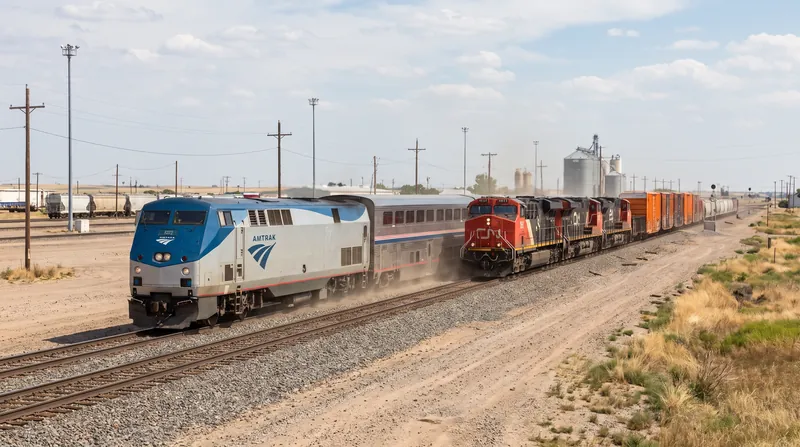
Amtrak and CN Sign Eight-Year Operating Agreement, Resolving Decade-Long Regulatory Dispute
5 sources
Oversight Audit
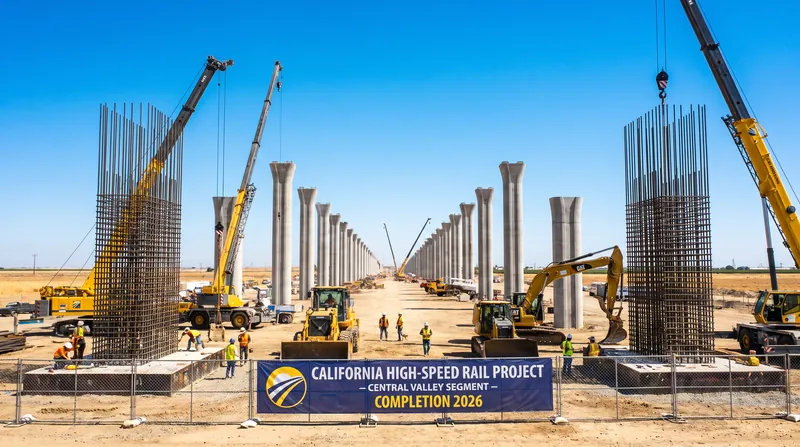
Inspector General Finds California High-Speed Rail Paid $600,000 in Unallowable Consultant Travel Expenses
6 sources
Freight Rail Safety
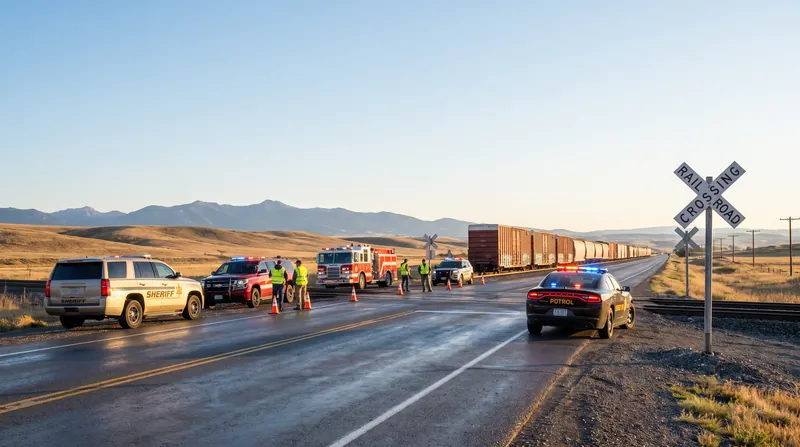
Multi-Car Train Derailment in Montana Prompts Precautionary Evacuations With No Hazardous Spills
5 sources
Break of Gauge
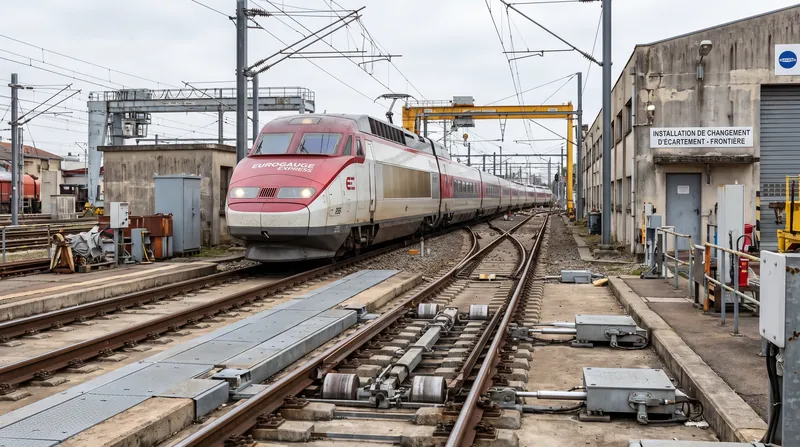
Rebuild the Track or Rebuild the Train: The Engineering Behind Variable-Gauge Railways
5 sources
Comments
Every angle. Every day.
Get Transportation stories with full source coverage and perspective breakdowns, free every day.