
MLB Early Offseason Moves: Reds Extend Cabrera, Phillies Lock Down Mayza
As the 2026 playoffs unfold, eliminated clubs are already shaping their 2027 rosters with a flurry of mid-October extensions and minor league assignments.

Share this story
While the remaining championship contenders battle through the October gauntlet, the rest of Major League Baseball has officially pivoted to 2027. Front offices for eliminated clubs are already making their first roster moves of the winter. They are locking down depth pieces and clearing 40-man spots before free agency begins.[1][2]
The Cincinnati Reds made the most notable early splash, re-signing versatile infielder Oswaldo Cabrera to a one-year, $1 million contract. The move allows the club to completely bypass the arbitration process with the 27-year-old utility man. It secures a reliable, defensively flexible bench piece for the upcoming campaign.[1][4]
Cost certainty is the ultimate currency for mid-market front offices during the early offseason. By locking in Cabrera at a flat $1 million, the Reds establish a clear financial baseline for their infield depth. That allows their baseball operations department to allocate remaining payroll toward high-end starting pitching.[1][2]
Bullpen Reloads Begin
In the National League East, the Philadelphia Phillies moved quickly to retain left-handed reliever Tim Mayza. The front office signed the veteran southpaw to a one-year extension just days after their postseason exit. Mayza provides the Phillies with an experienced, high-leverage bullpen arm as they look to retool.[1]
Securing reliable relief pitching before the open market officially opens is a massive strategic advantage. The free-agent bidding wars for left-handed specialists routinely inflate contracts well beyond initial projections. By extending Mayza now, Philadelphia avoids competing with twenty other franchises desperate for late-inning stability.[1]
The Atlanta Braves also began shuffling their organizational deck, purchasing the contract of infielder Brett Wisely from Triple-A Gwinnett. To make room on the active roster, Atlanta designated outfielder DaShawn Keirsey Jr. for assignment. The transaction signals an early shift in their middle-infield depth chart.[1][2]
For players on the fringes of the 40-man roster, October is a period of intense professional anxiety. A designation for assignment forces a player onto the waiver wire, where their immediate future is entirely out of their hands. Keirsey now waits to see if another club will claim his contract.[1][4]
Opting for the Open Market
Several veterans have already chosen to test the open market rather than accept minor league outright assignments. Relief pitcher Joel Payamps, previously stationed in the Braves organization, officially filed for free agency this week. Former Phillies catcher Payton Henry made the exact same contractual decision.[1][2]
Refusing an outright assignment is a calculated gamble for veteran journeymen. Payamps and Henry are betting that their professional track records will earn them better opportunities elsewhere. They will now enter a crowded free-agent pool, hoping to secure major-league spring training invites.[1][2]
The Baltimore Orioles also quietly added to their organizational pitching depth. The front office signed right-hander Connor Cooke to a minor league contract on Tuesday. These low-risk, high-reward acquisitions rarely make headlines, but they routinely provide the crucial innings that sustain a grueling 162-game season.[6]
The Detroit Tigers made a nearly identical depth move, signing left-hander Nick Raquet to a minor league deal on Saturday. For front offices, stockpiling healthy arms in October is a necessary insurance policy against the inevitable attrition of a long summer.[5]
The Qualifying Offer Shadow
These mid-October transactions represent the opening salvos of what promises to be a highly active winter. The real financial fireworks begin five days after the World Series concludes, when the qualifying offer deadline arrives. General managers are currently maneuvering their rosters with that massive financial mechanism in mind.[3]
The qualifying offer is a one-year deal worth the average salary of the top 125 highest-paid players in the majors. This winter, the league-wide figure has officially been set at a staggering $23.15 million, representing a massive one-year commitment for any franchise extending the offer.[3]
"Now it's time to explore what each team would have to give up in order to sign a QO-rejecting free agent," wrote MLB Trade Rumors analyst Mark Polishuk. He noted that the mechanics fundamentally alter how front offices approach the open market.[3]
If an eligible free agent rejects the qualifying offer, the signing penalties for their new club are severe. Teams must surrender their second-highest pick in the 2027 draft to secure that player's services. They also lose $500,000 from their international bonus pool during the next signing period.[3]
This winter's list of probable qualifying offer candidates is remarkably short, with industry analysts citing just eight total players as absolute locks. That scarcity will make it exceptionally difficult for smaller-market franchises to win bidding wars against wealthier clubs.[3]
This winter's list of probable qualifying offer candidates is remarkably short, with industry analysts citing just eight total players as absolute locks.
For players like Cabrera and Mayza, securing guaranteed major league deals before November provides crucial peace of mind. For the front offices, it crosses one more vital item off the offseason checklist. The hot stove is officially warming up, and the heavy lifting of free agency is just weeks away.[1][2][3]
Key points
- The Cincinnati Reds secured utility man Oswaldo Cabrera on a one-year, $1 million contract to avoid arbitration.
- The Philadelphia Phillies extended left-handed relief pitcher Tim Mayza for the 2027 season.
- Several veterans, including Joel Payamps and Payton Henry, refused minor league assignments to enter free agency.
- Front offices are maneuvering their rosters ahead of the $23.15 million qualifying offer deadline.
How we got here
Oct 11, 2026
MLB sets the 2026-27 qualifying offer value at $23.15 million.
Oct 13, 2026
Baltimore Orioles sign right-hander Connor Cooke to a minor league contract.
Oct 15, 2026
Reds sign Oswaldo Cabrera and Phillies extend Tim Mayza.
Oct 17, 2026
Detroit Tigers sign left-hander Nick Raquet to a minor league deal.
- Front Office Executives
- Value cost certainty and roster flexibility early in the offseason before the free-agent market officially opens.
- Veteran Players
- Seek guaranteed major league contracts or test free agency rather than accept minor league outright assignments.
- Market Analysts
- Focus on the looming qualifying offer penalties and how they restrict smaller-market spending during the winter.
Perspectives this story doesn't cover
- Small-Market Owners
- Player Agents
Sources
Source coverage
6 outlets
3 viewpoints surfaced





- [1]USA TodayFront Office Executives
MLB Transactions
Read on USA Today → - [2]Sports ForecasterFront Office Executives
Latest MLB transactions!
Read on Sports Forecaster → - [3]MLB Trade RumorsMarket Analysts
Each Team's Penalty For Signing A Qualifying Offer-Rejecting Free Agent
Read on MLB Trade Rumors → - [4]The Baseball CubeVeteran Players
Recent MLB Transactions
Read on The Baseball Cube → - [5]CBS SportsVeteran Players
MLB Transactions
Read on CBS Sports → - [6]DynatyzeVeteran Players
MLB Transactions — Oct 13, 2026
Read on Dynatyze →
More in Sports
See all →Storyline
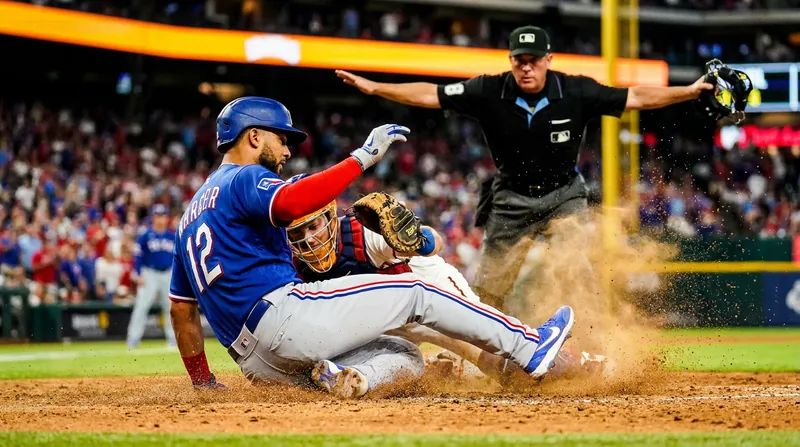
Chris Sale Ties Randy Johnson's Strikeout Record as Justin Verlander Sets Final Farewell
7 sources
Storyline
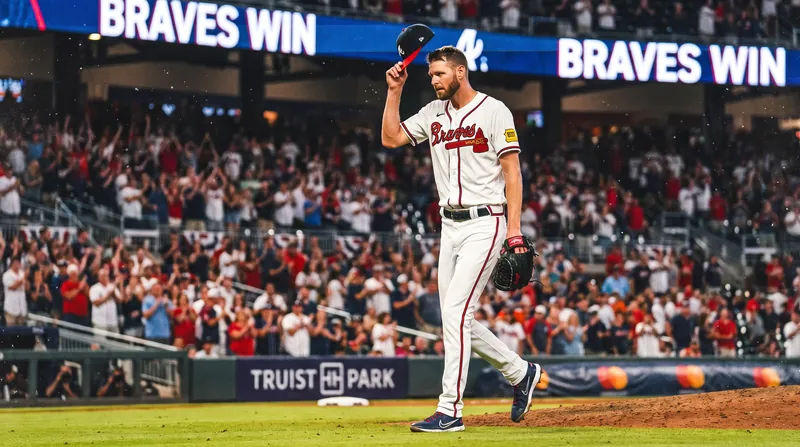
Pete Crow-Armstrong Nears Historic 40-40 Season as MVP Chants Rock Wrigley Field
5 sources
Trade
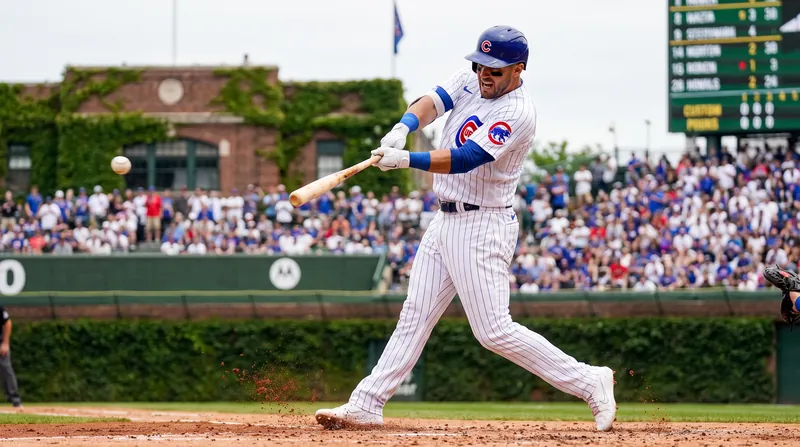
Seibu Lions Star Kaima Taira Expected to Hit MLB Free Agency in Early November
6 sources
MLB Playoffs
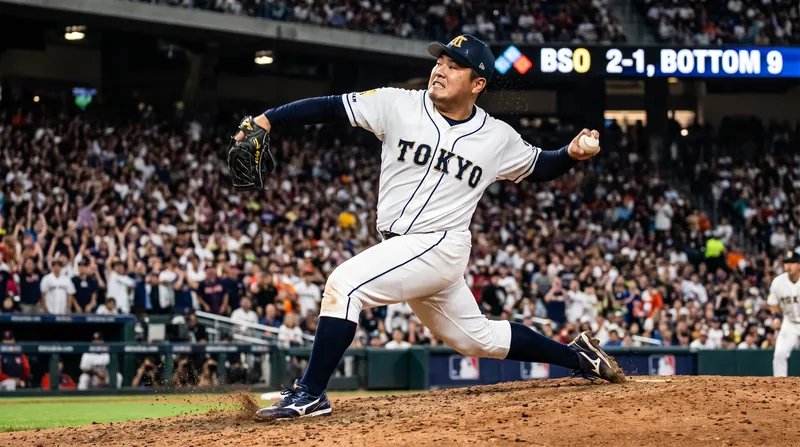
Rays Defeat Guardians to Set Up Historic All-Wild Card World Series Against Brewers
3 sources
Comments
Every angle. Every day.
Get Sports stories with full source coverage and perspective breakdowns, free every day.