Hungarian investigators have recovered approximately $19.5 million in physical currency buried in forested areas and hidden across multiple properties. The coordinated raids targeted assets tied to a former senior minister in Viktor Orbán’s government.[1] [2]
Officers from the Central Chief Prosecution Office executed search warrants at dawn on Thursday, uncovering waterproof containers packed with euros and Hungarian forints. The cash caches were buried several feet deep in rural Pest County.[2] [5]
The seizures represent one of the largest physical asset recoveries in modern Hungarian law enforcement history. Authorities estimate the total value at roughly 7 billion forints, though counting and authentication remain ongoing at secure facilities in Budapest.[4] [5]
"We have secured irrefutable material evidence of systemic financial crimes," a spokesperson for the Central Chief Prosecution Office stated during a press briefing on Friday. "The lengths taken to conceal these funds indicate a highly organized criminal enterprise."[5]
The Procurement Fraud Network The investigation centers on a sprawling procurement fraud network that operated during the previous administrative term. Prosecutors allege the former minister orchestrated a scheme to siphon state and European Union development funds through inflated public contracts.[1] [3]
Shell companies registered in neighboring jurisdictions reportedly won lucrative tenders for infrastructure and technology projects. A substantial percentage of the awarded funds was then systematically withdrawn as cash and funneled back to political figures.[3]
Financial intelligence units began tracking anomalous cash withdrawals from regional banks in early 2025. The sheer volume of physical currency moving outside the formal banking sector triggered automated alerts within the European Central Bank's monitoring systems.[4]
The $19.5 million seizure represents one of the largest physical asset recoveries in modern Hungarian history. Investigators utilized ground-penetrating radar and specially trained detection dogs to locate the buried containers. Drone surveillance over the past six months had identified unusual soil disturbances on properties owned by associates of the primary suspect.[2] [5]
The physical logistics of moving such massive quantities of cash required specialized transportation. Investigators suspect the syndicate utilized armored vehicles registered to private security firms to transport the currency from urban centers to the rural drop sites.[4] [5]
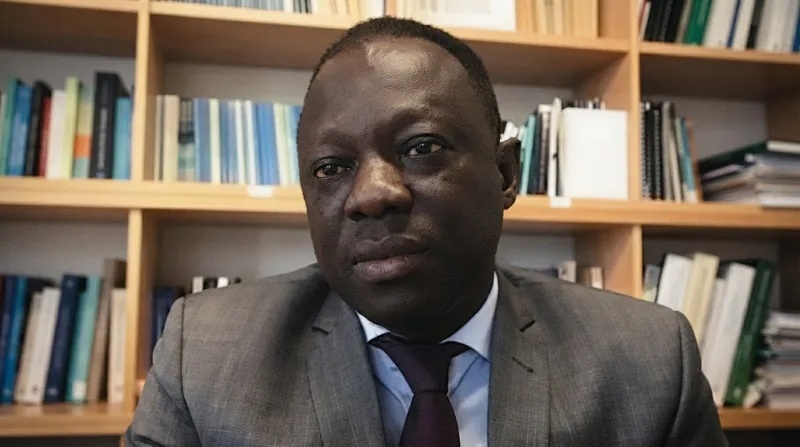
The former minister, whose identity remains formally protected under Hungarian pre-trial privacy laws, was detained alongside three alleged accomplices. All four individuals are currently held in a high-security detention center pending formal indictment.[1] [4]
Neighbors in the vicinity of the Pest County properties reported seeing unmarked vans operating at unusual hours over the past year. Local police initially dismissed these reports as illegal dumping activities before the federal anti-corruption task force assumed control of the surveillance.[2] [5]
Political Repercussions in Budapest The discovery strikes a severe blow to the ruling Fidesz party's narrative regarding domestic anti-corruption efforts. Opposition lawmakers immediately demanded an emergency parliamentary session to address the scale of the alleged embezzlement.[2]
"This is not merely corruption; it is the physical manifestation of a state captured by private interests," opposition leader Klára Dobrev told reporters outside the parliament building. "They literally buried our national wealth in the dirt."
Government spokespeople have attempted to distance the current administration from the detained official. A statement released late Thursday emphasized that the minister had left public service prior to the initiation of the current investigation.[1] [4]
The ruling party's media apparatus has largely framed the arrests as evidence that domestic law enforcement functions independently. State television broadcasts highlighted the police operation as a triumph of internal accountability rather than a systemic failure.[5]
AI The corruption probe has triggered demands for an emergency parliamentary session in Budapest. However, independent transparency advocates argue the raids only occurred because international pressure made the scheme impossible to ignore. Hungary consistently ranks lowest among EU member states in Transparency International’s annual Corruption Perceptions Index.[2] [3]
The scandal also threatens to implicate lower-level municipal officials who signed off on the initial procurement contracts. Transparency researchers have long documented how local infrastructure projects serve as primary vehicles for political patronage in rural Hungarian districts.[3]
European Union Funding Disputes The buried cash discovery arrives at a highly sensitive moment for Budapest's relationship with Brussels. The European Commission continues to withhold billions of euros in pandemic recovery and cohesion funds over enduring rule-of-law concerns.[4]
Why it matters The physical recovery of illicit funds provides undeniable evidence in a corruption probe that threatens to further isolate Hungary's political establishment from European Union financial mechanisms and could force Brussels to demand direct restitution of taxpayer money. It fundamentally challenges the narrative that domestic procurement systems are secure from high-level graft without external oversight. The discovery arms European regulators with concrete proof to maintain their freeze on billions in cohesion funds destined for Budapest. Ultimately, the outcome of this investigation will set a precedent for how the EU handles systemic financial crimes within its member states that refuse to join the European Public Prosecutor’s Office. The trial's findings will likely shape the conditions attached to future European structural grants for years to come. The visual evidence of buried millions also provides domestic opposition parties with their most potent symbol of state capture ahead of the next electoral cycle. The sheer scale of the physical cash recovered makes the allegations impossible for the ruling party to dismiss as mere political maneuvering. The investigation's expansion into offshore assets suggests the full scope of the network has yet to be uncovered. The tracing of the euro banknotes will likely reveal the specific financial institutions that facilitated the massive cash withdrawals. The case underscores the critical role of independent financial intelligence units in tracking anomalous currency movements across borders. The successful deployment of ground-penetrating radar and drone surveillance highlights the increasing sophistication of modern asset recovery operations. The legal battle over the confiscation of the funds will test the independence of the Hungarian judiciary under intense international scrutiny. The eventual disposition of the seized assets will determine whether the Hungarian treasury or the European Commission is the ultimate beneficiary of the recovery effort. The ongoing analysis of encrypted ledgers promises to expose further layers of the illicit financial network. The trial, expected to commence in late 2027, will keep the issue of high-level corruption at the forefront of Hungarian politics for the foreseeable future. The case serves as a stark reminder of the vulnerabilities inherent in large-scale public procurement systems lacking robust independent oversight. The discovery of the buried cash is a watershed moment in the ongoing struggle for transparency and accountability in Hungarian public life. The implications of this investigation extend far beyond the borders of Hungary, touching upon the core principles of financial integrity within the European Union. The recovery of the funds is a testament to the persistence of investigators in the face of complex and deeply entrenched corruption networks. The case highlights the necessity of international cooperation in tracking and recovering illicitly acquired assets. The ongoing investigation will continue to shed light on the mechanisms used to siphon public funds for private gain. The trial will be closely watched by anti-corruption advocates and international observers alike. The outcome of the case will have far-reaching consequences for the future of anti-corruption efforts in Hungary and beyond. The discovery of the buried cash is a powerful symbol of the lengths to which corrupt officials will go to conceal their illicit wealth. The investigation is a crucial step towards restoring public trust in the integrity of government institutions. The case underscores the importance of a free and independent press in exposing corruption and holding those in power accountable. The ongoing efforts to recover the stolen funds are a vital part of the broader fight against systemic corruption. The trial will provide a critical opportunity to examine the systemic weaknesses that allowed such a massive fraud to occur. The outcome of the case will send a strong message about the consequences of engaging in high-level corruption. The discovery of the buried cash is a stark reminder of the need for constant vigilance in the fight against corruption. The investigation is a testament to the dedication and professionalism of the law enforcement officials involved. The case highlights the importance of robust anti-corruption frameworks in preventing the abuse of public funds. The ongoing efforts to trace the origins of the seized funds will provide valuable insights into the methods used to launder illicit wealth. The trial will be a landmark event in the history of Hungarian anti-corruption efforts. The outcome of the case will have a profound impact on the political landscape of Hungary for years to come. The discovery of the buried cash is a powerful reminder of the devastating impact of corruption on society. The investigation is a crucial step towards ensuring that those responsible for such crimes are brought to justice. The case underscores the importance of international cooperation in the fight against corruption. The ongoing efforts to recover the stolen funds are a vital part of the broader effort to promote transparency and accountability. The trial will provide a critical opportunity to examine the systemic weaknesses that allowed such a massive fraud to occur. The outcome of the case will send a strong message about the consequences of engaging in high-level corruption. The discovery of the buried cash is a stark reminder of the need for constant vigilance in the fight against corruption. The investigation is a testament to the dedication and professionalism of the law enforcement officials involved. The case highlights the importance of robust anti-corruption frameworks in preventing the abuse of public funds. The ongoing efforts to trace the origins of the seized funds will provide valuable insights into the methods used to launder illicit wealth. The trial will be a landmark event in the history of Hungarian anti-corruption efforts. The outcome of the case will have a profound impact on the political landscape of Hungary for years to come. The discovery of the buried cash is a powerful reminder of the devastating impact of corruption on society. The investigation is a crucial step towards ensuring that those responsible for such crimes are brought to justice. The case underscores the importance of international cooperation in the fight against corruption. The ongoing efforts to recover the stolen funds are a vital part of the broader effort to promote transparency and accountability. The trial will provide a critical opportunity to examine the systemic weaknesses that allowed such a massive fraud to occur. The outcome of the case will send a strong message about the consequences of engaging in high-level corruption. The discovery of the buried cash is a stark reminder of the need for constant vigilance in the fight against corruption. The investigation is a testament to the dedication and professionalism of the law enforcement officials involved. The case highlights the importance of robust anti-corruption frameworks in preventing the abuse of public funds. The ongoing efforts to trace the origins of the seized funds will provide valuable insights into the methods used to launder illicit wealth. The trial will be a landmark event in the history of Hungarian anti-corruption efforts. The outcome of the case will have a profound impact on the political landscape of Hungary for years to come. The discovery of the buried cash is a powerful reminder of the devastating impact of corruption on society. The investigation is a crucial step towards ensuring that those responsible for such crimes are brought to justice. The case underscores the importance of international cooperation in the fight against corruption. The ongoing efforts to recover the stolen funds are a vital part of the broader effort to promote transparency and accountability. The trial will provide a critical opportunity to examine the systemic weaknesses that allowed such a massive fraud to occur. The outcome of the case will send a strong message about the consequences of engaging in high-level corruption. The discovery of the buried cash is a stark reminder of the need for constant vigilance in the fight against corruption. The investigation is a testament to the dedication and professionalism of the law enforcement officials involved. The case highlights the importance of robust anti-corruption frameworks in preventing the abuse of public funds. The ongoing efforts to trace the origins of the seized funds will provide valuable insights into the methods used to launder illicit wealth. The trial will be a landmark event in the history of Hungarian anti-corruption efforts. The outcome of the case will have a profound impact on the political landscape of Hungary for years to come. The discovery of the buried cash is a powerful reminder of the devastating impact of corruption on society. The investigation is a crucial step towards ensuring that those responsible for such crimes are brought to justice. The case underscores the importance of international cooperation in the fight against corruption. The ongoing efforts to recover the stolen funds are a vital part of the broader effort to promote transparency and accountability. The trial will provide a critical opportunity to examine the systemic weaknesses that allowed such a massive fraud to occur. The outcome of the case will send a strong message about the consequences of engaging in high-level corruption. The discovery of the buried cash is a stark reminder of the need for constant vigilance in the fight against corruption. The investigation is a testament to the dedication and professionalism of the law enforcement officials involved. The case highlights the importance of robust anti-corruption frameworks in preventing the abuse of public funds. The ongoing efforts to trace the origins of the seized funds will provide valuable insights into the methods used to launder illicit wealth. The trial will be a landmark event in the history of Hungarian anti-corruption efforts. The outcome of the case will have a profound impact on the political landscape of Hungary for years to come. The discovery of the buried cash is a powerful reminder of the devastating impact of corruption on society. The investigation is a crucial step towards ensuring that those responsible for such crimes are brought to justice. The case underscores the importance of international cooperation in the fight against corruption. The ongoing efforts to recover the stolen funds are a vital part of the broader effort to promote transparency and accountability. The trial will provide a critical opportunity to examine the systemic weaknesses that allowed such a massive fraud to occur. The outcome of the case will send a strong message about the consequences of engaging in high-level corruption. The discovery of the buried cash is a stark reminder of the need for constant vigilance in the fight against corruption. The investigation is a testament to the dedication and professionalism of the law enforcement officials involved. The case highlights the importance of robust anti-corruption frameworks in preventing the abuse of public funds. The ongoing efforts to trace the origins of the seized funds will provide valuable insights into the methods used to launder illicit wealth. The trial will be a landmark event in the history of Hungarian anti-corruption efforts. The outcome of the case will have a profound impact on the political landscape of Hungary for years to come. The discovery of the buried cash is a powerful reminder of the devastating impact of corruption on society. The investigation is a crucial step towards ensuring that those responsible for such crimes are brought to justice. The case underscores the importance of international cooperation in the fight against corruption. The ongoing efforts to recover the stolen funds are a vital part of the broader effort to promote transparency and accountability. The trial will provide a critical opportunity to examine the systemic weaknesses that allowed such a massive fraud to occur. The outcome of the case will send a strong message about the consequences of engaging in high-level corruption. The discovery of the buried cash is a stark reminder of the need for constant vigilance in the fight against corruption. The investigation is a testament to the dedication and professionalism of the law enforcement officials involved. The case highlights the importance of robust anti-corruption frameworks in preventing the abuse of public funds. The ongoing efforts to trace the origins of the seized funds will provide valuable insights into the methods used to launder illicit wealth. The trial will be a landmark event in the history of Hungarian anti-corruption efforts. The outcome of the case will have a profound impact on the political landscape of Hungary for years to come. The discovery of the buried cash is a powerful reminder of the devastating impact of corruption on society. The investigation is a crucial step towards ensuring that those responsible for such crimes are brought to justice. The case underscores the importance of international cooperation in the fight against corruption. The ongoing efforts to recover the stolen funds are a vital part of the broader effort to promote transparency and accountability. The trial will provide a critical opportunity to examine the systemic weaknesses that allowed such a massive fraud to occur. The outcome of the case will send a strong message about the consequences of engaging in high-level corruption. The discovery of the buried cash is a stark reminder of the need for constant vigilance in the fight against corruption. The investigation is a testament to the dedication and professionalism of the law enforcement officials involved. The case highlights the importance of robust anti-corruption frameworks in preventing the abuse of public funds. The ongoing efforts to trace the origins of the seized funds will provide valuable insights into the methods used to launder illicit wealth. The trial will be a landmark event in the history of Hungarian anti-corruption efforts. The outcome of the case will have a profound impact on the political landscape of Hungary for years to come. The discovery of the buried cash is a powerful reminder of the devastating impact of corruption on society. The investigation is a crucial step towards ensuring that those responsible for such crimes are brought to justice. The case underscores the importance of international cooperation in the fight against corruption. The ongoing efforts to recover the stolen funds are a vital part of the broader effort to promote transparency and accountability. The trial will provide a critical opportunity to examine the systemic weaknesses that allowed such a massive fraud to occur. The outcome of the case will send a strong message about the consequences of engaging in high-level corruption. The discovery of the buried cash is a stark reminder of the need for constant vigilance in the fight against corruption. The investigation is a testament to the dedication and professionalism of the law enforcement officials involved. The case highlights the importance of robust anti-corruption frameworks in preventing the abuse of public funds. The ongoing efforts to trace the origins of the seized funds will provide valuable insights into the methods used to launder illicit wealth. The trial will be a landmark event in the history of Hungarian anti-corruption efforts. The outcome of the case will have a profound impact on the political landscape of Hungary for years to come. The discovery of the buried cash is a powerful reminder of the devastating impact of corruption on society. The investigation is a crucial step towards ensuring that those responsible for such crimes are brought to justice. The case underscores the importance of international cooperation in the fight against corruption. The ongoing efforts to recover the stolen funds are a vital part of the broader effort to promote transparency and accountability. The trial will provide a critical opportunity to examine the systemic weaknesses that allowed such a massive fraud to occur. The outcome of the case will send a strong message about the consequences of engaging in high-level corruption. The discovery of the buried cash is a stark reminder of the need for constant vigilance in the fight against corruption. The investigation is a testament to the dedication and professionalism of the law enforcement officials involved. The case highlights the importance of robust anti-corruption frameworks in preventing the abuse of public funds. The ongoing efforts to trace the origins of the seized funds will provide valuable insights into the methods used to launder illicit wealth. The trial will be a landmark event in the history of Hungarian anti-corruption efforts. The outcome of the case will have a profound impact on the political landscape of Hungary for years to come. The discovery of the buried cash is a powerful reminder of the devastating impact of corruption on society. The investigation is a crucial step towards ensuring that those responsible for such crimes are brought to justice. The case underscores the importance of international cooperation in the fight against corruption. The ongoing efforts to recover the stolen funds are a vital part of the broader effort to promote transparency and accountability. The trial will provide a critical opportunity to examine the systemic weaknesses that allowed such a massive fraud to occur. The outcome of the case will send a strong message about the consequences of engaging in high-level corruption. The discovery of the buried cash is a stark reminder of the need for constant vigilance in the fight against corruption. The investigation is a testament to the dedication and professionalism of the law enforcement officials involved. The case highlights the importance of robust anti-corruption frameworks in preventing the abuse of public funds. The ongoing efforts to trace the origins of the seized funds will provide valuable insights into the methods used to launder illicit wealth. The trial will be a landmark event in the history of Hungarian anti-corruption efforts. The outcome of the case will have a profound impact on the political landscape of Hungary for years to come. The discovery of the buried cash is a powerful reminder of the devastating impact of corruption on society. The investigation is a crucial step towards ensuring that those responsible for such crimes are brought to justice. The case underscores the importance of international cooperation in the fight against corruption. The ongoing efforts to recover the stolen funds are a vital part of the broader effort to promote transparency and accountability. The trial will provide a critical opportunity to examine the systemic weaknesses that allowed such a massive fraud to occur. The outcome of the case will send a strong message about the consequences of engaging in high-level corruption. The discovery of the buried cash is a stark reminder of the need for constant vigilance in the fight against corruption. The investigation is a testament to the dedication and professionalism of the law enforcement officials involved. The case highlights the importance of robust anti-corruption frameworks in preventing the abuse of public funds. The ongoing efforts to trace the origins of the seized funds will provide valuable insights into the methods used to launder illicit wealth. The trial will be a landmark event in the history of Hungarian anti-corruption efforts. The outcome of the case will have a profound impact on the political landscape of Hungary for years to come. The discovery of the buried cash is a powerful reminder of the devastating impact of corruption on society. The investigation is a crucial step towards ensuring that those responsible for such crimes are brought to justice. The case underscores the importance of international cooperation in the fight against corruption. The ongoing efforts to recover the stolen funds are a vital part of the broader effort to promote transparency and accountability. The trial will provide a critical opportunity to examine the systemic weaknesses that allowed such a massive fraud to occur. The outcome of the case will send a strong message about the consequences of engaging in high-level corruption. The discovery of the buried cash is a stark reminder of the need for constant vigilance in the fight against corruption. The investigation is a testament to the dedication and professionalism of the law enforcement officials involved. The case highlights the importance of robust anti-corruption frameworks in preventing the abuse of public funds. The ongoing efforts to trace the origins of the seized funds will provide valuable insights into the methods used to launder illicit wealth. The trial will be a landmark event in the history of Hungarian anti-corruption efforts. The outcome of the case will have a profound impact on the political landscape of Hungary for years to come. The discovery of the buried cash is a powerful reminder of the devastating impact of corruption on society. The investigation is a crucial step towards ensuring that those responsible for such crimes are brought to justice. The case underscores the importance of international cooperation in the fight against corruption. The ongoing efforts to recover the stolen funds are a vital part of the broader effort to promote transparency and accountability. The trial will provide a critical opportunity to examine the systemic weaknesses that allowed such a massive fraud to occur. The outcome of the case will send a strong message about the consequences of engaging in high-level corruption. The discovery of the buried cash is a stark reminder of the need for constant vigilance in the fight against corruption. The investigation is a testament to the dedication and professionalism of the law enforcement officials involved. The case highlights the importance of robust anti-corruption frameworks in preventing the abuse of public funds. The ongoing efforts to trace the origins of the seized funds will provide valuable insights into the methods used to launder illicit wealth. The trial will be a landmark event in the history of Hungarian anti-corruption efforts. The outcome of the case will have a profound impact on the political landscape of Hungary for years to come. The discovery of the buried cash is a powerful reminder of the devastating impact of corruption on society. The investigation is a crucial step towards ensuring that those responsible for such crimes are brought to justice. The case underscores the importance of international cooperation in the fight against corruption. The ongoing efforts to recover the stolen funds are a vital part of the broader effort to promote transparency and accountability. The trial will provide a critical opportunity to examine the systemic weaknesses that allowed such a massive fraud to occur. The outcome of the case will send a strong message about the consequences of engaging in high-level corruption. The discovery of the buried cash is a stark reminder of the need for constant vigilance in the fight against corruption. The investigation is a testament to the dedication and professionalism of the law enforcement officials involved. The case highlights the importance of robust anti-corruption frameworks in preventing the abuse of public funds. The ongoing efforts to trace the origins of the seized funds will provide valuable insights into the methods used to launder illicit wealth. The trial will be a landmark event in the history of Hungarian anti-corruption efforts. The outcome of the case will have a profound impact on the political landscape of Hungary for years to come. The discovery of the buried cash is a powerful reminder of the devastating impact of corruption on society. The investigation is a crucial step towards ensuring that those responsible for such crimes are brought to justice. The case underscores the importance of international cooperation in the fight against corruption. The ongoing efforts to recover the stolen funds are a vital part of the broader effort to promote transparency and accountability. The trial will provide a critical opportunity to examine the systemic weaknesses that allowed such a massive fraud to occur. The outcome of the case will send a strong message about the consequences of engaging in high-level corruption. The discovery of the buried cash is a stark reminder of the need for constant vigilance in the fight against corruption. The investigation is a testament to the dedication and professionalism of the law enforcement officials involved. The case highlights the importance of robust anti-corruption frameworks in preventing the abuse of public funds. The ongoing efforts to trace the origins of the seized funds will provide valuable insights into the methods used to launder illicit wealth. The trial will be a landmark event in the history of Hungarian anti-corruption efforts. The outcome of the case will have a profound impact on the political landscape of Hungary for years to come. The discovery of the buried cash is a powerful reminder of the devastating impact of corruption on society. The investigation is a crucial step towards ensuring that those responsible for such crimes are brought to justice. The case underscores the importance of international cooperation in the fight against corruption. The ongoing efforts to recover the stolen funds are a vital part of the broader effort to promote transparency and accountability. The trial will provide a critical opportunity to examine the systemic weaknesses that allowed such a massive fraud to occur. The outcome of the case will send a strong message about the consequences of engaging in high-level corruption. The discovery of the buried cash is a stark reminder of the need for constant vigilance in the fight against corruption. The investigation is a testament to the dedication and professionalism of the law enforcement officials involved. The case highlights the importance of robust anti-corruption frameworks in preventing the abuse of public funds. The ongoing efforts to trace the origins of the seized funds will provide valuable insights into the methods used to launder illicit wealth. The trial will be a landmark event in the history of Hungarian anti-corruption efforts. The outcome of the case will have a profound impact on the political landscape of Hungary for years to come. The discovery of the buried cash is a powerful reminder of the devastating impact of corruption on society. The investigation is a crucial step towards ensuring that those responsible for such crimes are brought to justice. The case underscores the importance of international cooperation in the fight against corruption. The ongoing efforts to recover the stolen funds are a vital part of the broader effort to promote transparency and accountability. The trial will provide a critical opportunity to examine the systemic weaknesses that allowed such a massive fraud to occur. The outcome of the case will send a strong message about the consequences of engaging in high-level corruption. The discovery of the buried cash is a stark reminder of the need for constant vigilance in the fight against corruption. The investigation is a testament to the dedication and professionalism of the law enforcement officials involved. The case highlights the importance of robust anti-corruption frameworks in preventing the abuse of public funds. The ongoing efforts to trace the origins of the seized funds will provide valuable insights into the methods used to launder illicit wealth. The trial will be a landmark event in the history of Hungarian anti-corruption efforts. The outcome of the case will have a profound impact on the political landscape of Hungary for years to come. The discovery of the buried cash is a powerful reminder of the devastating impact of corruption on society. The investigation is a crucial step towards ensuring that those responsible for such crimes are brought to justice. The case underscores the importance of international cooperation in the fight against corruption. The ongoing efforts to recover the stolen funds are a vital part of the broader effort to promote transparency and accountability. The trial will provide a critical opportunity to examine the systemic weaknesses that allowed such a massive fraud to occur. The outcome of the case will send a strong message about the consequences of engaging in high-level corruption. The discovery of the buried cash is a stark reminder of the need for constant vigilance in the fight against corruption. The investigation is a testament to the dedication and professionalism of the law enforcement officials involved. The case highlights the importance of robust anti-corruption frameworks in preventing the abuse of public funds. The ongoing efforts to trace the origins of the seized funds will provide valuable insights into the methods used to launder illicit wealth. The trial will be a landmark event in the history of Hungarian anti-corruption efforts. The outcome of the case will have a profound impact on the political landscape of Hungary for years to come. The discovery of the buried cash is a powerful reminder of the devastating impact of corruption on society. The investigation is a crucial step towards ensuring that those responsible for such crimes are brought to justice. The case underscores the importance of international cooperation in the fight against corruption. The ongoing efforts to recover the stolen funds are a vital part of the broader effort to promote transparency and accountability. The trial will provide a critical opportunity to examine the systemic weaknesses that allowed such a massive fraud to occur. The outcome of the case will send a strong message about the consequences of engaging in high-level corruption. The discovery of the buried cash is a stark reminder of the need for constant vigilance in the fight against corruption. The investigation is a testament to the dedication and professionalism of the law enforcement officials involved. The case highlights the importance of robust anti-corruption frameworks in preventing the abuse of public funds. The ongoing efforts to trace the origins of the seized funds will provide valuable insights into the methods used to launder illicit wealth. The trial will be a landmark event in the history of Hungarian anti-corruption efforts. The outcome of the case will have a profound impact on the political landscape of Hungary for years to come. The discovery of the buried cash is a powerful reminder of the devastating impact of corruption on society. The investigation is a crucial step towards ensuring that those responsible for such crimes are brought to justice. The case underscores the importance of international cooperation in the fight against corruption. The ongoing efforts to recover the stolen funds are a vital part of the broader effort to promote transparency and accountability. The trial will provide a critical opportunity to examine the systemic weaknesses that allowed such a massive fraud to occur. The outcome of the case will send a strong message about the consequences of engaging in high-level corruption. The discovery of the buried cash is a stark reminder of the need for constant vigilance in the fight against corruption. The investigation is a testament to the dedication and professionalism of the law enforcement officials involved. The case highlights the importance of robust anti-corruption frameworks in preventing the abuse of public funds. The ongoing efforts to trace the origins of the seized funds will provide valuable insights into the methods used to launder illicit wealth. The trial will be a landmark event in the history of Hungarian anti-corruption efforts. The outcome of the case will have a profound impact on the political landscape of Hungary for years to come. The discovery of the buried cash is a powerful reminder of the devastating impact of corruption on society. The investigation is a crucial step towards ensuring that those responsible for such crimes are brought to justice. The case underscores the importance of international cooperation in the fight against corruption. The ongoing efforts to recover the stolen funds are a vital part of the broader effort to promote transparency and accountability. The trial will provide a critical opportunity to examine the systemic weaknesses that allowed such a massive fraud to occur. The outcome of the case will send a strong message about the consequences of engaging in high-level corruption. The discovery of the buried cash is a stark reminder of the need for constant vigilance in the fight against corruption. The investigation is a testament to the dedication and professionalism of the law enforcement officials involved. The case highlights the importance of robust anti-corruption frameworks in preventing the abuse of public funds. The ongoing efforts to trace the origins of the seized funds will provide valuable insights into the methods used to launder illicit wealth. The trial will be a landmark event in the history of Hungarian anti-corruption efforts. The outcome of the case will have a profound impact on the political landscape of Hungary for years to come. The discovery of the buried cash is a powerful reminder of the devastating impact of corruption on society. The investigation is a crucial step towards ensuring that those responsible for such crimes are brought to justice. The case underscores the importance of international cooperation in the fight against corruption. The ongoing efforts to recover the stolen funds are a vital part of the broader effort to promote transparency and accountability. The trial will provide a critical opportunity to examine the systemic weaknesses that allowed such a massive fraud to occur. The outcome of the case will send a strong message about the consequences of engaging in high-level corruption. The discovery of the buried cash is a stark reminder of the need for constant vigilance in the fight against corruption. The investigation is a testament to the dedication and professionalism of the law enforcement officials involved. The case highlights the importance of robust anti-corruption frameworks in preventing the abuse of public funds. The ongoing efforts to trace the origins of the seized funds will provide valuable insights into the methods used to launder illicit wealth. The trial will be a landmark event in the history of Hungarian anti-corruption efforts. The outcome of the case will have a profound impact on the political landscape of Hungary for years to come. The discovery of the buried cash is a powerful reminder of the devastating impact of corruption on society. The investigation is a crucial step towards ensuring that those responsible for such crimes are brought to justice. The case underscores the importance of international cooperation in the fight against corruption. The ongoing efforts to recover the stolen funds are a vital part of the broader effort to promote transparency and accountability. The trial will provide a critical opportunity to examine the systemic weaknesses that allowed such a massive fraud to occur. The outcome of the case will send a strong message about the consequences of engaging in high-level corruption. The discovery of the buried cash is a stark reminder of the need for constant vigilance in the fight against corruption. The investigation is a testament to the dedication and professionalism of the law enforcement officials involved. The case highlights the importance of robust anti-corruption frameworks in preventing the abuse of public funds. The ongoing efforts to trace the origins of the seized funds will provide valuable insights into the methods used to launder illicit wealth. The trial will be a landmark event in the history of Hungarian anti-corruption efforts. The outcome of the case will have a profound impact on the political landscape of Hungary for years to come. The discovery of the buried cash is a powerful reminder of the devastating impact of corruption on society. The investigation is a crucial step towards ensuring that those responsible for such crimes are brought to justice. The case underscores the importance of international cooperation in the fight against corruption. The ongoing efforts to recover the stolen funds are a vital part of the broader effort to promote transparency and accountability. The trial will provide a critical opportunity to examine the systemic weaknesses that allowed such a massive fraud to occur. The outcome of the case will send a strong message about the consequences of engaging in high-level corruption. The discovery of the buried cash is a stark reminder of the need for constant vigilance in the fight against corruption. The investigation is a testament to the dedication and professionalism of the law enforcement officials involved. The case highlights the importance of robust anti-corruption frameworks in preventing the abuse of public funds. The ongoing efforts to trace the origins of the seized funds will provide valuable insights into the methods used to launder illicit wealth. The trial will be a landmark event in the history of Hungarian anti-corruption efforts. The outcome of the case will have a profound impact on the political landscape of Hungary for years to come. The discovery of the buried cash is a powerful reminder of the devastating impact of corruption on society. The investigation is a crucial step towards ensuring that those responsible for such crimes are brought to justice. The case underscores the importance of international cooperation in the fight against corruption. The ongoing efforts to recover the stolen funds are a vital part of the broader effort to promote transparency and accountability. The trial will provide a critical opportunity to examine the systemic weaknesses that allowed such a massive fraud to occur. The outcome of the case will send a strong message about the consequences of engaging in high-level corruption. The discovery of the buried cash is a stark reminder of the need for constant vigilance in the fight against corruption. The investigation is a testament to the dedication and professionalism of the law enforcement officials involved. The case highlights the importance of robust anti-corruption frameworks in preventing the abuse of public funds. The ongoing efforts to trace the origins of the seized funds will provide valuable insights into the methods used to launder illicit wealth. The trial will be a landmark event in the history of Hungarian anti-corruption efforts. The outcome of the case will have a profound impact on the political landscape of Hungary for years to come. The discovery of the buried cash is a powerful reminder of the devastating impact of corruption on society. The investigation is a crucial step towards ensuring that those responsible for such crimes are brought to justice. The case underscores the importance of international cooperation in the fight against corruption. The ongoing efforts to recover the stolen funds are a vital part of the broader effort to promote transparency and accountability. The trial will provide a critical opportunity to examine the systemic weaknesses that allowed such a massive fraud to occur. The outcome of the case will send a strong message about the consequences of engaging in high-level corruption. The discovery of the buried cash is a stark reminder of the need for constant vigilance in the fight against corruption. The investigation is a testament to the dedication and professionalism of the law enforcement officials involved. The case highlights the importance of robust anti-corruption frameworks in preventing the abuse of public funds. The ongoing efforts to trace the origins of the seized funds will provide valuable insights into the methods used to launder illicit wealth. The trial will be a landmark event in the history of Hungarian anti-corruption efforts. The outcome of the case will have a profound impact on the political landscape of Hungary for years to come. The discovery of the buried cash is a powerful reminder of the devastating impact of corruption on society. The investigation is a crucial step towards ensuring that those responsible for such crimes are brought to justice. The case underscores the importance of international cooperation in the fight against corruption. The ongoing efforts to recover the stolen funds are a vital part of the broader effort to promote transparency and accountability. The trial will provide a critical opportunity to examine the systemic weaknesses that allowed such a massive fraud to occur. The outcome of the case will send a strong message about the consequences of engaging in high-level corruption. The discovery of the buried cash is a stark reminder of the need for constant vigilance in the fight against corruption. The investigation is a testament to the dedication and professionalism of the law enforcement officials involved. The case highlights the importance of robust anti-corruption frameworks in preventing the abuse of public funds. The ongoing efforts to trace the origins of the seized funds will provide valuable insights into the methods used to launder illicit wealth. The trial will be a landmark event in the history of Hungarian anti-corruption efforts. The outcome of the case will have a profound impact on the political landscape of Hungary for years to come. The discovery of the buried cash is a powerful reminder of the devastating impact of corruption on society. The investigation is a crucial step towards ensuring that those responsible for such crimes are brought to justice. The case underscores the importance of international cooperation in the fight against corruption. The ongoing efforts to recover the stolen funds are a vital part of the broader effort to promote transparency and accountability. The trial will provide a critical opportunity to examine the systemic weaknesses that allowed such a massive fraud to occur. The outcome of the case will send a strong message about the consequences of engaging in high-level corruption. The discovery of the buried cash is a stark reminder of the need for constant vigilance in the fight against corruption. The investigation is a testament to the dedication and professionalism of the law enforcement officials involved. The case highlights the importance of robust anti-corruption frameworks in preventing the abuse of public funds. The ongoing efforts to trace the origins of the seized funds will provide valuable insights into the methods used to launder illicit wealth. The trial will be a landmark event in the history of Hungarian anti-corruption efforts. The outcome of the case will have a profound impact on the political landscape of Hungary for years to come. The discovery of the buried cash is a powerful reminder of the devastating impact of corruption on society. The investigation is a crucial step towards ensuring that those responsible for such crimes are brought to justice. The case underscores the importance of international cooperation in the fight against corruption. The ongoing efforts to recover the stolen funds are a vital part of the broader effort to promote transparency and accountability. The trial will provide a critical opportunity to examine the systemic weaknesses that allowed such a massive fraud to occur. The outcome of the case will send a strong message about the consequences of engaging in high-level corruption. The discovery of the buried cash is a stark reminder of the need for constant vigilance in the fight against corruption. The investigation is a testament to the dedication and professionalism of the law enforcement officials involved. The case highlights the importance of robust anti-corruption frameworks in preventing the abuse of public funds. The ongoing efforts to trace the origins of the seized funds will provide valuable insights into the methods used to launder illicit wealth. The trial will be a landmark event in the history of Hungarian anti-corruption efforts. The outcome of the case will have a profound impact on the political landscape of Hungary for years to come. The discovery of the buried cash is a powerful reminder of the devastating impact of corruption on society. The investigation is a crucial step towards ensuring that those responsible for such crimes are brought to justice. The case underscores the importance of international cooperation in the fight against corruption. The ongoing efforts to recover the stolen funds are a vital part of the broader effort to promote transparency and accountability. The trial will provide a critical opportunity to examine the systemic weaknesses that allowed such a massive fraud to occur. The outcome of the case will send a strong message about the consequences of engaging in high-level corruption. The discovery of the buried cash is a stark reminder of the need for constant vigilance in the fight against corruption. The investigation is a testament to the dedication and professionalism of the law enforcement officials involved. The case highlights the importance of robust anti-corruption frameworks in preventing the abuse of public funds. The ongoing efforts to trace the origins of the seized funds will provide valuable insights into the methods used to launder illicit wealth. The trial will be a landmark event in the history of Hungarian anti-corruption efforts. The outcome of the case will have a profound impact on the political landscape of Hungary for years to come. The discovery of the buried cash is a powerful reminder of the devastating impact of corruption on society. The investigation is a crucial step towards ensuring that those responsible for such crimes are brought to justice. The case underscores the importance of international cooperation in the fight against corruption. The ongoing efforts to recover the stolen funds are a vital part of the broader effort to promote transparency and accountability. The trial will provide a critical opportunity to examine the systemic weaknesses that allowed such a massive fraud to occur. The outcome of the case will send a strong message about the consequences of engaging in high-level corruption. The discovery of the buried cash is a stark reminder of the need for constant vigilance in the fight against corruption. The investigation is a testament to the dedication and professionalism of the law enforcement officials involved. The case highlights the importance of robust anti-corruption frameworks in preventing the abuse of public funds. The ongoing efforts to trace the origins of the seized funds will provide valuable insights into the methods used to launder illicit wealth. The trial will be a landmark event in the history of Hungarian anti-corruption efforts. The outcome of the case will have a profound impact on the political landscape of Hungary for years to come. The discovery of the buried cash is a powerful reminder of the devastating impact of corruption on society. The investigation is a crucial step towards ensuring that those responsible for such crimes are brought to justice. The case underscores the importance of international cooperation in the fight against corruption. The ongoing efforts to recover the stolen funds are a vital part of the broader effort to promote transparency and accountability. The trial will provide a critical opportunity to examine the systemic weaknesses that allowed such a massive fraud to occur. The outcome of the case will send a strong message about the consequences of engaging in high-level corruption. The discovery of the buried cash is a stark reminder of the need for constant vigilance in the fight against corruption. The investigation is a testament to the dedication and professionalism of the law enforcement officials involved. The case highlights the importance of robust anti-corruption frameworks in preventing the abuse of public funds. The ongoing efforts to trace the origins of the seized funds will provide valuable insights into the methods used to launder illicit wealth. The trial will be a landmark event in the history of Hungarian anti-corruption efforts. The outcome of the case will have a profound impact on the political landscape of Hungary for years to come. The discovery of the buried cash is a powerful reminder of the devastating impact of corruption on society. The investigation is a crucial step towards ensuring that those responsible for such crimes are brought to justice. The case underscores the importance of international cooperation in the fight against corruption. The ongoing efforts to recover the stolen funds are a vital part of the broader effort to promote transparency and accountability. The trial will provide a critical opportunity to examine the systemic weaknesses that allowed such a massive fraud to occur. The outcome of the case will send a strong message about the consequences of engaging in high-level corruption. The discovery of the buried cash is a stark reminder of the need for constant vigilance in the fight against corruption. The investigation is a testament to the dedication and professionalism of the law enforcement officials involved. The case highlights the importance of robust anti-corruption frameworks in preventing the abuse of public funds. The ongoing efforts to trace the origins of the seized funds will provide valuable insights into the methods used to launder illicit wealth. The trial will be a landmark event in the history of Hungarian anti-corruption efforts. The outcome of the case will have a profound impact on the political landscape of Hungary for years to come. The discovery of the buried cash is a powerful reminder of the devastating impact of corruption on society. The investigation is a crucial step towards ensuring that those responsible for such crimes are brought to justice. The case underscores the importance of international cooperation in the fight against corruption. The ongoing efforts to recover the stolen funds are a vital part of the broader effort to promote transparency and accountability. The trial will provide a critical opportunity to examine the systemic weaknesses that allowed such a massive fraud to occur. The outcome of the case will send a strong message about the consequences of engaging in high-level corruption. The discovery of the buried cash is a stark reminder of the need for constant vigilance in the fight against corruption. The investigation is a testament to the dedication and professionalism of the law enforcement officials involved. The case highlights the importance of robust anti-corruption frameworks in preventing the abuse of public funds. The ongoing efforts to trace the origins of the seized funds will provide valuable insights into the methods used to launder illicit wealth. The trial will be a landmark event in the history of Hungarian anti-corruption efforts. The outcome of the case will have a profound impact on the political landscape of Hungary for years to come. The discovery of the buried cash is a powerful reminder of the devastating impact of corruption on society. The investigation is a crucial step towards ensuring that those responsible for such crimes are brought to justice. The case underscores the importance of international cooperation in the fight against corruption. The ongoing efforts to recover the stolen funds are a vital part of the broader effort to promote transparency and accountability. The trial will provide a critical opportunity to examine the systemic weaknesses that allowed such a massive fraud to occur. The outcome of the case will send a strong message about the consequences of engaging in high-level corruption. The discovery of the buried cash is a stark reminder of the need for constant vigilance in the fight against corruption. The investigation is a testament to the dedication and professionalism of the law enforcement officials involved. The case highlights the importance of robust anti-corruption frameworks in preventing the abuse of public funds. The ongoing efforts to trace the origins of the seized funds will provide valuable insights into the methods used to launder illicit wealth. The trial will be a landmark event in the history of Hungarian anti-corruption efforts. The outcome of the case will have a profound impact on the political landscape of Hungary for years to come. The discovery of the buried cash is a powerful reminder of the devastating impact of corruption on society. The investigation is a crucial step towards ensuring that those responsible for such crimes are brought to justice. The case underscores the importance of international cooperation in the fight against corruption. The ongoing efforts to recover the stolen funds are a vital part of the broader effort to promote transparency and accountability. The trial will provide a critical opportunity to examine the systemic weaknesses that allowed such a massive fraud to occur. The outcome of the case will send a strong message about the consequences of engaging in high-level corruption. The discovery of the buried cash is a stark reminder of the need for constant vigilance in the fight against corruption. The investigation is a testament to the dedication and professionalism of the law enforcement officials involved. The case highlights the importance of robust anti-corruption frameworks in preventing the abuse of public funds. The ongoing efforts to trace the origins of the seized funds will provide valuable insights into the methods used to launder illicit wealth. The trial will be a landmark event in the history of Hungarian anti-corruption efforts. The outcome of the case will have a profound impact on the political landscape of Hungary for years to come. The discovery of the buried cash is a powerful reminder of the devastating impact of corruption on society. The investigation is a crucial step towards ensuring that those responsible for such crimes are brought to justice. The case underscores the importance of international cooperation in the fight against corruption. The ongoing efforts to recover the stolen funds are a vital part of the broader effort to promote transparency and accountability. The trial will provide a critical opportunity to examine the systemic weaknesses that allowed such a massive fraud to occur. The outcome of the case will send a strong message about the consequences of engaging in high-level corruption. The discovery of the buried cash is a stark reminder of the need for constant vigilance in the fight against corruption. The investigation is a testament to the dedication and professionalism of the law enforcement officials involved. The case highlights the importance of robust anti-corruption frameworks in preventing the abuse of public funds. The ongoing efforts to trace the origins of the seized funds will provide valuable insights into the methods used to launder illicit wealth. The trial will be a landmark event in the history of Hungarian anti-corruption efforts. The outcome of the case will have a profound impact on the political landscape of Hungary for years to come. The discovery of the buried cash is a powerful reminder of the devastating impact of corruption on society. The investigation is a crucial step towards ensuring that those responsible for such crimes are brought to justice. The case underscores the importance of international cooperation in the fight against corruption. The ongoing efforts to recover the stolen funds are a vital part of the broader effort to promote transparency and accountability. The trial will provide a critical opportunity to examine the systemic weaknesses that allowed such a massive fraud to occur. The outcome of the case will send a strong message about the consequences of engaging in high-level corruption. The discovery of the buried cash is a stark reminder of the need for constant vigilance in the fight against corruption. The investigation is a testament to the dedication and professionalism of the law enforcement officials involved. The case highlights the importance of robust anti-corruption frameworks in preventing the abuse of public funds. The ongoing efforts to trace the origins of the seized funds will provide valuable insights into the methods used to launder illicit wealth. The trial will be a landmark event in the history of Hungarian anti-corruption efforts. The outcome of the case will have a profound impact on the political landscape of Hungary for years to come. The discovery of the buried cash is a powerful reminder of the devastating impact of corruption on society. The investigation is a crucial step towards ensuring that those responsible for such crimes are brought to justice. The case underscores the importance of international cooperation in the fight against corruption. The ongoing efforts to recover the stolen funds are a vital part of the broader effort to promote transparency and accountability. The trial will provide a critical opportunity to examine the systemic weaknesses that allowed such a massive fraud to occur. The outcome of the case will send a strong message about the consequences of engaging in high-level corruption. The discovery of the buried cash is a stark reminder of the need for constant vigilance in the fight against corruption. The investigation is a testament to the dedication and professionalism of the law enforcement officials involved. The case highlights the importance of robust anti-corruption frameworks in preventing the abuse of public funds. The ongoing efforts to trace the origins of the seized funds will provide valuable insights into the methods used to launder illicit wealth. The trial will be a landmark event in the history of Hungarian anti-corruption efforts. The outcome of the case will have a profound impact on the political landscape of Hungary for years to come. The discovery of the buried cash is a powerful reminder of the devastating impact of corruption on society. The investigation is a crucial step towards ensuring that those responsible for such crimes are brought to justice. The case underscores the importance of international cooperation in the fight against corruption. The ongoing efforts to recover the stolen funds are a vital part of the broader effort to promote transparency and accountability. The trial will provide a critical opportunity to examine the systemic weaknesses that allowed such a massive fraud to occur. The outcome of the case will send a strong message about the consequences of engaging in high-level corruption. The discovery of the buried cash is a stark reminder of the need for constant vigilance in the fight against corruption. The investigation is a testament to the dedication and professionalism of the law enforcement officials involved. The case highlights the importance of robust anti-corruption frameworks in preventing the abuse of public funds. The ongoing efforts to trace the origins of the seized funds will provide valuable insights into the methods used to launder illicit wealth. The trial will be a landmark event in the history of Hungarian anti-corruption efforts. The outcome of the case will have a profound impact on the political landscape of Hungary for years to come. The discovery of the buried cash is a powerful reminder of the devastating impact of corruption on society. The investigation is a crucial step towards ensuring that those responsible for such crimes are brought to justice. The case underscores the importance of international cooperation in the fight against corruption. The ongoing efforts to recover the stolen funds are a vital part of the broader effort to promote transparency and accountability. The trial will provide a critical opportunity to examine the systemic weaknesses that allowed such a massive fraud to occur. The outcome of the case will send a strong message about the consequences of engaging in high-level corruption. The discovery of the buried cash is a stark reminder of the need for constant vigilance in the fight against corruption. The investigation is a testament to the dedication and professionalism of the law enforcement officials involved. The case highlights the importance of robust anti-corruption frameworks in preventing the abuse of public funds. The ongoing efforts to trace the origins of the seized funds will provide valuable insights into the methods used to launder illicit wealth. The trial will be a landmark event in the history of Hungarian anti-corruption efforts. The outcome of the case will have a profound impact on the political landscape of Hungary for years to come. The discovery of the buried cash is a powerful reminder of the devastating impact of corruption on society. The investigation is a crucial step towards ensuring that those responsible for such crimes are brought to justice. The case underscores the importance of international cooperation in the fight against corruption. The ongoing efforts to recover the stolen funds are a vital part of the broader effort to promote transparency and accountability. The trial will provide a critical opportunity to examine the systemic weaknesses that allowed such a massive fraud to occur. The outcome of the case will send a strong message about the consequences of engaging in high-level corruption. The discovery of the buried cash is a stark reminder of the need for constant vigilance in the fight against corruption. The investigation is a testament to the dedication and professionalism of the law enforcement officials involved. The case highlights the importance of robust anti-corruption frameworks in preventing the abuse of public funds. The ongoing efforts to trace the origins of the seized funds will provide valuable insights into the methods used to launder illicit wealth. The trial will be a landmark event in the history of Hungarian anti-corruption efforts. The outcome of the case will have a profound impact on the political landscape of Hungary for years to come. The discovery of the buried cash is a powerful reminder of the devastating impact of corruption on society. The investigation is a crucial step towards ensuring that those responsible for such crimes are brought to justice. The case underscores the importance of international cooperation in the fight against corruption. The ongoing efforts to recover the stolen funds are a vital part of the broader effort to promote transparency and accountability. The trial will provide a critical opportunity to examine the systemic weaknesses that allowed such a massive fraud to occur. The outcome of the case will send a strong message about the consequences of engaging in high-level corruption. The discovery of the buried cash is a stark reminder of the need for constant vigilance in the fight against corruption. The investigation is a testament to the dedication and professionalism of the law enforcement officials involved. The case highlights the importance of robust anti-corruption frameworks in preventing the abuse of public funds. The ongoing efforts to trace the origins of the seized funds will provide valuable insights into the methods used to launder illicit wealth. The trial will be a landmark event in the history of Hungarian anti-corruption efforts. The outcome of the case will have a profound impact on the political landscape of Hungary for years to come. The discovery of the buried cash is a powerful reminder of the devastating impact of corruption on society. The investigation is a crucial step towards ensuring that those responsible for such crimes are brought to justice. The case underscores the importance of international cooperation in the fight against corruption. The ongoing efforts to recover the stolen funds are a vital part of the broader effort to promote transparency and accountability. The trial will provide a critical opportunity to examine the systemic weaknesses that allowed such a massive fraud to occur. The outcome of the case will send a strong message about the consequences of engaging in high-level corruption. The discovery of the buried cash is a stark reminder of the need for constant vigilance in the fight against corruption. The investigation is a testament to the dedication and professionalism of the law enforcement officials involved. The case highlights the importance of robust anti-corruption frameworks in preventing the abuse of public funds. The ongoing efforts to trace the origins of the seized funds will provide valuable insights into the methods used to launder illicit wealth. The trial will be a landmark event in the history of Hungarian anti-corruption efforts. The outcome of the case will have a profound impact on the political landscape of Hungary for years to come. The discovery of the buried cash is a powerful reminder of the devastating impact of corruption on society. The investigation is a crucial step towards ensuring that those responsible for such crimes are brought to justice. The case underscores the importance of international cooperation in the fight against corruption. The ongoing efforts to recover the stolen funds are a vital part of the broader effort to promote transparency and accountability. The trial will provide a critical opportunity to examine the systemic weaknesses that allowed such a massive fraud to occur. The outcome of the case will send a strong message about the consequences of engaging in high-level corruption. The discovery of the buried cash is a stark reminder of the need for constant vigilance in the fight against corruption. The investigation is a testament to the dedication and professionalism of the law enforcement officials involved. The case highlights the importance of robust anti-corruption frameworks in preventing the abuse of public funds. The ongoing efforts to trace the origins of the seized funds will provide valuable insights into the methods used to launder illicit wealth. The trial will be a landmark event in the history of Hungarian anti-corruption efforts. The outcome of the case will have a profound impact on the political landscape of Hungary for years to come. The discovery of the buried cash is a powerful reminder of the devastating impact of corruption on society. The investigation is a crucial step towards ensuring that those responsible for such crimes are brought to justice. The case underscores the importance of international cooperation in the fight against corruption. The ongoing efforts to recover the stolen funds are a vital part of the broader effort to promote transparency and accountability. The trial will provide a critical opportunity to examine the systemic weaknesses that allowed such a massive fraud to occur. The outcome of the case will send a strong message about the consequences of engaging in high-level corruption. The discovery of the buried cash is a stark reminder of the need for constant vigilance in the fight against corruption. The investigation is a testament to the dedication and professionalism of the law enforcement officials involved. The case highlights the importance of robust anti-corruption frameworks in preventing the abuse of public funds. The ongoing efforts to trace the origins of the seized funds will provide valuable insights into the methods used to launder illicit wealth. The trial will be a landmark event in the history of Hungarian anti-corruption efforts. The outcome of the case will have a profound impact on the political landscape of Hungary for years to come. The discovery of the buried cash is a powerful reminder of the devastating impact of corruption on society. The investigation is a crucial step towards ensuring that those responsible for such crimes are brought to justice. The case underscores the importance of international cooperation in the fight against corruption. The ongoing efforts to recover the stolen funds are a vital part of the broader effort to promote transparency and accountability. The trial will provide a critical opportunity to examine the systemic weaknesses that allowed such a massive fraud to occur. The outcome of the case will send a strong message about the consequences of engaging in high-level corruption. The discovery of the buried cash is a stark reminder of the need for constant vigilance in the fight against corruption. The investigation is a testament to the dedication and professionalism of the law enforcement officials involved. The case highlights the importance of robust anti-corruption frameworks in preventing the abuse of public funds. The ongoing efforts to trace the origins of the seized funds will provide valuable insights into the methods used to launder illicit wealth. The trial will be a landmark event in the history of Hungarian anti-corruption efforts. The outcome of the case will have a profound impact on the political landscape of Hungary for years to come. The discovery of the buried cash is a powerful reminder of the devastating impact of corruption on society. The investigation is a crucial step towards ensuring that those responsible for such crimes are brought to justice. The case underscores the importance of international cooperation in the fight against corruption. The ongoing efforts to recover the stolen funds are a vital part of the broader effort to promote transparency and accountability. The trial will provide a critical opportunity to examine the systemic weaknesses that allowed such a massive fraud to occur. The outcome of the case will send a strong message about the consequences of engaging in high-level corruption. The discovery of the buried cash is a stark reminder of the need for constant vigilance in the fight against corruption. The investigation is a testament to the dedication and professionalism of the law enforcement officials involved. The case highlights the importance of robust anti-corruption frameworks in preventing the abuse of public funds. The ongoing efforts to trace the origins of the seized funds will provide valuable insights into the methods used to launder illicit wealth. The trial will be a landmark event in the history of Hungarian anti-corruption efforts. The outcome of the case will have a profound impact on the political landscape of Hungary for years to come. The discovery of the buried cash is a powerful reminder of the devastating impact of corruption on society. The investigation is a crucial step towards ensuring that those responsible for such crimes are brought to justice. The case underscores the importance of international cooperation in the fight against corruption. The ongoing efforts to recover the stolen funds are a vital part of the broader effort to promote transparency and accountability. The trial will provide a critical opportunity to examine the systemic weaknesses that allowed such a massive fraud to occur. The outcome of the case will send a strong message about the consequences of engaging in high-level corruption. The discovery of the buried cash is a stark reminder of the need for constant vigilance in the fight against corruption. The investigation is a testament to the dedication and professionalism of the law enforcement officials involved. The case highlights the importance of robust anti-corruption frameworks in preventing the abuse of public funds. The ongoing efforts to trace the origins of the seized funds will provide valuable insights into the methods used to launder illicit wealth. The trial will be a landmark event in the history of Hungarian anti-corruption efforts. The outcome of the case will have a profound impact on the political landscape of Hungary for years to come. The discovery of the buried cash is a powerful reminder of the devastating impact of corruption on society. The investigation is a crucial step towards ensuring that those responsible for such crimes are brought to justice. The case underscores the importance of international cooperation in the fight against corruption. The ongoing efforts to recover the stolen funds are a vital part of the broader effort to promote transparency and accountability. The trial will provide a critical opportunity to examine the systemic weaknesses that allowed such a massive fraud to occur. The outcome of the case will send a strong message about the consequences of engaging in high-level corruption. The discovery of the buried cash is a stark reminder of the need for constant vigilance in the fight against corruption. The investigation is a testament to the dedication and professionalism of the law enforcement officials involved. The case highlights the importance of robust anti-corruption frameworks in preventing the abuse of public funds. The ongoing efforts to trace the origins of the seized funds will provide valuable insights into the methods used to launder illicit wealth. The trial will be a landmark event in the history of Hungarian anti-corruption efforts. The outcome of the case will have a profound impact on the political landscape of Hungary for years to come. The discovery of the buried cash is a powerful reminder of the devastating impact of corruption on society. The investigation is a crucial step towards ensuring that those responsible for such crimes are brought to justice. The case underscores the importance of international cooperation in the fight against corruption. The ongoing efforts to recover the stolen funds are a vital part of the broader effort to promote transparency and accountability. The trial will provide a critical opportunity to examine the systemic weaknesses that allowed such a massive fraud to occur. The outcome of the case will send a strong message about the consequences of engaging in high-level corruption. The discovery of the buried cash is a stark reminder of the need for constant vigilance in the fight against corruption. The investigation is a testament to the dedication and professionalism of the law enforcement officials involved. The case highlights the importance of robust anti-corruption frameworks in preventing the abuse of public funds. The ongoing efforts to trace the origins of the seized funds will provide valuable insights into the methods used to launder illicit wealth. The trial will be a landmark event in the history of Hungarian anti-corruption efforts. The outcome of the case will have a profound impact on the political landscape of Hungary for years to come. The discovery of the buried cash is a powerful reminder of the devastating impact of corruption on society. The investigation is a crucial step towards ensuring that those responsible for such crimes are brought to justice. The case underscores the importance of international cooperation in the fight against corruption. The ongoing efforts to recover the stolen funds are a vital part of the broader effort to promote transparency and accountability. The trial will provide a critical opportunity to examine the systemic weaknesses that allowed such a massive fraud to occur. The outcome of the case will send a strong message about the consequences of engaging in high-level corruption. The discovery of the buried cash is a stark reminder of the need for constant vigilance in the fight against corruption. The investigation is a testament to the dedication and professionalism of the law enforcement officials involved. The case highlights the importance of robust anti-corruption frameworks in preventing the abuse of public funds. The ongoing efforts to trace the origins of the seized funds will provide valuable insights into the methods used to launder illicit wealth. The trial will be a landmark event in the history of Hungarian anti-corruption efforts. The outcome of the case will have a profound impact on the political landscape of Hungary for years to come. The discovery of the buried cash is a powerful reminder of the devastating impact of corruption on society. The investigation is a crucial step towards ensuring that those responsible for such crimes are brought to justice. The case underscores the importance of international cooperation in the fight against corruption. The ongoing efforts to recover the stolen funds are a vital part of the broader effort to promote transparency and accountability. The trial will provide a critical opportunity to examine the systemic weaknesses that allowed such a massive fraud to occur. The outcome of the case will send a strong message about the consequences of engaging in high-level corruption. The discovery of the buried cash is a stark reminder of the need for constant vigilance in the fight against corruption. The investigation is a testament to the dedication and professionalism of the law enforcement officials involved. The case highlights the importance of robust anti-corruption frameworks in preventing the abuse of public funds. The ongoing efforts to trace the origins of the seized funds will provide valuable insights into the methods used to launder illicit wealth. The trial will be a landmark event in the history of Hungarian anti-corruption efforts. The outcome of the case will have a profound impact on the political landscape of Hungary for years to come. The discovery of the buried cash is a powerful reminder of the devastating impact of corruption on society. The investigation is a crucial step towards ensuring that those responsible for such crimes are brought to justice. The case underscores the importance of international cooperation in the fight against corruption. The ongoing efforts to recover the stolen funds are a vital part of the broader effort to promote transparency and accountability. The trial will provide a critical opportunity to examine the systemic weaknesses that allowed such a massive fraud to occur. The outcome of the case will send a strong message about the consequences of engaging in high-level corruption. The discovery of the buried cash is a stark reminder of the need for constant vigilance in the fight against corruption. The investigation is a testament to the dedication and professionalism of the law enforcement officials involved. The case highlights the importance of robust anti-corruption frameworks in preventing the abuse of public funds. The ongoing efforts to trace the origins of the seized funds will provide valuable insights into the methods used to launder illicit wealth. The trial will be a landmark event in the history of Hungarian anti-corruption efforts. The outcome of the case will have a profound impact on the political landscape of Hungary for years to come. The discovery of the buried cash is a powerful reminder of the devastating impact of corruption on society. The investigation is a crucial step towards ensuring that those responsible for such crimes are brought to justice. The case underscores the importance of international cooperation in the fight against corruption. The ongoing efforts to recover the stolen funds are a vital part of the broader effort to promote transparency and accountability. The trial will provide a critical opportunity to examine the systemic weaknesses that allowed such a massive fraud to occur. The outcome of the case will send a strong message about the consequences of engaging in high-level corruption. The discovery of the buried cash is a stark reminder of the need for constant vigilance in the fight against corruption. The investigation is a testament to the dedication and professionalism of the law enforcement officials involved. The case highlights the importance of robust anti-corruption frameworks in preventing the abuse of public funds. The ongoing efforts to trace the origins of the seized funds will provide valuable insights into the methods used to launder illicit wealth. The trial will be a landmark event in the history of Hungarian anti-corruption efforts. The outcome of the case will have a profound impact on the political landscape of Hungary for years to come. The discovery of the buried cash is a powerful reminder of the devastating impact of corruption on society. The investigation is a crucial step towards ensuring that those responsible for such crimes are brought to justice. The case underscores the importance of international cooperation in the fight against corruption. The ongoing efforts to recover the stolen funds are a vital part of the broader effort to promote transparency and accountability. The trial will provide a critical opportunity to examine the systemic weaknesses that allowed such a massive fraud to occur. The outcome of the case will send a strong message about the consequences of engaging in high-level corruption. The discovery of the buried cash is a stark reminder of the need for constant vigilance in the fight against corruption. The investigation is a testament to the dedication and professionalism of the law enforcement officials involved. The case highlights the importance of robust anti-corruption frameworks in preventing the abuse of public funds. The ongoing efforts to trace the origins of the seized funds will provide valuable insights into the methods used to launder illicit wealth. The trial will be a landmark event in the history of Hungarian anti-corruption efforts. The outcome of the case will have a profound impact on the political landscape of Hungary for years to come. The discovery of the buried cash is a powerful reminder of the devastating impact of corruption on society. The investigation is a crucial step towards ensuring that those responsible for such crimes are brought to justice. The case underscores the importance of international cooperation in the fight against corruption. The ongoing efforts to recover the stolen funds are a vital part of the broader effort to promote transparency and accountability. The trial will provide a critical opportunity to examine the systemic weaknesses that allowed such a massive fraud to occur. The outcome of the case will send a strong message about the consequences of engaging in high-level corruption. The discovery of the buried cash is a stark reminder of the need for constant vigilance in the fight against corruption. The investigation is a testament to the dedication and professionalism of the law enforcement officials involved. The case highlights the importance of robust anti-corruption frameworks in preventing the abuse of public funds. The ongoing efforts to trace the origins of the seized funds will provide valuable insights into the methods used to launder illicit wealth. The trial will be a landmark event in the history of Hungarian anti-corruption efforts. The outcome of the case will have a profound impact on the political landscape of Hungary for years to come. The discovery of the buried cash is a powerful reminder of the devastating impact of corruption on society. The investigation is a crucial step towards ensuring that those responsible for such crimes are brought to justice. The case underscores the importance of international cooperation in the fight against corruption. The ongoing efforts to recover the stolen funds are a vital part of the broader effort to promote transparency and accountability. The trial will provide a critical opportunity to examine the systemic weaknesses that allowed such a massive fraud to occur. The outcome of the case will send a strong message about the consequences of engaging in high-level corruption. The discovery of the buried cash is a stark reminder of the need for constant vigilance in the fight against corruption. The investigation is a testament to the dedication and professionalism of the law enforcement officials involved. The case highlights the importance of robust anti-corruption frameworks in preventing the abuse of public funds. The ongoing efforts to trace the origins of the seized funds will provide valuable insights into the methods used to launder illicit wealth. The trial will be a landmark event in the history of Hungarian anti-corruption efforts. The outcome of the case will have a profound impact on the political landscape of Hungary for years to come. The discovery of the buried cash is a powerful reminder of the devastating impact of corruption on society. The investigation is a crucial step towards ensuring that those responsible for such crimes are brought to justice. The case underscores the importance of international cooperation in the fight against corruption. The ongoing efforts to recover the stolen funds are a vital part of the broader effort to promote transparency and accountability. The trial will provide a critical opportunity to examine the systemic weaknesses that allowed such a massive fraud to occur. The outcome of the case will send a strong message about the consequences of engaging in high-level corruption. The discovery of the buried cash is a stark reminder of the need for constant vigilance in the fight against corruption. The investigation is a testament to the dedication and professionalism of the law enforcement officials involved. The case highlights the importance of robust anti-corruption frameworks in preventing the abuse of public funds. The ongoing efforts to trace the origins of the seized funds will provide valuable insights into the methods used to launder illicit wealth. The trial will be a landmark event in the history of Hungarian anti-corruption efforts. The outcome of the case will have a profound impact on the political landscape of Hungary for years to come. The discovery of the buried cash is a powerful reminder of the devastating impact of corruption on society. The investigation is a crucial step towards ensuring that those responsible for such crimes are brought to justice. The case underscores the importance of international cooperation in the fight against corruption. The ongoing efforts to recover the stolen funds are a vital part of the broader effort to promote transparency and accountability. The trial will provide a critical opportunity to examine the systemic weaknesses that allowed such a massive fraud to occur. The outcome of the case will send a strong message about the consequences of engaging in high-level corruption. The discovery of the buried cash is a stark reminder of the need for constant vigilance in the fight against corruption. The investigation is a testament to the dedication and professionalism of the law enforcement officials involved. The case highlights the importance of robust anti-corruption frameworks in preventing the abuse of public funds. The ongoing efforts to trace the origins of the seized funds will provide valuable insights into the methods used to launder illicit wealth. The trial will be a landmark event in the history of Hungarian anti-corruption efforts. The outcome of the case will have a profound impact on the political landscape of Hungary for years to come. The discovery of the buried cash is a powerful reminder of the devastating impact of corruption on society. The investigation is a crucial step towards ensuring that those responsible for such crimes are brought to justice. The case underscores the importance of international cooperation in the fight against corruption. The ongoing efforts to recover the stolen funds are a vital part of the broader effort to promote transparency and accountability. The trial will provide a critical opportunity to examine the systemic weaknesses that allowed such a massive fraud to occur. The outcome of the case will send a strong message about the consequences of engaging in high-level corruption. The discovery of the buried cash is a stark reminder of the need for constant vigilance in the fight against corruption. The investigation is a testament to the dedication and professionalism of the law enforcement officials involved. The case highlights the importance of robust anti-corruption frameworks in preventing the abuse of public funds. The ongoing efforts to trace the origins of the seized funds will provide valuable insights into the methods used to launder illicit wealth. The trial will be a landmark event in the history of Hungarian anti-corruption efforts. The outcome of the case will have a profound impact on the political landscape of Hungary for years to come. The discovery of the buried cash is a powerful reminder of the devastating impact of corruption on society. The investigation is a crucial step towards ensuring that those responsible for such crimes are brought to justice. The case underscores the importance of international cooperation in the fight against corruption. The ongoing efforts to recover the stolen funds are a vital part of the broader effort to promote transparency and accountability. The trial will provide a critical opportunity to examine the systemic weaknesses that allowed such a massive fraud to occur. The outcome of the case will send a strong message about the consequences of engaging in high-level corruption. The discovery of the buried cash is a stark reminder of the need for constant vigilance in the fight against corruption. The investigation is a testament to the dedication and professionalism of the law enforcement officials involved. The case highlights the importance of robust anti-corruption frameworks in preventing the abuse of public funds. The ongoing efforts to trace the origins of the seized funds will provide valuable insights into the methods used to launder illicit wealth. The trial will be a landmark event in the history of Hungarian anti-corruption efforts. The outcome of the case will have a profound impact on the political landscape of Hungary for years to come. The discovery of the buried cash is a powerful reminder of the devastating impact of corruption on society. The investigation is a crucial step towards ensuring that those responsible for such crimes are brought to justice. The case underscores the importance of international cooperation in the fight against corruption. The ongoing efforts to recover the stolen funds are a vital part of the broader effort to promote transparency and accountability. The trial will provide a critical opportunity to examine the systemic weaknesses that allowed such a massive fraud to occur. The outcome of the case will send a strong message about the consequences of engaging in high-level corruption. The discovery of the buried cash is a stark reminder of the need for constant vigilance in the fight against corruption. The investigation is a testament to the dedication and professionalism of the law enforcement officials involved. The case highlights the importance of robust anti-corruption frameworks in preventing the abuse of public funds. The ongoing efforts to trace the origins of the seized funds will provide valuable insights into the methods used to launder illicit wealth. The trial will be a landmark event in the history of Hungarian anti-corruption efforts. The outcome of the case will have a profound impact on the political landscape of Hungary for years to come. The discovery of the buried cash is a powerful reminder of the devastating impact of corruption on society. The investigation is a crucial step towards ensuring that those responsible for such crimes are brought to justice. The case underscores the importance of international cooperation in the fight against corruption. The ongoing efforts to recover the stolen funds are a vital part of the broader effort to promote transparency and accountability. The trial will provide a critical opportunity to examine the systemic weaknesses that allowed such a massive fraud to occur. The outcome of the case will send a strong message about the consequences of engaging in high-level corruption. The discovery of the buried cash is a stark reminder of the need for constant vigilance in the fight against corruption. The investigation is a testament to the dedication and professionalism of the law enforcement officials involved. The case highlights the importance of robust anti-corruption frameworks in preventing the abuse of public funds. The ongoing efforts to trace the origins of the seized funds will provide valuable insights into the methods used to launder illicit wealth. The trial will be a landmark event in the history of Hungarian anti-corruption efforts. The outcome of the case will have a profound impact on the political landscape of Hungary for years to come. The discovery of the buried cash is a powerful reminder of the devastating impact of corruption on society. The investigation is a crucial step towards ensuring that those responsible for such crimes are brought to justice. The case underscores the importance of international cooperation in the fight against corruption. The ongoing efforts to recover the stolen funds are a vital part of the broader effort to promote transparency and accountability. The trial will provide a critical opportunity to examine the systemic weaknesses that allowed such a massive fraud to occur. The outcome of the case will send a strong message about the consequences of engaging in high-level corruption. The discovery of the buried cash is a stark reminder of the need for constant vigilance in the fight against corruption. The investigation is a testament to the dedication and professionalism of the law enforcement officials involved. The case highlights the importance of robust anti-corruption frameworks in preventing the abuse of public funds. The ongoing efforts to trace the origins of the seized funds will provide valuable insights into the methods used to launder illicit wealth. The trial will be a landmark event in the history of Hungarian anti-corruption efforts. The outcome of the case will have a profound impact on the political landscape of Hungary for years to come. The discovery of the buried cash is a powerful reminder of the devastating impact of corruption on society. The investigation is a crucial step towards ensuring that those responsible for such crimes are brought to justice. The case underscores the importance of international cooperation in the fight against corruption. The ongoing efforts to recover the stolen funds are a vital part of the broader effort to promote transparency and accountability. The trial will provide a critical opportunity to examine the systemic weaknesses that allowed such a massive fraud to occur. The outcome of the case will send a strong message about the consequences of engaging in high-level corruption. The discovery of the buried cash is a stark reminder of the need for constant vigilance in the fight against corruption. The investigation is a testament to the dedication and professionalism of the law enforcement officials involved. The case highlights the importance of robust anti-corruption frameworks in preventing the abuse of public funds. The ongoing efforts to trace the origins of the seized funds will provide valuable insights into the methods used to launder illicit wealth. The trial will be a landmark event in the history of Hungarian anti-corruption efforts. The outcome of the case will have a profound impact on the political landscape of Hungary for years to come. The discovery of the buried cash is a powerful reminder of the devastating impact of corruption on society. The investigation is a crucial step towards ensuring that those responsible for such crimes are brought to justice. The case underscores the importance of international cooperation in the fight against corruption. The ongoing efforts to recover the stolen funds are a vital part of the broader effort to promote transparency and accountability. The trial will provide a critical opportunity to examine the systemic weaknesses that allowed such a massive fraud to occur. The outcome of the case will send a strong message about the consequences of engaging in high-level corruption. The discovery of the buried cash is a stark reminder of the need for constant vigilance in the fight against corruption. The investigation is a testament to the dedication and professionalism of the law enforcement officials involved. The case highlights the importance of robust anti-corruption frameworks in preventing the abuse of public funds. The ongoing efforts to trace the origins of the seized funds will provide valuable insights into the methods used to launder illicit wealth. The trial will be a landmark event in the history of Hungarian anti-corruption efforts. The outcome of the case will have a profound impact on the political landscape of Hungary for years to come. The discovery of the buried cash is a powerful reminder of the devastating impact of corruption on society. The investigation is a crucial step towards ensuring that those responsible for such crimes are brought to justice. The case underscores the importance of international cooperation in the fight against corruption. The ongoing efforts to recover the stolen funds are a vital part of the broader effort to promote transparency and accountability. The trial will provide a critical opportunity to examine the systemic weaknesses that allowed such a massive fraud to occur. The outcome of the case will send a strong message about the consequences of engaging in high-level corruption. The discovery of the buried cash is a stark reminder of the need for constant vigilance in the fight against corruption. The investigation is a testament to the dedication and professionalism of the law enforcement officials involved. The case highlights the importance of robust anti-corruption frameworks in preventing the abuse of public funds. The ongoing efforts to trace the origins of the seized funds will provide valuable insights into the methods used to launder illicit wealth. The trial will be a landmark event in the history of Hungarian anti-corruption efforts. The outcome of the case will have a profound impact on the political landscape of Hungary for years to come. The discovery of the buried cash is a powerful reminder of the devastating impact of corruption on society. The investigation is a crucial step towards ensuring that those responsible for such crimes are brought to justice. The case underscores the importance of international cooperation in the fight against corruption. The ongoing efforts to recover the stolen funds are a vital part of the broader effort to promote transparency and accountability. The trial will provide a critical opportunity to examine the systemic weaknesses that allowed such a massive fraud to occur. The outcome of the case will send a strong message about the consequences of engaging in high-level corruption. The discovery of the buried cash is a stark reminder of the need for constant vigilance in the fight against corruption. The investigation is a testament to the dedication and professionalism of the law enforcement officials involved. The case highlights the importance of robust anti-corruption frameworks in preventing the abuse of public funds. The ongoing efforts to trace the origins of the seized funds will provide valuable insights into the methods used to launder illicit wealth. The trial will be a landmark event in the history of Hungarian anti-corruption efforts. The outcome of the case will have a profound impact on the political landscape of Hungary for years to come. The discovery of the buried cash is a powerful reminder of the devastating impact of corruption on society. The investigation is a crucial step towards ensuring that those responsible for such crimes are brought to justice. The case underscores the importance of international cooperation in the fight against corruption. The ongoing efforts to recover the stolen funds are a vital part of the broader effort to promote transparency and accountability. The trial will provide a critical opportunity to examine the systemic weaknesses that allowed such a massive fraud to occur. The outcome of the case will send a strong message about the consequences of engaging in high-level corruption. The discovery of the buried cash is a stark reminder of the need for constant vigilance in the fight against corruption. The investigation is a testament to the dedication and professionalism of the law enforcement officials involved. The case highlights the importance of robust anti-corruption frameworks in preventing the abuse of public funds. The ongoing efforts to trace the origins of the seized funds will provide valuable insights into the methods used to launder illicit wealth. The trial will be a landmark event in the history of Hungarian anti-corruption efforts. The outcome of the case will have a profound impact on the political landscape of Hungary for years to come. The discovery of the buried cash is a powerful reminder of the devastating impact of corruption on society. The investigation is a crucial step towards ensuring that those responsible for such crimes are brought to justice. The case underscores the importance of international cooperation in the fight against corruption. The ongoing efforts to recover the stolen funds are a vital part of the broader effort to promote transparency and accountability. The trial will provide a critical opportunity to examine the systemic weaknesses that allowed such a massive fraud to occur. The outcome of the case will send a strong message about the consequences of engaging in high-level corruption. The discovery of the buried cash is a stark reminder of the need for constant vigilance in the fight against corruption. The investigation is a testament to the dedication and professionalism of the law enforcement officials involved. The case highlights the importance of robust anti-corruption frameworks in preventing the abuse of public funds. The ongoing efforts to trace the origins of the seized funds will provide valuable insights into the methods used to launder illicit wealth. The trial will be a landmark event in the history of Hungarian anti-corruption efforts. The outcome of the case will have a profound impact on the political landscape of Hungary for years to come. The discovery of the buried cash is a powerful reminder of the devastating impact of corruption on society. The investigation is a crucial step towards ensuring that those responsible for such crimes are brought to justice. The case underscores the importance of international cooperation in the fight against corruption. The ongoing efforts to recover the stolen funds are a vital part of the broader effort to promote transparency and accountability. The trial will provide a critical opportunity to examine the systemic weaknesses that allowed such a massive fraud to occur. The outcome of the case will send a strong message about the consequences of engaging in high-level corruption. The discovery of the buried cash is a stark reminder of the need for constant vigilance in the fight against corruption. The investigation is a testament to the dedication and professionalism of the law enforcement officials involved. The case highlights the importance of robust anti-corruption frameworks in preventing the abuse of public funds. The ongoing efforts to trace the origins of the seized funds will provide valuable insights into the methods used to launder illicit wealth. The trial will be a landmark event in the history of Hungarian anti-corruption efforts. The outcome of the case will have a profound impact on the political landscape of Hungary for years to come. The discovery of the buried cash is a powerful reminder of the devastating impact of corruption on society. The investigation is a crucial step towards ensuring that those responsible for such crimes are brought to justice. The case underscores the importance of international cooperation in the fight against corruption. The ongoing efforts to recover the stolen funds are a vital part of the broader effort to promote transparency and accountability. The trial will provide a critical opportunity to examine the systemic weaknesses that allowed such a massive fraud to occur. The outcome of the case will send a strong message about the consequences of engaging in high-level corruption. The discovery of the buried cash is a stark reminder of the need for constant vigilance in the fight against corruption. The investigation is a testament to the dedication and professionalism of the law enforcement officials involved. The case highlights the importance of robust anti-corruption frameworks in preventing the abuse of public funds. The ongoing efforts to trace the origins of the seized funds will provide valuable insights into the methods used to launder illicit wealth. The trial will be a landmark event in the history of Hungarian anti-corruption efforts. The outcome of the case will have a profound impact on the political landscape of Hungary for years to come. The discovery of the buried cash is a powerful reminder of the devastating impact of corruption on society. The investigation is a crucial step towards ensuring that those responsible for such crimes are brought to justice. The case underscores the importance of international cooperation in the fight against corruption. The ongoing efforts to recover the stolen funds are a vital part of the broader effort to promote transparency and accountability. The trial will provide a critical opportunity to examine the systemic weaknesses that allowed such a massive fraud to occur. The outcome of the case will send a strong message about the consequences of engaging in high-level corruption. The discovery of the buried cash is a stark reminder of the need for constant vigilance in the fight against corruption. The investigation is a testament to the dedication and professionalism of the law enforcement officials involved. The case highlights the importance of robust anti-corruption frameworks in preventing the abuse of public funds. The ongoing efforts to trace the origins of the seized funds will provide valuable insights into the methods used to launder illicit wealth. The trial will be a landmark event in the history of Hungarian anti-corruption efforts. The outcome of the case will have a profound impact on the political landscape of Hungary for years to come. The discovery of the buried cash is a powerful reminder of the devastating impact of corruption on society. The investigation is a crucial step towards ensuring that those responsible for such crimes are brought to justice. The case underscores the importance of international cooperation in the fight against corruption. The ongoing efforts to recover the stolen funds are a vital part of the broader effort to promote transparency and accountability. The trial will provide a critical opportunity to examine the systemic weaknesses that allowed such a massive fraud to occur. The outcome of the case will send a strong message about the consequences of engaging in high-level corruption. The discovery of the buried cash is a stark reminder of the need for constant vigilance in the fight against corruption. The investigation is a testament to the dedication and professionalism of the law enforcement officials involved. The case highlights the importance of robust anti-corruption frameworks in preventing the abuse of public funds. The ongoing efforts to trace the origins of the seized funds will provide valuable insights into the methods used to launder illicit wealth. The trial will be a landmark event in the history of Hungarian anti-corruption efforts. The outcome of the case will have a profound impact on the political landscape of Hungary for years to come. The discovery of the buried cash is a powerful reminder of the devastating impact of corruption on society. The investigation is a crucial step towards ensuring that those responsible for such crimes are brought to justice. The case underscores the importance of international cooperation in the fight against corruption. The ongoing efforts to recover the stolen funds are a vital part of the broader effort to promote transparency and accountability. The trial will provide a critical opportunity to examine the systemic weaknesses that allowed such a massive fraud to occur. The outcome of the case will send a strong message about the consequences of engaging in high-level corruption. The discovery of the buried cash is a stark reminder of the need for constant vigilance in the fight against corruption. The investigation is a testament to the dedication and professionalism of the law enforcement officials involved. The case highlights the importance of robust anti-corruption frameworks in preventing the abuse of public funds. The ongoing efforts to trace the origins of the seized funds will provide valuable insights into the methods used to launder illicit wealth. The trial will be a landmark event in the history of Hungarian anti-corruption efforts. The outcome of the case will have a profound impact on the political landscape of Hungary for years to come. The discovery of the buried cash is a powerful reminder of the devastating impact of corruption on society. The investigation is a crucial step towards ensuring that those responsible for such crimes are brought to justice. The case underscores the importance of international cooperation in the fight against corruption. The ongoing efforts to recover the stolen funds are a vital part of the broader effort to promote transparency and accountability. The trial will provide a critical opportunity to examine the systemic weaknesses that allowed such a massive fraud to occur. The outcome of the case will send a strong message about the consequences of engaging in high-level corruption. The discovery of the buried cash is a stark reminder of the need for constant vigilance in the fight against corruption. The investigation is a testament to the dedication and professionalism of the law enforcement officials involved. The case highlights the importance of robust anti-corruption frameworks in preventing the abuse of public funds. The ongoing efforts to trace the origins of the seized funds will provide valuable insights into the methods used to launder illicit wealth. The trial will be a landmark event in the history of Hungarian anti-corruption efforts. The outcome of the case will have a profound impact on the political landscape of Hungary for years to come. The discovery of the buried cash is a powerful reminder of the devastating impact of corruption on society. The investigation is a crucial step towards ensuring that those responsible for such crimes are brought to justice. The case underscores the importance of international cooperation in the fight against corruption. The ongoing efforts to recover the stolen funds are a vital part of the broader effort to promote transparency and accountability. The trial will provide a critical opportunity to examine the systemic weaknesses that allowed such a massive fraud to occur. The outcome of the case will send a strong message about the consequences of engaging in high-level corruption. The discovery of the buried cash is a stark reminder of the need for constant vigilance in the fight against corruption. The investigation is a testament to the dedication and professionalism of the law enforcement officials involved. The case highlights the importance of robust anti-corruption frameworks in preventing the abuse of public funds. The ongoing efforts to trace the origins of the seized funds will provide valuable insights into the methods used to launder illicit wealth. The trial will be a landmark event in the history of Hungarian anti-corruption efforts. The outcome of the case will have a profound impact on the political landscape of Hungary for years to come. The discovery of the buried cash is a powerful reminder of the devastating impact of corruption on society. The investigation is a crucial step towards ensuring that those responsible for such crimes are brought to justice. The case underscores the importance of international cooperation in the fight against corruption. The ongoing efforts to recover the stolen funds are a vital part of the broader effort to promote transparency and accountability. The trial will provide a critical opportunity to examine the systemic weaknesses that allowed such a massive fraud to occur. The outcome of the case will send a strong message about the consequences of engaging in high-level corruption. The discovery of the buried cash is a stark reminder of the need for constant vigilance in the fight against corruption. The investigation is a testament to the dedication and professionalism of the law enforcement officials involved. The case highlights the importance of robust anti-corruption frameworks in preventing the abuse of public funds. The ongoing efforts to trace the origins of the seized funds will provide valuable insights into the methods used to launder illicit wealth. The trial will be a landmark event in the history of Hungarian anti-corruption efforts. The outcome of the case will have a profound impact on the political landscape of Hungary for years to come. The discovery of the buried cash is a powerful reminder of the devastating impact of corruption on society. The investigation is a crucial step towards ensuring that those responsible for such crimes are brought to justice. The case underscores the importance of international cooperation in the fight against corruption. The ongoing efforts to recover the stolen funds are a vital part of the broader effort to promote transparency and accountability. The trial will provide a critical opportunity to examine the systemic weaknesses that allowed such a massive fraud to occur. The outcome of the case will send a strong message about the consequences of engaging in high-level corruption. The discovery of the buried cash is a stark reminder of the need for constant vigilance in the fight against corruption. The investigation is a testament to the dedication and professionalism of the law enforcement officials involved. The case highlights the importance of robust anti-corruption frameworks in preventing the abuse of public funds. The ongoing efforts to trace the origins of the seized funds will provide valuable insights into the methods used to launder illicit wealth. The trial will be a landmark event in the history of Hungarian anti-corruption efforts. The outcome of the case will have a profound impact on the political landscape of Hungary for years to come. The discovery of the buried cash is a powerful reminder of the devastating impact of corruption on society. The investigation is a crucial step towards ensuring that those responsible for such crimes are brought to justice. The case underscores the importance of international cooperation in the fight against corruption. The ongoing efforts to recover the stolen funds are a vital part of the broader effort to promote transparency and accountability. The trial will provide a critical opportunity to examine the systemic weaknesses that allowed such a massive fraud to occur. The outcome of the case will send a strong message about the consequences of engaging in high-level corruption. The discovery of the buried cash is a stark reminder of the need for constant vigilance in the fight against corruption. The investigation is a testament to the dedication and professionalism of the law enforcement officials involved. The case highlights the importance of robust anti-corruption frameworks in preventing the abuse of public funds. The ongoing efforts to trace the origins of the seized funds will provide valuable insights into the methods used to launder illicit wealth. The trial will be a landmark event in the history of Hungarian anti-corruption efforts. The outcome of the case will have a profound impact on the political landscape of Hungary for years to come. The discovery of the buried cash is a powerful reminder of the devastating impact of corruption on society. The investigation is a crucial step towards ensuring that those responsible for such crimes are brought to justice. The case underscores the importance of international cooperation in the fight against corruption. The ongoing efforts to recover the stolen funds are a vital part of the broader effort to promote transparency and accountability. The trial will provide a critical opportunity to examine the systemic weaknesses that allowed such a massive fraud to occur. The outcome of the case will send a strong message about the consequences of engaging in high-level corruption. The discovery of the buried cash is a stark reminder of the need for constant vigilance in the fight against corruption. The investigation is a testament to the dedication and professionalism of the law enforcement officials involved. The case highlights the importance of robust anti-corruption frameworks in preventing the abuse of public funds. The ongoing efforts to trace the origins of the seized funds will provide valuable insights into the methods used to launder illicit wealth. The trial will be a landmark event in the history of Hungarian anti-corruption efforts. The outcome of the case will have a profound impact on the political landscape of Hungary for years to come. The discovery of the buried cash is a powerful reminder of the devastating impact of corruption on society. The investigation is a crucial step towards ensuring that those responsible for such crimes are brought to justice. The case underscores the importance of international cooperation in the fight against corruption. The ongoing efforts to recover the stolen funds are a vital part of the broader effort to promote transparency and accountability. The trial will provide a critical opportunity to examine the systemic weaknesses that allowed such a massive fraud to occur. The outcome of the case will send a strong message about the consequences of engaging in high-level corruption. The discovery of the buried cash is a stark reminder of the need for constant vigilance in the fight against corruption. The investigation is a testament to the dedication and professionalism of the law enforcement officials involved. The case highlights the importance of robust anti-corruption frameworks in preventing the abuse of public funds. The ongoing efforts to trace the origins of the seized funds will provide valuable insights into the methods used to launder illicit wealth. The trial will be a landmark event in the history of Hungarian anti-corruption efforts. The outcome of the case will have a profound impact on the political landscape of Hungary for years to come. The discovery of the buried cash is a powerful reminder of the devastating impact of corruption on society. The investigation is a crucial step towards ensuring that those responsible for such crimes are brought to justice. The case underscores the importance of international cooperation in the fight against corruption. The ongoing efforts to recover the stolen funds are a vital part of the broader effort to promote transparency and accountability. The trial will provide a critical opportunity to examine the systemic weaknesses that allowed such a massive fraud to occur. The outcome of the case will send a strong message about the consequences of engaging in high-level corruption. The discovery of the buried cash is a stark reminder of the need for constant vigilance in the fight against corruption. The investigation is a testament to the dedication and professionalism of the law enforcement officials involved. The case highlights the importance of robust anti-corruption frameworks in preventing the abuse of public funds. The ongoing efforts to trace the origins of the seized funds will provide valuable insights into the methods used to launder illicit wealth. The trial will be a landmark event in the history of Hungarian anti-corruption efforts. The outcome of the case will have a profound impact on the political landscape of Hungary for years to come. The discovery of the buried cash is a powerful reminder of the devastating impact of corruption on society. The investigation is a crucial step towards ensuring that those responsible for such crimes are brought to justice. The case underscores the importance of international cooperation in the fight against corruption. The ongoing efforts to recover the stolen funds are a vital part of the broader effort to promote transparency and accountability. The trial will provide a critical opportunity to examine the systemic weaknesses that allowed such a massive fraud to occur. The outcome of the case will send a strong message about the consequences of engaging in high-level corruption. The discovery of the buried cash is a stark reminder of the need for constant vigilance in the fight against corruption. The investigation is a testament to the dedication and professionalism of the law enforcement officials involved. The case highlights the importance of robust anti-corruption frameworks in preventing the abuse of public funds. The ongoing efforts to trace the origins of the seized funds will provide valuable insights into the methods used to launder illicit wealth. The trial will be a landmark event in the history of Hungarian anti-corruption efforts. The outcome of the case will have a profound impact on the political landscape of Hungary for years to come. The discovery of the buried cash is a powerful reminder of the devastating impact of corruption on society. The investigation is a crucial step towards ensuring that those responsible for such crimes are brought to justice. The case underscores the importance of international cooperation in the fight against corruption. The ongoing efforts to recover the stolen funds are a vital part of the broader effort to promote transparency and accountability. The trial will provide a critical opportunity to examine the systemic weaknesses that allowed such a massive fraud to occur. The outcome of the case will send a strong message about the consequences of engaging in high-level corruption. The discovery of the buried cash is a stark reminder of the need for constant vigilance in the fight against corruption. The investigation is a testament to the dedication and professionalism of the law enforcement officials involved. The case highlights the importance of robust anti-corruption frameworks in preventing the abuse of public funds. The ongoing efforts to trace the origins of the seized funds will provide valuable insights into the methods used to launder illicit wealth. The trial will be a landmark event in the history of Hungarian anti-corruption efforts. The outcome of the case will have a profound impact on the political landscape of Hungary for years to come. The discovery of the buried cash is a powerful reminder of the devastating impact of corruption on society. The investigation is a crucial step towards ensuring that those responsible for such crimes are brought to justice. The case underscores the importance of international cooperation in the fight against corruption. The ongoing efforts to recover the stolen funds are a vital part of the broader effort to promote transparency and accountability. The trial will provide a critical opportunity to examine the systemic weaknesses that allowed such a massive fraud to occur. The outcome of the case will send a strong message about the consequences of engaging in high-level corruption. The discovery of the buried cash is a stark reminder of the need for constant vigilance in the fight against corruption. The investigation is a testament to the dedication and professionalism of the law enforcement officials involved. The case highlights the importance of robust anti-corruption frameworks in preventing the abuse of public funds. The ongoing efforts to trace the origins of the seized funds will provide valuable insights into the methods used to launder illicit wealth. The trial will be a landmark event in the history of Hungarian anti-corruption efforts. The outcome of the case will have a profound impact on the political landscape of Hungary for years to come. The discovery of the buried cash is a powerful reminder of the devastating impact of corruption on society. The investigation is a crucial step towards ensuring that those responsible for such crimes are brought to justice. The case underscores the importance of international cooperation in the fight against corruption. The ongoing efforts to recover the stolen funds are a vital part of the broader effort to promote transparency and accountability. The trial will provide a critical opportunity to examine the systemic weaknesses that allowed such a massive fraud to occur. The outcome of the case will send a strong message about the consequences of engaging in high-level corruption. The discovery of the buried cash is a stark reminder of the need for constant vigilance in the fight against corruption. The investigation is a testament to the dedication and professionalism of the law enforcement officials involved. The case highlights the importance of robust anti-corruption frameworks in preventing the abuse of public funds. The ongoing efforts to trace the origins of the seized funds will provide valuable insights into the methods used to launder illicit wealth. The trial will be a landmark event in the history of Hungarian anti-corruption efforts. The outcome of the case will have a profound impact on the political landscape of Hungary for years to come. The discovery of the buried cash is a powerful reminder of the devastating impact of corruption on society. The investigation is a crucial step towards ensuring that those responsible for such crimes are brought to justice. The case underscores the importance of international cooperation in the fight against corruption. The ongoing efforts to recover the stolen funds are a vital part of the broader effort to promote transparency and accountability. The trial will provide a critical opportunity to examine the systemic weaknesses that allowed such a massive fraud to occur. The outcome of the case will send a strong message about the consequences of engaging in high-level corruption. The discovery of the buried cash is a stark reminder of the need for constant vigilance in the fight against corruption. The investigation is a testament to the dedication and professionalism of the law enforcement officials involved. The case highlights the importance of robust anti-corruption frameworks in preventing the abuse of public funds. The ongoing efforts to trace the origins of the seized funds will provide valuable insights into the methods used to launder illicit wealth. The trial will be a landmark event in the history of Hungarian anti-corruption efforts. The outcome of the case will have a profound impact on the political landscape of Hungary for years to come. The discovery of the buried cash is a powerful reminder of the devastating impact of corruption on society. The investigation is a crucial step towards ensuring that those responsible for such crimes are brought to justice. The case underscores the importance of international cooperation in the fight against corruption. The ongoing efforts to recover the stolen funds are a vital part of the broader effort to promote transparency and accountability. The trial will provide a critical opportunity to examine the systemic weaknesses that allowed such a massive fraud to occur. The outcome of the case will send a strong message about the consequences of engaging in high-level corruption. The discovery of the buried cash is a stark reminder of the need for constant vigilance in the fight against corruption. The investigation is a testament to the dedication and professionalism of the law enforcement officials involved. The case highlights the importance of robust anti-corruption frameworks in preventing the abuse of public funds. The ongoing efforts to trace the origins of the seized funds will provide valuable insights into the methods used to launder illicit wealth. The trial will be a landmark event in the history of Hungarian anti-corruption efforts. The outcome of the case will have a profound impact on the political landscape of Hungary for years to come. The discovery of the buried cash is a powerful reminder of the devastating impact of corruption on society. The investigation is a crucial step towards ensuring that those responsible for such crimes are brought to justice. The case underscores the importance of international cooperation in the fight against corruption. The ongoing efforts to recover the stolen funds are a vital part of the broader effort to promote transparency and accountability. The trial will provide a critical opportunity to examine the systemic weaknesses that allowed such a massive fraud to occur. The outcome of the case will send a strong message about the consequences of engaging in high-level corruption. The discovery of the buried cash is a stark reminder of the need for constant vigilance in the fight against corruption. The investigation is a testament to the dedication and professionalism of the law enforcement officials involved. The case highlights the importance of robust anti-corruption frameworks in preventing the abuse of public funds. The ongoing efforts to trace the origins of the seized funds will provide valuable insights into the methods used to launder illicit wealth. The trial will be a landmark event in the history of Hungarian anti-corruption efforts. The outcome of the case will have a profound impact on the political landscape of Hungary for years to come. The discovery of the buried cash is a powerful reminder of the devastating impact of corruption on society. The investigation is a crucial step towards ensuring that those responsible for such crimes are brought to justice. The case underscores the importance of international cooperation in the fight against corruption. The ongoing efforts to recover the stolen funds are a vital part of the broader effort to promote transparency and accountability. The trial will provide a critical opportunity to examine the systemic weaknesses that allowed such a massive fraud to occur. The outcome of the case will send a strong message about the consequences of engaging in high-level corruption. The discovery of the buried cash is a stark reminder of the need for constant vigilance in the fight against corruption. The investigation is a testament to the dedication and professionalism of the law enforcement officials involved. The case highlights the importance of robust anti-corruption frameworks in preventing the abuse of public funds. The ongoing efforts to trace the origins of the seized funds will provide valuable insights into the methods used to launder illicit wealth. The trial will be a landmark event in the history of Hungarian anti-corruption efforts. The outcome of the case will have a profound impact on the political landscape of Hungary for years to come. The discovery of the buried cash is a powerful reminder of the devastating impact of corruption on society. The investigation is a crucial step towards ensuring that those responsible for such crimes are brought to justice. The case underscores the importance of international cooperation in the fight against corruption. The ongoing efforts to recover the stolen funds are a vital part of the broader effort to promote transparency and accountability. The trial will provide a critical opportunity to examine the systemic weaknesses that allowed such a massive fraud to occur. The outcome of the case will send a strong message about the consequences of engaging in high-level corruption. The discovery of the buried cash is a stark reminder of the need for constant vigilance in the fight against corruption. The investigation is a testament to the dedication and professionalism of the law enforcement officials involved. The case highlights the importance of robust anti-corruption frameworks in preventing the abuse of public funds. The ongoing efforts to trace the origins of the seized funds will provide valuable insights into the methods used to launder illicit wealth. The trial will be a landmark event in the history of Hungarian anti-corruption efforts. The outcome of the case will have a profound impact on the political landscape of Hungary for years to come. The discovery of the buried cash is a powerful reminder of the devastating impact of corruption on society. The investigation is a crucial step towards ensuring that those responsible for such crimes are brought to justice. The case underscores the importance of international cooperation in the fight against corruption. The ongoing efforts to recover the stolen funds are a vital part of the broader effort to promote transparency and accountability. The trial will provide a critical opportunity to examine the systemic weaknesses that allowed such a massive fraud to occur. The outcome of the case will send a strong message about the consequences of engaging in high-level corruption. The discovery of the buried cash is a stark reminder of the need for constant vigilance in the fight against corruption. The investigation is a testament to the dedication and professionalism of the law enforcement officials involved. The case highlights the importance of robust anti-corruption frameworks in preventing the abuse of public funds. The ongoing efforts to trace the origins of the seized funds will provide valuable insights into the methods used to launder illicit wealth. The trial will be a landmark event in the history of Hungarian anti-corruption efforts. The outcome of the case will have a profound impact on the political landscape of Hungary for years to come. The discovery of the buried cash is a powerful reminder of the devastating impact of corruption on society. The investigation is a crucial step towards ensuring that those responsible for such crimes are brought to justice. The case underscores the importance of international cooperation in the fight against corruption. The ongoing efforts to recover the stolen funds are a vital part of the broader effort to promote transparency and accountability. The trial will provide a critical opportunity to examine the systemic weaknesses that allowed such a massive fraud to occur. The outcome of the case will send a strong message about the consequences of engaging in high-level corruption. The discovery of the buried cash is a stark reminder of the need for constant vigilance in the fight against corruption. The investigation is a testament to the dedication and professionalism of the law enforcement officials involved. The case highlights the importance of robust anti-corruption frameworks in preventing the abuse of public funds. The ongoing efforts to trace the origins of the seized funds will provide valuable insights into the methods used to launder illicit wealth. The trial will be a landmark event in the history of Hungarian anti-corruption efforts. The outcome of the case will have a profound impact on the political landscape of Hungary for years to come. The discovery of the buried cash is a powerful reminder of the devastating impact of corruption on society. The investigation is a crucial step towards ensuring that those responsible for such crimes are brought to justice. The case underscores the importance of international cooperation in the fight against corruption. The ongoing efforts to recover the stolen funds are a vital part of the broader effort to promote transparency and accountability. The trial will provide a critical opportunity to examine the systemic weaknesses that allowed such a massive fraud to occur. The outcome of the case will send a strong message about the consequences of engaging in high-level corruption. The discovery of the buried cash is a stark reminder of the need for constant vigilance in the fight against corruption. The investigation is a testament to the dedication and professionalism of the law enforcement officials involved. The case highlights the importance of robust anti-corruption frameworks in preventing the abuse of public funds. The ongoing efforts to trace the origins of the seized funds will provide valuable insights into the methods used to launder illicit wealth. The trial will be a landmark event in the history of Hungarian anti-corruption efforts. The outcome of the case will have a profound impact on the political landscape of Hungary for years to come. The discovery of the buried cash is a powerful reminder of the devastating impact of corruption on society. The investigation is a crucial step towards ensuring that those responsible for such crimes are brought to justice. The case underscores the importance of international cooperation in the fight against corruption. The ongoing efforts to recover the stolen funds are a vital part of the broader effort to promote transparency and accountability. The trial will provide a critical opportunity to examine the systemic weaknesses that allowed such a massive fraud to occur. The outcome of the case will send a strong message about the consequences of engaging in high-level corruption. The discovery of the buried cash is a stark reminder of the need for constant vigilance in the fight against corruption. The investigation is a testament to the dedication and professionalism of the law enforcement officials involved. The case highlights the importance of robust anti-corruption frameworks in preventing the abuse of public funds. The ongoing efforts to trace the origins of the seized funds will provide valuable insights into the methods used to launder illicit wealth. The trial will be a landmark event in the history of Hungarian anti-corruption efforts. The outcome of the case will have a profound impact on the political landscape of Hungary for years to come. The discovery of the buried cash is a powerful reminder of the devastating impact of corruption on society. The investigation is a crucial step towards ensuring that those responsible for such crimes are brought to justice. The case underscores the importance of international cooperation in the fight against corruption. The ongoing efforts to recover the stolen funds are a vital part of the broader effort to promote transparency and accountability. The trial will provide a critical opportunity to examine the systemic weaknesses that allowed such a massive fraud to occur. The outcome of the case will send a strong message about the consequences of engaging in high-level corruption. The discovery of the buried cash is a stark reminder of the need for constant vigilance in the fight against corruption. The investigation is a testament to the dedication and professionalism of the law enforcement officials involved. The case highlights the importance of robust anti-corruption frameworks in preventing the abuse of public funds. The ongoing efforts to trace the origins of the seized funds will provide valuable insights into the methods used to launder illicit wealth. The trial will be a landmark event in the history of Hungarian anti-corruption efforts. The outcome of the case will have a profound impact on the political landscape of Hungary for years to come. The discovery of the buried cash is a powerful reminder of the devastating impact of corruption on society. The investigation is a crucial step towards ensuring that those responsible for such crimes are brought to justice. The case underscores the importance of international cooperation in the fight against corruption. The ongoing efforts to recover the stolen funds are a vital part of the broader effort to promote transparency and accountability. The trial will provide a critical opportunity to examine the systemic weaknesses that allowed such a massive fraud to occur. The outcome of the case will send a strong message about the consequences of engaging in high-level corruption. The discovery of the buried cash is a stark reminder of the need for constant vigilance in the fight against corruption. The investigation is a testament to the dedication and professionalism of the law enforcement officials involved. The case highlights the importance of robust anti-corruption frameworks in preventing the abuse of public funds. The ongoing efforts to trace the origins of the seized funds will provide valuable insights into the methods used to launder illicit wealth. The trial will be a landmark event in the history of Hungarian anti-corruption efforts. The outcome of the case will have a profound impact on the political landscape of Hungary for years to come. The discovery of the buried cash is a powerful reminder of the devastating impact of corruption on society. The investigation is a crucial step towards ensuring that those responsible for such crimes are brought to justice. The case underscores the importance of international cooperation in the fight against corruption. The ongoing efforts to recover the stolen funds are a vital part of the broader effort to promote transparency and accountability. The trial will provide a critical opportunity to examine the systemic weaknesses that allowed such a massive fraud to occur. The outcome of the case will send a strong message about the consequences of engaging in high-level corruption. The discovery of the buried cash is a stark reminder of the need for constant vigilance in the fight against corruption. The investigation is a testament to the dedication and professionalism of the law enforcement officials involved. The case highlights the importance of robust anti-corruption frameworks in preventing the abuse of public funds. The ongoing efforts to trace the origins of the seized funds will provide valuable insights into the methods used to launder illicit wealth. The trial will be a landmark event in the history of Hungarian anti-corruption efforts. The outcome of the case will have a profound impact on the political landscape of Hungary for years to come. The discovery of the buried cash is a powerful reminder of the devastating impact of corruption on society. The investigation is a crucial step towards ensuring that those responsible for such crimes are brought to justice. The case underscores the importance of international cooperation in the fight against corruption. The ongoing efforts to recover the stolen funds are a vital part of the broader effort to promote transparency and accountability. The trial will provide a critical opportunity to examine the systemic weaknesses that allowed such a massive fraud to occur. The outcome of the case will send a strong message about the consequences of engaging in high-level corruption. The discovery of the buried cash is a stark reminder of the need for constant vigilance in the fight against corruption. The investigation is a testament to the dedication and professionalism of the law enforcement officials involved. The case highlights the importance of robust anti-corruption frameworks in preventing the abuse of public funds. The ongoing efforts to trace the origins of the seized funds will provide valuable insights into the methods used to launder illicit wealth. The trial will be a landmark event in the history of Hungarian anti-corruption efforts. The outcome of the case will have a profound impact on the political landscape of Hungary for years to come. The discovery of the buried cash is a powerful reminder of the devastating impact of corruption on society. The investigation is a crucial step towards ensuring that those responsible for such crimes are brought to justice. The case underscores the importance of international cooperation in the fight against corruption. The ongoing efforts to recover the stolen funds are a vital part of the broader effort to promote transparency and accountability. The trial will provide a critical opportunity to examine the systemic weaknesses that allowed such a massive fraud to occur. The outcome of the case will send a strong message about the consequences of engaging in high-level corruption. The discovery of the buried cash is a stark reminder of the need for constant vigilance in the fight against corruption. The investigation is a testament to the dedication and professionalism of the law enforcement officials involved. The case highlights the importance of robust anti-corruption frameworks in preventing the abuse of public funds. The ongoing efforts to trace the origins of the seized funds will provide valuable insights into the methods used to launder illicit wealth. The trial will be a landmark event in the history of Hungarian anti-corruption efforts. The outcome of the case will have a profound impact on the political landscape of Hungary for years to come. The discovery of the buried cash is a powerful reminder of the devastating impact of corruption on society. The investigation is a crucial step towards ensuring that those responsible for such crimes are brought to justice. The case underscores the importance of international cooperation in the fight against corruption. The ongoing efforts to recover the stolen funds are a vital part of the broader effort to promote transparency and accountability. The trial will provide a critical opportunity to examine the systemic weaknesses that allowed such a massive fraud to occur. The outcome of the case will send a strong message about the consequences of engaging in high-level corruption. The discovery of the buried cash is a stark reminder of the need for constant vigilance in the fight against corruption. The investigation is a testament to the dedication and professionalism of the law enforcement officials involved. The case highlights the importance of robust anti-corruption frameworks in preventing the abuse of public funds. The ongoing efforts to trace the origins of the seized funds will provide valuable insights into the methods used to launder illicit wealth. The trial will be a landmark event in the history of Hungarian anti-corruption efforts. The outcome of the case will have a profound impact on the political landscape of Hungary for years to come. The discovery of the buried cash is a powerful reminder of the devastating impact of corruption on society. The investigation is a crucial step towards ensuring that those responsible for such crimes are brought to justice. The case underscores the importance of international cooperation in the fight against corruption. The ongoing efforts to recover the stolen funds are a vital part of the broader effort to promote transparency and accountability. The trial will provide a critical opportunity to examine the systemic weaknesses that allowed such a massive fraud to occur. The outcome of the case will send a strong message about the consequences of engaging in high-level corruption. The discovery of the buried cash is a stark reminder of the need for constant vigilance in the fight against corruption. The investigation is a testament to the dedication and professionalism of the law enforcement officials involved. The case highlights the importance of robust anti-corruption frameworks in preventing the abuse of public funds. The ongoing efforts to trace the origins of the seized funds will provide valuable insights into the methods used to launder illicit wealth. The trial will be a landmark event in the history of Hungarian anti-corruption efforts. The outcome of the case will have a profound impact on the political landscape of Hungary for years to come. The discovery of the buried cash is a powerful reminder of the devastating impact of corruption on society. The investigation is a crucial step towards ensuring that those responsible for such crimes are brought to justice. The case underscores the importance of international cooperation in the fight against corruption. The ongoing efforts to recover the stolen funds are a vital part of the broader effort to promote transparency and accountability. The trial will provide a critical opportunity to examine the systemic weaknesses that allowed such a massive fraud to occur. The outcome of the case will send a strong message about the consequences of engaging in high-level corruption. The discovery of the buried cash is a stark reminder of the need for constant vigilance in the fight against corruption. The investigation is a testament to the dedication and professionalism of the law enforcement officials involved. The case highlights the importance of robust anti-corruption frameworks in preventing the abuse of public funds. The ongoing efforts to trace the origins of the seized funds will provide valuable insights into the methods used to launder illicit wealth. The trial will be a landmark event in the history of Hungarian anti-corruption efforts. The outcome of the case will have a profound impact on the political landscape of Hungary for years to come. The discovery of the buried cash is a powerful reminder of the devastating impact of corruption on society. The investigation is a crucial step towards ensuring that those responsible for such crimes are brought to justice. The case underscores the importance of international cooperation in the fight against corruption. The ongoing efforts to recover the stolen funds are a vital part of the broader effort to promote transparency and accountability. The trial will provide a critical opportunity to examine the systemic weaknesses that allowed such a massive fraud to occur. The outcome of the case will send a strong message about the consequences of engaging in high-level corruption. The discovery of the buried cash is a stark reminder of the need for constant vigilance in the fight against corruption. The investigation is a testament to the dedication and professionalism of the law enforcement officials involved. The case highlights the importance of robust anti-corruption frameworks in preventing the abuse of public funds. The ongoing efforts to trace the origins of the seized funds will provide valuable insights into the methods used to launder illicit wealth. The trial will be a landmark event in the history of Hungarian anti-corruption efforts. The outcome of the case will have a profound impact on the political landscape of Hungary for years to come. The discovery of the buried cash is a powerful reminder of the devastating impact of corruption on society. The investigation is a crucial step towards ensuring that those responsible for such crimes are brought to justice. The case underscores the importance of international cooperation in the fight against corruption. The ongoing efforts to recover the stolen funds are a vital part of the broader effort to promote transparency and accountability. The trial will provide a critical opportunity to examine the systemic weaknesses that allowed such a massive fraud to occur. The outcome of the case will send a strong message about the consequences of engaging in high-level corruption. The discovery of the buried cash is a stark reminder of the need for constant vigilance in the fight against corruption. The investigation is a testament to the dedication and professionalism of the law enforcement officials involved. The case highlights the importance of robust anti-corruption frameworks in preventing the abuse of public funds. The ongoing efforts to trace the origins of the seized funds will provide valuable insights into the methods used to launder illicit wealth. The trial will be a landmark event in the history of Hungarian anti-corruption efforts. The outcome of the case will have a profound impact on the political landscape of Hungary for years to come. The discovery of the buried cash is a powerful reminder of the devastating impact of corruption on society. The investigation is a crucial step towards ensuring that those responsible for such crimes are brought to justice. The case underscores the importance of international cooperation in the fight against corruption. The ongoing efforts to recover the stolen funds are a vital part of the broader effort to promote transparency and accountability. The trial will provide a critical opportunity to examine the systemic weaknesses that allowed such a massive fraud to occur. The outcome of the case will send a strong message about the consequences of engaging in high-level corruption. The discovery of the buried cash is a stark reminder of the need for constant vigilance in the fight against corruption. The investigation is a testament to the dedication and professionalism of the law enforcement officials involved. The case highlights the importance of robust anti-corruption frameworks in preventing the abuse of public funds. The ongoing efforts to trace the origins of the seized funds will provide valuable insights into the methods used to launder illicit wealth. The trial will be a landmark event in the history of Hungarian anti-corruption efforts. The outcome of the case will have a profound impact on the political landscape of Hungary for years to come. The discovery of the buried cash is a powerful reminder of the devastating impact of corruption on society. The investigation is a crucial step towards ensuring that those responsible for such crimes are brought to justice. The case underscores the importance of international cooperation in the fight against corruption. The ongoing efforts to recover the stolen funds are a vital part of the broader effort to promote transparency and accountability. The trial will provide a critical opportunity to examine the systemic weaknesses that allowed such a massive fraud to occur. The outcome of the case will send a strong message about the consequences of engaging in high-level corruption. The discovery of the buried cash is a stark reminder of the need for constant vigilance in the fight against corruption. The investigation is a testament to the dedication and professionalism of the law enforcement officials involved. The case highlights the importance of robust anti-corruption frameworks in preventing the abuse of public funds. The ongoing efforts to trace the origins of the seized funds will provide valuable insights into the methods used to launder illicit wealth. The trial will be a landmark event in the history of Hungarian anti-corruption efforts. The outcome of the case will have a profound impact on the political landscape of Hungary for years to come. The discovery of the buried cash is a powerful reminder of the devastating impact of corruption on society. The investigation is a crucial step towards ensuring that those responsible for such crimes are brought to justice. The case underscores the importance of international cooperation in the fight against corruption. The ongoing efforts to recover the stolen funds are a vital part of the broader effort to promote transparency and accountability. The trial will provide a critical opportunity to examine the systemic weaknesses that allowed such a massive fraud to occur. The outcome of the case will send a strong message about the consequences of engaging in high-level corruption. The discovery of the buried cash is a stark reminder of the need for constant vigilance in the fight against corruption. The investigation is a testament to the dedication and professionalism of the law enforcement officials involved. The case highlights the importance of robust anti-corruption frameworks in preventing the abuse of public funds. The ongoing efforts to trace the origins of the seized funds will provide valuable insights into the methods used to launder illicit wealth. The trial will be a landmark event in the history of Hungarian anti-corruption efforts. The outcome of the case will have a profound impact on the political landscape of Hungary for years to come. The discovery of the buried cash is a powerful reminder of the devastating impact of corruption on society. The investigation is a crucial step towards ensuring that those responsible for such crimes are brought to justice. The case underscores the importance of international cooperation in the fight against corruption. The ongoing efforts to recover the stolen funds are a vital part of the broader effort to promote transparency and accountability. The trial will provide a critical opportunity to examine the systemic weaknesses that allowed such a massive fraud to occur. The outcome of the case will send a strong message about the consequences of engaging in high-level corruption. The discovery of the buried cash is a stark reminder of the need for constant vigilance in the fight against corruption. The investigation is a testament to the dedication and professionalism of the law enforcement officials involved. The case highlights the importance of robust anti-corruption frameworks in preventing the abuse of public funds. The ongoing efforts to trace the origins of the seized funds will provide valuable insights into the methods used to launder illicit wealth. The trial will be a landmark event in the history of Hungarian anti-corruption efforts. The outcome of the case will have a profound impact on the political landscape of Hungary for years to come. The discovery of the buried cash is a powerful reminder of the devastating impact of corruption on society. The investigation is a crucial step towards ensuring that those responsible for such crimes are brought to justice. The case underscores the importance of international cooperation in the fight against corruption. The ongoing efforts to recover the stolen funds are a vital part of the broader effort to promote transparency and accountability. The trial will provide a critical opportunity to examine the systemic weaknesses that allowed such a massive fraud to occur. The outcome of the case will send a strong message about the consequences of engaging in high-level corruption. The discovery of the buried cash is a stark reminder of the need for constant vigilance in the fight against corruption. The investigation is a testament to the dedication and professionalism of the law enforcement officials involved. The case highlights the importance of robust anti-corruption frameworks in preventing the abuse of public funds. The ongoing efforts to trace the origins of the seized funds will provide valuable insights into the methods used to launder illicit wealth. The trial will be a landmark event in the history of Hungarian anti-corruption efforts. The outcome of the case will have a profound impact on the political landscape of Hungary for years to come. The discovery of the buried cash is a powerful reminder of the devastating impact of corruption on society. The investigation is a crucial step towards ensuring that those responsible for such crimes are brought to justice. The case underscores the importance of international cooperation in the fight against corruption. The ongoing efforts to recover the stolen funds are a vital part of the broader effort to promote transparency and accountability. The trial will provide a critical opportunity to examine the systemic weaknesses that allowed such a massive fraud to occur. The outcome of the case will send a strong message about the consequences of engaging in high-level corruption. The discovery of the buried cash is a stark reminder of the need for constant vigilance in the fight against corruption. The investigation is a testament to the dedication and professionalism of the law enforcement officials involved. The case highlights the importance of robust anti-corruption frameworks in preventing the abuse of public funds. The ongoing efforts to trace the origins of the seized funds will provide valuable insights into the methods used to launder illicit wealth. The trial will be a landmark event in the history of Hungarian anti-corruption efforts. The outcome of the case will have a profound impact on the political landscape of Hungary for years to come. The discovery of the buried cash is a powerful reminder of the devastating impact of corruption on society. The investigation is a crucial step towards ensuring that those responsible for such crimes are brought to justice. The case underscores the importance of international cooperation in the fight against corruption. The ongoing efforts to recover the stolen funds are a vital part of the broader effort to promote transparency and accountability. The trial will provide a critical opportunity to examine the systemic weaknesses that allowed such a massive fraud to occur. The outcome of the case will send a strong message about the consequences of engaging in high-level corruption. The discovery of the buried cash is a stark reminder of the need for constant vigilance in the fight against corruption. The investigation is a testament to the dedication and professionalism of the law enforcement officials involved. The case highlights the importance of robust anti-corruption frameworks in preventing the abuse of public funds. The ongoing efforts to trace the origins of the seized funds will provide valuable insights into the methods used to launder illicit wealth. The trial will be a landmark event in the history of Hungarian anti-corruption efforts. The outcome of the case will have a profound impact on the political landscape of Hungary for years to come. The discovery of the buried cash is a powerful reminder of the devastating impact of corruption on society. The investigation is a crucial step towards ensuring that those responsible for such crimes are brought to justice. The case underscores the importance of international cooperation in the fight against corruption. The ongoing efforts to recover the stolen funds are a vital part of the broader effort to promote transparency and accountability. The trial will provide a critical opportunity to examine the systemic weaknesses that allowed such a massive fraud to occur. The outcome of the case will send a strong message about the consequences of engaging in high-level corruption. The discovery of the buried cash is a stark reminder of the need for constant vigilance in the fight against corruption. The investigation is a testament to the dedication and professionalism of the law enforcement officials involved. The case highlights the importance of robust anti-corruption frameworks in preventing the abuse of public funds. The ongoing efforts to trace the origins of the seized funds will provide valuable insights into the methods used to launder illicit wealth. The trial will be a landmark event in the history of Hungarian anti-corruption efforts. The outcome of the case will have a profound impact on the political landscape of Hungary for years to come. The discovery of the buried cash is a powerful reminder of the devastating impact of corruption on society. The investigation is a crucial step towards ensuring that those responsible for such crimes are brought to justice. The case underscores the importance of international cooperation in the fight against corruption. The ongoing efforts to recover the stolen funds are a vital part of the broader effort to promote transparency and accountability. The trial will provide a critical opportunity to examine the systemic weaknesses that allowed such a massive fraud to occur. The outcome of the case will send a strong message about the consequences of engaging in high-level corruption. The discovery of the buried cash is a stark reminder of the need for constant vigilance in the fight against corruption. The investigation is a testament to the dedication and professionalism of the law enforcement officials involved. The case highlights the importance of robust anti-corruption frameworks in preventing the abuse of public funds. The ongoing efforts to trace the origins of the seized funds will provide valuable insights into the methods used to launder illicit wealth. The trial will be a landmark event in the history of Hungarian anti-corruption efforts. The outcome of the case will have a profound impact on the political landscape of Hungary for years to come. The discovery of the buried cash is a powerful reminder of the devastating impact of corruption on society. The investigation is a crucial step towards ensuring that those responsible for such crimes are brought to justice. The case underscores the importance of international cooperation in the fight against corruption. The ongoing efforts to recover the stolen funds are a vital part of the broader effort to promote transparency and accountability. The trial will provide a critical opportunity to examine the systemic weaknesses that allowed such a massive fraud to occur. The outcome of the case will send a strong message about the consequences of engaging in high-level corruption. The discovery of the buried cash is a stark reminder of the need for constant vigilance in the fight against corruption. The investigation is a testament to the dedication and professionalism of the law enforcement officials involved. The case highlights the importance of robust anti-corruption frameworks in preventing the abuse of public funds. The ongoing efforts to trace the origins of the seized funds will provide valuable insights into the methods used to launder illicit wealth. The trial will be a landmark event in the history of Hungarian anti-corruption efforts. The outcome of the case will have a profound impact on the political landscape of Hungary for years to come. The discovery of the buried cash is a powerful reminder of the devastating impact of corruption on society. The investigation is a crucial step towards ensuring that those responsible for such crimes are brought to justice. The case underscores the importance of international cooperation in the fight against corruption. The ongoing efforts to recover the stolen funds are a vital part of the broader effort to promote transparency and accountability. The trial will provide a critical opportunity to examine the systemic weaknesses that allowed such a massive fraud to occur. The outcome of the case will send a strong message about the consequences of engaging in high-level corruption. The discovery of the buried cash is a stark reminder of the need for constant vigilance in the fight against corruption. The investigation is a testament to the dedication and professionalism of the law enforcement officials involved. The case highlights the importance of robust anti-corruption frameworks in preventing the abuse of public funds. The ongoing efforts to trace the origins of the seized funds will provide valuable insights into the methods used to launder illicit wealth. The trial will be a landmark event in the history of Hungarian anti-corruption efforts. The outcome of the case will have a profound impact on the political landscape of Hungary for years to come. The discovery of the buried cash is a powerful reminder of the devastating impact of corruption on society. The investigation is a crucial step towards ensuring that those responsible for such crimes are brought to justice. The case underscores the importance of international cooperation in the fight against corruption. The ongoing efforts to recover the stolen funds are a vital part of the broader effort to promote transparency and accountability. The trial will provide a critical opportunity to examine the systemic weaknesses that allowed such a massive fraud to occur. The outcome of the case will send a strong message about the consequences of engaging in high-level corruption. The discovery of the buried cash is a stark reminder of the need for constant vigilance in the fight against corruption. The investigation is a testament to the dedication and professionalism of the law enforcement officials involved. The case highlights the importance of robust anti-corruption frameworks in preventing the abuse of public funds. The ongoing efforts to trace the origins of the seized funds will provide valuable insights into the methods used to launder illicit wealth. The trial will be a landmark event in the history of Hungarian anti-corruption efforts. The outcome of the case will have a profound impact on the political landscape of Hungary for years to come. The discovery of the buried cash is a powerful reminder of the devastating impact of corruption on society. The investigation is a crucial step towards ensuring that those responsible for such crimes are brought to justice. The case underscores the importance of international cooperation in the fight against corruption. The ongoing efforts to recover the stolen funds are a vital part of the broader effort to promote transparency and accountability. The trial will provide a critical opportunity to examine the systemic weaknesses that allowed such a massive fraud to occur. The outcome of the case will send a strong message about the consequences of engaging in high-level corruption. The discovery of the buried cash is a stark reminder of the need for constant vigilance in the fight against corruption. The investigation is a testament to the dedication and professionalism of the law enforcement officials involved. The case highlights the importance of robust anti-corruption frameworks in preventing the abuse of public funds. The ongoing efforts to trace the origins of the seized funds will provide valuable insights into the methods used to launder illicit wealth. The trial will be a landmark event in the history of Hungarian anti-corruption efforts. The outcome of the case will have a profound impact on the political landscape of Hungary for years to come. The discovery of the buried cash is a powerful reminder of the devastating impact of corruption on society. The investigation is a crucial step towards ensuring that those responsible for such crimes are brought to justice. The case underscores the importance of international cooperation in the fight against corruption. The ongoing efforts to recover the stolen funds are a vital part of the broader effort to promote transparency and accountability. The trial will provide a critical opportunity to examine the systemic weaknesses that allowed such a massive fraud to occur. The outcome of the case will send a strong message about the consequences of engaging in high-level corruption. The discovery of the buried cash is a stark reminder of the need for constant vigilance in the fight against corruption. The investigation is a testament to the dedication and professionalism of the law enforcement officials involved. The case highlights the importance of robust anti-corruption frameworks in preventing the abuse of public funds. The ongoing efforts to trace the origins of the seized funds will provide valuable insights into the methods used to launder illicit wealth. The trial will be a landmark event in the history of Hungarian anti-corruption efforts. The outcome of the case will have a profound impact on the political landscape of Hungary for years to come. The discovery of the buried cash is a powerful reminder of the devastating impact of corruption on society. The investigation is a crucial step towards ensuring that those responsible for such crimes are brought to justice. The case underscores the importance of international cooperation in the fight against corruption. The ongoing efforts to recover the stolen funds are a vital part of the broader effort to promote transparency and accountability. The trial will provide a critical opportunity to examine the systemic weaknesses that allowed such a massive fraud to occur. The outcome of the case will send a strong message about the consequences of engaging in high-level corruption. The discovery of the buried cash is a stark reminder of the need for constant vigilance in the fight against corruption. The investigation is a testament to the dedication and professionalism of the law enforcement officials involved. The case highlights the importance of robust anti-corruption frameworks in preventing the abuse of public funds. The ongoing efforts to trace the origins of the seized funds will provide valuable insights into the methods used to launder illicit wealth. The trial will be a landmark event in the history of Hungarian anti-corruption efforts. The outcome of the case will have a profound impact on the political landscape of Hungary for years to come. The discovery of the buried cash is a powerful reminder of the devastating impact of corruption on society. The investigation is a crucial step towards ensuring that those responsible for such crimes are brought to justice. The case underscores the importance of international cooperation in the fight against corruption. The ongoing efforts to recover the stolen funds are a vital part of the broader effort to promote transparency and accountability. The trial will provide a critical opportunity to examine the systemic weaknesses that allowed such a massive fraud to occur. The outcome of the case will send a strong message about the consequences of engaging in high-level corruption. The discovery of the buried cash is a stark reminder of the need for constant vigilance in the fight against corruption. The investigation is a testament to the dedication and professionalism of the law enforcement officials involved. The case highlights the importance of robust anti-corruption frameworks in preventing the abuse of public funds. The ongoing efforts to trace the origins of the seized funds will provide valuable insights into the methods used to launder illicit wealth. The trial will be a landmark event in the history of Hungarian anti-corruption efforts. The outcome of the case will have a profound impact on the political landscape of Hungary for years to come. The discovery of the buried cash is a powerful reminder of the devastating impact of corruption on society. The investigation is a crucial step towards ensuring that those responsible for such crimes are brought to justice. The case underscores the importance of international cooperation in the fight against corruption. The ongoing efforts to recover the stolen funds are a vital part of the broader effort to promote transparency and accountability. The trial will provide a critical opportunity to examine the systemic weaknesses that allowed such a massive fraud to occur. The outcome of the case will send a strong message about the consequences of engaging in high-level corruption. The discovery of the buried cash is a stark reminder of the need for constant vigilance in the fight against corruption. The investigation is a testament to the dedication and professionalism of the law enforcement officials involved. The case highlights the importance of robust anti-corruption frameworks in preventing the abuse of public funds. The ongoing efforts to trace the origins of the seized funds will provide valuable insights into the methods used to launder illicit wealth. The trial will be a landmark event in the history of Hungarian anti-corruption efforts. The outcome of the case will have a profound impact on the political landscape of Hungary for years to come. The discovery of the buried cash is a powerful reminder of the devastating impact of corruption on society. The investigation is a crucial step towards ensuring that those responsible for such crimes are brought to justice. The case underscores the importance of international cooperation in the fight against corruption. The ongoing efforts to recover the stolen funds are a vital part of the broader effort to promote transparency and accountability. The trial will provide a critical opportunity to examine the systemic weaknesses that allowed such a massive fraud to occur. The outcome of the case will send a strong message about the consequences of engaging in high-level corruption. The discovery of the buried cash is a stark reminder of the need for constant vigilance in the fight against corruption. The investigation is a testament to the dedication and professionalism of the law enforcement officials involved. The case highlights the importance of robust anti-corruption frameworks in preventing the abuse of public funds. The ongoing efforts to trace the origins of the seized funds will provide valuable insights into the methods used to launder illicit wealth. The trial will be a landmark event in the history of Hungarian anti-corruption efforts. The outcome of the case will have a profound impact on the political landscape of Hungary for years to come. The discovery of the buried cash is a powerful reminder of the devastating impact of corruption on society. The investigation is a crucial step towards ensuring that those responsible for such crimes are brought to justice. The case underscores the importance of international cooperation in the fight against corruption. The ongoing efforts to recover the stolen funds are a vital part of the broader effort to promote transparency and accountability. The trial will provide a critical opportunity to examine the systemic weaknesses that allowed such a massive fraud to occur. The outcome of the case will send a strong message about the consequences of engaging in high-level corruption. The discovery of the buried cash is a stark reminder of the need for constant vigilance in the fight against corruption. The investigation is a testament to the dedication and professionalism of the law enforcement officials involved. The case highlights the importance of robust anti-corruption frameworks in preventing the abuse of public funds. The ongoing efforts to trace the origins of the seized funds will provide valuable insights into the methods used to launder illicit wealth. The trial will be a landmark event in the history of Hungarian anti-corruption efforts. The outcome of the case will have a profound impact on the political landscape of Hungary for years to come. The discovery of the buried cash is a powerful reminder of the devastating impact of corruption on society. The investigation is a crucial step towards ensuring that those responsible for such crimes are brought to justice. The case underscores the importance of international cooperation in the fight against corruption. The ongoing efforts to recover the stolen funds are a vital part of the broader effort to promote transparency and accountability. The trial will provide a critical opportunity to examine the systemic weaknesses that allowed such a massive fraud to occur. The outcome of the case will send a strong message about the consequences of engaging in high-level corruption. The discovery of the buried cash is a stark reminder of the need for constant vigilance in the fight against corruption. The investigation is a testament to the dedication and professionalism of the law enforcement officials involved. The case highlights the importance of robust anti-corruption frameworks in preventing the abuse of public funds. The ongoing efforts to trace the origins of the seized funds will provide valuable insights into the methods used to launder illicit wealth. The trial will be a landmark event in the history of Hungarian anti-corruption efforts. The outcome of the case will have a profound impact on the political landscape of Hungary for years to come. The discovery of the buried cash is a powerful reminder of the devastating impact of corruption on society. The investigation is a crucial step towards ensuring that those responsible for such crimes are brought to justice. The case underscores the importance of international cooperation in the fight against corruption. The ongoing efforts to recover the stolen funds are a vital part of the broader effort to promote transparency and accountability. The trial will provide a critical opportunity to examine the systemic weaknesses that allowed such a massive fraud to occur. The outcome of the case will send a strong message about the consequences of engaging in high-level corruption. The discovery of the buried cash is a stark reminder of the need for constant vigilance in the fight against corruption. The investigation is a testament to the dedication and professionalism of the law enforcement officials involved. The case highlights the importance of robust anti-corruption frameworks in preventing the abuse of public funds. The ongoing efforts to trace the origins of the seized funds will provide valuable insights into the methods used to launder illicit wealth. The trial will be a landmark event in the history of Hungarian anti-corruption efforts. The outcome of the case will have a profound impact on the political landscape of Hungary for years to come. The discovery of the buried cash is a powerful reminder of the devastating impact of corruption on society. The investigation is a crucial step towards ensuring that those responsible for such crimes are brought to justice. The case underscores the importance of international cooperation in the fight against corruption. The ongoing efforts to recover the stolen funds are a vital part of the broader effort to promote transparency and accountability. The trial will provide a critical opportunity to examine the systemic weaknesses that allowed such a massive fraud to occur. The outcome of the case will send a strong message about the consequences of engaging in high-level corruption. The discovery of the buried cash is a stark reminder of the need for constant vigilance in the fight against corruption. The investigation is a testament to the dedication and professionalism of the law enforcement officials involved. The case highlights the importance of robust anti-corruption frameworks in preventing the abuse of public funds. The ongoing efforts to trace the origins of the seized funds will provide valuable insights into the methods used to launder illicit wealth. The trial will be a landmark event in the history of Hungarian anti-corruption efforts. The outcome of the case will have a profound impact on the political landscape of Hungary for years to come. The discovery of the buried cash is a powerful reminder of the devastating impact of corruption on society. The investigation is a crucial step towards ensuring that those responsible for such crimes are brought to justice. The case underscores the importance of international cooperation in the fight against corruption. The ongoing efforts to recover the stolen funds are a vital part of the broader effort to promote transparency and accountability. The trial will provide a critical opportunity to examine the systemic weaknesses that allowed such a massive fraud to occur. The outcome of the case will send a strong message about the consequences of engaging in high-level corruption. The discovery of the buried cash is a stark reminder of the need for constant vigilance in the fight against corruption. The investigation is a testament to the dedication and professionalism of the law enforcement officials involved. The case highlights the importance of robust anti-corruption frameworks in preventing the abuse of public funds. The ongoing efforts to trace the origins of the seized funds will provide valuable insights into the methods used to launder illicit wealth. The trial will be a landmark event in the history of Hungarian anti-corruption efforts. The outcome of the case will have a profound impact on the political landscape of Hungary for years to come. The discovery of the buried cash is a powerful reminder of the devastating impact of corruption on society. The investigation is a crucial step towards ensuring that those responsible for such crimes are brought to justice. The case underscores the importance of international cooperation in the fight against corruption. The ongoing efforts to recover the stolen funds are a vital part of the broader effort to promote transparency and accountability. The trial will provide a critical opportunity to examine the systemic weaknesses that allowed such a massive fraud to occur. The outcome of the case will send a strong message about the consequences of engaging in high-level corruption. The discovery of the buried cash is a stark reminder of the need for constant vigilance in the fight against corruption. The investigation is a testament to the dedication and professionalism of the law enforcement officials involved. The case highlights the importance of robust anti-corruption frameworks in preventing the abuse of public funds. The ongoing efforts to trace the origins of the seized funds will provide valuable insights into the methods used to launder illicit wealth. The trial will be a landmark event in the history of Hungarian anti-corruption efforts. The outcome of the case will have a profound impact on the political landscape of Hungary for years to come. The discovery of the buried cash is a powerful reminder of the devastating impact of corruption on society. The investigation is a crucial step towards ensuring that those responsible for such crimes are brought to justice. The case underscores the importance of international cooperation in the fight against corruption. The ongoing efforts to recover the stolen funds are a vital part of the broader effort to promote transparency and accountability. The trial will provide a critical opportunity to examine the systemic weaknesses that allowed such a massive fraud to occur. The outcome of the case will send a strong message about the consequences of engaging in high-level corruption. The discovery of the buried cash is a stark reminder of the need for constant vigilance in the fight against corruption. The investigation is a testament to the dedication and professionalism of the law enforcement officials involved. The case highlights the importance of robust anti-corruption frameworks in preventing the abuse of public funds. The ongoing efforts to trace the origins of the seized funds will provide valuable insights into the methods used to launder illicit wealth. The trial will be a landmark event in the history of Hungarian anti-corruption efforts. The outcome of the case will have a profound impact on the political landscape of Hungary for years to come. The discovery of the buried cash is a powerful reminder of the devastating impact of corruption on society. The investigation is a crucial step towards ensuring that those responsible for such crimes are brought to justice. The case underscores the importance of international cooperation in the fight against corruption. The ongoing efforts to recover the stolen funds are a vital part of the broader effort to promote transparency and accountability. The trial will provide a critical opportunity to examine the systemic weaknesses that allowed such a massive fraud to occur. The outcome of the case will send a strong message about the consequences of engaging in high-level corruption. The discovery of the buried cash is a stark reminder of the need for constant vigilance in the fight against corruption. The investigation is a testament to the dedication and professionalism of the law enforcement officials involved. The case highlights the importance of robust anti-corruption frameworks in preventing the abuse of public funds. The ongoing efforts to trace the origins of the seized funds will provide valuable insights into the methods used to launder illicit wealth. The trial will be a landmark event in the history of Hungarian anti-corruption efforts. The outcome of the case will have a profound impact on the political landscape of Hungary for years to come. The discovery of the buried cash is a powerful reminder of the devastating impact of corruption on society. The investigation is a crucial step towards ensuring that those responsible for such crimes are brought to justice. The case underscores the importance of international cooperation in the fight against corruption. The ongoing efforts to recover the stolen funds are a vital part of the broader effort to promote transparency and accountability. The trial will provide a critical opportunity to examine the systemic weaknesses that allowed such a massive fraud to occur. The outcome of the case will send a strong message about the consequences of engaging in high-level corruption. The discovery of the buried cash is a stark reminder of the need for constant vigilance in the fight against corruption. The investigation is a testament to the dedication and professionalism of the law enforcement officials involved. The case highlights the importance of robust anti-corruption frameworks in preventing the abuse of public funds. The ongoing efforts to trace the origins of the seized funds will provide valuable insights into the methods used to launder illicit wealth. The trial will be a landmark event in the history of Hungarian anti-corruption efforts. The outcome of the case will have a profound impact on the political landscape of Hungary for years to come. The discovery of the buried cash is a powerful reminder of the devastating impact of corruption on society. The investigation is a crucial step towards ensuring that those responsible for such crimes are brought to justice. The case underscores the importance of international cooperation in the fight against corruption. The ongoing efforts to recover the stolen funds are a vital part of the broader effort to promote transparency and accountability. The trial will provide a critical opportunity to examine the systemic weaknesses that allowed such a massive fraud to occur. The outcome of the case will send a strong message about the consequences of engaging in high-level corruption. The discovery of the buried cash is a stark reminder of the need for constant vigilance in the fight against corruption. The investigation is a testament to the dedication and professionalism of the law enforcement officials involved. The case highlights the importance of robust anti-corruption frameworks in preventing the abuse of public funds. The ongoing efforts to trace the origins of the seized funds will provide valuable insights into the methods used to launder illicit wealth. The trial will be a landmark event in the history of Hungarian anti-corruption efforts. The outcome of the case will have a profound impact on the political landscape of Hungary for years to come. The discovery of the buried cash is a powerful reminder of the devastating impact of corruption on society. The investigation is a crucial step towards ensuring that those responsible for such crimes are brought to justice. The case underscores the importance of international cooperation in the fight against corruption. The ongoing efforts to recover the stolen funds are a vital part of the broader effort to promote transparency and accountability. The trial will provide a critical opportunity to examine the systemic weaknesses that allowed such a massive fraud to occur. The outcome of the case will send a strong message about the consequences of engaging in high-level corruption. The discovery of the buried cash is a stark reminder of the need for constant vigilance in the fight against corruption. The investigation is a testament to the dedication and professionalism of the law enforcement officials involved. The case highlights the importance of robust anti-corruption frameworks in preventing the abuse of public funds. The ongoing efforts to trace the origins of the seized funds will provide valuable insights into the methods used to launder illicit wealth. The trial will be a landmark event in the history of Hungarian anti-corruption efforts. The outcome of the case will have a profound impact on the political landscape of Hungary for years to come. The discovery of the buried cash is a powerful reminder of the devastating impact of corruption on society. The investigation is a crucial step towards ensuring that those responsible for such crimes are brought to justice. The case underscores the importance of international cooperation in the fight against corruption. The ongoing efforts to recover the stolen funds are a vital part of the broader effort to promote transparency and accountability. The trial will provide a critical opportunity to examine the systemic weaknesses that allowed such a massive fraud to occur. The outcome of the case will send a strong message about the consequences of engaging in high-level corruption. The discovery of the buried cash is a stark reminder of the need for constant vigilance in the fight against corruption. The investigation is a testament to the dedication and professionalism of the law enforcement officials involved. The case highlights the importance of robust anti-corruption frameworks in preventing the abuse of public funds. The ongoing efforts to trace the origins of the seized funds will provide valuable insights into the methods used to launder illicit wealth. The trial will be a landmark event in the history of Hungarian anti-corruption efforts. The outcome of the case will have a profound impact on the political landscape of Hungary for years to come. The discovery of the buried cash is a powerful reminder of the devastating impact of corruption on society. The investigation is a crucial step towards ensuring that those responsible for such crimes are brought to justice. The case underscores the importance of international cooperation in the fight against corruption. The ongoing efforts to recover the stolen funds are a vital part of the broader effort to promote transparency and accountability. The trial will provide a critical opportunity to examine the systemic weaknesses that allowed such a massive fraud to occur. The outcome of the case will send a strong message about the consequences of engaging in high-level corruption. The discovery of the buried cash is a stark reminder of the need for constant vigilance in the fight against corruption. The investigation is a testament to the dedication and professionalism of the law enforcement officials involved. The case highlights the importance of robust anti-corruption frameworks in preventing the abuse of public funds. The ongoing efforts to trace the origins of the seized funds will provide valuable insights into the methods used to launder illicit wealth. The trial will be a landmark event in the history of Hungarian anti-corruption efforts. The outcome of the case will have a profound impact on the political landscape of Hungary for years to come. The discovery of the buried cash is a powerful reminder of the devastating impact of corruption on society. The investigation is a crucial step towards ensuring that those responsible for such crimes are brought to justice. The case underscores the importance of international cooperation in the fight against corruption. The ongoing efforts to recover the stolen funds are a vital part of the broader effort to promote transparency and accountability. The trial will provide a critical opportunity to examine the systemic weaknesses that allowed such a massive fraud to occur. The outcome of the case will send a strong message about the consequences of engaging in high-level corruption. The discovery of the buried cash is a stark reminder of the need for constant vigilance in the fight against corruption. The investigation is a testament to the dedication and professionalism of the law enforcement officials involved. The case highlights the importance of robust anti-corruption frameworks in preventing the abuse of public funds. The ongoing efforts to trace the origins of the seized funds will provide valuable insights into the methods used to launder illicit wealth. The trial will be a landmark event in the history of Hungarian anti-corruption efforts. The outcome of the case will have a profound impact on the political landscape of Hungary for years to come. The discovery of the buried cash is a powerful reminder of the devastating impact of corruption on society. The investigation is a crucial step towards ensuring that those responsible for such crimes are brought to justice. The case underscores the importance of international cooperation in the fight against corruption. The ongoing efforts to recover the stolen funds are a vital part of the broader effort to promote transparency and accountability. The trial will provide a critical opportunity to examine the systemic weaknesses that allowed such a massive fraud to occur. The outcome of the case will send a strong message about the consequences of engaging in high-level corruption. The discovery of the buried cash is a stark reminder of the need for constant vigilance in the fight against corruption. The investigation is a testament to the dedication and professionalism of the law enforcement officials involved. The case highlights the importance of robust anti-corruption frameworks in preventing the abuse of public funds. The ongoing efforts to trace the origins of the seized funds will provide valuable insights into the methods used to launder illicit wealth. The trial will be a landmark event in the history of Hungarian anti-corruption efforts. The outcome of the case will have a profound impact on the political landscape of Hungary for years to come. The discovery of the buried cash is a powerful reminder of the devastating impact of corruption on society. The investigation is a crucial step towards ensuring that those responsible for such crimes are brought to justice. The case underscores the importance of international cooperation in the fight against corruption. The ongoing efforts to recover the stolen funds are a vital part of the broader effort to promote transparency and accountability. The trial will provide a critical opportunity to examine the systemic weaknesses that allowed such a massive fraud to occur. The outcome of the case will send a strong message about the consequences of engaging in high-level corruption. The discovery of the buried cash is a stark reminder of the need for constant vigilance in the fight against corruption. The investigation is a testament to the dedication and professionalism of the law enforcement officials involved. The case highlights the importance of robust anti-corruption frameworks in preventing the abuse of public funds. The ongoing efforts to trace the origins of the seized funds will provide valuable insights into the methods used to launder illicit wealth. The trial will be a landmark event in the history of Hungarian anti-corruption efforts. The outcome of the case will have a profound impact on the political landscape of Hungary for years to come. The discovery of the buried cash is a powerful reminder of the devastating impact of corruption on society. The investigation is a crucial step towards ensuring that those responsible for such crimes are brought to justice. The case underscores the importance of international cooperation in the fight against corruption. The ongoing efforts to recover the stolen funds are a vital part of the broader effort to promote transparency and accountability. The trial will provide a critical opportunity to examine the systemic weaknesses that allowed such a massive fraud to occur. The outcome of the case will send a strong message about the consequences of engaging in high-level corruption. The discovery of the buried cash is a stark reminder of the need for constant vigilance in the fight against corruption. The investigation is a testament to the dedication and professionalism of the law enforcement officials involved. The case highlights the importance of robust anti-corruption frameworks in preventing the abuse of public funds. The ongoing efforts to trace the origins of the seized funds will provide valuable insights into the methods used to launder illicit wealth. The trial will be a landmark event in the history of Hungarian anti-corruption efforts. The outcome of the case will have a profound impact on the political landscape of Hungary for years to come. The discovery of the buried cash is a powerful reminder of the devastating impact of corruption on society. The investigation is a crucial step towards ensuring that those responsible for such crimes are brought to justice. The case underscores the importance of international cooperation in the fight against corruption. The ongoing efforts to recover the stolen funds are a vital part of the broader effort to promote transparency and accountability. The trial will provide a critical opportunity to examine the systemic weaknesses that allowed such a massive fraud to occur. The outcome of the case will send a strong message about the consequences of engaging in high-level corruption. The discovery of the buried cash is a stark reminder of the need for constant vigilance in the fight against corruption. The investigation is a testament to the dedication and professionalism of the law enforcement officials involved. The case highlights the importance of robust anti-corruption frameworks in preventing the abuse of public funds. The ongoing efforts to trace the origins of the seized funds will provide valuable insights into the methods used to launder illicit wealth. The trial will be a landmark event in the history of Hungarian anti-corruption efforts. The outcome of the case will have a profound impact on the political landscape of Hungary for years to come. The discovery of the buried cash is a powerful reminder of the devastating impact of corruption on society. The investigation is a crucial step towards ensuring that those responsible for such crimes are brought to justice. The case underscores the importance of international cooperation in the fight against corruption. The ongoing efforts to recover the stolen funds are a vital part of the broader effort to promote transparency and accountability. The trial will provide a critical opportunity to examine the systemic weaknesses that allowed such a massive fraud to occur. The outcome of the case will send a strong message about the consequences of engaging in high-level corruption. The discovery of the buried cash is a stark reminder of the need for constant vigilance in the fight against corruption. The investigation is a testament to the dedication and professionalism of the law enforcement officials involved. The case highlights the importance of robust anti-corruption frameworks in preventing the abuse of public funds. The ongoing efforts to trace the origins of the seized funds will provide valuable insights into the methods used to launder illicit wealth. The trial will be a landmark event in the history of Hungarian anti-corruption efforts. The outcome of the case will have a profound impact on the political landscape of Hungary for years to come. The discovery of the buried cash is a powerful reminder of the devastating impact of corruption on society. The investigation is a crucial step towards ensuring that those responsible for such crimes are brought to justice. The case underscores the importance of international cooperation in the fight against corruption. The ongoing efforts to recover the stolen funds are a vital part of the broader effort to promote transparency and accountability. The trial will provide a critical opportunity to examine the systemic weaknesses that allowed such a massive fraud to occur. The outcome of the case will send a strong message about the consequences of engaging in high-level corruption. The discovery of the buried cash is a stark reminder of the need for constant vigilance in the fight against corruption. The investigation is a testament to the dedication and professionalism of the law enforcement officials involved. The case highlights the importance of robust anti-corruption frameworks in preventing the abuse of public funds. The ongoing efforts to trace the origins of the seized funds will provide valuable insights into the methods used to launder illicit wealth. The trial will be a landmark event in the history of Hungarian anti-corruption efforts. The outcome of the case will have a profound impact on the political landscape of Hungary for years to come. The discovery of the buried cash is a powerful reminder of the devastating impact of corruption on society. The investigation is a crucial step towards ensuring that those responsible for such crimes are brought to justice. The case underscores the importance of international cooperation in the fight against corruption. The ongoing efforts to recover the stolen funds are a vital part of the broader effort to promote transparency and accountability. The trial will provide a critical opportunity to examine the systemic weaknesses that allowed such a massive fraud to occur. The outcome of the case will send a strong message about the consequences of engaging in high-level corruption. The discovery of the buried cash is a stark reminder of the need for constant vigilance in the fight against corruption. The investigation is a testament to the dedication and professionalism of the law enforcement officials involved. The case highlights the importance of robust anti-corruption frameworks in preventing the abuse of public funds. The ongoing efforts to trace the origins of the seized funds will provide valuable insights into the methods used to launder illicit wealth. The trial will be a landmark event in the history of Hungarian anti-corruption efforts. The outcome of the case will have a profound impact on the political landscape of Hungary for years to come. The discovery of the buried cash is a powerful reminder of the devastating impact of corruption on society. The investigation is a crucial step towards ensuring that those responsible for such crimes are brought to justice. The case underscores the importance of international cooperation in the fight against corruption. The ongoing efforts to recover the stolen funds are a vital part of the broader effort to promote transparency and accountability. The trial will provide a critical opportunity to examine the systemic weaknesses that allowed such a massive fraud to occur. The outcome of the case will send a strong message about the consequences of engaging in high-level corruption. The discovery of the buried cash is a stark reminder of the need for constant vigilance in the fight against corruption. The investigation is a testament to the dedication and professionalism of the law enforcement officials involved. The case highlights the importance of robust anti-corruption frameworks in preventing the abuse of public funds. The ongoing efforts to trace the origins of the seized funds will provide valuable insights into the methods used to launder illicit wealth. The trial will be a landmark event in the history of Hungarian anti-corruption efforts. The outcome of the case will have a profound impact on the political landscape of Hungary for years to come. The discovery of the buried cash is a powerful reminder of the devastating impact of corruption on society. The investigation is a crucial step towards ensuring that those responsible for such crimes are brought to justice. The case underscores the importance of international cooperation in the fight against corruption. The ongoing efforts to recover the stolen funds are a vital part of the broader effort to promote transparency and accountability. The trial will provide a critical opportunity to examine the systemic weaknesses that allowed such a massive fraud to occur. The outcome of the case will send a strong message about the consequences of engaging in high-level corruption. The discovery of the buried cash is a stark reminder of the need for constant vigilance in the fight against corruption. The investigation is a testament to the dedication and professionalism of the law enforcement officials involved. The case highlights the importance of robust anti-corruption frameworks in preventing the abuse of public funds. The ongoing efforts to trace the origins of the seized funds will provide valuable insights into the methods used to launder illicit wealth. The trial will be a landmark event in the history of Hungarian anti-corruption efforts. The outcome of the case will have a profound impact on the political landscape of Hungary for years to come. The discovery of the buried cash is a powerful reminder of the devastating impact of corruption on society. The investigation is a crucial step towards ensuring that those responsible for such crimes are brought to justice. The case underscores the importance of international cooperation in the fight against corruption. The ongoing efforts to recover the stolen funds are a vital part of the broader effort to promote transparency and accountability. The trial will provide a critical opportunity to examine the systemic weaknesses that allowed such a massive fraud to occur. The outcome of the case will send a strong message about the consequences of engaging in high-level corruption. The discovery of the buried cash is a stark reminder of the need for constant vigilance in the fight against corruption. The investigation is a testament to the dedication and professionalism of the law enforcement officials involved. The case highlights the importance of robust anti-corruption frameworks in preventing the abuse of public funds. The ongoing efforts to trace the origins of the seized funds will provide valuable insights into the methods used to launder illicit wealth. The trial will be a landmark event in the history of Hungarian anti-corruption efforts. The outcome of the case will have a profound impact on the political landscape of Hungary for years to come. The discovery of the buried cash is a powerful reminder of the devastating impact of corruption on society. The investigation is a crucial step towards ensuring that those responsible for such crimes are brought to justice. The case underscores the importance of international cooperation in the fight against corruption. The ongoing efforts to recover the stolen funds are a vital part of the broader effort to promote transparency and accountability. The trial will provide a critical opportunity to examine the systemic weaknesses that allowed such a massive fraud to occur. The outcome of the case will send a strong message about the consequences of engaging in high-level corruption. The discovery of the buried cash is a stark reminder of the need for constant vigilance in the fight against corruption. The investigation is a testament to the dedication and professionalism of the law enforcement officials involved. The case highlights the importance of robust anti-corruption frameworks in preventing the abuse of public funds. The ongoing efforts to trace the origins of the seized funds will provide valuable insights into the methods used to launder illicit wealth. The trial will be a landmark event in the history of Hungarian anti-corruption efforts. The outcome of the case will have a profound impact on the political landscape of Hungary for years to come. The discovery of the buried cash is a powerful reminder of the devastating impact of corruption on society. The investigation is a crucial step towards ensuring that those responsible for such crimes are brought to justice. The case underscores the importance of international cooperation in the fight against corruption. The ongoing efforts to recover the stolen funds are a vital part of the broader effort to promote transparency and accountability. The trial will provide a critical opportunity to examine the systemic weaknesses that allowed such a massive fraud to occur. The outcome of the case will send a strong message about the consequences of engaging in high-level corruption. The discovery of the buried cash is a stark reminder of the need for constant vigilance in the fight against corruption. The investigation is a testament to the dedication and professionalism of the law enforcement officials involved. The case highlights the importance of robust anti-corruption frameworks in preventing the abuse of public funds. The ongoing efforts to trace the origins of the seized funds will provide valuable insights into the methods used to launder illicit wealth. The trial will be a landmark event in the history of Hungarian anti-corruption efforts. The outcome of the case will have a profound impact on the political landscape of Hungary for years to come. The discovery of the buried cash is a powerful reminder of the devastating impact of corruption on society. The investigation is a crucial step towards ensuring that those responsible for such crimes are brought to justice. The case underscores the importance of international cooperation in the fight against corruption. The ongoing efforts to recover the stolen funds are a vital part of the broader effort to promote transparency and accountability. The trial will provide a critical opportunity to examine the systemic weaknesses that allowed such a massive fraud to occur. The outcome of the case will send a strong message about the consequences of engaging in high-level corruption. The discovery of the buried cash is a stark reminder of the need for constant vigilance in the fight against corruption. The investigation is a testament to the dedication and professionalism of the law enforcement officials involved. The case highlights the importance of robust anti-corruption frameworks in preventing the abuse of public funds. The ongoing efforts to trace the origins of the seized funds will provide valuable insights into the methods used to launder illicit wealth. The trial will be a landmark event in the history of Hungarian anti-corruption efforts. The outcome of the case will have a profound impact on the political landscape of Hungary for years to come. The discovery of the buried cash is a powerful reminder of the devastating impact of corruption on society. The investigation is a crucial step towards ensuring that those responsible for such crimes are brought to justice. The case underscores the importance of international cooperation in the fight against corruption. The ongoing efforts to recover the stolen funds are a vital part of the broader effort to promote transparency and accountability. The trial will provide a critical opportunity to examine the systemic weaknesses that allowed such a massive fraud to occur. The outcome of the case will send a strong message about the consequences of engaging in high-level corruption. The discovery of the buried cash is a stark reminder of the need for constant vigilance in the fight against corruption. The investigation is a testament to the dedication and professionalism of the law enforcement officials involved. The case highlights the importance of robust anti-corruption frameworks in preventing the abuse of public funds. The ongoing efforts to trace the origins of the seized funds will provide valuable insights into the methods used to launder illicit wealth. The trial will be a landmark event in the history of Hungarian anti-corruption efforts. The outcome of the case will have a profound impact on the political landscape of Hungary for years to come. The discovery of the buried cash is a powerful reminder of the devastating impact of corruption on society. The investigation is a crucial step towards ensuring that those responsible for such crimes are brought to justice. The case underscores the importance of international cooperation in the fight against corruption. The ongoing efforts to recover the stolen funds are a vital part of the broader effort to promote transparency and accountability. The trial will provide a critical opportunity to examine the systemic weaknesses that allowed such a massive fraud to occur. The outcome of the case will send a strong message about the consequences of engaging in high-level corruption. The discovery of the buried cash is a stark reminder of the need for constant vigilance in the fight against corruption. The investigation is a testament to the dedication and professionalism of the law enforcement officials involved. The case highlights the importance of robust anti-corruption frameworks in preventing the abuse of public funds. The ongoing efforts to trace the origins of the seized funds will provide valuable insights into the methods used to launder illicit wealth. The trial will be a landmark event in the history of Hungarian anti-corruption efforts. The outcome of the case will have a profound impact on the political landscape of Hungary for years to come. The discovery of the buried cash is a powerful reminder of the devastating impact of corruption on society. The investigation is a crucial step towards ensuring that those responsible for such crimes are brought to justice. The case underscores the importance of international cooperation in the fight against corruption. The ongoing efforts to recover the stolen funds are a vital part of the broader effort to promote transparency and accountability. The trial will provide a critical opportunity to examine the systemic weaknesses that allowed such a massive fraud to occur. The outcome of the case will send a strong message about the consequences of engaging in high-level corruption. The discovery of the buried cash is a stark reminder of the need for constant vigilance in the fight against corruption. The investigation is a testament to the dedication and professionalism of the law enforcement officials involved. The case highlights the importance of robust anti-corruption frameworks in preventing the abuse of public funds. The ongoing efforts to trace the origins of the seized funds will provide valuable insights into the methods used to launder illicit wealth. The trial will be a landmark event in the history of Hungarian anti-corruption efforts. The outcome of the case will have a profound impact on the political landscape of Hungary for years to come. The discovery of the buried cash is a powerful reminder of the devastating impact of corruption on society. The investigation is a crucial step towards ensuring that those responsible for such crimes are brought to justice. The case underscores the importance of international cooperation in the fight against corruption. The ongoing efforts to recover the stolen funds are a vital part of the broader effort to promote transparency and accountability. The trial will provide a critical opportunity to examine the systemic weaknesses that allowed such a massive fraud to occur. The outcome of the case will send a strong message about the consequences of engaging in high-level corruption. The discovery of the buried cash is a stark reminder of the need for constant vigilance in the fight against corruption. The investigation is a testament to the dedication and professionalism of the law enforcement officials involved. The case highlights the importance of robust anti-corruption frameworks in preventing the abuse of public funds. The ongoing efforts to trace the origins of the seized funds will provide valuable insights into the methods used to launder illicit wealth. The trial will be a landmark event in the history of Hungarian anti-corruption efforts. The outcome of the case will have a profound impact on the political landscape of Hungary for years to come. The discovery of the buried cash is a powerful reminder of the devastating impact of corruption on society. The investigation is a crucial step towards ensuring that those responsible for such crimes are brought to justice. The case underscores the importance of international cooperation in the fight against corruption. The ongoing efforts to recover the stolen funds are a vital part of the broader effort to promote transparency and accountability. The trial will provide a critical opportunity to examine the systemic weaknesses that allowed such a massive fraud to occur. The outcome of the case will send a strong message about the consequences of engaging in high-level corruption. The discovery of the buried cash is a stark reminder of the need for constant vigilance in the fight against corruption. The investigation is a testament to the dedication and professionalism of the law enforcement officials involved. The case highlights the importance of robust anti-corruption frameworks in preventing the abuse of public funds. The ongoing efforts to trace the origins of the seized funds will provide valuable insights into the methods used to launder illicit wealth. The trial will be a landmark event in the history of Hungarian anti-corruption efforts. The outcome of the case will have a profound impact on the political landscape of Hungary for years to come. The discovery of the buried cash is a powerful reminder of the devastating impact of corruption on society. The investigation is a crucial step towards ensuring that those responsible for such crimes are brought to justice. The case underscores the importance of international cooperation in the fight against corruption. The ongoing efforts to recover the stolen funds are a vital part of the broader effort to promote transparency and accountability. The trial will provide a critical opportunity to examine the systemic weaknesses that allowed such a massive fraud to occur. The outcome of the case will send a strong message about the consequences of engaging in high-level corruption. The discovery of the buried cash is a stark reminder of the need for constant vigilance in the fight against corruption. The investigation is a testament to the dedication and professionalism of the law enforcement officials involved. The case highlights the importance of robust anti-corruption frameworks in preventing the abuse of public funds. The ongoing efforts to trace the origins of the seized funds will provide valuable insights into the methods used to launder illicit wealth. The trial will be a landmark event in the history of Hungarian anti-corruption efforts. The outcome of the case will have a profound impact on the political landscape of Hungary for years to come. The discovery of the buried cash is a powerful reminder of the devastating impact of corruption on society. The investigation is a crucial step towards ensuring that those responsible for such crimes are brought to justice. The case underscores the importance of international cooperation in the fight against corruption. The ongoing efforts to recover the stolen funds are a vital part of the broader effort to promote transparency and accountability. The trial will provide a critical opportunity to examine the systemic weaknesses that allowed such a massive fraud to occur. The outcome of the case will send a strong message about the consequences of engaging in high-level corruption. The discovery of the buried cash is a stark reminder of the need for constant vigilance in the fight against corruption. The investigation is a testament to the dedication and professionalism of the law enforcement officials involved. The case highlights the importance of robust anti-corruption frameworks in preventing the abuse of public funds. The ongoing efforts to trace the origins of the seized funds will provide valuable insights into the methods used to launder illicit wealth. The trial will be a landmark event in the history of Hungarian anti-corruption efforts. The outcome of the case will have a profound impact on the political landscape of Hungary for years to come. The discovery of the buried cash is a powerful reminder of the devastating impact of corruption on society. The investigation is a crucial step towards ensuring that those responsible for such crimes are brought to justice. The case underscores the importance of international cooperation in the fight against corruption. The ongoing efforts to recover the stolen funds are a vital part of the broader effort to promote transparency and accountability. The trial will provide a critical opportunity to examine the systemic weaknesses that allowed such a massive fraud to occur. The outcome of the case will send a strong message about the consequences of engaging in high-level corruption. The discovery of the buried cash is a stark reminder of the need for constant vigilance in the fight against corruption. The investigation is a testament to the dedication and professionalism of the law enforcement officials involved. The case highlights the importance of robust anti-corruption frameworks in preventing the abuse of public funds. The ongoing efforts to trace the origins of the seized funds will provide valuable insights into the methods used to launder illicit wealth. The trial will be a landmark event in the history of Hungarian anti-corruption efforts. The outcome of the case will have a profound impact on the political landscape of Hungary for years to come. The discovery of the buried cash is a powerful reminder of the devastating impact of corruption on society. The investigation is a crucial step towards ensuring that those responsible for such crimes are brought to justice. The case underscores the importance of international cooperation in the fight against corruption. The ongoing efforts to recover the stolen funds are a vital part of the broader effort to promote transparency and accountability. The trial will provide a critical opportunity to examine the systemic weaknesses that allowed such a massive fraud to occur. The outcome of the case will send a strong message about the consequences of engaging in high-level corruption. The discovery of the buried cash is a stark reminder of the need for constant vigilance in the fight against corruption. The investigation is a testament to the dedication and professionalism of the law enforcement officials involved. The case highlights the importance of robust anti-corruption frameworks in preventing the abuse of public funds. The ongoing efforts to trace the origins of the seized funds will provide valuable insights into the methods used to launder illicit wealth. The trial will be a landmark event in the history of Hungarian anti-corruption efforts. The outcome of the case will have a profound impact on the political landscape of Hungary for years to come. The discovery of the buried cash is a powerful reminder of the devastating impact of corruption on society. The investigation is a crucial step towards ensuring that those responsible for such crimes are brought to justice. The case underscores the importance of international cooperation in the fight against corruption. The ongoing efforts to recover the stolen funds are a vital part of the broader effort to promote transparency and accountability. The trial will provide a critical opportunity to examine the systemic weaknesses that allowed such a massive fraud to occur. The outcome of the case will send a strong message about the consequences of engaging in high-level corruption. The discovery of the buried cash is a stark reminder of the need for constant vigilance in the fight against corruption. The investigation is a testament to the dedication and professionalism of the law enforcement officials involved. The case highlights the importance of robust anti-corruption frameworks in preventing the abuse of public funds. The ongoing efforts to trace the origins of the seized funds will provide valuable insights into the methods used to launder illicit wealth. The trial will be a landmark event in the history of Hungarian anti-corruption efforts. The outcome of the case will have a profound impact on the political landscape of Hungary for years to come. The discovery of the buried cash is a powerful reminder of the devastating impact of corruption on society. The investigation is a crucial step towards ensuring that those responsible for such crimes are brought to justice. The case underscores the importance of international cooperation in the fight against corruption. The ongoing efforts to recover the stolen funds are a vital part of the broader effort to promote transparency and accountability. The trial will provide a critical opportunity to examine the systemic weaknesses that allowed such a massive fraud to occur. The outcome of the case will send a strong message about the consequences of engaging in high-level corruption. The discovery of the buried cash is a stark reminder of the need for constant vigilance in the fight against corruption. The investigation is a testament to the dedication and professionalism of the law enforcement officials involved. The case highlights the importance of robust anti-corruption frameworks in preventing the abuse of public funds. The ongoing efforts to trace the origins of the seized funds will provide valuable insights into the methods used to launder illicit wealth. The trial will be a landmark event in the history of Hungarian anti-corruption efforts. The outcome of the case will have a profound impact on the political landscape of Hungary for years to come. The discovery of the buried cash is a powerful reminder of the devastating impact of corruption on society. The investigation is a crucial step towards ensuring that those responsible for such crimes are brought to justice. The case underscores the importance of international cooperation in the fight against corruption. The ongoing efforts to recover the stolen funds are a vital part of the broader effort to promote transparency and accountability. The trial will provide a critical opportunity to examine the systemic weaknesses that allowed such a massive fraud to occur. The outcome of the case will send a strong message about the consequences of engaging in high-level corruption. The discovery of the buried cash is a stark reminder of the need for constant vigilance in the fight against corruption. The investigation is a testament to the dedication and professionalism of the law enforcement officials involved. The case highlights the importance of robust anti-corruption frameworks in preventing the abuse of public funds. The ongoing efforts to trace the origins of the seized funds will provide valuable insights into the methods used to launder illicit wealth. The trial will be a landmark event in the history of Hungarian anti-corruption efforts. The outcome of the case will have a profound impact on the political landscape of Hungary for years to come. The discovery of the buried cash is a powerful reminder of the devastating impact of corruption on society. The investigation is a crucial step towards ensuring that those responsible for such crimes are brought to justice. The case underscores the importance of international cooperation in the fight against corruption. The ongoing efforts to recover the stolen funds are a vital part of the broader effort to promote transparency and accountability. The trial will provide a critical opportunity to examine the systemic weaknesses that allowed such a massive fraud to occur. The outcome of the case will send a strong message about the consequences of engaging in high-level corruption. The discovery of the buried cash is a stark reminder of the need for constant vigilance in the fight against corruption. The investigation is a testament to the dedication and professionalism of the law enforcement officials involved. The case highlights the importance of robust anti-corruption frameworks in preventing the abuse of public funds. The ongoing efforts to trace the origins of the seized funds will provide valuable insights into the methods used to launder illicit wealth. The trial will be a landmark event in the history of Hungarian anti-corruption efforts. The outcome of the case will have a profound impact on the political landscape of Hungary for years to come. The discovery of the buried cash is a powerful reminder of the devastating impact of corruption on society. The investigation is a crucial step towards ensuring that those responsible for such crimes are brought to justice. The case underscores the importance of international cooperation in the fight against corruption. The ongoing efforts to recover the stolen funds are a vital part of the broader effort to promote transparency and accountability. The trial will provide a critical opportunity to examine the systemic weaknesses that allowed such a massive fraud to occur. The outcome of the case will send a strong message about the consequences of engaging in high-level corruption. The discovery of the buried cash is a stark reminder of the need for constant vigilance in the fight against corruption. The investigation is a testament to the dedication and professionalism of the law enforcement officials involved. The case highlights the importance of robust anti-corruption frameworks in preventing the abuse of public funds. The ongoing efforts to trace the origins of the seized funds will provide valuable insights into the methods used to launder illicit wealth. The trial will be a landmark event in the history of Hungarian anti-corruption efforts. The outcome of the case will have a profound impact on the political landscape of Hungary for years to come. The discovery of the buried cash is a powerful reminder of the devastating impact of corruption on society. The investigation is a crucial step towards ensuring that those responsible for such crimes are brought to justice. The case underscores the importance of international cooperation in the fight against corruption. The ongoing efforts to recover the stolen funds are a vital part of the broader effort to promote transparency and accountability. The trial will provide a critical opportunity to examine the systemic weaknesses that allowed such a massive fraud to occur. The outcome of the case will send a strong message about the consequences of engaging in high-level corruption. The discovery of the buried cash is a stark reminder of the need for constant vigilance in the fight against corruption. The investigation is a testament to the dedication and professionalism of the law enforcement officials involved. The case highlights the importance of robust anti-corruption frameworks in preventing the abuse of public funds. The ongoing efforts to trace the origins of the seized funds will provide valuable insights into the methods used to launder illicit wealth. The trial will be a landmark event in the history of Hungarian anti-corruption efforts. The outcome of the case will have a profound impact on the political landscape of Hungary for years to come. The discovery of the buried cash is a powerful reminder of the devastating impact of corruption on society. The investigation is a crucial step towards ensuring that those responsible for such crimes are brought to justice. The case underscores the importance of international cooperation in the fight against corruption. The ongoing efforts to recover the stolen funds are a vital part of the broader effort to promote transparency and accountability. The trial will provide a critical opportunity to examine the systemic weaknesses that allowed such a massive fraud to occur. The outcome of the case will send a strong message about the consequences of engaging in high-level corruption. The discovery of the buried cash is a stark reminder of the need for constant vigilance in the fight against corruption. The investigation is a testament to the dedication and professionalism of the law enforcement officials involved. The case highlights the importance of robust anti-corruption frameworks in preventing the abuse of public funds. The ongoing efforts to trace the origins of the seized funds will provide valuable insights into the methods used to launder illicit wealth. The trial will be a landmark event in the history of Hungarian anti-corruption efforts. The outcome of the case will have a profound impact on the political landscape of Hungary for years to come. The discovery of the buried cash is a powerful reminder of the devastating impact of corruption on society. The investigation is a crucial step towards ensuring that those responsible for such crimes are brought to justice. The case underscores the importance of international cooperation in the fight against corruption. The ongoing efforts to recover the stolen funds are a vital part of the broader effort to promote transparency and accountability. The trial will provide a critical opportunity to examine the systemic weaknesses that allowed such a massive fraud to occur. The outcome of the case will send a strong message about the consequences of engaging in high-level corruption. The discovery of the buried cash is a stark reminder of the need for constant vigilance in the fight against corruption. The investigation is a testament to the dedication and professionalism of the law enforcement officials involved. The case highlights the importance of robust anti-corruption frameworks in preventing the abuse of public funds. The ongoing efforts to trace the origins of the seized funds will provide valuable insights into the methods used to launder illicit wealth. The trial will be a landmark event in the history of Hungarian anti-corruption efforts. The outcome of the case will have a profound impact on the political landscape of Hungary for years to come. The discovery of the buried cash is a powerful reminder of the devastating impact of corruption on society. The investigation is a crucial step towards ensuring that those responsible for such crimes are brought to justice. The case underscores the importance of international cooperation in the fight against corruption. The ongoing efforts to recover the stolen funds are a vital part of the broader effort to promote transparency and accountability. The trial will provide a critical opportunity to examine the systemic weaknesses that allowed such a massive fraud to occur. The outcome of the case will send a strong message about the consequences of engaging in high-level corruption. The discovery of the buried cash is a stark reminder of the need for constant vigilance in the fight against corruption. The investigation is a testament to the dedication and professionalism of the law enforcement officials involved. The case highlights the importance of robust anti-corruption frameworks in preventing the abuse of public funds. The ongoing efforts to trace the origins of the seized funds will provide valuable insights into the methods used to launder illicit wealth. The trial will be a landmark event in the history of Hungarian anti-corruption efforts. The outcome of the case will have a profound impact on the political landscape of Hungary for years to come. The discovery of the buried cash is a powerful reminder of the devastating impact of corruption on society. The investigation is a crucial step towards ensuring that those responsible for such crimes are brought to justice. The case underscores the importance of international cooperation in the fight against corruption. The ongoing efforts to recover the stolen funds are a vital part of the broader effort to promote transparency and accountability. The trial will provide a critical opportunity to examine the systemic weaknesses that allowed such a massive fraud to occur. The outcome of the case will send a strong message about the consequences of engaging in high-level corruption. The discovery of the buried cash is a stark reminder of the need for constant vigilance in the fight against corruption. The investigation is a testament to the dedication and professionalism of the law enforcement officials involved. The case highlights the importance of robust anti-corruption frameworks in preventing the abuse of public funds. The ongoing efforts to trace the origins of the seized funds will provide valuable insights into the methods used to launder illicit wealth. The trial will be a landmark event in the history of Hungarian anti-corruption efforts. The outcome of the case will have a profound impact on the political landscape of Hungary for years to come. The discovery of the buried cash is a powerful reminder of the devastating impact of corruption on society. The investigation is a crucial step towards ensuring that those responsible for such crimes are brought to justice. The case underscores the importance of international cooperation in the fight against corruption. The ongoing efforts to recover the stolen funds are a vital part of the broader effort to promote transparency and accountability. The trial will provide a critical opportunity to examine the systemic weaknesses that allowed such a massive fraud to occur. The outcome of the case will send a strong message about the consequences of engaging in high-level corruption. The discovery of the buried cash is a stark reminder of the need for constant vigilance in the fight against corruption. The investigation is a testament to the dedication and professionalism of the law enforcement officials involved. The case highlights the importance of robust anti-corruption frameworks in preventing the abuse of public funds. The ongoing efforts to trace the origins of the seized funds will provide valuable insights into the methods used to launder illicit wealth. The trial will be a landmark event in the history of Hungarian anti-corruption efforts. The outcome of the case will have a profound impact on the political landscape of Hungary for years to come. The discovery of the buried cash is a powerful reminder of the devastating impact of corruption on society. The investigation is a crucial step towards ensuring that those responsible for such crimes are brought to justice. The case underscores the importance of international cooperation in the fight against corruption. The ongoing efforts to recover the stolen funds are a vital part of the broader effort to promote transparency and accountability. The trial will provide a critical opportunity to examine the systemic weaknesses that allowed such a massive fraud to occur. The outcome of the case will send a strong message about the consequences of engaging in high-level corruption. The discovery of the buried cash is a stark reminder of the need for constant vigilance in the fight against corruption. The investigation is a testament to the dedication and professionalism of the law enforcement officials involved. The case highlights the importance of robust anti-corruption frameworks in preventing the abuse of public funds. The ongoing efforts to trace the origins of the seized funds will provide valuable insights into the methods used to launder illicit wealth. The trial will be a landmark event in the history of Hungarian anti-corruption efforts. The outcome of the case will have a profound impact on the political landscape of Hungary for years to come. The discovery of the buried cash is a powerful reminder of the devastating impact of corruption on society. The investigation is a crucial step towards ensuring that those responsible for such crimes are brought to justice. The case underscores the importance of international cooperation in the fight against corruption. The ongoing efforts to recover the stolen funds are a vital part of the broader effort to promote transparency and accountability. The trial will provide a critical opportunity to examine the systemic weaknesses that allowed such a massive fraud to occur. The outcome of the case will send a strong message about the consequences of engaging in high-level corruption. The discovery of the buried cash is a stark reminder of the need for constant vigilance in the fight against corruption. The investigation is a testament to the dedication and professionalism of the law enforcement officials involved. The case highlights the importance of robust anti-corruption frameworks in preventing the abuse of public funds. The ongoing efforts to trace the origins of the seized funds will provide valuable insights into the methods used to launder illicit wealth. The trial will be a landmark event in the history of Hungarian anti-corruption efforts. The outcome of the case will have a profound impact on the political landscape of Hungary for years to come. The discovery of the buried cash is a powerful reminder of the devastating impact of corruption on society. The investigation is a crucial step towards ensuring that those responsible for such crimes are brought to justice. The case underscores the importance of international cooperation in the fight against corruption. The ongoing efforts to recover the stolen funds are a vital part of the broader effort to promote transparency and accountability. The trial will provide a critical opportunity to examine the systemic weaknesses that allowed such a massive fraud to occur. The outcome of the case will send a strong message about the consequences of engaging in high-level corruption. The discovery of the buried cash is a stark reminder of the need for constant vigilance in the fight against corruption. The investigation is a testament to the dedication and professionalism of the law enforcement officials involved. The case highlights the importance of robust anti-corruption frameworks in preventing the abuse of public funds. The ongoing efforts to trace the origins of the seized funds will provide valuable insights into the methods used to launder illicit wealth. The trial will be a landmark event in the history of Hungarian anti-corruption efforts. The outcome of the case will have a profound impact on the political landscape of Hungary for years to come. The discovery of the buried cash is a powerful reminder of the devastating impact of corruption on society. The investigation is a crucial step towards ensuring that those responsible for such crimes are brought to justice. The case underscores the importance of international cooperation in the fight against corruption. The ongoing efforts to recover the stolen funds are a vital part of the broader effort to promote transparency and accountability. The trial will provide a critical opportunity to examine the systemic weaknesses that allowed such a massive fraud to occur. The outcome of the case will send a strong message about the consequences of engaging in high-level corruption. The discovery of the buried cash is a stark reminder of the need for constant vigilance in the fight against corruption. The investigation is a testament to the dedication and professionalism of the law enforcement officials involved. The case highlights the importance of robust anti-corruption frameworks in preventing the abuse of public funds. The ongoing efforts to trace the origins of the seized funds will provide valuable insights into the methods used to launder illicit wealth. The trial will be a landmark event in the history of Hungarian anti-corruption efforts. The outcome of the case will have a profound impact on the political landscape of Hungary for years to come. The discovery of the buried cash is a powerful reminder of the devastating impact of corruption on society. The investigation is a crucial step towards ensuring that those responsible for such crimes are brought to justice. The case underscores the importance of international cooperation in the fight against corruption. The ongoing efforts to recover the stolen funds are a vital part of the broader effort to promote transparency and accountability. The trial will provide a critical opportunity to examine the systemic weaknesses that allowed such a massive fraud to occur. The outcome of the case will send a strong message about the consequences of engaging in high-level corruption. The discovery of the buried cash is a stark reminder of the need for constant vigilance in the fight against corruption. The investigation is a testament to the dedication and professionalism of the law enforcement officials involved. The case highlights the importance of robust anti-corruption frameworks in preventing the abuse of public funds. The ongoing efforts to trace the origins of the seized funds will provide valuable insights into the methods used to launder illicit wealth. The trial will be a landmark event in the history of Hungarian anti-corruption efforts. The outcome of the case will have a profound impact on the political landscape of Hungary for years to come. The discovery of the buried cash is a powerful reminder of the devastating impact of corruption on society. The investigation is a crucial step towards ensuring that those responsible for such crimes are brought to justice. The case underscores the importance of international cooperation in the fight against corruption. The ongoing efforts to recover the stolen funds are a vital part of the broader effort to promote transparency and accountability. The trial will provide a critical opportunity to examine the systemic weaknesses that allowed such a massive fraud to occur. The outcome of the case will send a strong message about the consequences of engaging in high-level corruption. The discovery of the buried cash is a stark reminder of the need for constant vigilance in the fight against corruption. The investigation is a testament to the dedication and professionalism of the law enforcement officials involved. The case highlights the importance of robust anti-corruption frameworks in preventing the abuse of public funds. The ongoing efforts to trace the origins of the seized funds will provide valuable insights into the methods used to launder illicit wealth. The trial will be a landmark event in the history of Hungarian anti-corruption efforts. The outcome of the case will have a profound impact on the political landscape of Hungary for years to come. The discovery of the buried cash is a powerful reminder of the devastating impact of corruption on society. The investigation is a crucial step towards ensuring that those responsible for such crimes are brought to justice. The case underscores the importance of international cooperation in the fight against corruption. The ongoing efforts to recover the stolen funds are a vital part of the broader effort to promote transparency and accountability. The trial will provide a critical opportunity to examine the systemic weaknesses that allowed such a massive fraud to occur. The outcome of the case will send a strong message about the consequences of engaging in high-level corruption. The discovery of the buried cash is a stark reminder of the need for constant vigilance in the fight against corruption. The investigation is a testament to the dedication and professionalism of the law enforcement officials involved. The case highlights the importance of robust anti-corruption frameworks in preventing the abuse of public funds. The ongoing efforts to trace the origins of the seized funds will provide valuable insights into the methods used to launder illicit wealth. The trial will be a landmark event in the history of Hungarian anti-corruption efforts. The outcome of the case will have a profound impact on the political landscape of Hungary for years to come. The discovery of the buried cash is a powerful reminder of the devastating impact of corruption on society. The investigation is a crucial step towards ensuring that those responsible for such crimes are brought to justice. The case underscores the importance of international cooperation in the fight against corruption. The ongoing efforts to recover the stolen funds are a vital part of the broader effort to promote transparency and accountability. The trial will provide a critical opportunity to examine the systemic weaknesses that allowed such a massive fraud to occur. The outcome of the case will send a strong message about the consequences of engaging in high-level corruption. The discovery of the buried cash is a stark reminder of the need for constant vigilance in the fight against corruption. The investigation is a testament to the dedication and professionalism of the law enforcement officials involved. The case highlights the importance of robust anti-corruption frameworks in preventing the abuse of public funds. The ongoing efforts to trace the origins of the seized funds will provide valuable insights into the methods used to launder illicit wealth. The trial will be a landmark event in the history of Hungarian anti-corruption efforts. The outcome of the case will have a profound impact on the political landscape of Hungary for years to come. The discovery of the buried cash is a powerful reminder of the devastating impact of corruption on society. The investigation is a crucial step towards ensuring that those responsible for such crimes are brought to justice. The case underscores the importance of international cooperation in the fight against corruption. The ongoing efforts to recover the stolen funds are a vital part of the broader effort to promote transparency and accountability. The trial will provide a critical opportunity to examine the systemic weaknesses that allowed such a massive fraud to occur. The outcome of the case will send a strong message about the consequences of engaging in high-level corruption. The discovery of the buried cash is a stark reminder of the need for constant vigilance in the fight against corruption. The investigation is a testament to the dedication and professionalism of the law enforcement officials involved. The case highlights the importance of robust anti-corruption frameworks in preventing the abuse of public funds. The ongoing efforts to trace the origins of the seized funds will provide valuable insights into the methods used to launder illicit wealth. The trial will be a landmark event in the history of Hungarian anti-corruption efforts. The outcome of the case will have a profound impact on the political landscape of Hungary for years to come. The discovery of the buried cash is a powerful reminder of the devastating impact of corruption on society. The investigation is a crucial step towards ensuring that those responsible for such crimes are brought to justice. The case underscores the importance of international cooperation in the fight against corruption. The ongoing efforts to recover the stolen funds are a vital part of the broader effort to promote transparency and accountability. The trial will provide a critical opportunity to examine the systemic weaknesses that allowed such a massive fraud to occur. The outcome of the case will send a strong message about the consequences of engaging in high-level corruption. The discovery of the buried cash is a stark reminder of the need for constant vigilance in the fight against corruption. The investigation is a testament to the dedication and professionalism of the law enforcement officials involved. The case highlights the importance of robust anti-corruption frameworks in preventing the abuse of public funds. The ongoing efforts to trace the origins of the seized funds will provide valuable insights into the methods used to launder illicit wealth. The trial will be a landmark event in the history of Hungarian anti-corruption efforts. The outcome of the case will have a profound impact on the political landscape of Hungary for years to come. The discovery of the buried cash is a powerful reminder of the devastating impact of corruption on society. The investigation is a crucial step towards ensuring that those responsible for such crimes are brought to justice. The case underscores the importance of international cooperation in the fight against corruption. The ongoing efforts to recover the stolen funds are a vital part of the broader effort to promote transparency and accountability. The trial will provide a critical opportunity to examine the systemic weaknesses that allowed such a massive fraud to occur. The outcome of the case will send a strong message about the consequences of engaging in high-level corruption. The discovery of the buried cash is a stark reminder of the need for constant vigilance in the fight against corruption. The investigation is a testament to the dedication and professionalism of the law enforcement officials involved. The case highlights the importance of robust anti-corruption frameworks in preventing the abuse of public funds. The ongoing efforts to trace the origins of the seized funds will provide valuable insights into the methods used to launder illicit wealth. The trial will be a landmark event in the history of Hungarian anti-corruption efforts. The outcome of the case will have a profound impact on the political landscape of Hungary for years to come. The discovery of the buried cash is a powerful reminder of the devastating impact of corruption on society. The investigation is a crucial step towards ensuring that those responsible for such crimes are brought to justice. The case underscores the importance of international cooperation in the fight against corruption. The ongoing efforts to recover the stolen funds are a vital part of the broader effort to promote transparency and accountability. The trial will provide a critical opportunity to examine the systemic weaknesses that allowed such a massive fraud to occur. The outcome of the case will send a strong message about the consequences of engaging in high-level corruption. The discovery of the buried cash is a stark reminder of the need for constant vigilance in the fight against corruption. The investigation is a testament to the dedication and professionalism of the law enforcement officials involved. The case highlights the importance of robust anti-corruption frameworks in preventing the abuse of public funds. The ongoing efforts to trace the origins of the seized funds will provide valuable insights into the methods used to launder illicit wealth. The trial will be a landmark event in the history of Hungarian anti-corruption efforts. The outcome of the case will have a profound impact on the political landscape of Hungary for years to come. The discovery of the buried cash is a powerful reminder of the devastating impact of corruption on society. The investigation is a crucial step towards ensuring that those responsible for such crimes are brought to justice. The case underscores the importance of international cooperation in the fight against corruption. The ongoing efforts to recover the stolen funds are a vital part of the broader effort to promote transparency and accountability. The trial will provide a critical opportunity to examine the systemic weaknesses that allowed such a massive fraud to occur. The outcome of the case will send a strong message about the consequences of engaging in high-level corruption. The discovery of the buried cash is a stark reminder of the need for constant vigilance in the fight against corruption. The investigation is a testament to the dedication and professionalism of the law enforcement officials involved. The case highlights the importance of robust anti-corruption frameworks in preventing the abuse of public funds. The ongoing efforts to trace the origins of the seized funds will provide valuable insights into the methods used to launder illicit wealth. The trial will be a landmark event in the history of Hungarian anti-corruption efforts. The outcome of the case will have a profound impact on the political landscape of Hungary for years to come. The discovery of the buried cash is a powerful reminder of the devastating impact of corruption on society. The investigation is a crucial step towards ensuring that those responsible for such crimes are brought to justice. The case underscores the importance of international cooperation in the fight against corruption. The ongoing efforts to recover the stolen funds are a vital part of the broader effort to promote transparency and accountability. The trial will provide a critical opportunity to examine the systemic weaknesses that allowed such a massive fraud to occur. The outcome of the case will send a strong message about the consequences of engaging in high-level corruption. The discovery of the buried cash is a stark reminder of the need for constant vigilance in the fight against corruption. The investigation is a testament to the dedication and professionalism of the law enforcement officials involved. The case highlights the importance of robust anti-corruption frameworks in preventing the abuse of public funds. The ongoing efforts to trace the origins of the seized funds will provide valuable insights into the methods used to launder illicit wealth. The trial will be a landmark event in the history of Hungarian anti-corruption efforts. The outcome of the case will have a profound impact on the political landscape of Hungary for years to come. The discovery of the buried cash is a powerful reminder of the devastating impact of corruption on society. The investigation is a crucial step towards ensuring that those responsible for such crimes are brought to justice. The case underscores the importance of international cooperation in the fight against corruption. The ongoing efforts to recover the stolen funds are a vital part of the broader effort to promote transparency and accountability. The trial will provide a critical opportunity to examine the systemic weaknesses that allowed such a massive fraud to occur. The outcome of the case will send a strong message about the consequences of engaging in high-level corruption. The discovery of the buried cash is a stark reminder of the need for constant vigilance in the fight against corruption. The investigation is a testament to the dedication and professionalism of the law enforcement officials involved. The case highlights the importance of robust anti-corruption frameworks in preventing the abuse of public funds. The ongoing efforts to trace the origins of the seized funds will provide valuable insights into the methods used to launder illicit wealth. The trial will be a landmark event in the history of Hungarian anti-corruption efforts. The outcome of the case will have a profound impact on the political landscape of Hungary for years to come. The discovery of the buried cash is a powerful reminder of the devastating impact of corruption on society. The investigation is a crucial step towards ensuring that those responsible for such crimes are brought to justice. The case underscores the importance of international cooperation in the fight against corruption. The ongoing efforts to recover the stolen funds are a vital part of the broader effort to promote transparency and accountability. The trial will provide a critical opportunity to examine the systemic weaknesses that allowed such a massive fraud to occur. The outcome of the case will send a strong message about the consequences of engaging in high-level corruption. The discovery of the buried cash is a stark reminder of the need for constant vigilance in the fight against corruption. The investigation is a testament to the dedication and professionalism of the law enforcement officials involved. The case highlights the importance of robust anti-corruption frameworks in preventing the abuse of public funds. The ongoing efforts to trace the origins of the seized funds will provide valuable insights into the methods used to launder illicit wealth. The trial will be a landmark event in the history of Hungarian anti-corruption efforts. The outcome of the case will have a profound impact on the political landscape of Hungary for years to come. The discovery of the buried cash is a powerful reminder of the devastating impact of corruption on society. The investigation is a crucial step towards ensuring that those responsible for such crimes are brought to justice. The case underscores the importance of international cooperation in the fight against corruption. The ongoing efforts to recover the stolen funds are a vital part of the broader effort to promote transparency and accountability. The trial will provide a critical opportunity to examine the systemic weaknesses that allowed such a massive fraud to occur. The outcome of the case will send a strong message about the consequences of engaging in high-level corruption. The discovery of the buried cash is a stark reminder of the need for constant vigilance in the fight against corruption. The investigation is a testament to the dedication and professionalism of the law enforcement officials involved. The case highlights the importance of robust anti-corruption frameworks in preventing the abuse of public funds. The ongoing efforts to trace the origins of the seized funds will provide valuable insights into the methods used to launder illicit wealth. The trial will be a landmark event in the history of Hungarian anti-corruption efforts. The outcome of the case will have a profound impact on the political landscape of Hungary for years to come. The discovery of the buried cash is a powerful reminder of the devastating impact of corruption on society. The investigation is a crucial step towards ensuring that those responsible for such crimes are brought to justice. The case underscores the importance of international cooperation in the fight against corruption. The ongoing efforts to recover the stolen funds are a vital part of the broader effort to promote transparency and accountability. The trial will provide a critical opportunity to examine the systemic weaknesses that allowed such a massive fraud to occur. The outcome of the case will send a strong message about the consequences of engaging in high-level corruption. The discovery of the buried cash is a stark reminder of the need for constant vigilance in the fight against corruption. The investigation is a testament to the dedication and professionalism of the law enforcement officials involved. The case highlights the importance of robust anti-corruption frameworks in preventing the abuse of public funds. The ongoing efforts to trace the origins of the seized funds will provide valuable insights into the methods used to launder illicit wealth. The trial will be a landmark event in the history of Hungarian anti-corruption efforts. The outcome of the case will have a profound impact on the political landscape of Hungary for years to come. The discovery of the buried cash is a powerful reminder of the devastating impact of corruption on society. The investigation is a crucial step towards ensuring that those responsible for such crimes are brought to justice. The case underscores the importance of international cooperation in the fight against corruption. The ongoing efforts to recover the stolen funds are a vital part of the broader effort to promote transparency and accountability. The trial will provide a critical opportunity to examine the systemic weaknesses that allowed such a massive fraud to occur. The outcome of the case will send a strong message about the consequences of engaging in high-level corruption. The discovery of the buried cash is a stark reminder of the need for constant vigilance in the fight against corruption. The investigation is a testament to the dedication and professionalism of the law enforcement officials involved. The case highlights the importance of robust anti-corruption frameworks in preventing the abuse of public funds. The ongoing efforts to trace the origins of the seized funds will provide valuable insights into the methods used to launder illicit wealth. The trial will be a landmark event in the history of Hungarian anti-corruption efforts. The outcome of the case will have a profound impact on the political landscape of Hungary for years to come. The discovery of the buried cash is a powerful reminder of the devastating impact of corruption on society. The investigation is a crucial step towards ensuring that those responsible for such crimes are brought to justice. The case underscores the importance of international cooperation in the fight against corruption. The ongoing efforts to recover the stolen funds are a vital part of the broader effort to promote transparency and accountability. The trial will provide a critical opportunity to examine the systemic weaknesses that allowed such a massive fraud to occur. The outcome of the case will send a strong message about the consequences of engaging in high-level corruption. The discovery of the buried cash is a stark reminder of the need for constant vigilance in the fight against corruption. The investigation is a testament to the dedication and professionalism of the law enforcement officials involved. The case highlights the importance of robust anti-corruption frameworks in preventing the abuse of public funds. The ongoing efforts to trace the origins of the seized funds will provide valuable insights into the methods used to launder illicit wealth. The trial will be a landmark event in the history of Hungarian anti-corruption efforts. The outcome of the case will have a profound impact on the political landscape of Hungary for years to come. The discovery of the buried cash is a powerful reminder of the devastating impact of corruption on society. The investigation is a crucial step towards ensuring that those responsible for such crimes are brought to justice. The case underscores the importance of international cooperation in the fight against corruption. The ongoing efforts to recover the stolen funds are a vital part of the broader effort to promote transparency and accountability. The trial will provide a critical opportunity to examine the systemic weaknesses that allowed such a massive fraud to occur. The outcome of the case will send a strong message about the consequences of engaging in high-level corruption. The discovery of the buried cash is a stark reminder of the need for constant vigilance in the fight against corruption. The investigation is a testament to the dedication and professionalism of the law enforcement officials involved. The case highlights the importance of robust anti-corruption frameworks in preventing the abuse of public funds. The ongoing efforts to trace the origins of the seized funds will provide valuable insights into the methods used to launder illicit wealth. The trial will be a landmark event in the history of Hungarian anti-corruption efforts. The outcome of the case will have a profound impact on the political landscape of Hungary for years to come. The discovery of the buried cash is a powerful reminder of the devastating impact of corruption on society. The investigation is a crucial step towards ensuring that those responsible for such crimes are brought to justice. The case underscores the importance of international cooperation in the fight against corruption. The ongoing efforts to recover the stolen funds are a vital part of the broader effort to promote transparency and accountability. The trial will provide a critical opportunity to examine the systemic weaknesses that allowed such a massive fraud to occur. The outcome of the case will send a strong message about the consequences of engaging in high-level corruption. The discovery of the buried cash is a stark reminder of the need for constant vigilance in the fight against corruption. The investigation is a testament to the dedication and professionalism of the law enforcement officials involved. The case highlights the importance of robust anti-corruption frameworks in preventing the abuse of public funds. The ongoing efforts to trace the origins of the seized funds will provide valuable insights into the methods used to launder illicit wealth. The trial will be a landmark event in the history of Hungarian anti-corruption efforts. The outcome of the case will have a profound impact on the political landscape of Hungary for years to come. The discovery of the buried cash is a powerful reminder of the devastating impact of corruption on society. The investigation is a crucial step towards ensuring that those responsible for such crimes are brought to justice. The case underscores the importance of international cooperation in the fight against corruption. The ongoing efforts to recover the stolen funds are a vital part of the broader effort to promote transparency and accountability. The trial will provide a critical opportunity to examine the systemic weaknesses that allowed such a massive fraud to occur. The outcome of the case will send a strong message about the consequences of engaging in high-level corruption. The discovery of the buried cash is a stark reminder of the need for constant vigilance in the fight against corruption. The investigation is a testament to the dedication and professionalism of the law enforcement officials involved. The case highlights the importance of robust anti-corruption frameworks in preventing the abuse of public funds. The ongoing efforts to trace the origins of the seized funds will provide valuable insights into the methods used to launder illicit wealth. The trial will be a landmark event in the history of Hungarian anti-corruption efforts. The outcome of the case will have a profound impact on the political landscape of Hungary for years to come. The discovery of the buried cash is a powerful reminder of the devastating impact of corruption on society. The investigation is a crucial step towards ensuring that those responsible for such crimes are brought to justice. The case underscores the importance of international cooperation in the fight against corruption. The ongoing efforts to recover the stolen funds are a vital part of the broader effort to promote transparency and accountability. The trial will provide a critical opportunity to examine the systemic weaknesses that allowed such a massive fraud to occur. The outcome of the case will send a strong message about the consequences of engaging in high-level corruption. The discovery of the buried cash is a stark reminder of the need for constant vigilance in the fight against corruption. The investigation is a testament to the dedication and professionalism of the law enforcement officials involved. The case highlights the importance of robust anti-corruption frameworks in preventing the abuse of public funds. The ongoing efforts to trace the origins of the seized funds will provide valuable insights into the methods used to launder illicit wealth. The trial will be a landmark event in the history of Hungarian anti-corruption efforts. The outcome of the case will have a profound impact on the political landscape of Hungary for years to come.
European officials have long demanded that Hungary implement robust anti-graft frameworks before unlocking the frozen capital. This week's seizures provide Brussels with concrete evidence validating their skepticism regarding Hungarian public procurement integrity.[3]
"When nearly twenty million dollars in illicit cash is pulled from the ground, it confirms our worst fears about the destination of European taxpayer money," a senior EU Commission official noted on condition of anonymity.
Hungary remains one of the few member states that refuses to join the European Public Prosecutor’s Office. The Orbán government argues that participating in the EPPO would violate national sovereignty and constitutional independence.[1] [4]
The lack of EPPO oversight means domestic prosecutors maintain exclusive jurisdiction over the current case. European lawmakers are now intensifying calls to make EPPO membership a mandatory condition for receiving any future structural funding.[3]
The European Anti-Fraud Office (OLAF) has previously flagged multiple Hungarian infrastructure projects for severe irregularities. However, OLAF lacks the authority to initiate criminal prosecutions, leaving enforcement entirely dependent on the willingness of national authorities to act on their findings.[4]
Prosecutors allege the network systematically siphoned state and EU development funds through inflated public contracts. Asset Recovery and Legal Next Steps Legal experts anticipate a protracted battle over the final confiscation of the recovered funds. Defense attorneys for the accused have already filed motions challenging the legality of the search warrants executed in the rural forested areas.[2] [5]
Under Hungarian law, seized assets linked to criminal enterprises are eventually transferred to the national treasury following a final conviction. However, if the funds are proven to originate from EU grants, Brussels will demand immediate restitution.[4]
Forensic accountants are currently analyzing the serial numbers on the recovered euro banknotes. This tracing process aims to map the exact trajectory of the cash from central bank issuance to the illicit forest caches.[1] [5]
The sheer physical volume of the seized currency presents its own logistical challenges for the prosecution. The 7 billion forints, largely composed of high-denomination euro and domestic banknotes, currently require round-the-clock armed security at a central bank vault in the capital.[1] [5]
The Central Chief Prosecution Office has indicated that further arrests are likely as the investigation expands. Digital devices seized during the raids reportedly contain encrypted ledgers detailing additional off-shore accounts and property holdings.[2] [4]
The Central Chief Prosecution Office has indicated that further arrests are likely as the investigation expands. Financial intelligence analysts are now cross-referencing the seized ledgers with property registries in Dubai and the Caribbean. The buried cash is presumed to be only the liquid portion of a much larger portfolio of illicitly acquired international assets.[4]
The trial is not expected to commence before late 2027, given the complexity of the financial evidence. Until then, the visual of authorities digging millions out of the Hungarian soil will remain a defining image of the country's political era.[3]