full timeline
SpaceX Starship orbital test flight
Follow SpaceX Starship orbital test flight in the Factlen app and get an alert when there is news. Get the app
Share this story
Latest
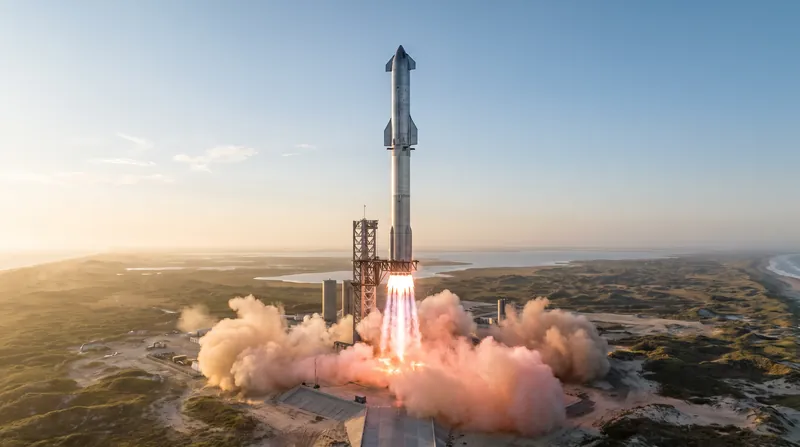
On September 28, SpaceX initiated the first fully orbital launch attempt of its Starship vehicle by 04:00 UTC, aiming to validate the heavy-lift architecture and payload deployment mechanism in a microgravity environment. The 14th integrated test flight successfully reached orbit for the first time and deployed 26 next-generation Starlink V3 satellites into low Earth orbit.
By 23:53 UTC, it was reported that an engine failure occurred during the return sequence, which triggered the automated flight termination system. This resulted in the premature end of the mission.
How the story developed
The mission was designed to transition the Starship program from suborbital testing to operational payload delivery. Engineers upgraded the Super Heavy booster's filtration systems to prevent the ice clogging that had occurred during the previous Flight 13.
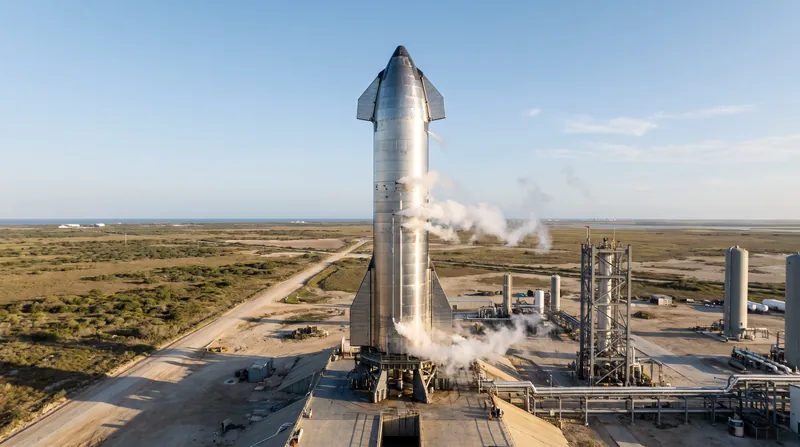
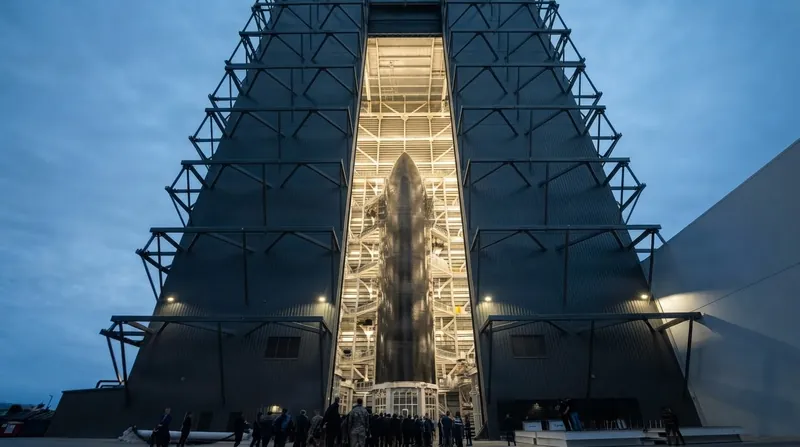
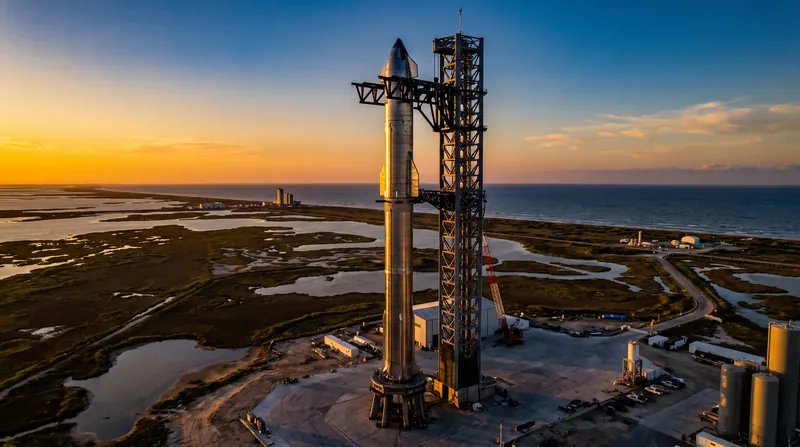
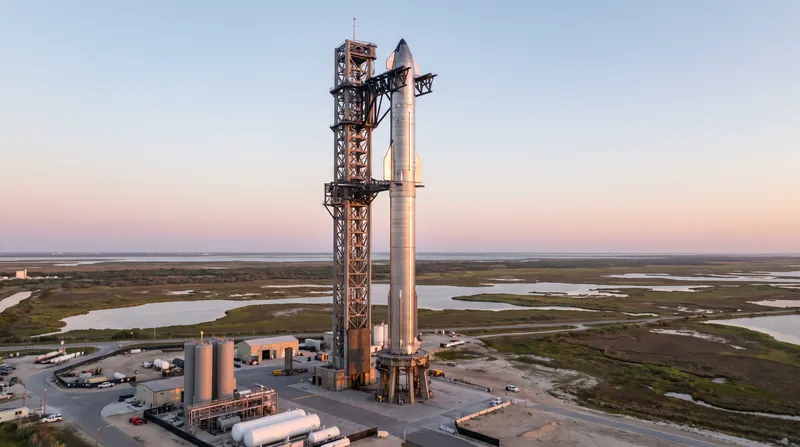
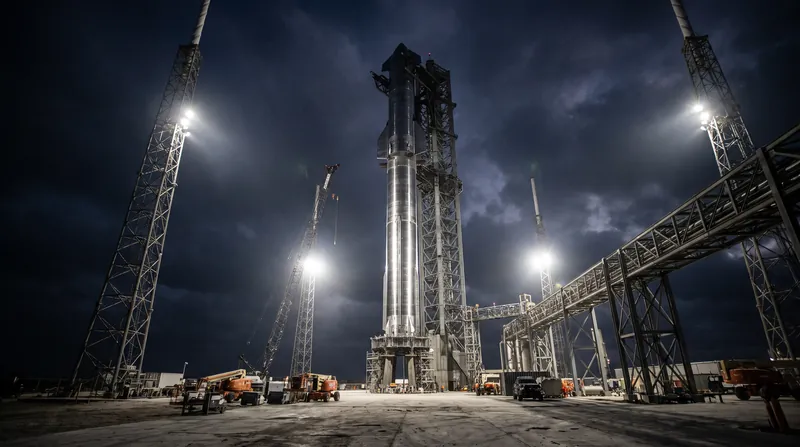
On September 23, SpaceX moved the Super Heavy booster and Starship upper stage to the Texas launch pad at Starbase. The following day, September 24, the company fully stacked the 124-meter vehicle and completed a cryogenic wet dress rehearsal.
The flight profile was planned to span nearly 10 hours, targeting a 275-kilometer altitude. The mission plan called for the upper stage to deploy its revenue-generating payload before executing a critical engine relight in space for a deorbit burn. Both the booster and the upper stage were slated to splash down in the ocean, with no catch attempt planned, and the upper stage was expected to face higher thermal loads during orbital reentry than in previous suborbital tests.
On September 27, the Federal Aviation Administration officially granted the final launch license, clearing SpaceX for the liftoff.
The significantly larger production-grade satellites delivered during the flight each add 1 Tbps of downlink capacity to the Starlink broadband network, requiring Starship's massive payload capacity. Reaching orbit validated the launch architecture required for NASA's upcoming Artemis lunar missions.
What to watch
- The Federal Aviation Administration will oversee a standard mishap investigation into the loss of the upper stage.
Charts, maps and images
Show 5 moreShow fewer
Timeline
September 2026
SpaceX Attempts First Orbital Starship Flight to Deploy Starlink V3 Payload
AI-generatedAI-generatedAI-generatedAI-generated- SpaceX Attempts First Orbital Starship Flight to Deploy Starlink V3 PayloadSpaceX initiated the first fully orbital launch attempt of its Starship vehicle, aiming to validate the heavy-lift architecture and deploy 26 next-generation Starlink satellites.
- SpaceX's Starship Reaches Orbit and Deploys Starlink V3 Satellites on First Orbital FlightSpaceX's fully integrated Starship rocket successfully reached orbit for the first time on September 28, deploying a payload of 26 next-generation Starlink V3 satellites.
- Starship Reaches Orbit and Deploys Starlink V3 Satellites Before Early Mission TerminationSpaceX's Starship successfully delivered 26 next-generation Starlink satellites into low Earth orbit on its 14th flight, though an engine failure prevented the vehicle's planned return sequence.
FAA Grants Final License for Starship's First Orbital Flight and Starlink V3 Deployment
SpaceX Stacks Starship and Completes Wet Dress Rehearsal Ahead of First Orbital Flight Attempt
SpaceX Stacks Super Heavy Booster for Starship's First Orbital Payload Flight