
House Committee Advances Bill to Codify Automotive Right-to-Repair and Open Diagnostic Data
A federal committee has advanced legislation requiring automakers to share wireless diagnostic data with vehicle owners and independent mechanics, marking a major milestone for the right-to-repair movement.
By Tao Yang

Share this story
The House Energy and Commerce Committee has officially advanced the Vehicle Data Access and Repair Act of 2026, pushing a long-sought federal "right-to-repair" mandate for automobiles to the House floor. The bipartisan legislation targets a growing friction point in modern car ownership: the wireless transmission of vehicle health data, known as telematics.[1][3]
For decades, the On-Board Diagnostics (OBD-II) port located under the dashboard guaranteed that any mechanic with a standard plug-in scanner could read a car's error codes. This physical connection leveled the playing field, allowing independent garages to diagnose engine misfires, transmission faults, and sensor failures just as easily as official dealerships.
However, as vehicles evolved into rolling computers, automakers began bypassing the physical port entirely. Today, modern vehicles beam diagnostic data directly to proprietary manufacturer servers via cellular connections. This shift effectively locks out independent repair shops and do-it-yourself mechanics, forcing owners to rely on official dealerships for increasingly routine maintenance and software-related fixes.[2][5]
The newly advanced bill mandates that automakers provide a standardized, open-access platform for this wireless data. Under the proposed framework, vehicle owners would have the legal right to authorize third-party repair shops to access their car's real-time diagnostic information via a secure mobile application or web portal, bypassing the manufacturer's exclusive server silo.[1][3]
Proponents argue this is a crucial step for consumer choice and market competition. Without federal intervention, the independent auto repair industry—valued at over $36 billion annually—faces an existential threat from data monopolies. Independent mechanics have reported turning away customers simply because they cannot legally or technically access the proprietary software required to clear a dashboard warning light after a repair.[4]
The Alliance for Automotive Innovation, representing major car manufacturers, has strongly opposed the measure, arguing that opening telematics gateways introduces severe cybersecurity vulnerabilities. Automakers contend that mandating third-party access to a vehicle's central nervous system could allow malicious actors to intercept data or even take remote control of critical functions like steering and braking.[5]
Cybersecurity experts remain divided on the issue. While some acknowledge the inherent risks of expanding access points in multi-ton vehicles, others point out that secure, permission-based data sharing is already standard practice in highly regulated sectors like finance and healthcare. They argue that automakers are using security as a convenient shield to protect a highly lucrative post-sale service monopoly.[2][5]
The federal push heavily mirrors a contentious 2020 ballot initiative in Massachusetts, where voters overwhelmingly approved a state-level telematics data law. That state law was immediately mired in years of federal lawsuits from automakers, who argued it conflicted with federal safety statutes and created a patchwork of compliance headaches across state lines.[4]
A federal statute would preempt these state-level battles, establishing a single national standard for automotive data ownership and repair accessibility. Lawmakers on the committee emphasized that consumers who purchase a vehicle outright should inherently own the data it generates, rather than indefinitely leasing access to their own car's health metrics.[1][3]
The legislation also addresses the rising cost of vehicle ownership. Studies cited during the committee hearing indicated that repairs performed at independent shops cost consumers an average of 30% less than identical services performed at official dealerships. By ensuring independent mechanics have the data they need, the bill aims to keep those lower-cost options viable.[4]
Implementation remains a significant hurdle. If the bill passes the full House and Senate, automakers would have until the 2028 model year to design and deploy the standardized data-sharing architecture. This timeline gives manufacturers a brief window to engineer secure, standardized APIs that comply with the new federal mandate.[2][3]
For now, the advancement of the bill represents the most significant legislative victory for the right-to-repair movement at the federal level. It signals a growing bipartisan consensus that the digital architecture of consumer goods—whether smartphones, tractors, or electric vehicles—must remain open enough to allow for competitive, independent repair.[1][2]
Key points
- A House committee advanced a bill requiring automakers to share wireless diagnostic data with owners and independent mechanics.
- Modern cars increasingly bypass physical diagnostic ports, sending data directly to manufacturer servers.
- Independent shops argue this data monopoly threatens their survival and raises repair costs for consumers.
- Automakers oppose the bill, citing cybersecurity vulnerabilities and intellectual property concerns.
What we don’t know
- Whether the bill will secure enough votes to pass the full House and Senate in the current legislative session.
- How the National Highway Traffic Safety Administration (NHTSA) will balance the new data-sharing mandate with existing federal vehicle cybersecurity guidelines.
- The exact technical architecture automakers will use to securely authenticate third-party mechanics.
How we got here
Nov 2020
Massachusetts voters overwhelmingly approve a state-level ballot initiative mandating open access to vehicle telematics data.
2021–2024
Automakers launch extensive federal lawsuits to block the Massachusetts law, arguing it conflicts with federal safety standards.
Early 2026
Bipartisan lawmakers introduce the Vehicle Data Access and Repair Act to establish a unified federal standard.
June 2026
The House Energy and Commerce Committee officially advances the bill to the House floor.
- Consumer Rights Advocates
- Argues that vehicle owners should have total control over the data their cars generate and the freedom to choose their mechanic.
- Automotive Manufacturers
- Maintains that opening telematics gateways to third parties introduces severe cybersecurity risks and compromises vehicle safety.
- Independent Repair Industry
- Views standardized data access as an existential necessity to survive in an era of highly computerized vehicles.
Perspectives this story doesn't cover
- Auto Insurance Providers
- Used Car Dealerships
Sources
Source coverage
5 outlets
3 viewpoints surfaced




- [1]Reuters
US House committee advances sweeping federal right-to-repair auto bill
Read on Reuters → - [2]The VergeConsumer Rights Advocates
Congress wants to ban AI companies from selling your health data
Read on The Verge → - [3]Congress.gov
H.R. 9021 - Vehicle Data Access and Repair Act of 2026
Read on Congress.gov → - [4]Repairer Driven NewsIndependent Repair Industry
Independent shops celebrate as federal data-access bill clears committee hurdle
Read on Repairer Driven News → - [5]WiredConsumer Rights Advocates
Anthropic Is Still at Odds With the White House Over Claude Fable 5
Read on Wired →
More in Automotive & Transportation
See all →Right to Repair
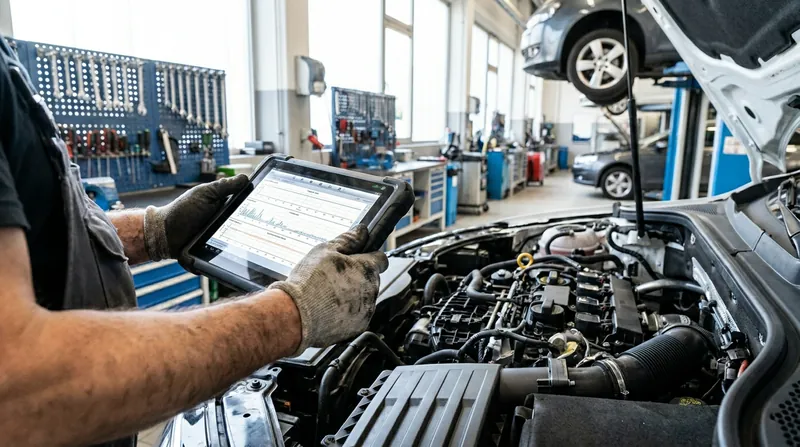
House Committee Advances Federal REPAIR Act, Mandating Automaker Access to Vehicle Data for Independent Shops
6 sources
Right to Repair
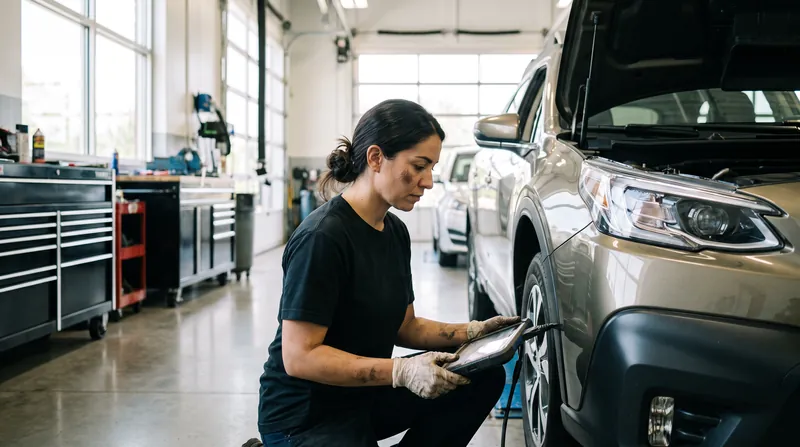
House Committee Advances 'Right to Repair' Bill, But Critics Say It Fails to Address Modern Telematics Data Lockout
6 sources
Right to Repair
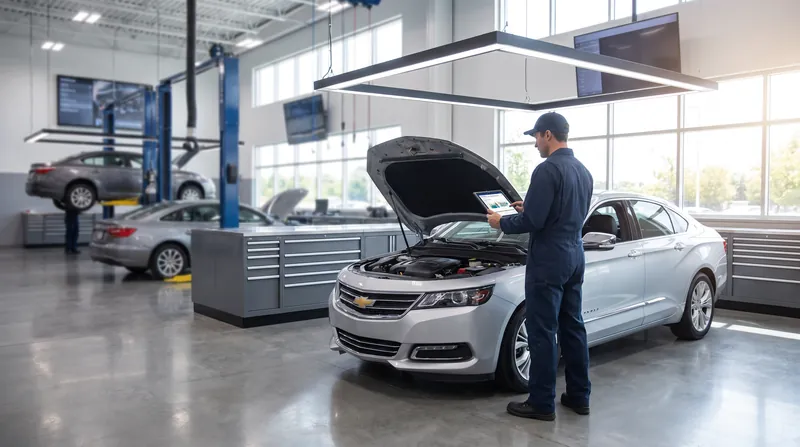
State and Federal Lawmakers Propose Dozens of New Bills in Major Right-to-Repair Push for Cars and Equipment
5 sources
Vehicle Longevity
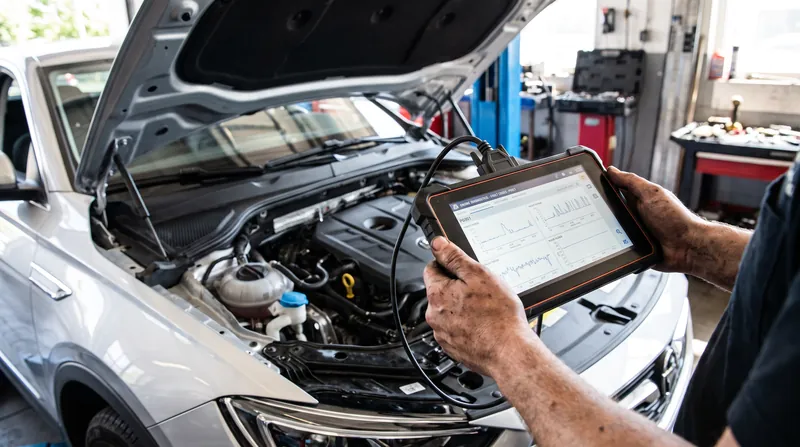
The 12.8-Year Fleet: How Drivers and Auto Shops Are Adapting to America's Oldest Cars
6 sources
Comments
Every angle. Every day.
Get Automotive & Transportation stories with full source coverage and perspective breakdowns, free every day.