
Gymnastics Injury Report: Rivera and Godwin Withdraw From Rotterdam Worlds to Prioritize Recovery
Olympic gold medalist Hezly Rivera and Australian veteran Georgia Godwin have both withdrawn from the 2026 World Gymnastics Championships. The decisions reflect a growing cultural shift in the sport, where elite athletes are increasingly choosing to protect their long-term physical and mental health over pushing through pain.

Share this story
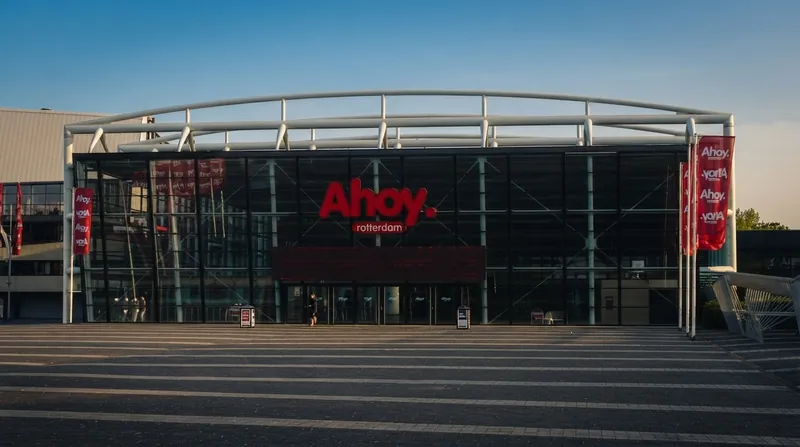
The lights are on in Rotterdam for the 2026 World Gymnastics Championships, but two of the sport’s most compelling stars are conspicuously absent from the floor. U.S. Olympic gold medalist Hezly Rivera and Australian Olympian Georgia Godwin have both formally withdrawn from the competition to manage lingering injuries. Rather than pushing through the pain to satisfy expectations, both athletes are making the high-stakes choice to prioritize their long-term well-being.[1]
Rivera, 18, arrived in the Netherlands as the two-time reigning U.S. all-around champion and a heavy favorite to anchor the American squad. During podium training, she was visibly limited by left ankle pain, opting to sit out the vault entirely and perform heavily modified routines on the uneven bars and balance beam. USA Gymnastics officially announced her medical withdrawal on October 17, just one day before the American women were scheduled to compete.[2][3][4]
"I just wanted to modify my training so I can properly heal," Rivera told reporters in Rotterdam before her official withdrawal. "Obviously, this isn't how I wanted my world championships to go, but I'm still being very grateful and keeping a positive attitude."[2]
The decision marks the second consecutive year the teenager has stepped back from a world championship bid due to an ankle injury. In 2025, a similar setback forced her out of the World Team Selection Event. Dulcy Caylor, a 2025 world team member, stepped into the five-person lineup to replace her in Rotterdam.[2][3]
The substitution drastically changes the dynamic for the American squad. The United States is attempting to secure its eighth consecutive world team title without its national champion. With Rivera out, the U.S. roster for a world championship team event features no gymnasts with previous Olympic experience for the first time since 2011.
For Godwin, the decision to skip Rotterdam was rooted in both physical and mental recovery. The Tokyo 2020 Olympian suffered a devastating Achilles rupture just weeks before the Paris 2024 Games. While she successfully returned to international competition at the Glasgow Commonwealth Games in July 2026, the trauma of the injury lingered through residual flashbacks when performing backward tumbling passes.[1]
"For a long time, I felt like I needed to keep saying yes, ticking events off and competing at every opportunity," Godwin wrote in an October statement explaining her withdrawal. "I'd rather be known as the athlete who showed that it's okay to step back. That putting your physical and mental health first isn't a weakness."[1]
To manage her anxiety and ground herself during training, Godwin carries a small potted plant into the gym. She focuses on its individual leaves when her brain begins to spiral, using the visual distraction to break the cycle of trauma. The technique allowed her to return to the floor on her own terms, without rushing her psychological recovery.[1]
The physical toll of artistic gymnastics makes full recovery essential before returning to elite competition. Achilles ruptures and severe ankle sprains are notoriously difficult to rehabilitate because the tendons bear massive amounts of body weight during landings and takeoffs. Rushing back from these lower-extremity injuries drastically increases the risk of chronic pain, bone fractures, or secondary tears.
These high-profile withdrawals reflect a broader, evidence-backed shift away from the sport's historical demand that athletes ignore their pain. Medical professionals are increasingly urging gymnasts to respect their bodies' limits, particularly concerning joint stress. A 2026 systematic review of 185,107 adolescent artistic gymnasts found a 53 percent pooled prevalence of wrist pain, prompting sports medicine clinicians to emphasize load modification over forced repetition.
The cultural pivot is largely driven by the athletes themselves, who are dismantling the toxic expectations that defined previous eras of gymnastics. By stepping away from the sport's biggest non-Olympic stage, Rivera and Godwin are setting a powerful precedent for the next generation. A delayed return to the floor ensures that when they do compete again, they will be physically sound.
Ultimately, their choices prove that an athlete's worth is not defined by their willingness to compete injured. As the World Championships proceed in Rotterdam, the focus remains on the medals, but the standard for athlete welfare has permanently changed. The smartest competitive strategy is now recognized as knowing exactly when to stop.
The essentials
- U.S. Olympic gold medalist Hezly Rivera withdrew from the 2026 World Gymnastics Championships in Rotterdam due to left ankle pain.
- Australian Olympian Georgia Godwin also opted out of the competition to manage residual mental trauma from a previous Achilles rupture.
- Rivera's withdrawal leaves the U.S. women's team without a gymnast possessing prior Olympic experience for the first time since 2011.
- The decisions highlight a growing cultural shift in elite gymnastics, prioritizing long-term physical and mental health over competing injured.
- Athlete Advocates
- Argue that prioritizing physical and mental health extends careers and sets a positive example for younger gymnasts.
- Sports Medicine Clinicians
- Emphasize that pushing through joint pain or mental trauma drastically increases the risk of chronic, career-ending injuries.
- National Federations
- Support medical withdrawals to protect their top athletes for future Olympic cycles, even if it impacts immediate team scoring.
Perspectives this story doesn't cover
- Traditionalist Coaches
Sources
Source coverage
4 outlets
3 viewpoints surfaced




- [1]Olympics.comAthlete Advocates
Georgia Godwin: How a tiny plant aids my gymnastics comeback from the traumatic injury that kept me out of Paris 2024
Read on Olympics.com → - [2]ForbesAthlete Advocates
Gymnast Hezly Rivera Has Medically Withdrawn From The 2026 World Artistic Gymnastics Championships
Read on Forbes → - [3]Gymnastics NowNational Federations
Hezly Rivera medically withdraws from 2026 World Artistic Gymnastics Championships
Read on Gymnastics Now → - [4]Associated PressNational Federations
Olympic gold medalist Hezly Rivera withdraws from world gymnastics championships with ankle injury
Read on Associated Press →
More in Sports
See all →World Championships
Skye Blakely Wins World Gymnastics All-Around Gold in Historic Injury Comeback
3 sources
Trade
France and Ireland Unveil World Championship Rosters as the Road to LA 2028 Begins in Rotterdam
3 sources
Storyline
Final Proving Ground: Szombathely and Paris World Challenge Cups Set the Stage for Rotterdam
6 sources
Injury
Gymnastics Injury Report: Blakely Returns, Japan's Men Battle Setbacks Ahead of Rotterdam
4 sources
Comments
Every angle. Every day.
Get Sports stories with full source coverage and perspective breakdowns, free every day.