
EPA Grants SEMA Authority to Certify Aftermarket Emissions Parts, Bypassing CARB
The EPA has officially recognized the Specialty Equipment Market Association (SEMA) as an alternative certification authority for aftermarket vehicle parts. The move establishes a 49-state federal compliance pathway, reducing the industry's reliance on the California Air Resources Board.

Share this story
For a local mechanic staring down a check-engine light on a heavy-duty diesel, or a truck owner waiting weeks for a back-ordered emissions sensor, the regulatory machinery in Washington usually feels a world away.
But a recent decision by the U.S. Environmental Protection Agency (EPA) is set to directly change what happens in repair bays across the country. The agency has officially recognized the Specialty Equipment Market Association (SEMA) as an alternative certification authority for emissions compliance, breaking a decades-old regulatory bottleneck and establishing a 49-state federal pathway for aftermarket parts.[1]
The EPA's action directly implements a late-June Presidential Memorandum titled "Lowering the Cost of Living by Promoting the Freedom to Fix." The directive instructed the agency to reduce reliance on California's certification process, which the administration characterized as "faulty and backlogged," and to expand repair options for American vehicle owners. For the average driver, this policy shift is designed to increase the supply of affordable, legal replacement parts, reduce wait times for critical repairs, and keep independent repair shops competitive against dealership service centers.[1]
Before this ruling, the California Air Resources Board (CARB) operated the only EPA-recognized certification process for aftermarket emissions parts. Because anti-tampering provisions in the Clean Air Act strictly prohibit modifying or bypassing emissions controls, parts manufacturers nationwide had to secure a CARB Executive Order (EO) to legally sell their products anywhere in the country. This meant that a repair shop in Ohio or a truck owner in Texas was entirely dependent on a California state agency to approve the parts they needed to maintain their vehicles.
That system created a massive logjam for the $500 billion aftermarket industry, with direct consequences for consumers facing steep repair bills. Securing a CARB EO typically took 12 to 18 months, leaving small businesses sidelined and delaying the release of compliant parts. SEMA argued that this de facto national regulatory power stifled innovation and allowed uncertified, lower-quality counterfeit parts to flood the market while legitimate companies—and the drivers who rely on their components—waited in a seemingly endless administrative line.[1]
Under the new framework, companies can use SEMA's Certified-Emissions (SC-E) program to demonstrate that their products do not adversely affect vehicle emissions. The EPA issued a formal advisory opinion confirming that an SC-E certificate qualifies as a "reasonable basis" under its Tampering Policy. SEMA's testing facilities in Michigan and California will now serve as the primary clearinghouse for federal compliance, allowing parts to reach store shelves and local repair bays significantly faster than under the previous single-lane system.[2]
While the SEMA certification clears parts for sale in 49 states, it does not override state environmental laws in California. Products sold and installed within California's borders will still require a valid CARB EO to remain street legal. However, industry advocates note that removing the national burden from CARB will allow the state agency to focus solely on its own massive market, potentially speeding up its remaining queue for California drivers and reducing the administrative strain on the agency.[2]
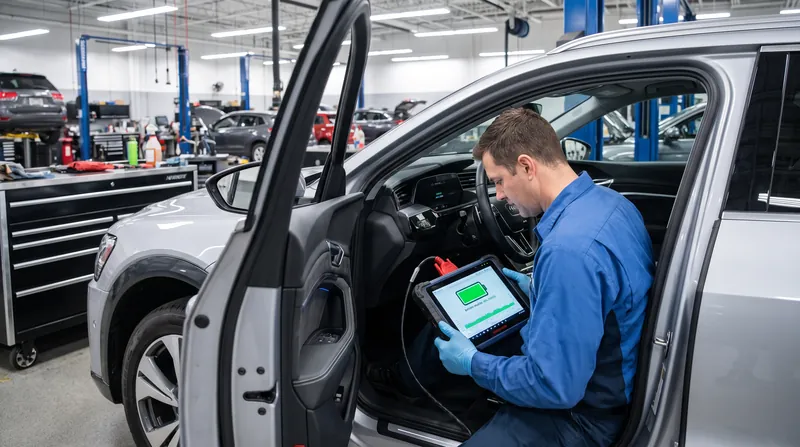
The EPA's actions extend far beyond parts manufacturing, delivering a major practical victory for the independent mechanics who actually perform the work. Alongside the SEMA recognition, the agency issued explicit guidance clarifying that automakers must provide independent shops with the exact same emissions-related service information, training, and diagnostic tools they provide to their franchised dealerships. This ensures that local garages are not locked out of repairing modern, software-heavy vehicles simply because they lack the manufacturer's proprietary digital keys.
This data-sharing mandate specifically includes access to Diesel Exhaust Fluid (DEF) systems and other complex environmental controls for light-, medium-, and heavy-duty vehicles. For independent heavy-duty repair shops, this means better access to the software required to diagnose emissions failures and legally override systems temporarily for the purpose of repair, without being accused of tampering. It ensures that a truck owner isn't forced to tow their rig to an expensive dealership just to clear a software lock.
Despite the newfound flexibility, legal analysts caution that the new pathway does not legalize "deletes" or intentional emissions tampering. The Clean Air Act still strictly prohibits removing, bypassing, or rendering inoperative any factory emissions controls. The EPA's recognition simply provides a faster, data-driven method for proving that a legitimate aftermarket part or repair maintains the vehicle's original certified emissions performance, rather than giving owners a free pass to modify their vehicles in ways that increase harmful pollutants.[2]
As the SC-E program ramps up its certification volume, consumers can expect a wider availability of compliant aftermarket parts and potentially lower repair costs as market competition increases. SEMA has characterized the EPA's recognition as a "pioneering action" in public-private regulatory partnerships, setting a precedent that could reshape how the federal government handles automotive compliance—and ensuring that local shops have the tools and parts they need to keep their customers on the road affordably.[1]
Key points
- The EPA now recognizes SEMA's Certified-Emissions (SC-E) program as a valid way to prove aftermarket parts comply with the Clean Air Act.
- The decision follows a June 2026 Presidential Memorandum aimed at expanding the 'freedom to fix' vehicles and equipment.
- Previously, the California Air Resources Board (CARB) held the only EPA-recognized certification process, creating a nationwide bottleneck.
- The SEMA pathway applies to 49 states; parts sold in California will still require a CARB Executive Order.
- Aftermarket Industry & Small Businesses
- Argues that the new federal pathway removes a crushing regulatory bottleneck, allowing small manufacturers to bring compliant parts to market faster.
- Independent Repair Shops
- Values the EPA's clarification that automakers must share diagnostic tools and software, ensuring independent mechanics can legally perform emissions repairs.
- Legal & Regulatory Analysts
- Emphasizes that while the certification process has been streamlined, the underlying Clean Air Act anti-tampering laws remain strictly in force.
- Federal Regulators
- Views the policy as a necessary step to lower costs for consumers and reduce reliance on a single state's regulatory apparatus.
Perspectives this story doesn't cover
- California Air Resources Board (CARB) Officials
- Environmental Advocacy Groups
Sources
Source coverage
2 outlets
4 viewpoints surfaced


- [1]U.S. Environmental Protection AgencyFederal Regulators
EPA Implements New 'Freedom to Fix' Presidential Memorandum; Gives SEMA Greenlight to Certify Aftermarket Products
Read on U.S. Environmental Protection Agency → - [2]Traction NewsAftermarket Industry & Small Businesses
SEMA Certified-Emissions Program Earns EPA 'Reasonable Basis' Recognition
Read on Traction News →
More in Automotive & Transportation
See all →OBD-II Diagnostics
The P, B, C, and U Framework: How the First Digit of a Diagnostic Trouble Code Identifies the Vehicle System
8 sources
OBD-II Diagnostics
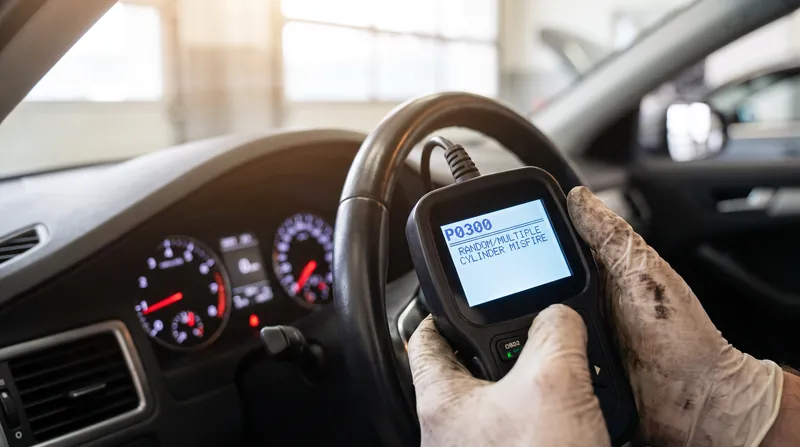
Engine Control Modules Use Crankshaft Speed Fluctuations to Pinpoint Cylinder Misfires
6 sources
Vehicle Recalls
BMW Recalls 189,000 Older 3, 5, and 7 Series Sedans Over Starter Relay Fire Risk
9 sources
EV Battery Health
World's Largest EV Battery Study Shows 90 Percent Capacity Retention After 150,000 Kilometers
5 sources
Comments
Every angle. Every day.
Get Automotive & Transportation stories with full source coverage and perspective breakdowns, free every day.