
Chess Health Report: World Champion Gukesh Withdraws From Tata Steel India to Focus on Mental Recovery
Following a grueling competitive schedule and a recent slump in form, 19-year-old World Champion D. Gukesh has withdrawn from the Tata Steel Chess India tournament to prioritize rest and mental conditioning.
By Jackson Reed

- Player Management
- Emphasizes the necessity of mental breaks and psychological conditioning to prevent burnout in young champions.
- Tournament Organizers
- Focused on maintaining competitive fields and seamlessly integrating strong replacements like Nihal Sarin.
- The Chess Community
- Expresses concern over the grueling elite schedule but supports players prioritizing their long-term health.
Perspectives this story doesn't cover
- Event sponsors losing their marquee player
Summary
- 19-year-old World Champion D. Gukesh has withdrawn from the Tata Steel Chess India tournament to prioritize mental recovery.
- The decision follows a grueling schedule and a recent slump that saw Gukesh drop nearly 70 rating points.
- He is working with renowned sports conditioning coach Paddy Upton to reset his psychological stamina.
- Blitz specialist Nihal Sarin will replace Gukesh in the Open section of the Kolkata event.
Nineteen-year-old World Chess Champion D. Gukesh has officially withdrawn from the upcoming Tata Steel Chess India Rapid and Blitz tournament, opting to prioritize mental recovery and rest following a grueling competitive calendar. The decision marks a significant pause for the teenage prodigy, who has been navigating the immense pressure of holding the sport's highest title since his historic victory over Ding Liren in Singapore two years ago. Tournament organizers confirmed that Gukesh stepped away for "personal reasons," allowing him to remain at home and reset his focus rather than pushing through mounting fatigue. By choosing to sit out the high-profile Kolkata event, Gukesh is highlighting a growing awareness among elite grandmasters about the necessity of psychological stamina and the dangers of competitive burnout. His withdrawal serves as a stark reminder that the cognitive demands of modern chess require the same rigorous recovery protocols as physical sports.[1]
The withdrawal comes on the heels of a challenging stretch for the young champion, whose recent performances have reflected the heavy toll of a relentless schedule. At the 2026 Prague International Chess Festival, Gukesh experienced a visible slump, finishing joint last in a formidable 10-player field with an uncharacteristic scorecard of three defeats, five draws, and only a single victory against David Anton Guijarro. Over the past few months, he has shed nearly 70 rating points, dropping from a peak of 2794 down to 2732, which temporarily moved him down to World No. 15. Chess analysts and commentators have pointed to this slide as a clear indicator of mental fatigue, noting that the young star's signature defensive resilience has been compromised by sheer exhaustion.
Historically, the chess world has referred to this phenomenon as the "weight of the crown," a psychological burden that has tested nearly every world champion in the game's history. After reaching the absolute summit of the sport, newly minted champions often face a severe drop in motivation and a spike in anxiety, knowing that every opponent is now gunning specifically for them. Former champions like Magnus Carlsen and Garry Kasparov have spoken openly about the crushing expectations that accompany the title, with Carlsen eventually citing a lack of motivation when he vacated the championship cycle entirely. For a teenager like Gukesh, who achieved his life's ultimate goal before his twentieth birthday, the sudden shift from being the hungry challenger to the targeted king requires a massive psychological adjustment that cannot be rushed.[1][2]
To navigate this difficult transition and rebuild his competitive edge, Gukesh has enlisted the expertise of renowned sports conditioning coach Paddy Upton. Upton, who has a storied history of working with elite athletes across various high-pressure sports—most notably guiding the Indian national cricket team to World Cup glory—is helping the chess champion prioritize mental clarity and psychological resilience. Their collaborative work focuses on managing the unique cognitive demands of elite chess, where a single lapse in concentration after hours of play can instantly ruin a tournament. Upton's philosophy centers on detaching an athlete's self-worth from their immediate results, allowing them to play freely without the paralyzing fear of failure that often plagues defending champions.[3][4]
To navigate this difficult transition and rebuild his competitive edge, Gukesh has enlisted the expertise of renowned sports conditioning coach Paddy Upton.
While chess is played entirely from a seated position, the physiological and medical toll of elite competition is staggering, making Gukesh's prescribed rest a literal health necessity. During classical chess matches, which can stretch beyond six hours, grandmasters sustain elevated heart rates, experience severe sleep disruption, and can burn thousands of calories purely through cognitive exertion and stress. When players compete in back-to-back tournaments without adequate recovery, their central nervous systems remain in a prolonged state of fight-or-flight, leading to the exact type of blunders and rating drops Gukesh recently experienced. By stepping away to rest at home, the champion is giving his brain the vital physiological downtime required to repair neural pathways and restore his baseline concentration levels.[3]
In Gukesh's absence, tournament organizers have moved quickly to maintain the strength of the Tata Steel Chess India field, tapping fellow Indian grandmaster Nihal Sarin as his replacement. Sarin is widely regarded as one of the most dangerous rapid and blitz specialists in the world, currently ranked among the top 20 globally in the faster time controls. His inclusion guarantees that the Open section will retain its combative edge, as Sarin's intuitive, lightning-fast style contrasts sharply with the deep, calculating approach of classical specialists. While local fans in Kolkata will undoubtedly miss seeing the reigning classical world champion in action, the seamless substitution underscores the incredible depth of talent currently emerging from the Indian chess ecosystem.[4]
The broader chess community has largely rallied behind Gukesh's decision to step back, recognizing that the modern tournament circuit is more punishing than ever before. With the proliferation of high-stakes online events supplementing the traditional over-the-board calendar, top players are rarely afforded a true off-season. Discussions across chess forums and social media have praised the 19-year-old for recognizing his limits and refusing to jeopardize his long-term health for short-term appearances or appearance fees. This cultural shift within the sport—moving away from the outdated expectation that champions must play through exhaustion—reflects a maturing professional landscape where mental health is treated with the exact same seriousness as a physical injury in athletic disciplines.[2][3]
Gukesh's proactive health management is expected to pay significant dividends as he prepares for his next major classical test at the Norway Chess tournament in May 2026. The prestigious event will serve as a vital milestone on his road to redemption, offering a chance to test his renewed focus against a world-class field that includes former world champion Magnus Carlsen. By sacrificing his spot in Kolkata now, Gukesh is buying himself the critical weeks needed to reset his nervous system, analyze his recent games without the pressure of immediate competition, and return to the board fully recharged. Ultimately, the youngest world champion in history is demonstrating a maturity beyond his years, laying the groundwork for a sustainable, decades-long career at the very summit of the sport.[1][4]
Sources
Source coverage
4 outlets
3 viewpoints surfaced




- [1]The GuardianThe Chess Community
Paddleboarder who rescued woman from Coogee shark attack wins world title in record time
Read on The Guardian → - [2]Reddit r/chessThe Chess Community
Gukesh officially withdraws from Tata Steel India to focus on mental recovery
Read on Reddit r/chess → - [3]FirstpostPlayer Management
How Paddy Upton is helping India's chess stars master their minds
Read on Firstpost → - [4]Indian ExpressTournament Organizers
Nihal Sarin to replace resting Gukesh at Tata Steel Chess India
Read on Indian Express →
Comments
More in Sports
See all →Recap
Denver Outlaws Stun Utah Archers 11-5 to Capture Western Conference Crown
6 sources

Standings
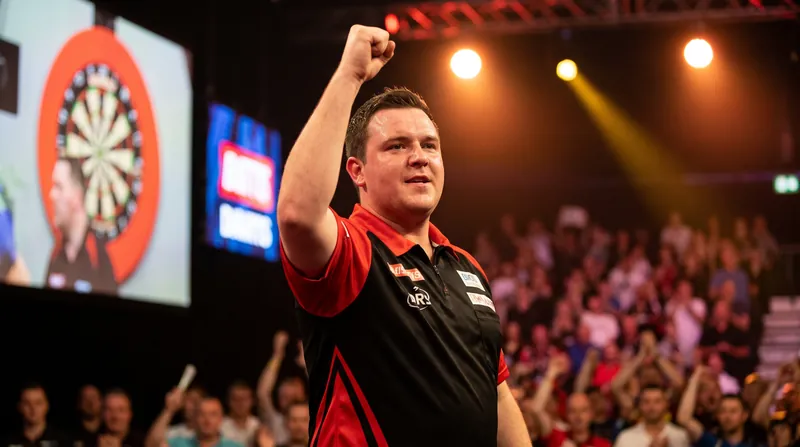
Cameron Menzies Defies Travel Nightmare to Claim PC29 Title as Minehead Bubble Race Intensifies
4 sources
Power ranking
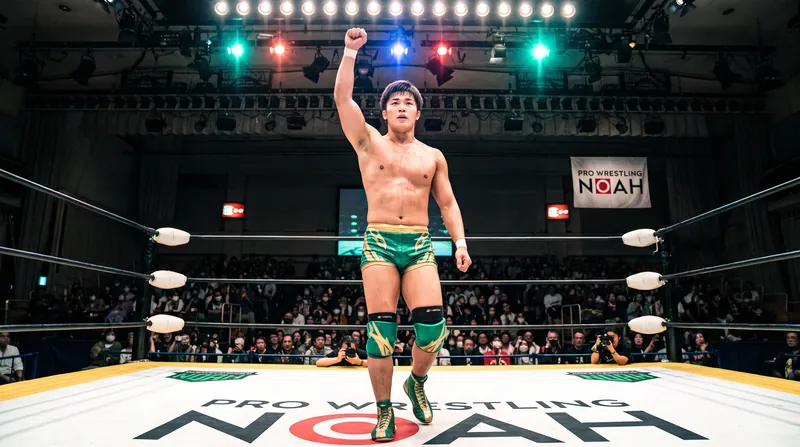
N-1 Victory Power Rankings: Kaito Kiyomiya Commands A Block While B Block Descends Into Chaos
5 sources
Standings
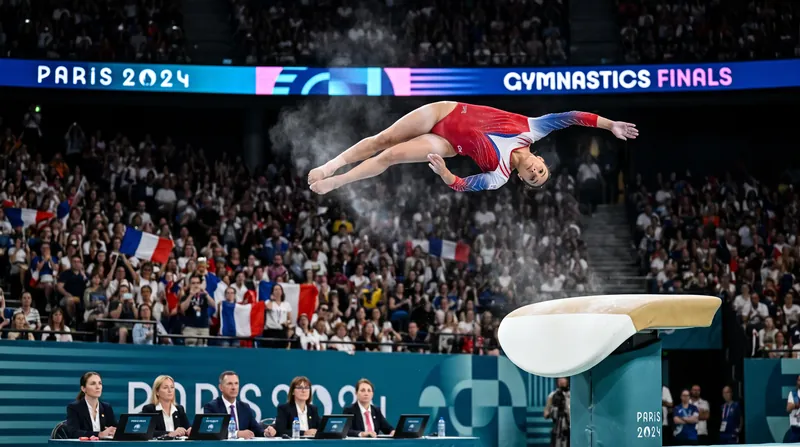
Asian Games Gymnastics Standings: Yeo Seojeong Tops Vault Qualifications as Medal Race Heats Up in Nagoya
5 sources
Every angle. Every day.
Get Sports stories with full source coverage and perspective breakdowns delivered to your inbox.