
Venezuela Frees 131 Political Prisoners and Agrees to Renew Supreme Court in Political Breakthrough Talks
Venezuela's interim government has released 131 political prisoners following a landmark round of U.S.-backed negotiations with the opposition. The talks also yielded an agreement to restructure the country's judicial system and unlock frozen assets for earthquake recovery.
By Adel Khoury
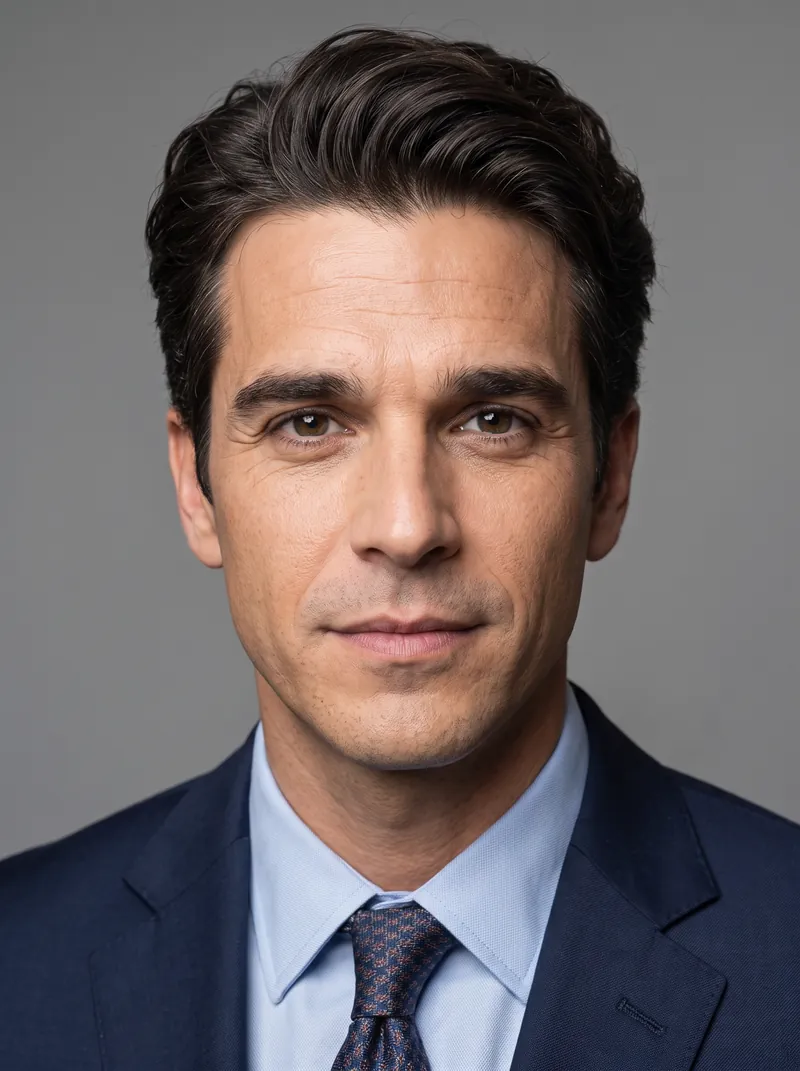
In a significant step toward national reconciliation, Venezuela's interim government has released 131 political prisoners following the conclusion of a landmark round of negotiations with the country's political opposition. The releases, which sparked emotional reunions outside detention centers like the El Rodeo I prison near Caracas, mark the first major concession resulting from direct dialogue between the two factions.[1][2]
The releases follow a week of U.S.-brokered talks in Caracas, the first formal negotiations since the dramatic removal of former President Nicolás Maduro by U.S. forces in January 2026. The interim administration, led by Acting President Delcy Rodríguez, and the opposition delegation, headed by exiled lawmaker Dinorah Figuera, concluded the initial round of discussions with a joint commitment to address the country's deep institutional crises.[3]
Beyond the prisoner releases, the two sides reached a breakthrough agreement to overhaul Venezuela's judicial system. The planned reforms will specifically target the Organic Law governing the Supreme Tribunal of Justice (TSJ), an institution that has long been criticized for its close alignment with the ruling socialist party and its role in suppressing political dissent.[2][4]
The negotiating parties also agreed to establish a joint mechanism to seek access to Venezuelan state assets currently frozen in international accounts. Both sides acknowledged that unlocking these funds is critical to financing the country's recovery from the devastating twin earthquakes that struck on June 24, claiming more than 6,300 lives and leaving tens of thousands homeless.[1]
The 131 individuals freed this week were granted "alternative measures from incarceration" rather than full exonerations. The interim government stated that the courts approved these measures at the request of prosecutors following a review of the detainees' legal status, implementing them under a newly established "Program for Peace and Democratic Coexistence."[1][2]
While the government announced the figure of 131, independent verification has proceeded slowly. The Venezuelan human rights organization Foro Penal, which tracks politically motivated detentions, confirmed the release of at least 72 individuals by the weekend, including 17 women. The opposition movement Vente Venezuela also reported independently verifying dozens of releases, noting that they are continuing to review individual cases.[1][5]
Opposition leaders welcomed the development but maintained pressure on the interim administration. Juan Pablo Guanipa, a prominent opposition figure, described the return of detainees to their families as an "immense relief" but demanded that all remaining political prisoners be freed "without exception, without delay, and promptly."[1][3]
María Corina Machado, a leading opposition voice who did not directly participate in the formal talks, attributed the releases to the structural changes brought about by the U.S. intervention in January. She and other opposition figures have insisted that true democratic transition requires the complete dismantling of the state's apparatus for political detention.[3][5]
The United States, which is playing a facilitating role in the talks, praised the outcome. U.S. Secretary of State Marco Rubio characterized the release of the prisoners as a "crucial step for the nation's reconciliation process." Rubio noted that since the U.S. military action that ousted Maduro on January 3, a total of 1,046 Venezuelans have been released from state custody.[1][3]
The negotiations represent a delicate balancing act for Acting President Rodríguez. As Maduro's former vice president, she assumed executive powers following his capture and now faces the dual challenge of managing the expectations of the traditional ruling party base while meeting the democratic reform demands of the opposition and Washington.[1]
For the Venezuelan public, the talks have generated a sense of cautious optimism. After years of failed dialogue processes between 2017 and 2024, the unprecedented political landscape of 2026—combined with the urgent need for earthquake reconstruction—has created a unique pressure on both sides to deliver tangible results.[4]
The agreement to reform the Supreme Court is particularly significant, as the judiciary will play a central role in any future electoral transition. By agreeing to restructure the TSJ, the interim government has signaled a willingness to dismantle one of the primary mechanisms used to disqualify opposition candidates and validate disputed election results in the past.[2][4]
As the transition process moves forward, the focus will likely shift to the implementation of the judicial reforms and the logistical hurdles of accessing the frozen international funds. With hundreds of political prisoners still believed to be behind bars, the opposition and international observers will be watching closely to see if the interim government continues its program of releases in the coming weeks.[1]
Key points
- Venezuela's interim government released 131 political prisoners following formal talks with the opposition.
- The two sides agreed to restructure the country's Supreme Court to ensure judicial independence.
- Negotiators also committed to unlocking frozen state assets abroad to fund recovery from the June earthquakes.
- U.S. Secretary of State Marco Rubio praised the releases as a crucial step toward national reconciliation.
What we don’t know
- It remains unclear exactly what legal restrictions the freed political prisoners will face under their 'alternative measures' from incarceration.
- The specific timeline and mechanism for restructuring the Supreme Tribunal of Justice have not yet been detailed by the negotiating parties.
- It is not yet known how quickly the frozen international assets can be unlocked and disbursed for earthquake recovery.
How we got here
Jan 2026
U.S. forces intervene in Venezuela, removing President Nicolás Maduro and prompting Delcy Rodríguez to assume acting presidential powers.
Jun 24, 2026
Devastating twin earthquakes strike Venezuela, killing over 6,300 people and creating an urgent need for international financial access.
Aug 2026
The interim government and opposition delegations hold their first formal round of U.S.-backed transition talks in Caracas.
Aug 14, 2026
The interim government announces the release of 131 political prisoners as a concession following the negotiations.
- Interim Government
- Focuses on national reconciliation and the necessity of unlocking frozen assets for earthquake recovery.
- Venezuelan Opposition
- Welcomes the releases but demands the unconditional freedom of all political prisoners and full democratic reforms.
- U.S. Mediators
- Views the releases and judicial reform agreements as crucial steps toward a democratic transition.
Perspectives this story doesn't cover
- Families of remaining political prisoners who were not included in the recent releases.
- Hardline Chavista factions who may oppose concessions made to the opposition and the U.S.
Sources
Source coverage
5 outlets
3 viewpoints surfaced





- [1]Al JazeeraInterim Government
Venezuela says 131 political prisoners freed amid post-Maduro talks
Read on Al Jazeera → - [2]Anadolu AgencyInterim Government
Venezuela announces 131 political prisoners granted 'alternates' to imprisonment
Read on Anadolu Agency → - [3]Sweden HeraldVenezuelan Opposition
Venezuela releases 131 political prisoners after talks with opposition
Read on Sweden Herald → - [4]AP NewsVenezuelan Opposition
Venezuelans watch a new round of talks between the government and opposition with cautious optimism
Read on AP News → - [5]SANAInterim Government
Venezuela releases more than 1,000 detainees in national reconciliation effort
Read on SANA →
More in World
See all →Grid Storage
How Molten Salt Thermal Storage Decouples Solar Power From Daylight
3 sources

Falklands Dispute
How International Law Weighs Argentina's Territorial Integrity Against Falkland Islanders' Right to Self-Determination
8 sources
Remittance Economics
The 20 Percent Threshold: How Remittances Structure the Economies of El Salvador, Honduras, and Guatemala
7 sources
Lithium Triangle
How Chile, Argentina, and Bolivia Govern the Same Lithium Reserves Under Three Different Legal Models
9 sources
Comments
Every angle. Every day.
Get World stories with full source coverage and perspective breakdowns, free every day.