
TTB Advances Proposed Rule Mandating Nutritional and Allergen Labeling on All Alcohol
The U.S. Treasury Department is moving forward with sweeping regulations that will require 'Alcohol Facts' panels and strict allergen disclosures on beer, wine, and spirits, closing a decades-old labeling loophole.

- Public Health Advocates
- Argue that consumers have a fundamental right to know what they are drinking, emphasizing the hidden calories and severe risks of undisclosed allergens.
- Craft Beverage Producers
- Support transparency in principle but warn that mandatory lab testing for every vintage and small-batch release will impose crippling compliance costs on small businesses.
- Federal Regulators
- View standardized labeling as a necessary modernization of post-Prohibition laws to align alcohol with FDA food standards and foster fair market competition.
Perspectives this story doesn't cover
- Bartenders and mixologists who rely on specific product formulations
- International importers navigating conflicting global labeling standards
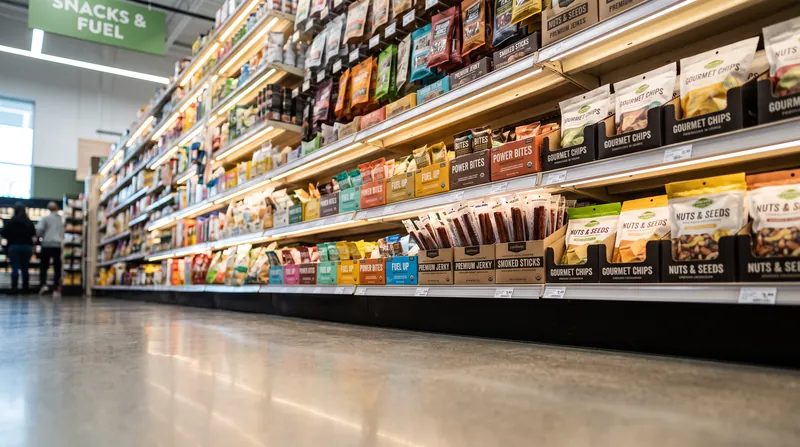
Walk down the aisle of any American grocery store, and the rules of transparency are clear: a can of soda, a box of cereal, and a bag of chips all bear the ubiquitous black-and-white Nutrition Facts panel. But cross over to the beer and wine aisle, and the packaging becomes a nutritional black box. Because alcohol is regulated by the Treasury Department rather than the FDA, it has enjoyed a decades-long exemption from standard food labeling laws.[2]
That historical loophole is finally closing. The Alcohol and Tobacco Tax and Trade Bureau (TTB) is advancing a sweeping regulatory mandate that will require comprehensive nutritional and allergen labeling on virtually all alcohol sold in the United States. The proposed rules represent the most significant overhaul of alcohol packaging since the repeal of Prohibition.
For consumers, the most visible change will be the arrival of a standardized "Alcohol Facts" panel on the back of bottles and cans. Designed to mirror the FDA's nutrition labels, this new panel will mandate the clear disclosure of serving size, the number of servings per container, and the exact alcohol by volume (ABV).
Crucially, the panel will also require the per-serving disclosure of calories, carbohydrates, protein, and fat. It will also require producers to list the exact fluid ounces of pure ethyl alcohol per serving, a metric designed to help consumers better track their actual alcohol consumption across different types of beverages.
Alongside the nutritional data, the TTB is mandating strict allergen disclosures. Under the new framework, alcohol producers will be required to declare the presence of the "Big 9" food allergens: milk, eggs, fish, shellfish, tree nuts, peanuts, wheat, soybeans, and sesame.[1]
This allergen rule closes a critical safety gap. While the FDA's Food Allergen Labeling and Consumer Protection Act has protected food consumers for years, alcohol's exemption has left those with severe allergies to guess whether a stout was brewed with lactose, a gin was fined with egg whites, or a liqueur was flavored with hidden tree nuts.[1][2]
The regulatory shift is the culmination of a 20-year battle between public health advocates and federal regulators. In 2003, the Center for Science in the Public Interest (CSPI) and a coalition of consumer groups first petitioned the TTB to mandate labeling, arguing that consumers had a fundamental right to know what they were drinking.[2]
The regulatory shift is the culmination of a 20-year battle between public health advocates and federal regulators.
For nearly two decades, the TTB relied on a voluntary system. The bureau allowed brands to disclose calories or ingredients if they chose to, but unsurprisingly, few did. Outside of light beers marketing their low-calorie counts as a competitive advantage, the vast majority of the industry opted to keep their nutritional profiles hidden.[2]
The turning point arrived in 2022, when the Treasury Department released a comprehensive report on competition in the alcohol markets. The report explicitly recommended that the TTB initiate rulemaking for mandatory labeling to foster transparency, support public health, and level the playing field between alcohol and non-alcoholic beverages.
Following a lawsuit by the CSPI to force action, the TTB officially published the proposed rules in two separate notices—Notice 237 for Alcohol Facts and Notice 238 for allergens. The publication launched a massive public comment period that drew thousands of responses from industry stakeholders and prompted the Small Business Administration to request an extension for feedback.[2][3]
While public health groups are celebrating the mandate, the transition will not be simple or cheap for the industry. The American alcohol market is highly fragmented, populated by thousands of independent craft breweries, boutique wineries, and micro-distilleries that lack the compliance infrastructure of massive multinational conglomerates.[3]
Trade groups, including the Brewers Association, have raised concerns about the compliance burden on these small producers. Testing variable batches of barrel-aged stouts or mixed-fermentation wines for exact caloric and macronutrient profiles requires expensive, specialized laboratory analysis.
Unlike mass-produced domestic lagers, which are brewed to exact, unvarying specifications in automated facilities, agricultural products like wine fluctuate in alcohol and sugar content from vintage to vintage. A hot growing season can yield sweeter grapes and higher alcohol, complicating the creation of a standardized, permanent label.
To ease the shock to the supply chain and give small businesses time to adapt, the TTB has proposed a generous five-year compliance window from the date the final rule is published in the Federal Register. This extended timeline acknowledges the logistical hurdle of redesigning and printing millions of new labels.[1]
One notable omission in the current draft is mandatory sugar disclosure. While carbohydrates must be listed, the TTB's proposed rule currently makes the specific declaration of added sugars optional—a concession that public health advocates are actively fighting to change before the rule is finalized.[2]
Ultimately, the mandate signals a broader cultural shift. As younger consumers increasingly prioritize wellness, moderation, and ingredient transparency, the alcohol industry is being forced to adapt to the same standards of disclosure expected in every other aisle of the supermarket.[2]
The stakes
For decades, alcohol has been exempt from the FDA labeling laws that govern almost every other food and beverage. This rule will finally allow consumers to see exactly how many calories, carbohydrates, and potential allergens are in their beer, wine, and cocktails, fundamentally changing how Americans monitor their intake.
The essentials
- The TTB is advancing rules to mandate nutritional and allergen labeling on all alcohol.
- A new 'Alcohol Facts' panel will require the disclosure of calories, carbs, protein, and fat.
- Producers must declare the presence of the 'Big 9' food allergens, closing a major safety gap.
- The rules stem from a 2022 Treasury report and a 20-year push by consumer advocacy groups.
- Small craft brewers and wineries have raised concerns over the high costs of laboratory testing.
- The industry will have a five-year compliance window once the final rule is published.
Perspectives explored
Public Health Advocates
Argue that consumers have a fundamental right to know what they are drinking, emphasizing the hidden calories and severe risks of undisclosed allergens.
Groups like the Center for Science in the Public Interest (CSPI) view the TTB's move as a long-overdue victory for consumer rights. They argue that the historical exemption for alcohol is an illogical regulatory artifact that has contributed to public health issues, including obesity and accidental allergen exposure. By treating alcohol like any other consumable product, advocates believe consumers will be empowered to make healthier choices, properly track their caloric intake, and safely avoid life-threatening allergens like hidden tree nuts or dairy.
Craft Beverage Producers
Support transparency in principle but warn that mandatory lab testing for every vintage and small-batch release will impose crippling compliance costs on small businesses.
While large multinational conglomerates can easily absorb the costs of laboratory testing and label redesigns, small and independent producers view the mandate as a significant financial threat. The Brewers Association and small wineries point out that agricultural products naturally vary from batch to batch. For a microbrewery that releases dozens of unique, small-batch beers a year, the requirement to scientifically test each one for exact caloric and macronutrient profiles could cost thousands of dollars, potentially stifling innovation and forcing some small players out of the market.
Federal Regulators
View standardized labeling as a necessary modernization of post-Prohibition laws to align alcohol with FDA food standards and foster fair market competition.
For the Treasury Department and the TTB, the proposed rules are about modernizing an antiquated system and leveling the playing field. The 2022 Treasury report highlighted that the lack of mandatory labeling actually harms market competition, as consumers cannot easily compare the nutritional profiles of different products. Regulators argue that a standardized 'Alcohol Facts' panel will bring the alcohol industry into the 21st century, aligning it with the transparency standards that the FDA has successfully enforced on the rest of the food and beverage industry for decades.
Sources
Source coverage
3 outlets
3 viewpoints surfaced



- [1]Food Safety Magazine
Proposed Rule Would Require Mandatory Labeling on Alcoholic Beverages for Big 9 Food Allergens
Read on Food Safety Magazine → - [2]Center for Science in the Public InterestPublic Health Advocates
Lawsuit Seeks to Compel TTB to Mandate Alcohol Labeling
Read on Center for Science in the Public Interest → - [3]Small Business AdministrationCraft Beverage Producers
TTB Extends Comment Periods for Two Proposed Rules on Alcohol Labeling Requirements
Read on Small Business Administration →
Comments
More in Food & Drink
See all →Food Safety
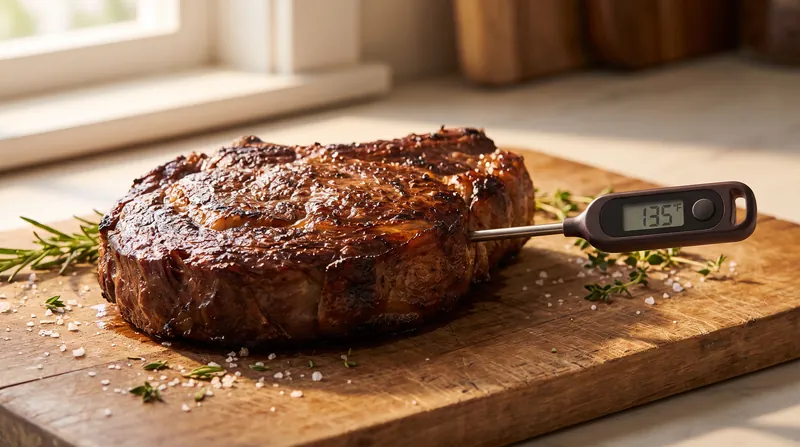
The 135°F Minimum: How Hot Holding Prevents Pathogen Growth in Cooked Food
6 sources

Culinary Science
The 8°F Internal Temperature Drop: How Resting Meat Allows Muscle Fibers to Reabsorb Released Moisture
6 sources
Food Standards
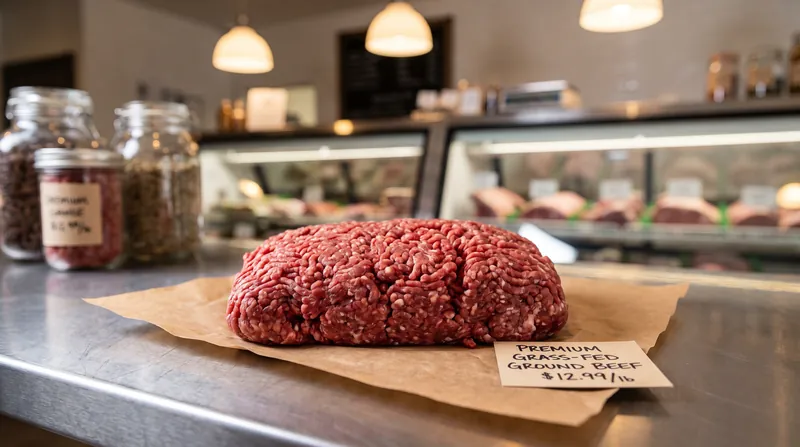
The 30 Percent Fat Ceiling: How Federal Law Dictates the Ratios in Grocery Store Ground Beef
7 sources
Protein Metabolism
The 1.0 to 1.5 Grams Per Kilogram Threshold: How Protein Intake Dictates Nitrogen Balance and Muscle Maintenance in Older Adults
4 sources

Every angle. Every day.
Get Food & Drink stories with full source coverage and perspective breakdowns delivered to your inbox.