
The Global Voices Boom: How Translated Fiction is Reshaping the English Literary Landscape
Driven by independent presses, younger readers, and a thriving indie bookstore revival, translated literature is experiencing an unprecedented sales boom in the English-speaking world.
By Tara Reddy

Share this story
For decades, the English-language publishing industry operated on a stubborn, unwritten rule: translated fiction does not sell. Books originally written in other languages were often viewed as academic, inaccessible, or commercially unviable for mainstream American and British audiences. But over the past two years, that conventional wisdom has been entirely rewritten. A quiet revolution has transformed the literary landscape, turning international authors into bestseller-list mainstays and proving that English-speaking readers are hungrier than ever for global perspectives.[1]
The numbers reveal a staggering shift in consumer behavior. In 2025, readers in the United Kingdom purchased 3.8 million volumes of translated literature, representing a 30% increase since 2016. The total value of the translated fiction market has nearly doubled in that same period, surging from £23.2 million to £40.7 million. By mid-2026, the subcategory was outperforming the wider fiction market entirely, with translated sales growing by an additional 11.2% year-over-year.
What makes this boom particularly remarkable is the demographic profile of the readers driving it. The surge is not being propelled by older, traditional literary circles, but by younger generations. According to NielsenIQ BookData, buyers under the age of 35 now account for 52% of all translated fiction purchases, compared to just 36.8% of general fiction. These younger demographics, raised in a globally connected digital environment, are actively seeking out narratives that break the mold of domestic English-language tropes.[1]
The trend has also upended long-standing gender dynamics in publishing. While market research consistently shows that men are reading less general fiction than in previous decades, translated literature is bucking the trend entirely. In 2025, male buyers accounted for 51.3% of the translated fiction market, a significant jump from 46.5% a decade prior. Industry analysts suggest that the wide variety of genres available in translation—ranging from surrealist science fiction to philosophical thrillers—offers an alternative entry point for readers who feel unserved by mainstream domestic releases.
Japanese literature has been at the absolute forefront of this commercial wave. Authors like Asako Yuzuki, whose novel 'Butter' sold over 116,000 copies in the UK alone, and Toshikazu Kawaguchi have become household names. In 2025, Japanese writers occupied half of the top ten bestselling translated fiction slots. Similarly, South Korean literature has seen an explosive rise, catalyzed by Han Kang's historic Nobel Prize win, which boosted her English-language backlist sales by 400% in a matter of months.
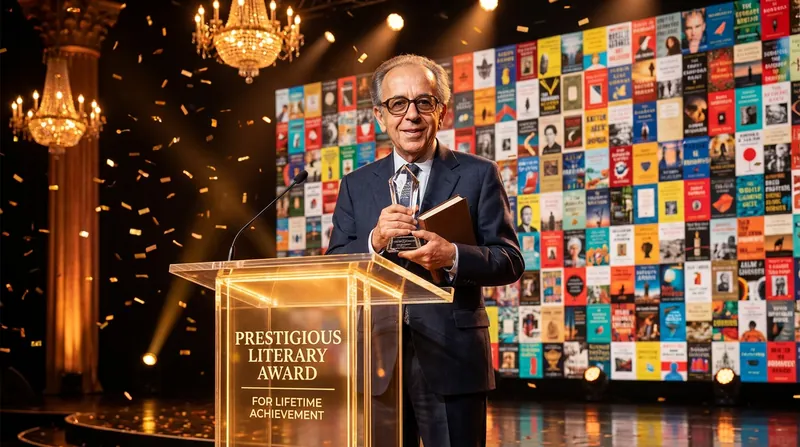
The catalyst for this golden age of translation can be traced back to a crucial institutional shift in 2016. That year, the prestigious International Booker Prize was reconstituted to reward a single book translated into English, rather than a lifetime achievement award. Crucially, the £50,000 prize money was split equally between the author and the translator. This elevated translators from invisible laborers to celebrated co-authors, bringing the craft of translation into the cultural spotlight and giving readers a seal of quality they could trust.[1]
But the true engine behind the translated fiction boom has been the independent publishing sector. While the corporate publishers historically shied away from the financial risks of commissioning translations, agile independent presses like Fitzcarraldo Editions, And Other Stories, and Peirene Press stepped into the void. These smaller houses have championed global voices, taking creative risks that have repeatedly paid off. Over half of the books longlisted for recent International Booker Prizes were published by independent presses.[1]
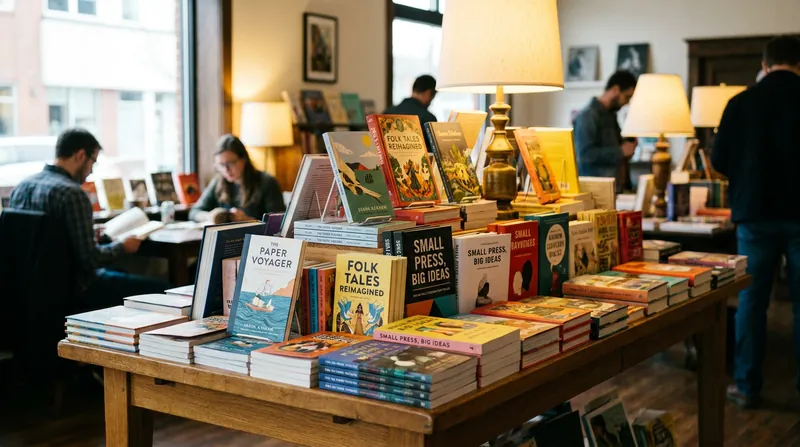
The success of these independent publishers is inextricably linked to another uplifting retail trend: the massive resurgence of the independent bookstore. You cannot sell niche, international literature without a physical space dedicated to hand-selling and community curation. Defying years of predictions that e-commerce giants would eradicate brick-and-mortar shops, the number of independent bookstores in the United States jumped by 70% between 2020 and 2025.[2]
In 2025 alone, 422 new independently owned bookshops opened across the US, representing a 31% increase from the previous year. This revival is driven by a profound consumer desire for physical connection—a rejection of algorithmic recommendations in favor of human interaction. Independent bookstores serve as vital community hubs, hosting hundreds of events annually and fostering an environment where readers trust staff recommendations.[2][3][4]
This retail environment is the perfect incubator for translated fiction. Data shows that buyers of translated literature are significantly more likely to shop at local independent bookstores than buyers of general fiction. When a passionate bookseller places a translated Japanese mystery or a translated Argentine horror novel into a reader's hands, it bridges the gap between an unknown international author and a curious local reader.[3]
The synergy between indie presses, indie bookstores, and adventurous younger readers has created a robust, self-sustaining ecosystem. It is a stark contrast to the consolidation seen in other media industries. The more the economy consolidates, the more opportunity there is at the edges, notes one retail analyst, highlighting how small businesses thrive by offering the specialized curation that massive corporations cannot replicate.[3]
The physical book itself has also benefited from this ecosystem. Independent presses often invest heavily in the design and tactile quality of their translated editions, turning them into beautiful objects that readers want to collect and display. This attention to detail resonates strongly with Gen Z and Millennial consumers, who have shown a renewed appreciation for physical media, from vinyl records to beautifully bound paperbacks.[1][4]
Ultimately, the boom in translated fiction represents a profound expansion of the English-speaking world's cultural empathy. By dismantling the language barrier, the publishing industry is allowing readers to experience the everyday lives, anxieties, and triumphs of people across the globe. In an era often defined by digital isolation and geopolitical division, the simple act of reading a story from another culture serves as a powerful, quiet form of global connection.[1]
Key points
- Translated fiction sales in the UK reached 3.8 million volumes in 2025, a 30% increase since 2016.
- Readers under the age of 35 now account for 52% of all translated fiction purchases.
- Male readers are driving a significant portion of the growth, making up 51.3% of the translated fiction market.
- The boom is heavily supported by independent presses, who publish the majority of award-nominated translated works.
What we don’t know
- Whether the explosive growth of translated fiction will eventually plateau as the market becomes more saturated.
- How the rise of AI translation tools might impact the livelihood of professional human translators in the coming years.
- If major corporate publishers will attempt to acquire the independent presses currently dominating the translated fiction space.
How we got here
2016
The International Booker Prize is reconstituted to reward a single translated book and split the prize money equally between author and translator.
2020
The pandemic triggers a renewed interest in local shopping and community spaces, sparking the beginning of the indie bookstore revival.
2024
Han Kang wins the Nobel Prize in Literature, triggering a massive 400% surge in sales for her translated backlist.
2025
The UK translated fiction market reaches a record £40.7 million in value, while the US sees 422 new independent bookstores open.
- Independent Publishers
- Small presses argue that taking creative risks on international voices is both culturally vital and commercially viable.
- Retail Optimists
- Booksellers and retail analysts emphasize that the resurgence of physical bookstores proves consumers still crave human curation.
- Market Analysts
- Industry data trackers focus on the demographic shifts reshaping publishing economics.
Perspectives this story doesn't cover
- Translators advocating for better baseline pay and royalties
- Authors from underrepresented languages struggling to break into the English market
Sources
Source coverage
4 outlets
3 viewpoints surfaced




- [1]The Society of Young PublishersIndependent Publishers
The Unstoppable Growth of Translated Literature in UK Publishing
Read on The Society of Young Publishers → - [2]Fast CompanyRetail Optimists
The small American bookstore is back
Read on Fast Company → - [3]The GuardianRetail Optimists
Serena Williams to make Wimbledon singles comeback after being handed wildcard
Read on The Guardian → - [4]The NationRetail Optimists
Did You Know There's an Independent Bookstore Revival Underway?
Read on The Nation →
More in Culture
See all →AI Authorship
How AI Authorship Suspicions Are Rewriting the Rules of Publishing Deals
6 sources

Publishing Rights
How Hong Kong's Article 23 is Reshaping the Publishing Industry Amid Bookseller Arrests
6 sources

AI Copyright Law
Major Publishers Sue Google, Alleging 'Willful Infringement' of Millions of Books to Train Gemini AI
6 sources

Publishing Economics
$50 Million Literary Arts Fund Established by Coalition of Foundations to Stabilize Independent Publishers
3 sources
Comments
Every angle. Every day.
Get Culture stories with full source coverage and perspective breakdowns, free every day.