
The Anti-Itinerary: How Cognitive Fatigue is Driving the 'Slow Travel' Rebellion Against Checklist Tourism
Exhausted by rigid schedules and digital overload, travelers are increasingly abandoning multi-city tours for unstructured, extended stays. This shift toward 'slow travel' is reshaping the tourism economy and offering a science-backed reset for the burnt-out modern brain.
By Baran Demir

In short
- Travelers are increasingly rejecting rigid, multi-city vacation schedules in favor of the 'anti-itinerary.'
- The shift is driven by a desire to combat cognitive fatigue and burnout from always-on digital lifestyles.
- Slow travel activates 'soft fascination,' helping the nervous system reset and improving sleep quality by up to 21%.
For decades, the gold standard of international travel was the spreadsheet vacation. Families and solo backpackers alike would optimize their limited time off by cramming five European capitals into ten days, armed with color-coded itineraries, pre-booked museum slots, and a relentless morning alarm. But in 2026, the travel industry is witnessing a massive behavioral shift. The rigid, hyper-optimized vacation is being rapidly replaced by the 'anti-itinerary'—a deliberate rebellion against checklist tourism that prioritizes unstructured time, deep local immersion, and, above all, rest.
The anti-itinerary is the defining characteristic of the broader 'slow travel' movement, which has transitioned from a niche lifestyle choice to a dominant market force. Rather than viewing a blank space on a vacation schedule as a wasted opportunity, modern travelers view it as the primary goal.
They are intentionally leaving days completely unplanned, allowing spontaneous discoveries—a neighborhood bakery, a local festival, or simply an afternoon reading on a balcony—to dictate the rhythm of the trip. It is a fundamental shift from traveling to 'see' a destination to traveling to 'feel' it.
The catalyst for this shift is not a sudden lack of curiosity about the world, but a profound epidemic of cognitive fatigue. After years of always-on digital culture, remote work blurring the boundaries of home and office, and algorithmic overstimulation, the baseline stress level of the average professional has fundamentally altered. People are arriving at the airport already exhausted. When these burnt-out individuals attempt to execute a high-intensity, multi-city vacation, they often return home feeling more depleted than when they left.[2]
Psychologists and travel researchers point to 'decision fatigue' as the hidden ruin of the traditional vacation. Navigating foreign transit systems, translating menus, coordinating group logistics, and constantly deciding what to do next requires immense cognitive load. Checklist tourism exacerbates this by turning leisure into a high-stakes performance. In contrast, the anti-itinerary removes the pressure of constant decision-making. By staying in one place and removing the mandate to optimize every hour, travelers allow their brains to exit the continuous partial attention that defines modern life.
This neurological reset is grounded in the concept of 'soft fascination.' When travelers settle into a slower environment—whether a coastal village, a mountain cabin, or a quiet urban neighborhood—their sensory input changes from the aggressive demands of screens and schedules to the gentle stimuli of nature and local rhythms.
This shift activates the parasympathetic nervous system, lowering cortisol levels and promoting emotional recovery. A joint 2026 study by Airbnb and the University of Colorado Boulder found that travelers experience a 21 percent increase in deep sleep when they spend extended time in relaxing, unfamiliar environments without a rigid schedule.[1]
To achieve this state of recovery, seasoned slow travelers have adopted the 'Rule of Five.' The rule dictates that travelers should spend a minimum of five nights in a single location, effectively killing the three-city weekend whirlwind. Psychologically, it takes the human nervous system about three days to fully downshift and shed the residual stress of 'home mode.' By the fourth day, the urge to constantly check emails fades, the traveler learns the name of the local barista, and a genuine connection to the surroundings begins to form.
The demographic driving this transformation is overwhelmingly Gen Z, a cohort that is fundamentally rewriting the rules of the tourism economy. According to a 2026 report from Airbnb, young travelers have quietly retired the concept of the massive annual holiday. Instead, they favor multiple shorter, highly flexible escapes throughout the year. The data reveals that 64 percent of Gen Z travelers deliberately leave significant portions of their itineraries unplanned specifically to allow for exploration and rest.[1]
For this younger generation, spontaneity is not the absence of a plan; it is the entire purpose of the trip. The traditional markers of a successful vacation—visiting the Eiffel Tower, the Colosseum, or the Louvre—hold less cultural cachet than discovering an unnamed swimming hole or spending hours at a neighborhood market. In fact, many younger travelers actively avoid destinations that feel overexposed on social media, seeking out 'destination dupes' or secondary cities where the anti-itinerary lifestyle is easier to maintain without the pressure of crowds.
This shift in behavior is also reshaping how people travel together. Group trips booked by Gen Z on platforms like Airbnb have surged by 55 percent year-over-year, but the nature of these trips has changed. Rather than splitting up into separate hotel rooms and meeting for scheduled tours, groups are renting large shared homes. The accommodation itself becomes the destination, serving as a private retreat where the primary activity is simply spending uninterrupted time together, cooking meals, and decompressing away from the demands of daily life.[1]
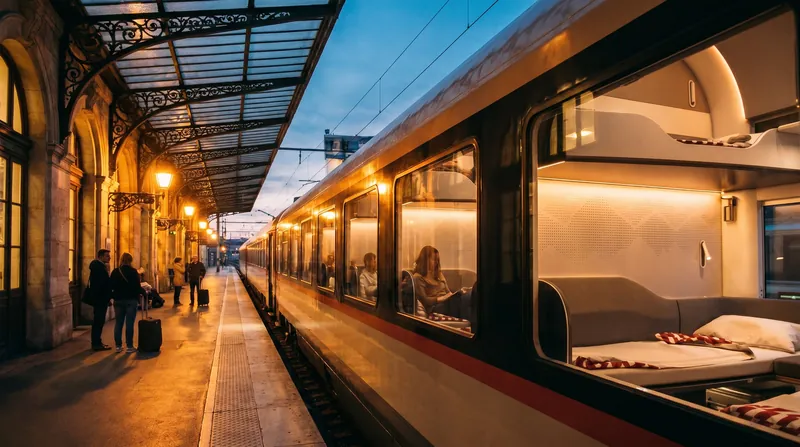
The slow travel rebellion is also deeply intertwined with growing climate awareness and the desire for sustainable tourism. The anti-itinerary naturally lends itself to lower-carbon travel. By choosing to stay in one region for a week or more, travelers eliminate the need for short-haul flights between cities. Instead, there has been a massive renaissance in overland travel, particularly the expansion of luxury and budget sleeper trains across Europe and Asia. The journey becomes a slow, unhurried part of the vacation rather than a stressful logistical hurdle to overcome.[2]
Economically, the anti-itinerary is proving to be a boon for hyper-local businesses that typically miss out on mass tourism revenue. When tourists race through a city in 48 hours, their spending is almost entirely captured by major hotels, famous attractions, and restaurants located on the main tourist strips.
A slow traveler staying in a residential neighborhood for a week buys groceries at the local market, frequents the corner café, and often seeks out artisanal workshops to learn a local craft. This keeps a significantly higher percentage of tourism revenue within the community.[2]
Despite the clear benefits, adopting the anti-itinerary can be surprisingly difficult for first-timers. The modern professional is so conditioned to measure the value of their time by how much they produce or consume that doing 'nothing' on vacation can initially trigger anxiety. Travel coaches and mental health professionals often have to counsel clients through the first few days of a slow trip, reminding them that the absence of a schedule is not a failure of planning, but a necessary therapeutic intervention.[3]
A key component of successfully executing an anti-itinerary is managing digital connectivity. A complete digital detox is often unrealistic and can actually increase anxiety for travelers who need to check transit schedules or stay reachable in emergencies. Instead, the focus is on 'controlled connectivity'—using technology strictly for utility rather than entertainment. By navigating a new city without returning to the social media feed, travelers can maintain the mental space required for soft fascination while still feeling secure in an unfamiliar environment.[3]
Ultimately, the rise of the anti-itinerary represents a profound realization about the purpose of leisure. A vacation should not be an endurance test, nor should it require a vacation to recover from. By rejecting the checklist, slowing down the pace, and embracing the unknown, travelers are reclaiming their time off. They are discovering that the most memorable moments of a journey are rarely the ones that were scheduled months in advance, but the quiet, unexpected experiences that happen when you finally give yourself permission to stop rushing.[3]
Key terms
- Anti-Itinerary
- A travel philosophy that rejects rigid scheduling in favor of unstructured time, allowing for spontaneity and rest.
- Slow Travel
- A movement emphasizing longer stays in fewer places, prioritizing deep cultural immersion and environmental sustainability over rapid sightseeing.
- Cognitive Fatigue
- A state of mental exhaustion caused by prolonged periods of high concentration, decision-making, and sensory overstimulation.
- Soft Fascination
- A psychological state triggered by gentle, undemanding stimuli (like nature or a quiet street) that allows the brain to rest and restore its attention capacity.
- Destination Dupe
- A lesser-known, less crowded alternative to a famous tourist hotspot, popular among travelers seeking a quieter experience.
- Rule of Five
- A slow travel guideline suggesting a minimum stay of five nights in one location to allow the nervous system to fully decompress.
Frequently asked
What exactly is an anti-itinerary?
An anti-itinerary is a travel approach that deliberately leaves large portions of a trip unplanned. Instead of scheduling every hour with sightseeing, travelers leave room for spontaneous discoveries, rest, and local immersion.
How long should a slow travel trip last?
Experts often recommend the 'Rule of Five,' which suggests staying a minimum of five nights in a single location. This gives the nervous system time to downshift and allows travelers to form a genuine connection with the area.
Is slow travel more expensive than a regular vacation?
It is usually less expensive. By staying in one place, travelers save significantly on transit costs between cities, and many accommodations offer steep discounts for weekly or monthly rentals. Eating at local neighborhood spots rather than tourist traps also reduces daily expenses.
How does slow travel help with cognitive fatigue?
Slow travel removes the constant decision-making and logistical stress of moving between cities. It introduces 'soft fascination'—gentle sensory input from a new environment—which activates the parasympathetic nervous system and lowers stress hormones like cortisol.
Viewpoints in depth
Cognitive Health Experts
Focus on the neurological necessity of unstructured time to combat modern burnout.
Psychologists and neurologists view the anti-itinerary not just as a travel preference, but as a necessary therapeutic intervention for a burnt-out workforce. They argue that the modern brain is trapped in a state of 'continuous partial attention,' constantly fielding digital notifications and micro-decisions. Traditional checklist tourism exacerbates this by replacing work stress with logistical stress. By contrast, slow travel introduces 'soft fascination'—gentle, unforced sensory input from nature or novel environments—which allows the parasympathetic nervous system to initiate genuine recovery and lower cortisol levels.
Tourism Industry Analysts
Track how the rejection of the spreadsheet vacation is reshaping the travel economy.
Industry analysts note that the shift toward slow travel is fundamentally altering booking patterns and revenue distribution. The traditional model relied on high turnover and concentrated spending at major landmarks. Today, the surge in extended stays and group home rentals is dispersing tourism dollars into residential neighborhoods and local markets. Analysts point to the 55 percent growth in group trips among Gen Z as evidence that the accommodation itself is increasingly viewed as the primary destination, forcing the hospitality sector to pivot from offering mere lodging to providing immersive, community-integrated experiences.
- Slow Travel Advocates
- Argue that true travel requires deep immersion, mental presence, and the rejection of exhausting checklist tourism.
- Tourism Industry Analysts
- Track the economic and behavioral shift toward longer stays, group bookings, and the rejection of the annual mega-vacation.
- Cognitive Health Experts
- Emphasize the neurological need for 'soft fascination' and parasympathetic recovery to combat modern burnout.
- Traditional Tour Operators
- Historically focused on maximizing sightseeing efficiency, now adapting to the demand for unstructured time.
Perspectives this story doesn't cover
- Local residents in secondary cities experiencing new influxes of slow travelers
- Hospitality workers adapting to the demands of long-term guests
Sources
Source coverage
3 outlets
4 viewpoints surfaced



- [1]Airbnb NewsroomTourism Industry Analysts
Never the Same: The New Rules of Gen Z Travel in India
Read on Airbnb Newsroom → - [2]The News & ObserverTourism Industry Analysts
Why 'slow travel' is shaping up as one of the defining travel trends of 2026
Read on The News & Observer → - [3]Factlen Editorial TeamSlow Travel Advocates
Synthesis by Factlen editorial team
Read on Factlen Editorial Team →
More in Lifestyle
See all →Travel Trends
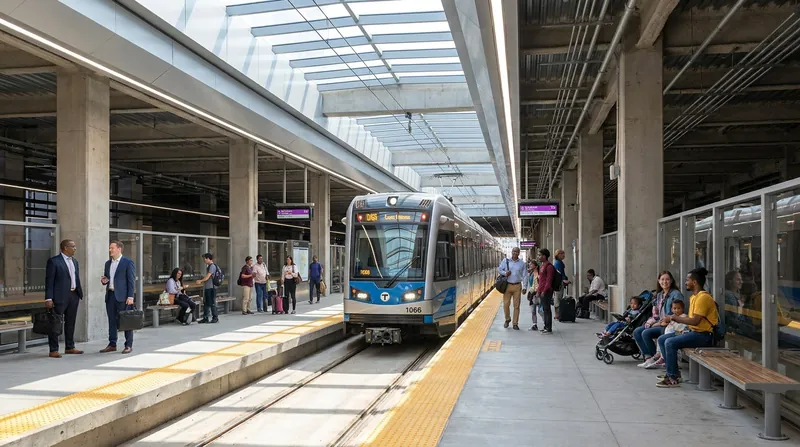
The Climate-Shifted Vacation: 'Coolcations' and 'Noctourism' Reshape Global Travel to Avoid Extreme Heat
4 sources
Overtourism Solutions
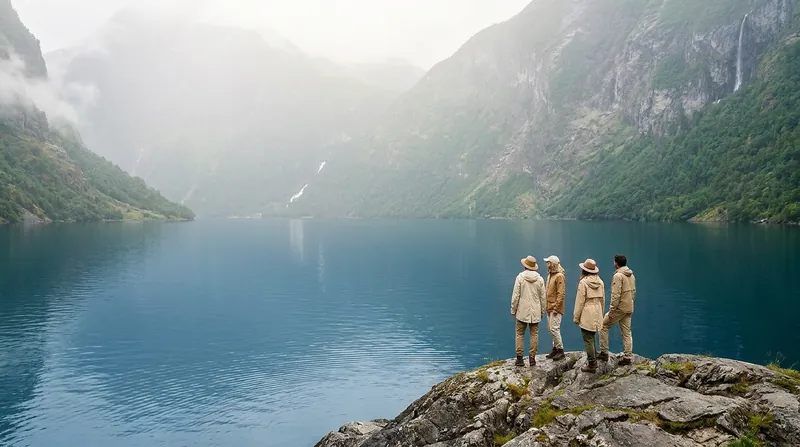
The Global Tourist Tax: How Cities Are Using Financial and Physical Barriers to End Mass Tourism
4 sources
Aviation Tech
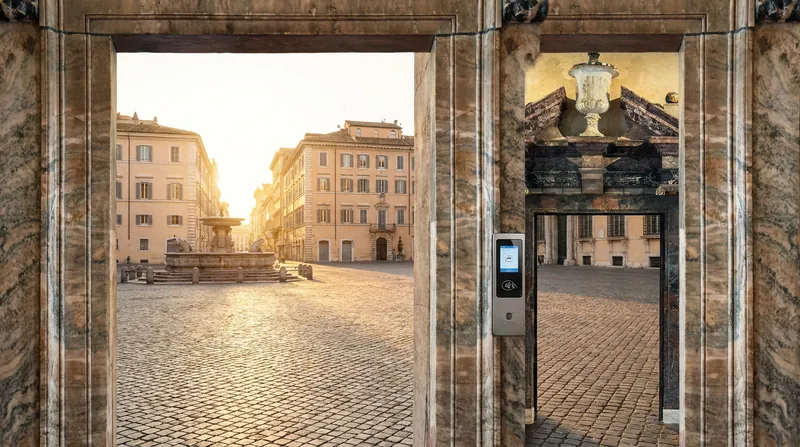
The Science of Ultra-Long-Haul: How Aviation is Reengineering the 20-Hour Flight
2 sources
Night Train Revival
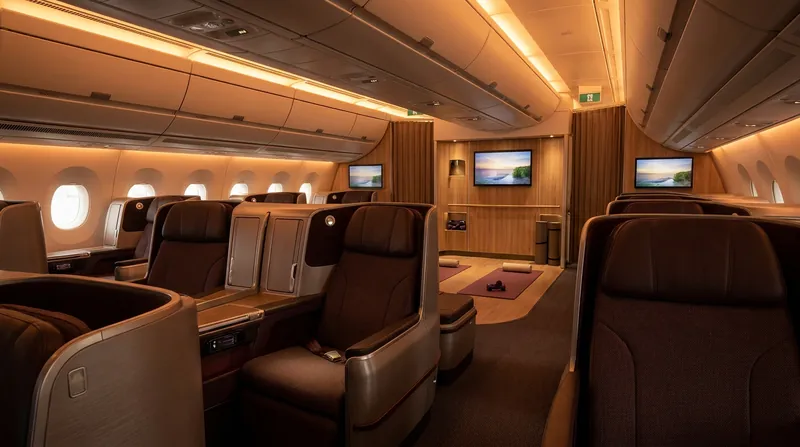
The European Sleeper Train Renaissance Accelerates With Major New Routes in 2026
2 sources
Comments
Every angle. Every day.
Get Lifestyle stories with full source coverage and perspective breakdowns, free every day.