
Powerful Iran-Aligned Militia Kataib Hezbollah Openly Rejects Iraqi PM's Disarmament Deadline
Iraqi Prime Minister Ali al-Zaidi's mandate to bring all armed factions under state control by September 30 is facing fierce resistance from hardline militias. Kataib Hezbollah has explicitly refused to disarm, setting the stage for a major political and security crisis in Baghdad.

- Iraqi Federal Government
- Argues that a state monopoly on weapons is essential for national sovereignty, economic investment, and preventing Iraq from being dragged into regional wars.
- Hardline Resistance Factions
- Maintains that their weapons are necessary to defend Iraq against foreign occupation and external threats, refusing to disarm until all US forces leave.
- Regional & International Partners
- Demands immediate, verifiable action from Baghdad to halt cross-border militia attacks, threatening further retaliatory strikes and economic isolation if the state fails.
- Pragmatic Political Blocs
- Favors a gradual, negotiated integration of militias to avoid a destabilizing civil conflict, viewing the deadline as a flexible milestone rather than a hard limit.
Perspectives this story doesn't cover
- Iraqi civilian population caught in potential crossfire
- Sunni and Kurdish minority groups observing the Shia intra-factional dispute
The competing cases
Option 1: Strict Enforcement of the Deadline
Proceeding with military and legal action against holdout militias under the Anti-Terrorism Law on October 1.
For: Establishes a genuine state monopoly on violence; satisfies international partners demanding security guarantees; unlocks foreign investment by stabilizing the security environment. Against: Risks triggering a widespread internal conflict; Iraqi security forces may fracture or refuse orders to fire on PMF units, as seen in the aborted July raid on Harakat al-Nujaba. Evidence: The State Administration Coalition has laid the legal groundwork by threatening to use the Anti-Terrorism Law, and 20 PMF fighters have already been killed in international retaliatory strikes, highlighting the cost of inaction. Fits well when: The state possesses overwhelming military superiority and unified command over its security apparatus. Does not fit when: Militias maintain parallel command structures deeply embedded within the state's own security forces.
Option 2: Extending the Deadline and Accommodation
Delaying the September 30 mandate to allow for gradual integration and negotiated political settlements.
For: Avoids immediate kinetic confrontation and preserves fragile domestic peace; keeps the ruling Shia Coordination Framework politically unified; allows time for the scheduled US coalition withdrawal to potentially reduce militia grievances. Against: Signals capitulation to non-state actors; risks severe economic consequences, including potential sanctions that could target the 90% of the state budget reliant on oil revenues; allows militias to further entrench. Evidence: Political analysts close to the Coordination Framework suggest the deadline is 'flexible,' and some factions are already attempting to circumvent the process by handing over inoperable weapons to feign compliance. Fits well when: The government needs to buy time to build its own military capacity and economic resilience without sparking a civil war. Does not fit when: International partners demand immediate, verifiable security guarantees to prevent imminent cross-border attacks.
Iraqi Prime Minister Ali al-Zaidi's mandate to bring all armed factions under state control by September 30 is facing open defiance from the country's most powerful Iran-aligned militias. Kataib Hezbollah has explicitly rejected the disarmament deadline, with its secretary-general, Abu Hussein al-Hamidawi, pledging instead to expand the group's arsenal and "hold firmly to the weapons of the resistance." The standoff presents the first major test for al-Zaidi's government, which took office in May 2026 promising to establish a genuine state monopoly on violence.[1][2]
The disarmament initiative coincides with the scheduled withdrawal of the US-led anti-ISIS coalition, a timeline Baghdad hoped would remove the primary justification for the militias' continued existence. In a bid to enforce compliance, Iraq's governing State Administration Coalition—which includes Shia, Sunni, and Kurdish blocs—announced that any armed activity outside state authority after the September 30 deadline will be prosecuted under the nation's Anti-Terrorism Law. Officials have publicly insisted there is "no turning back" from the policy, framing it as essential for community security and foreign investment.[2]
The militia landscape has fractured in response to the ultimatum. While groups such as Saraya al-Salam, Asaib Ahl al-Haq, and the Imam Ali Battalions have signaled a willingness to integrate into official state security structures, hardline factions remain unyielding. Alongside Kataib Hezbollah, Harakat al-Nujaba and Kataib Sayyid al-Shuhada have refused to relinquish their military capabilities, arguing that disarmament must be contingent upon the complete departure of foreign forces and guarantees against external attacks.[1][3]
The domestic standoff is heavily compounded by regional hostilities. In late July, following drone strikes on Saudi Arabian oil facilities that were launched from Iraqi territory, coordinated US-Saudi retaliatory airstrikes targeted militia sites across Iraq, killing at least 20 Popular Mobilization Forces (PMF) fighters. These cross-border attacks have severely strained Baghdad's diplomatic relations, prompting warnings from neighboring states that they will conduct further military operations if Iraq cannot secure its own borders.[2]
The domestic standoff is heavily compounded by regional hostilities.
The economic stakes for Baghdad are equally severe. Iraq relies on oil revenues for more than 90 percent of its state budget, but regional maritime disruptions have already slashed exports from 3.3 million barrels per day down to roughly 600,000. Political analysts warn that failure to rein in the militias could invite international sanctions or a ban on oil exports, effectively crippling the Iraqi economy and derailing al-Zaidi's ambitious infrastructure and investment plans.[1][2]
Despite the government's firm rhetoric, its ability to physically enforce the deadline remains in question. A recent attempt by Iraqi federal forces to raid a Harakat al-Nujaba facility in Baghdad's Jurf al-Naddaf district collapsed when PMF leadership intervened, forcing the army units to pull back. The aborted operation exposed the deep structural challenges of confronting groups that operate as hybrid entities—officially part of Iraq's security architecture, yet retaining independent chains of command and close ties to Iran's Revolutionary Guard Corps.[2]
As the deadline approaches, members of the ruling Shia Coordination Framework have begun to signal that the September 30 date may be "flexible," suggesting a preference for extended dialogue over kinetic confrontation. However, delaying the mandate risks signaling capitulation to non-state actors and failing to provide the security guarantees demanded by Iraq's international partners, leaving al-Zaidi to navigate a narrow path between state collapse and open internal conflict.[1]
The coming weeks will determine whether Baghdad can successfully absorb the cooperative factions while applying enough political and financial pressure to isolate the holdouts. With both domestic stability and regional security hanging in the balance, the Iraqi government must decide whether to enforce its legal ultimatum or accept a compromised sovereignty.[1]
Sources
Source coverage
3 outlets
4 viewpoints surfaced



- [1]Al JazeeraPragmatic Political Blocs
Iraq faces crisis as Shia armed groups defy disarmament
Read on Al Jazeera → - [2]Arab NewsIraqi Federal Government
Can Iraq rein in Iran-backed armed factions before Sept. 30 deadline?
Read on Arab News → - [3]RudawHardline Resistance Factions
Iraq must maintain armed factions until foreign forces leave: ISCI
Read on Rudaw →
Comments
More in World
See all →Makkah Pact
Saudi Arabia Intercepts Six Houthi Missiles as France Joins Makkah Pact Response
6 sources
Poverty Rate
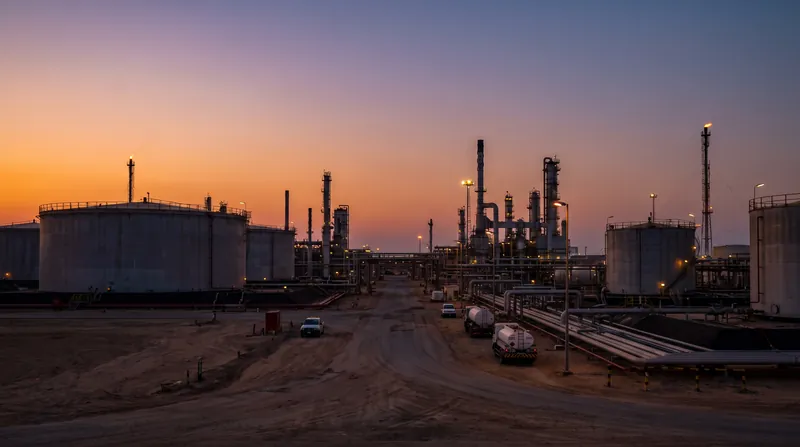
Argentina's Poverty Rate Jumps to 32.3%, Marking First Increase Under Milei
5 sources
Italian Education
Italy Bans Burqas in Schools and Caps Foreign Student Enrollment per Classroom
6 sources

Defense Modernization
Germany Receives First F-35A, Beginning €10 Billion Shift to Stealth Airpower and NATO Nuclear Role
2 sources
Every angle. Every day.
Get World stories with full source coverage and perspective breakdowns delivered to your inbox.