
UAE Imposes Indefinite Trade Embargo on Iran Following Alleged Missile Attacks
The United Arab Emirates has suspended all commercial and financial transactions with Iran after accusing Tehran of firing two ballistic missiles toward its territorial waters. Iran has denied the allegations, labeling the incident a 'false flag operation' amid broader regional conflict.

The United Arab Emirates has enacted an indefinite and sweeping trade embargo on Iran, suspending all commercial exchanges and financial transactions. The economic rupture follows accusations from Abu Dhabi that Tehran fired two ballistic missiles toward Emirati territorial waters, marking a severe escalation in Gulf tensions.[1][2]
The UAE Ministry of Defense reported that its air defense systems detected the incoming projectiles, stating that one missile fell outside the country's territorial waters while the second landed within them. The incident prompted emergency phone alerts warning UAE residents of a "potential missile threat."[1][3]
Afra al-Hameli, Director of the Strategic Communications Department at the UAE Ministry of Foreign Affairs, formally announced the suspension. She cited "regional escalations that undermine regional and international peace and security" as the catalyst for the immediate halt of all economic ties.[2][6]
Iran has vehemently denied the allegations. Foreign Ministry spokesman Esmaeil Baghaei dismissed the UAE's claims as "baseless," suggesting the missile incident was a "false flag operation" designed to justify further aggression against Tehran amid its broader conflict with the United States and Israel.[4][5]
The economic stakes of the embargo are massive. Dubai has historically served as a critical logistics and financial conduit for Iran, helping the heavily sanctioned nation access international markets. Approximately $21 billion worth of imports flow through the UAE to Iran annually.[2]
By severing this lifeline, Abu Dhabi is applying unprecedented economic pressure. Analysts note that the UAE's financial system, including its free trade zones and currency exchanges, has been essential for maintaining Iran's "survival economy."[2][6]
The embargo marks a significant shift in Gulf geopolitics. While the UAE has previously maintained pragmatic, back-channel trade ties with Iran despite political differences, the direct targeting of maritime navigation appears to have crossed a definitive red line for the Emirati leadership.[3][6]
This escalation occurs against the backdrop of a collapsed 60-day ceasefire negotiation between the US and Iran. With the Strait of Hormuz already facing severe disruptions, the UAE's decision to weaponize its trade relationship signals a volatile new phase in the regional conflict.[2][5]
The immediate fallout will likely ripple through global energy and shipping markets. As both nations brace for the economic and security consequences, the suspension of the UAE-Iran financial corridor removes one of the last remaining diplomatic buffers in an increasingly polarized Middle East.[1][2]
Viewpoints in depth
The UAE's Embargo Strategy
Prioritizing national sovereignty and maritime security by severing Iran's primary financial lifeline.
FOR: Protects Emirati sovereignty, signals zero tolerance for attacks on maritime navigation, and cuts off a major financial conduit that allows Iran to circumvent Western sanctions. AGAINST: Costs Dubai's re-export market billions in halted trade and risks provoking direct, asymmetric retaliation against critical UAE energy infrastructure. EVIDENCE: The UAE Ministry of Defense confirmed tracking two ballistic missiles targeting maritime traffic. With approximately $21 billion in annual imports flowing through the UAE to Iran, the embargo exerts immediate, crippling pressure on Tehran's 'survival economy.' FITS WELL WHEN: The UAE has alternative trading partners, robust air defense systems, and strong security backing from the US and Israel to deter further escalation. DOES NOT FIT WHEN: Iran decides it has nothing left to lose economically and escalates by directly targeting Emirati ports or desalination plants.
Iran's 'False Flag' Narrative
Denying involvement and framing the missile accusations as a coordinated conspiracy to justify economic warfare.
FOR: Deflects international blame, attempts to maintain the diplomatic high ground, and rallies domestic support against perceived US, Israeli, and Emirati conspiracies. AGAINST: Lacks credibility given the radar tracking of missile trajectories and fails to prevent the severe, immediate economic consequences of the UAE's trade suspension. EVIDENCE: Foreign Ministry spokesman Esmaeil Baghaei categorically rejected the claims as 'baseless,' warning that the accusations contradict the principle of good neighborliness and undermine regional trust. FITS WELL WHEN: Iran needs to avoid triggering a broader, direct military conflict with the US while maintaining a posture of resistance. DOES NOT FIT WHEN: The resulting economic isolation from Dubai's financial hubs severely destabilizes the Iranian currency and domestic supply chains.
Key points
- The UAE has indefinitely suspended all trade and financial transactions with Iran.
- The embargo follows UAE Defense Ministry reports of two Iranian ballistic missiles targeting maritime navigation.
- Iran categorically denies launching the missiles, labeling the incident a 'false flag operation.'
- The suspension cuts off a critical $21 billion annual trade conduit for Iran's heavily sanctioned economy.
What we don’t know
- Whether Iran will retaliate against the trade embargo by targeting UAE infrastructure or closing the Strait of Hormuz.
- How long the UAE intends to maintain the 'indefinite' suspension of financial transactions.
- The exact origin point and intended targets of the two ballistic missiles detected by the UAE.
- UAE Security Establishment
- Prioritizes national sovereignty and maritime security over maintaining lucrative re-export markets.
- Iranian Foreign Ministry
- Denies involvement in the missile strikes, framing the accusations as a coordinated conspiracy.
- Regional Economic Analysts
- Focuses on the severe destabilization of Iran's economy and the cost to Dubai's logistics sector.
Perspectives this story doesn't cover
- Iranian civilian importers
- Dubai-based logistics companies
- Global shipping operators
Sources
Source coverage
6 outlets
3 viewpoints surfaced






- [1]The HinduRegional Economic Analysts
UAE accuses Iran of firing ballistic missiles at its territory
Read on The Hindu → - [2]Kurdistan 24UAE Security Establishment
UAE Halts All Trade, Commercial, and Financial Transactions With Iran Until Further Notice
Read on Kurdistan 24 → - [3]Muscat DailyUAE Security Establishment
UAE imposes indefinite trade embargo on Iran after missile incident
Read on Muscat Daily → - [4]Egypt TodayIranian Foreign Ministry
The United Arab Emirates has suspended all commercial activities, trade exchanges, and financial transactions with Iran
Read on Egypt Today → - [5]BD PratidinIranian Foreign Ministry
UAE imposes indefinite trade embargo on Iran over alleged missile attacks
Read on BD Pratidin → - [6]India TodayUAE Security Establishment
UAE halts all trade, financial ties with Iran after Tehran missile scare
Read on India Today →
More in World
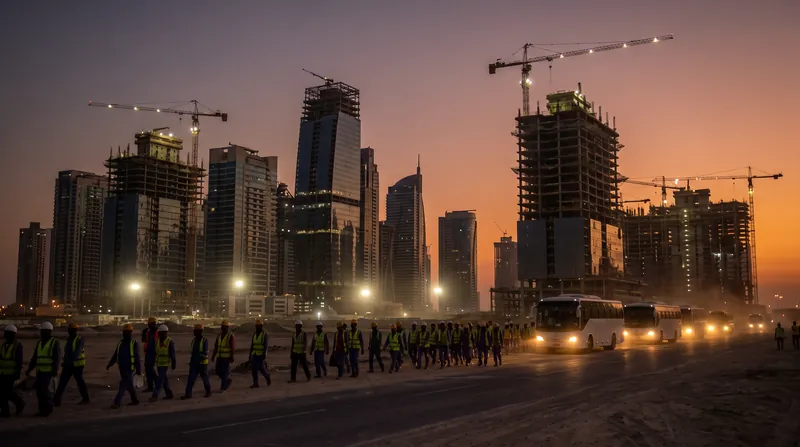
See all →Kafala System
The Sponsorship Requirement and the Exit Permit: How the Kafala System Structures Migrant Labor in the Gulf
7 sources
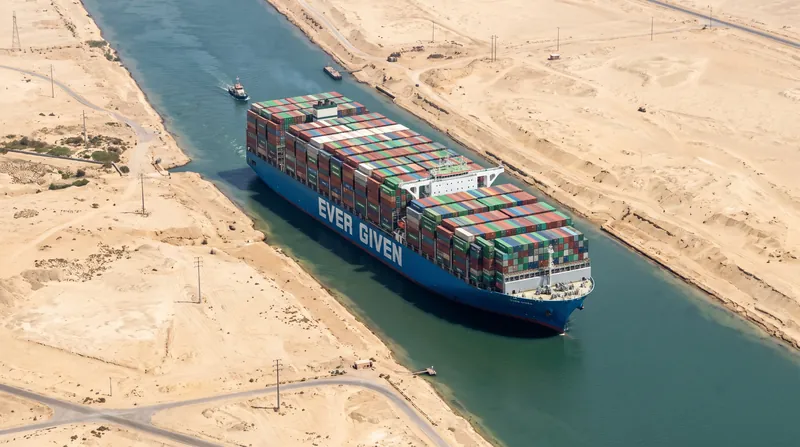
Maritime Chokepoints
The 193.3-Kilometer Length and 205-Meter Width: How the Suez Canal's Physical Constraints Dictate Global Shipping Traffic
7 sources
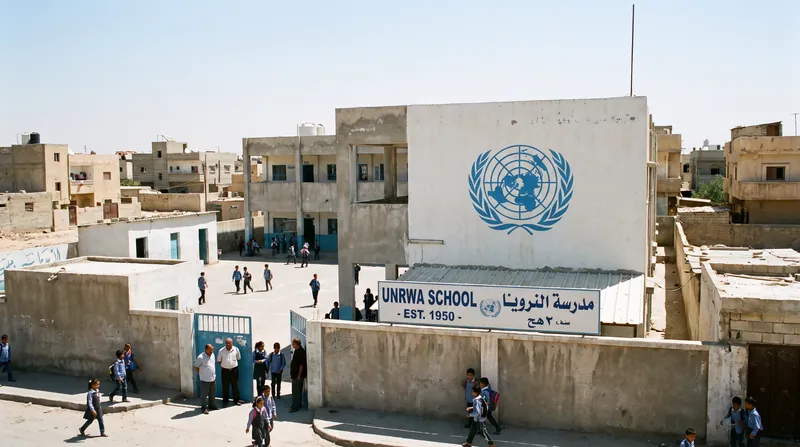
UN Agencies
The 5.9 Million Registered Persons and the Hereditary Mandate: How UNRWA's Definition of a Refugee Differs From UNHCR's
7 sources
Militia Disarmament
Baghdad's Choice Before the US Withdrawal: Full Militia Disarmament or a Four-Year Compromise
7 sources
Comments
Every angle. Every day.
Get World stories with full source coverage and perspective breakdowns, free every day.