
Optical Turbidity Sensors Misread Pre-Rinsed Dishes, Shortening Wash Cycles and Freeing Alkaline Detergents to Etch Glassware
Modern dishwashers rely on optical sensors to measure water cloudiness and adjust cycle lengths automatically. When users pre-rinse their plates, the sensor detects clear water and shortens the wash, leaving highly concentrated alkaline detergent to permanently etch and cloud the glassware instead of breaking down food.

In short
- Modern dishwashers use optical turbidity sensors to measure water cloudiness, shortening the wash cycle if dishes are pre-rinsed.
- Without food soils to break down, highly alkaline dishwasher detergents aggressively attack the silica structure of glassware instead.
- This chemical reaction extracts metal ions from the glass, causing irreversible microscopic pits known as glass etching.
The person loading the dishwasher tonight holds the ultimate deciding vote over the lifespan of their glassware. By meticulously scrubbing every dinner plate clean before placing it on the rack, they inadvertently trigger a cascade of unseen chemical and mechanical reactions. This well-intentioned habit permanently ruins their favorite glasses.
Modern dishwashers operate far differently than the loud, mechanical, timer-based appliances of the past. Today's sleek machines rely on an optical turbidity sensor located near the sump pump to continuously monitor the wash water. This small, glowing device dictates the entire rhythm of the evening's cleaning cycle.[3]
The turbidity sensor functions by shining a light-emitting diode through the water toward a photodetector positioned at a 180-degree angle. As hot water circulates, suspended food particles scatter and absorb the light beam. The sensor measures this light attenuation to calculate the exact concentration of floating debris.[3]
Operating within a highly sensitive detection range of 100 to 4,000 Nephelometric Turbidity Units, the sensor provides real-time feedback to the machine's microprocessor. High turbidity signals a heavily soiled load, prompting the dishwasher to extend the wash time. It may also increase the water temperature to melt away stubborn grease.[3]
Conversely, when a user thoroughly pre-rinses their dishes at the sink, the water inside the tub remains remarkably clear. The turbidity sensor reads this high light transmission and immediately alters the program. Assuming the load requires minimal effort, the microprocessor shortens the cycle to conserve water and electricity.[3]
This shortened cycle creates a severe chemical imbalance inside the stainless steel tub. Despite the abbreviated wash time, the dishwasher still deploys the full, pre-measured dose of detergent into the water. This introduces a massive concentration of cleaning agents into an environment that simply does not need them.[4]
The Chemical Payload
Modern dishwasher detergents are highly alkaline and packed with powerful chelating agents. These chemicals are specifically formulated to seek out and bind to calcium, heavy grease, and complex food proteins. They require a heavy organic soil load to safely neutralize their aggressive chemical energy.[4]
When the detergent enters a machine filled with pre-rinsed dishes, it finds absolutely no food soils to attack. The highly concentrated alkaline solution becomes overly aggressive in the clean, hot water. With no organic matter to break down, the detergent turns its destructive focus toward the glassware.[1]
The alkaline wash solution begins extracting metal ions, such as calcium and magnesium, directly from the silica structure of the glass. This chemical extraction creates microscopic pits and scratches across the smooth surface of the glassware. The glass is literally being eaten away by the soap.[2]
Over time, these tiny abrasions accumulate and overlap, resulting in a cloudy, iridescent film that covers the entire glass. This phenomenon is known in the appliance industry as glass etching. It is a slow, cumulative process that often goes unnoticed until the damage is severe and highly visible.
Unlike hard water stains or chalky limescale buildup, which sit on top of the glass and can be dissolved with vinegar, etching is permanent structural damage. The physical surface of the glass has been permanently altered. No amount of scrubbing, soaking, or polishing will restore the original clarity.[1]
The Soft Water Catalyst
Homes equipped with mechanical water softeners face an exponentially higher risk of severe glass etching. Soft water lacks the natural calcium and magnesium minerals that typically buffer alkaline detergents. Without these dissolved minerals floating in the water supply, the detergent becomes exceptionally reactive.[1][2]
In a soft water environment, the chelating agents are starved for metal ions to bind with. If the dishes are also pre-rinsed, the detergent has neither food nor water hardness to neutralize it. It aggressively targets the only available mineral source: the delicate silica compounds in the glassware.[2][4]
High water temperatures further accelerate this destructive chemical reaction. Dishwashers operating above 140 degrees Fahrenheit provide the intense thermal energy needed for the alkaline detergent to rapidly dissolve the glass structure. The combination of high heat, soft water, and zero food soil creates a perfect storm for etching.[1]
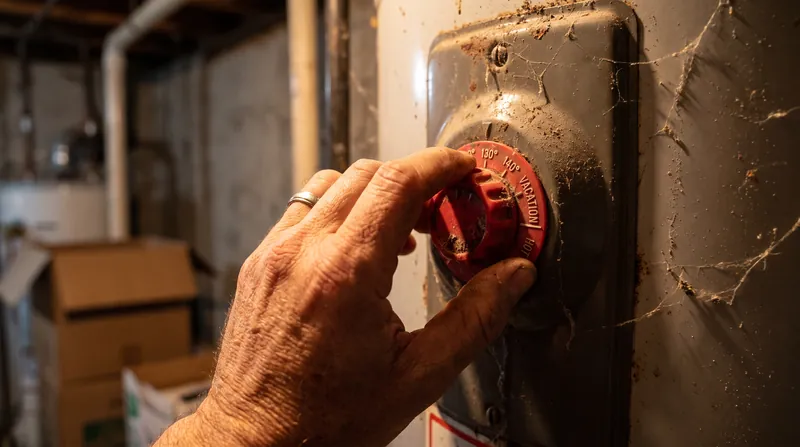
Lowering the water temperature significantly reduces the rate of metal ion extraction. Many appliance manufacturers recommend ensuring the hot water supply entering the machine stays between 120 and 140 degrees Fahrenheit. This range is hot enough to dissolve dinner grease but cool enough to protect delicate crystal.[1]
Consumers can perform a simple, hands-on diagnostic test to determine if their cloudy glasses are etched or simply coated in hard water scale. By rubbing a small amount of fresh lemon juice or white vinegar onto the cloudy surface, the acid will immediately dissolve any mineral buildup.[4]
If the vinegar leaves the glass perfectly clear, the cloudiness was merely a temporary limescale deposit. If the spot remains opaque and unchanged after the acid treatment, the glass has suffered permanent etching. The silica structure has been compromised beyond repair, and the glass will remain permanently foggy.[1]
Reversing the Habit
The most effective way to protect glassware from etching is to completely abandon the habit of pre-rinsing at the sink. Scraping off large, solid chunks like chicken bones or fruit pits is necessary to prevent physical clogs in the filter. However, leaving sauces, oils, and small particles on the plates is crucial.[1]
This residual food gives the alkaline detergent a proper target to attack. The organic matter neutralizes the harsh chelating agents, safely expending their chemical energy on the soil rather than the glass. The leftover dinner acts as a sacrificial buffer that spares the delicate silica structure.[4]
Leaving food on the plates also ensures the optical turbidity sensor functions exactly as designed. The murky water triggers the appropriate cycle length and temperature, allowing the machine to wash thoroughly. The sensor relies on dirty water to justify the use of the detergent.[3]
Users can also mitigate etching by manually adjusting their detergent dosage based on their specific water hardness and soil levels. Using significantly less detergent in soft water environments prevents the dangerous over-concentration of chelating agents. This requires moving away from convenient, pre-measured pods.[2]
Powder or liquid detergents offer the precise volumetric control needed to match the soap to the load. A lightly soiled load in soft water may only require a single tablespoon of powder to achieve a perfect clean. Dumping a highly concentrated pod into the same load guarantees excess alkalinity.[2]
The next time the dishwasher door opens, the condition of the glasses will reflect the exact balance of chemistry and sensor logic inside the tub. Leaving a smear of sauce on a dinner plate is not a sign of laziness. It is the precise chemical buffer required to keep the machine's sensors accurate and the glassware perfectly clear.
How we did this
- Method
- Synthesised the operational parameters of optical turbidity sensors with the chemical reactivity of alkaline dishwasher detergents to map the exact sequence of events that causes glass etching.
- What we found
- Pre-rinsing dishes triggers a dual failure: it tricks the optical sensor into shortening the wash cycle while leaving highly concentrated alkaline detergent with no food soils to break down, forcing the chemical to attack and permanently etch the silica structure of the glassware instead.
- What we worked from
- Turbidity sensor cycle-shortening trigger: Low suspended particle concentration — MDPI Sensors
- Alkaline detergent target in absence of food: Metal ions in glass structure — Miele
- Limits of this analysis
- The exact rate of etching depends on the specific detergent formulation, water hardness, and wash temperature, meaning not all pre-rinsed loads will etch glassware at the exact same speed.
Jargon, explained
- Turbidity Sensor
- An optical device inside a dishwasher that measures water cloudiness to automatically adjust the length and temperature of the wash cycle.
- Glass Etching
- Permanent structural damage to glassware caused by alkaline detergents extracting metal ions from the glass, resulting in a cloudy appearance.
- Alkaline Detergent
- A highly basic chemical cleaning solution designed to aggressively break down grease and food proteins.
- Chelating Agents
- Chemical compounds in detergents that bind to metal ions like calcium and magnesium to soften water and remove food soils.
- Soft Water
- Water that has a low concentration of dissolved minerals, making detergents highly reactive and more likely to attack glassware.
Common questions
Why do my glasses look cloudy after washing?
Cloudiness is typically caused by either hard water mineral deposits or permanent glass etching. If wiping the glass with vinegar removes the film, it is hard water scale; if it remains cloudy, the glass has been permanently etched by alkaline detergent.
Should I rinse my dishes before putting them in the dishwasher?
No. You should only scrape off large, solid food chunks. Leaving sauces and small food particles on the plates gives the alkaline detergent something to break down, preventing it from attacking and etching your glassware.
Do dishwasher pods cause glass etching?
Pre-measured pods can contribute to etching if you have soft water or lightly soiled loads, because they deliver a massive, fixed dose of detergent. Switching to powder or liquid allows you to use less soap when the water is soft or the dishes are mostly clean.
Can I fix glasses that have already been etched?
No. Glass etching is permanent structural damage caused by the removal of metal ions from the silica. Unlike hard water stains, the physical surface of the glass has been scratched and pitted, and it cannot be restored.
Competing readings
Appliance Engineers
Focus on maximizing water and energy efficiency through automated sensor logic.
Appliance engineers design turbidity sensors to strictly minimize resource waste. By programming the microprocessor to shorten cycles when the water runs clear, they ensure the dishwasher meets stringent energy efficiency standards. From an engineering perspective, pre-rinsing defeats the machine's core logic, forcing it to optimize for a clean load while the user expects a heavy-duty wash.
Detergent Chemists
Focus on formulating powerful chemicals that break down stubborn food soils.
Chemical formulators design dishwasher detergents to be highly alkaline and rich in chelating agents, ensuring they can dissolve baked-on grease and proteins. Chemists rely on the presence of food soils and water hardness to buffer these aggressive compounds. When users remove the food through pre-rinsing, the chemical payload has no organic target, leaving the highly reactive solution to attack the silica structure of the glassware.
Consumer Advocates
Focus on practical household habits and the longevity of kitchen goods.
Consumer advocates emphasize the financial and practical cost of ruined glassware. They argue that decades of marketing have conditioned users to pre-wash their dishes, creating a disconnect between human habits and modern appliance technology. Advocates push for better consumer education, urging households to trust their machines, use less detergent, and rely on powder rather than fixed-dose pods to protect their investments.
- Appliance Engineers
- Focus on maximizing water and energy efficiency through automated sensor logic.
- Detergent Chemists
- Focus on formulating powerful chemicals that break down stubborn food soils.
- Consumer Advocates
- Focus on practical household habits and the longevity of kitchen goods.
Perspectives this story doesn't cover
- Glassware Manufacturers
- Municipal Water Treatment Facilities
Sources
Source coverage
4 outlets
3 viewpoints surfaced




- [1]WhirlpoolConsumer Advocates
How to Prevent Etching Glasses in the Dishwasher
Read on Whirlpool → - [2]MieleConsumer Advocates
Dishwasher Care: Filming and Streaking
Read on Miele → - [3]MDPI SensorsAppliance Engineers
Turbidity Measurement Techniques in Appliance Sensors
Read on MDPI Sensors → - [4]Factlen Editorial TeamConsumer Advocates
Synthesis by Factlen editorial team
Read on Factlen Editorial Team →
More in Lifestyle
See all →Surface Disinfection
The 10-Minute Contact Time: How Disinfectants' Efficacy Depends on the Minimum Wetness Duration
7 sources

Product Safety
CPSC Expands Recall of 245,000 Toys Over Accessible Button Cell Batteries and Ingestion Risk
5 sources
Fabric Care
Cold Water vs. Hot Water Laundry: Why Enzyme Chemistry Outperforms Thermal Energy
4 sources

Longevity Science
Accelerated Muscle Loss Emerges as Major GLP-1 Threat to Longevity, 76% of Health Experts Warn
4 sources

Comments
Every angle. Every day.
Get Lifestyle stories with full source coverage and perspective breakdowns, free every day.