
NHTSA Begins Rulemaking for Mandatory 'Robust and Obvious' Car Door Egress Systems
Federal regulators have launched a sweeping process to mandate obvious emergency door releases in all new vehicles, addressing the rising danger of electronic latches failing during power losses.
By Tao Yang

- Safety Advocates
- Argue that foolproof mechanical egress and clear labeling must take precedence over minimalist interior aesthetics.
- Tech-Forward Automakers
- Emphasize aerodynamic efficiency and software integration, arguing that redesigned electronic handles can meet safety needs without reverting to legacy designs.
- Consumer Watchdogs
- Focus on the immediate danger to uninformed passengers and first responders, demanding intuitive manual overrides in all vehicles.
Perspectives this story doesn't cover
- First responders who struggle to access vehicles from the outside during emergencies.
- Ride-share passengers who are unfamiliar with the emergency procedures of the cars they enter.
At a glance
- NHTSA has launched a formal rulemaking process to mandate robust and obvious emergency door releases in all new vehicles.
- The agency simultaneously denied a petition to investigate Tesla's door handles, citing a lack of existing regulations to enforce.
- Electronic flush handles improve aerodynamic range but introduce critical failure points if a vehicle loses 12-volt power.
- Traditional mechanical handles guarantee egress but disrupt exterior styling and aerodynamic efficiency.
- Final compliance with the new federal safety standard is not expected until at least 2030.
Why it matters now
As automakers increasingly replace traditional mechanical door handles with electronic latches to improve aerodynamics, passengers risk being trapped during a total power loss. This federal rulemaking will dictate how you and your family exit your next vehicle in an emergency.
The National Highway Traffic Safety Administration has officially initiated a sweeping rulemaking process that could fundamentally alter how Americans exit their vehicles. On July 24, 2026, the agency granted a petition to mandate a robust and obvious door egress system across all new motor vehicles. The decision arrives as the automotive industry grapples with the unintended consequences of electronic door handles—sleek, aerodynamic designs that rely on electrical power to unlatch. While NHTSA simultaneously denied a specific defect investigation into Tesla's Model 3, citing a lack of existing regulations regarding the labeling of manual releases, the agency explicitly acknowledged a critical regulatory gap. Current federal standards focus on keeping doors closed during a crash, but they do not dictate how easily a passenger can open them if the vehicle's 12-volt battery dies.[2][4]
The catalyst for this federal intervention is a growing body of evidence linking electronic door failures to severe injuries and fatalities. When a modern electric vehicle loses power following a collision, the electronic latches can freeze, trapping occupants inside. A recent Bloomberg investigation documented at least 15 deaths in crashes where passengers or first responders were unable to open the doors of burning vehicles. In many of these cases, the vehicles possessed mechanical backup releases, but they were hidden beneath plastic panels or located in unintuitive spots that panicked passengers could not find in the dark. This has forced the industry into a stark design divergence, requiring consumers to weigh the trade-offs between two distinct approaches to vehicle egress.[3][8]
When evaluating the modern electronic flush door handle, the trade-off analysis reveals clear priorities. For this design, the primary advantage is aerodynamic efficiency. By sitting completely flush with the vehicle's body, these handles reduce drag, which can marginally improve an electric vehicle's highway range by up to 5 percent. They also enable seamless software integration, allowing doors to present themselves automatically as the driver approaches. Against this approach is the introduction of a critical failure point during total power loss, combined with manual overrides that are often concealed to preserve interior aesthetics. Evidence of this drawback is visible in vehicles like the Rivian R1S, where backseat passengers must remove a plastic panel to access a hidden pull cord. This electronic-first design fits well when maximizing aerodynamic range and premium tech aesthetics are the absolute priorities. It does not fit when the vehicle frequently carries children, elderly passengers, or ride-share customers who are entirely unfamiliar with the car's hidden emergency procedures.[4][7]
Conversely, when evaluating the traditional mechanical door handle, the trade-off analysis centers on foolproof reliability. For the mechanical approach, the defining benefit is intuitive muscle memory. A physical linkage between the handle and the latch ensures that the door will open regardless of the vehicle's electrical state, and the mechanism is immediately obvious to both occupants and external first responders. Against this legacy design is the aerodynamic penalty it incurs, as protruding handles disrupt airflow and slightly reduce overall vehicle efficiency. They also lack the premium, futuristic feel that many modern EV buyers expect. Evidence supporting the mechanical approach is mounting globally; China recently finalized its GB 48001-2026 standard, which will mandate mechanical door releases on every new vehicle starting in 2027. The traditional mechanical design fits well when foolproof safety, universal usability, and rapid first-responder access are paramount. It does not fit when automakers are chasing the absolute maximum aerodynamic efficiency required to squeeze every possible mile out of a battery pack.[8]
Conversely, when evaluating the traditional mechanical door handle, the trade-off analysis centers on foolproof reliability.
The regulatory gap acknowledged by NHTSA stems from the limitations of Federal Motor Vehicle Safety Standard 206. This decades-old rule was written to ensure that door locks, latches, and hinges keep occupants safely inside a vehicle during a violent rollover or collision. However, as NHTSA noted in its recent docket, the standard contains absolutely no requirements regarding the labeling, location, or intuitive operation of a mechanical door release. Automakers have technically complied with the law while burying emergency pull cords under floor mats or inside door pockets. The new rulemaking process aims to close this loophole by defining exactly what constitutes a robust and obvious egress system, ensuring that a panicked passenger can find their way out in seconds.[2][5]
Automakers are not waiting for the federal mandate to begin pivoting. Recognizing the mounting liability and consumer backlash, several tech-forward brands are already redesigning their interiors. Tesla has reportedly begun updating its door mechanisms to combine the electronic button and the mechanical release into a single, intuitive motion, eliminating the need for passengers to hunt for a separate emergency lever. Similarly, Rivian has acknowledged the criticism of its hidden pull cords and is designing more accessible manual releases for its upcoming R2 platform. These shifts indicate that the industry is attempting to find a middle ground: retaining the aerodynamic benefits of flush exterior handles while integrating obvious, foolproof mechanical overrides on the interior.[3][4]
Despite the urgency surrounding the issue, the federal rulemaking process is notoriously slow. Michael Brooks, executive director of the Center for Auto Safety, noted that gathering data, soliciting public comments, and drafting the final language will take substantial time. Even if the process proceeds without major industry opposition, a final compliance date for manufacturers is unlikely to arrive before 2030. In the interim, the burden falls entirely on consumers and dealership staff to educate passengers about where emergency releases are located and how to operate them before an accident occurs.[1][3]
Ultimately, the NHTSA's decision marks the end of an era where interior vehicle design could prioritize minimalist aesthetics over intuitive safety. As vehicles have evolved into rolling computers, the basic mechanical functions that drivers have relied on for a century were quietly abstracted away behind software and electronic relays. The upcoming federal standard will force a correction, ensuring that no matter how advanced a vehicle's propulsion or infotainment systems become, the simple act of opening a door in an emergency remains a physical certainty rather than an electronic request.[7][8]
Different angles
Safety Advocates & Regulators
Prioritizing foolproof mechanical egress over vehicle aesthetics.
Safety organizations argue that the basic function of a door handle should never rely on a vehicle's electrical state. They point to the 15 fatalities linked to electronic latch failures as evidence that hidden manual overrides are insufficient in high-stress emergencies. This camp believes that federal standards must force automakers to make emergency releases immediately obvious to both panicked passengers and external first responders, even if it compromises interior minimalism.
Tech-Forward Automakers
Defending electronic latches for their aerodynamic and software benefits.
Manufacturers of modern electric vehicles argue that flush electronic handles are crucial for maximizing highway range and enabling smart-car features. While acknowledging the safety concerns, this camp contends that the solution lies in better engineering—such as combining electronic and mechanical releases into a single motion—rather than reverting to legacy mechanical linkages. They emphasize that electronic doors operate safely in the vast majority of scenarios and that driver education can bridge the gap for emergency situations.
Consumer Watchdogs
Highlighting the danger to uninformed passengers and ride-share users.
Consumer protection groups focus on the practical reality of vehicle occupancy. They argue that while an owner might read the manual and know where a hidden pull cord is located, a child, an elderly relative, or a ride-share passenger will not. This perspective demands that emergency egress systems be universally intuitive, requiring zero prior knowledge or instruction to operate in the dark or under duress.
Sources
Source coverage
8 outlets
3 viewpoints surfaced








- [1]AutoNocionTech-Forward Automakers
NHTSA electronic door handles emergency release rulemaking 2026
Read on AutoNocion → - [2]Insurance JournalConsumer Watchdogs
NHTSA Denies Tesla Door Defect Petition, Opens Rulemaking
Read on Insurance Journal → - [3]CarBuzzSafety Advocates
US Auto Safety Regulators To Address Electric Door Handles
Read on CarBuzz → - [4]ElectrekTech-Forward Automakers
NHTSA denies Tesla door-release defect petition, opens new door rules
Read on Electrek → - [5]AutoBodyNewsSafety Advocates
NHTSA opens rulemaking on emergency door releases
Read on AutoBodyNews → - [6]Seeking AlphaSafety Advocates
NHTSA begins rulemaking for mandatory 'robust and obvious' car door egress systems
Read on Seeking Alpha → - [7]The DriveConsumer Watchdogs
The Feds Are Finally Stepping in on Door Handles
Read on The Drive → - [8]CarScoopsConsumer Watchdogs
Tesla's Hidden Door Handle Drama Could Change Every New Car In America
Read on CarScoops →
Comments
More in Automotive & Transportation
See all →Powertrain Physics
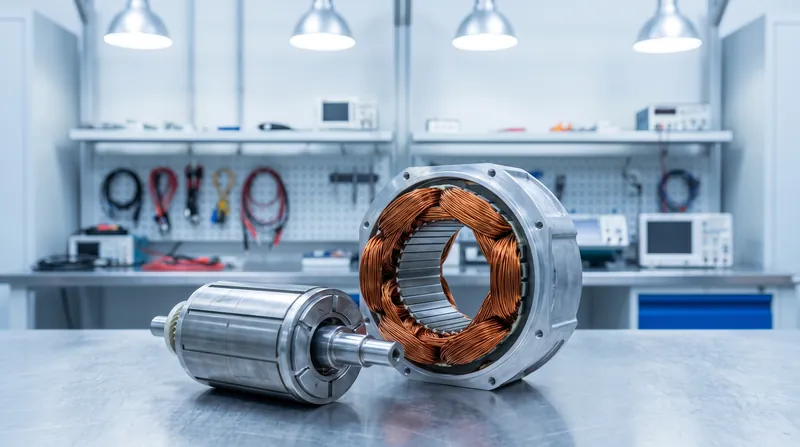
The 90 Percent Plateau: Why an Electric Motor's Efficiency Curve is Broad and Flat Compared to an Internal Combustion Engine
5 sources
EV Charging Tech
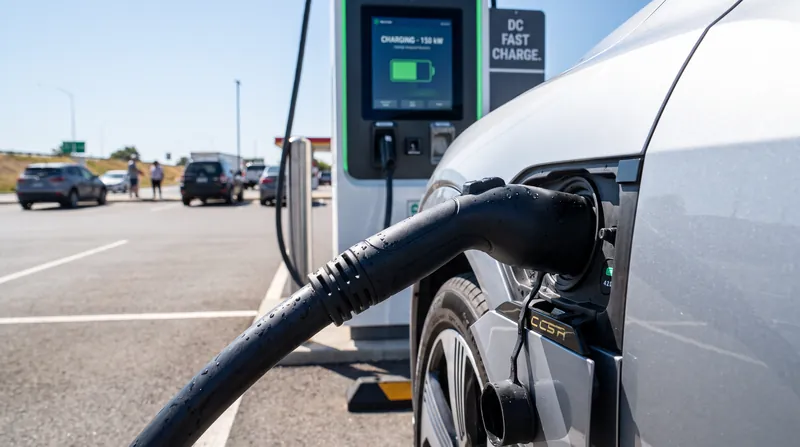
The 30-Second Rule: How the SAE J2894 Standard Defines the Maximum Time an EV Can Sustain Peak DC Fast Charging Power
6 sources
Cooling Systems
The 15 PSI Cap: How Pressurizing the Cooling System Raises the Boiling Point and Prevents Cavitation
5 sources

OBD-II Diagnostics
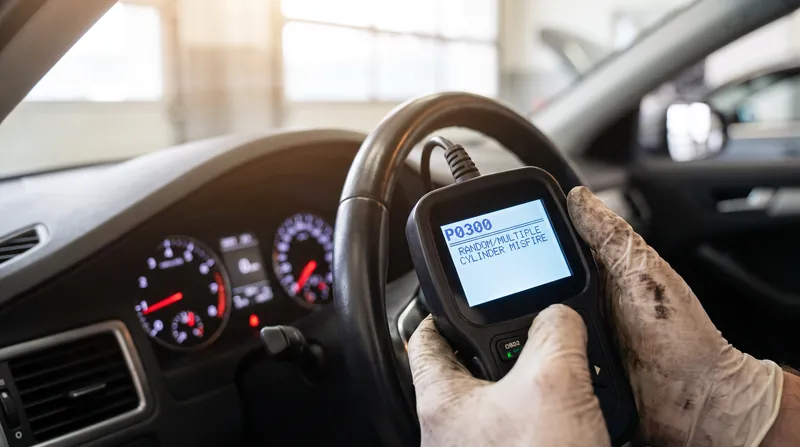
The P, B, C, and U Framework: How the First Digit of a Diagnostic Trouble Code Identifies the Vehicle System
8 sources
Every angle. Every day.
Get Automotive & Transportation stories with full source coverage and perspective breakdowns delivered to your inbox.