
National Guard Deployment in D.C. Extended to 2029 at $1.4 Billion Cost, Sparks Autonomy Fight
The Pentagon has extended the National Guard's law enforcement mission in Washington, D.C., through January 2029 at an estimated cost of $1.4 billion. The decision has intensified a political standoff over federal control and local autonomy in the nation's capital.
By Hunter Cole

- D.C. Local Government
- Views the deployment as an unconstitutional overreach and a violation of home rule, arguing the funds should be redirected to community services.
- Federal Administration
- Argues the deployment is a necessary and successful intervention that has dramatically reduced violent crime and restored order to the capital.
- Defense & Budget Watchdogs
- Focuses on the $1.4 billion price tag and the strain on military readiness, questioning the use of defense funds for prolonged domestic policing.
Perspectives this story doesn't cover
- Rank-and-file National Guard members deployed away from their home states
- Local D.C. business owners operating in heavily patrolled tourist corridors
Common questions
Why was the National Guard originally deployed to D.C.?
The initial deployment began in August 2025 after President Trump declared a crime emergency in the capital, launching the 'Safe and Beautiful Mission' to support local law enforcement.
How much will the extended deployment cost?
A Defense Department estimate projects the deployment will cost taxpayers approximately $1.4 billion through January 2029, averaging about $607 per day for each deployed service member.
Can the D.C. Mayor order the troops to leave?
No. Because Washington, D.C., is a federal district and not a state, the President acts as the direct commander-in-chief of the D.C. National Guard, bypassing local authority.
Has the deployment reduced crime in the city?
The administration credits the surge with over 16,000 arrests and a drop in crime, though local officials note that violent crime was already trending downward before the troops arrived.
The short answer
- The Pentagon has extended the National Guard deployment in Washington, D.C., through January 2029.
- A new Defense Department estimate projects the multi-year mission will cost taxpayers $1.4 billion.
- Over 4,600 troops from 24 states and territories are currently operating in the capital.
- D.C. officials strongly oppose the extension, calling it a violation of the city's local autonomy.
- The administration credits the deployment with reducing crime, while critics note crime was already falling.
Twelve months after the initial declaration of a "crime emergency" in the nation's capital, the temporary surge of National Guard troops in Washington, D.C., has quietly evolved into a multi-year military commitment. The Pentagon has finalized plans to extend the deployment through January 20, 2029, ensuring a sustained federal troop presence through the entirety of President Donald Trump's second term. What began as a rapid response has now become a fixture of the city's infrastructure, fundamentally altering the security apparatus of the District.[1][3]
The financial toll of this prolonged domestic operation is steep. A new Defense Department cost estimate, provided to Congress in response to inquiries from lawmakers, projects that maintaining the deployment will cost taxpayers approximately $1.4 billion over the next three years. This figure assumes an average sustained presence of 2,500 National Guard members operating in the city through the 2029 presidential inauguration. According to data from the Congressional Budget Office, the operation costs roughly $607 per day for each deployed service member, covering housing, food, transportation, and full-time wages.[1][2][4]
The mission, officially dubbed the "Safe and Beautiful Mission," was launched in August 2025 with an initial deployment of 800 troops. Since then, the operation has expanded significantly. As of early August 2026, more than 4,600 military personnel drawn from the D.C. National Guard and 24 other states and territories were operating in the city under a joint task force. These troops have been tasked with supporting federal and local law enforcement, conducting arrest operations, and patrolling tourist corridors such as the Tidal Basin and Georgetown.[2][3]
The extension has ignited a fierce backlash from local officials, who view the open-ended military presence as a direct assault on the heavily Democratic city's limited autonomy. Because Washington, D.C., is a congressionally established federal district rather than a state, the president serves as the direct commander-in-chief of the D.C. National Guard. This unique legal status allows the executive branch to bypass the consent of local leaders, effectively overriding the authority of Mayor Muriel Bowser and the D.C. Council.[1][2]
Because Washington, D.C., is a congressionally established federal district rather than a state, the president serves as the direct commander-in-chief of the D.C.
Local leaders argue that the deployment is an unconstitutional overreach that treats the capital like a federal territory under occupation. Officials have pointed out that the city's 700,000 residents lack voting representation in Congress and do not control their own National Guard, leaving them with few avenues to challenge the federal mandate. A lawsuit filed by the D.C. Attorney General to remove out-of-state troops was overturned on appeal, though litigation remains ongoing as the city attempts to reassert its home rule.[2][3]
Proponents of the mission, including the White House and the Justice Department, maintain that the deployment has been a resounding success. Administration officials credit the surge with transforming the city into a safer environment, pointing to data from the U.S. Marshals Service that shows over 16,000 arrests have been made since the operation began, alongside the seizure of nearly 2,000 illegal firearms. They argue that the visible presence of armed troops has deterred violent crime and restored public order.[2][3]
However, critics and civil liberties advocates dispute the administration's narrative, noting that violent crime in the District was already on a downward trajectory before the troops arrived. Overall crime has dropped by 20 percent, and homicides have fallen by 32 percent, trends that local officials attribute to community policing and social programs rather than military intervention. Opponents argue that the $1.4 billion allocated for the deployment would be better spent on healthcare, housing, and food assistance for vulnerable families.[2][4]
The prolonged deployment also raises broader questions about military readiness and resource allocation. Defense and budget watchdogs have expressed concern that committing $1.4 billion to a domestic policing mission diverts critical funds away from global strategic priorities. As the Pentagon scrambles to replenish depleted stockpiles of Patriot and THAAD interceptor missiles amid ongoing overseas conflicts, the financial and logistical strain of maintaining thousands of troops in the capital has drawn scrutiny from lawmakers on both sides of the aisle.[1][4]
Beyond the immediate financial and political disputes, the extension of the National Guard mission casts a long shadow over the upcoming election cycles. Activist groups and residents have voiced anxiety about the implications of having over 5,000 federalized troops stationed in the capital during the 2028 presidential election and the subsequent transfer of power. As the deployment stretches into its second year with no end in sight, the standoff in Washington serves as a potent symbol of the escalating tension between federal authority and local governance.[2][4]
Jargon, explained
- Home Rule Act of 1973
- A federal law that devolved certain congressional powers to a locally elected mayor and council in Washington, D.C., though Congress retains ultimate authority over the district.
- Federalized Troops
- National Guard personnel who have been called into active federal service by the President, placing them under the direct command of the Department of Defense rather than their state governor.
- Joint Task Force
- A military formation comprising elements from multiple branches or regions—in this case, National Guard units from D.C. and 24 other states—operating under a single command structure.
Sources
Source coverage
4 outlets
3 viewpoints surfaced



- [1]PBS NewsD.C. Local Government
National Guard deployment to Washington through 2029 will cost roughly $1.4 billion, estimate shows
Read on PBS News → - [2]PBS NewsD.C. Local Government
Washington grapples with a $1.4 billion National Guard deployment extension until 2029
Read on PBS News → - [3]The Washington TimesFederal Administration
National Guard to remain deployed in D.C. through 2029 inauguration
Read on The Washington Times → - [4]Factlen Editorial TeamDefense & Budget Watchdogs
Synthesis by Factlen editorial team
Read on Factlen Editorial Team →
Comments
More in Defense & Security
See all →UNSC Reform
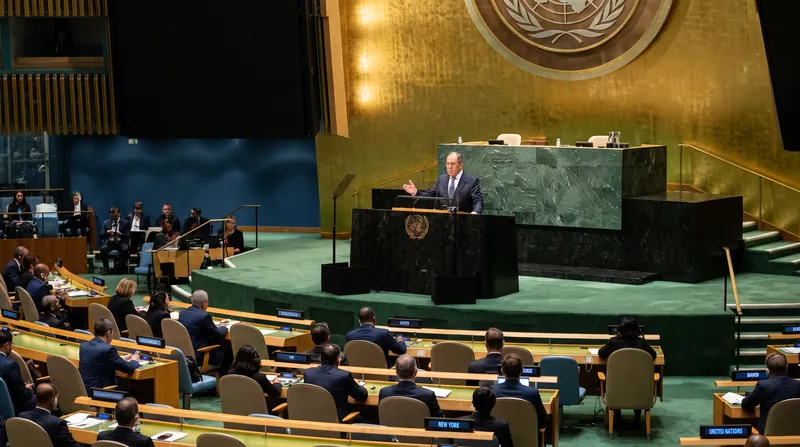
Russia Threatens UN Security Council Veto on Permanent Seats for Germany and Japan
5 sources
RouterOS Security
MikroTrick Exploit Chain Grants Unauthenticated Full Admin Access to Global MikroTik Routers
5 sources

Autonomous Warfare
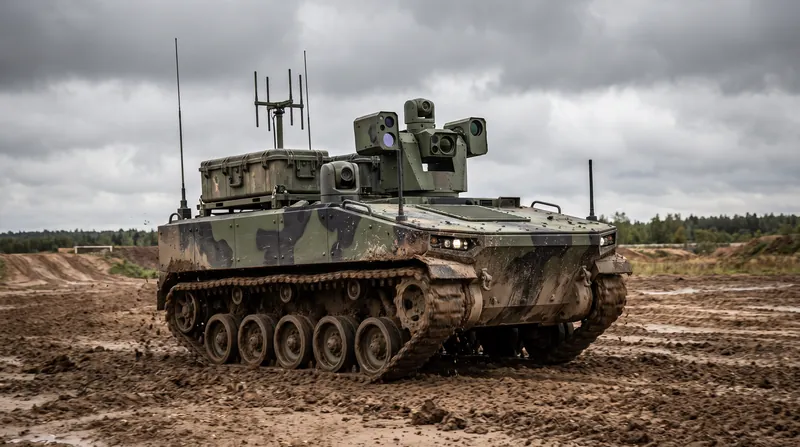
Ukraine Launches 'Army of Robots' Initiative to Replace Human Infantry with Autonomous Ground Systems
5 sources
Nuclear Modernization
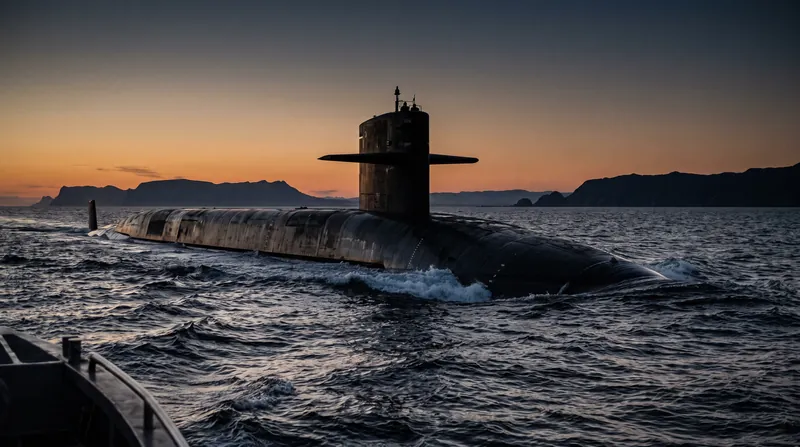
US Navy Advances W93 Nuclear Warhead into Full-Scale Engineering Development
5 sources
Every angle. Every day.
Get Defense & Security stories with full source coverage and perspective breakdowns delivered to your inbox.