
International Criminal Court Unseals Arrest Warrants for Taliban Leaders Over Gender Persecution
The Hague-based tribunal has made public warrants for four senior Taliban figures, including Supreme Leader Haibatullah Akhundzada, charging them with crimes against humanity. The move marks the first time an international court has explicitly targeted a regime's leadership for the systemic oppression of women and girls.
By Hailey Scott

On October 5, 2026, the International Criminal Court unsealed arrest warrants for four senior Taliban leaders, including Supreme Leader Haibatullah Akhundzada. The Hague-based tribunal charged the officials with crimes against humanity, specifically citing the systemic gender persecution of women and girls in Afghanistan.[1]
The unsealing marks the first time an international judicial body has explicitly targeted a de facto government's leadership for policies that institutionalize the oppression of women. Chief Justice Abdul Hakim Haqqani is also named in the warrants, alongside two other senior ministers responsible for enforcing the regime's edicts.
Prosecutors at the court requested the warrants under seal earlier this year to prevent the suspects from evading jurisdiction or destroying evidence. Pre-Trial Chamber judges authorized the unsealing this week, stating that publicizing the charges could deter further human rights violations and encourage international cooperation in securing arrests.[1][3]
The charges stem from a sweeping series of decrees issued since the Taliban regained control of Kabul in August 2021. These edicts systematically stripped Afghan women of fundamental rights, banning them from secondary and higher education, restricting their employment, and mandating strict dress codes in public spaces.[2][3]
"This is a watershed moment for international criminal justice," said a spokesperson for the UN High Commissioner for Human Rights, noting the unprecedented focus on gender-based crimes. "The international community now has a formal legal framework to address the systemic erasure of women from public life."[3]
The legal framework for gender persecution
The Rome Statute, the founding treaty of the International Criminal Court, defines gender persecution as the intentional and severe deprivation of fundamental rights contrary to international law by reason of the identity of the group. Until now, the court had rarely utilized this specific provision as a standalone charge against state-level actors.[1][4]
Court documents detail how the Taliban's Ministry for the Propagation of Virtue and the Prevention of Vice enforced these policies through arbitrary detention and physical punishment. The warrants allege that the leadership intentionally designed a system of gender apartheid, relying on mandatory male escorts for women traveling outside their homes.[2]
Legal analysts point out that prosecuting gender persecution requires proving that the deprivation of rights was both widespread and systematic. The unsealed warrants argue that the Taliban's published edicts and the strict enforcement mechanisms provide direct documentary evidence of a coordinated state policy.[2][4]
Afghanistan is a state party to the Rome Statute, having ratified the treaty in 2003. This membership grants the International Criminal Court jurisdiction over crimes committed on Afghan territory, regardless of whether the current de facto government recognizes the court's authority.[1]
The Taliban administration in Kabul has consistently rejected the jurisdiction of international tribunals, framing its policies as internal matters governed by its strict interpretation of Islamic law. The regime has not formally responded to the unsealed warrants, but previous statements have dismissed UN human rights reports as Western interference.[4]
Enforcement challenges and diplomatic stakes
Executing the arrest warrants presents a significant logistical and diplomatic challenge for the international community. The International Criminal Court does not possess its own police force and relies entirely on its 124 member states to apprehend suspects who travel into their jurisdictions.[1][3]
Because Taliban leaders rarely travel outside of Afghanistan, the immediate prospect of their arrest remains low. However, the warrants severely restrict their diplomatic mobility, as any member state they visit would be legally obligated to detain them and transfer them to The Hague.[3][4]
The legal action complicates ongoing efforts by some regional powers to normalize relations with the Taliban administration. Countries that have engaged in economic and diplomatic dialogues with Kabul must now navigate the legal implications of interacting with internationally indicted fugitives.[1]
Human rights organizations have spent years documenting the impact of the Taliban's decrees, compiling witness testimonies and satellite imagery to support the court's investigation. These groups welcomed the unsealing, arguing that public warrants validate the suffering of Afghan women and provide a foundation for future accountability.[2][3]
"The detailed evidence of school bans and punishments for supporting women's rights underpins these cases," court filings state. Prosecutors emphasized that the victims themselves provided crucial testimony, often at immense personal risk, detailing how the regime's policies dismantled their livelihoods and autonomy.[2]
Broader implications for international law
The focus on gender persecution in Afghanistan sets a legal precedent that could influence how international tribunals address systemic discrimination elsewhere. Legal scholars suggest the warrants establish that institutionalized gender oppression meets the threshold for crimes against humanity.[4]
The International Criminal Court's investigation into the Afghanistan situation has a complex history, initially encompassing allegations against all parties to the two-decade conflict, including US forces. The current prosecutor narrowed the focus in recent years to prioritize crimes committed by the Taliban and the Islamic State's regional affiliate.[1][4]
This strategic shift drew criticism from some advocates who argued it ignored historical abuses, but court officials defended the decision as a necessary allocation of limited resources. The unsealed warrants represent the most significant output of this refocused investigative strategy to date.[1][3]
The tribunal's move also places pressure on the United Nations Security Council, which has debated how to handle the Taliban's escalating restrictions. While the Security Council has issued condemnations, the formal legal charges from The Hague shift the framework from political negotiation to criminal liability.[3]
Key points
- The International Criminal Court unsealed arrest warrants for four Taliban leaders, including Supreme Leader Haibatullah Akhundzada, on October 5, 2026.
- The charges mark the first time an international tribunal has indicted a de facto government's leadership specifically for the systemic gender persecution of women.
- Prosecutors built the case on the regime's published edicts, which banned women from education and mandated strict public escorts.
- While arrests remain unlikely due to the leaders' limited travel, the warrants legally obligate all 124 ICC member states to detain them if they cross their borders.
What we don’t know
- Whether any of the 124 member states of the International Criminal Court will actively attempt to enforce the warrants if Taliban officials travel for diplomatic negotiations.
- How the unsealed indictments will affect the delivery of international humanitarian aid to Afghanistan, which requires coordination with the de facto authorities.
- If the court plans to unseal additional warrants against lower-level regional commanders responsible for enforcing the gender edicts.
How we got here
August 2021
The Taliban regains control of Kabul and begins issuing decrees restricting women's participation in public life.
March 2022
The de facto authorities formally ban girls from attending secondary schools across Afghanistan.
December 2022
The regime issues an edict prohibiting women from attending universities and working for domestic and international non-governmental organizations.
October 2026
The International Criminal Court unseals arrest warrants for four senior Taliban leaders on charges of gender persecution.
- International Legal Advocates
- Argue that the warrants establish a crucial precedent for prosecuting gender apartheid and validate the testimonies of Afghan women.
- Regional Diplomats
- Express concern that the indictments complicate practical efforts to engage with Kabul on economic stability and counter-terrorism, given the legal obligations to arrest the leaders.
- The Taliban Administration
- Rejects the court's jurisdiction entirely, framing the charges as Western interference and defending its policies as internal matters governed by Islamic law.
Perspectives this story doesn't cover
- Afghan women living inside the country unable to speak publicly
- Humanitarian aid organizations operating in Kabul
Sources
Source coverage
4 outlets
3 viewpoints surfaced




- [1]The Washington PostRegional Diplomats
ICC unseals arrest warrants for 4 Taliban leaders wanted on gender persecution charges
Read on The Washington Post → - [2]Courthouse News ServiceInternational Legal Advocates
Newly unsealed warrants detail how school bans, mandatory male escorts and punishment for supporting women underpin cases against four Afghan officials
Read on Courthouse News Service → - [3]UN NewsInternational Legal Advocates
ICC unseals four arrest warrants over Taliban persecution of women and girls
Read on UN News → - [4]The Sunday GuardianThe Taliban Administration
International Criminal Court Unseals Arrest Warrants For Four Taliban Leaders Accused Of Gender Persecution Crimes Against Humanity in Afghanistan
Read on The Sunday Guardian →

More in Law & Justice
See all →Contract Law
The Three Requirements That Must Be Met for a Contract to Satisfy the Statute of Frauds
7 sources

AI Governance
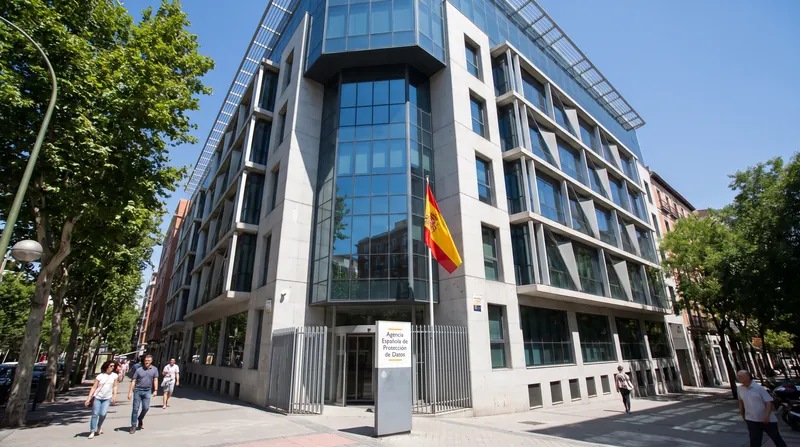
Spain's Data Protection Agency Logs First Breach Executed by an Autonomous AI Agent
5 sources
Evidentiary Rules
The Four Testimonial Infirmities That Justify the Rule Against Hearsay
6 sources

Intellectual Property
Evaluating Utility Patents and Trade Secrets for Software Algorithms
7 sources

Comments
Every angle. Every day.
Get Law & Justice stories with full source coverage and perspective breakdowns, free every day.